24.02.2026.The Indian Untouchables news...collected by Sivaji.ceo.stationed at Vellore.Anaicut.632605.


A network of Hindutva organisations has developed close relations with tribal socio-cultural groups in Northeastern states, with an agenda to portray indigenous faith as part of Sanatan Dharma, or Hinduism

February 22,
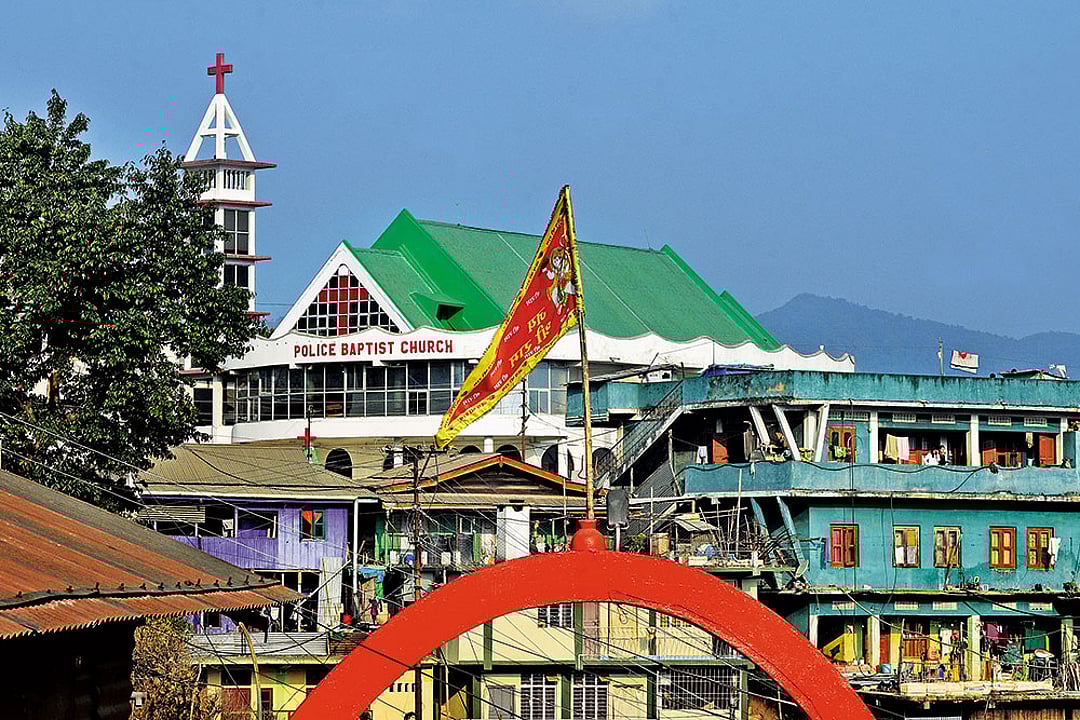
In September 2021, Harsh Chouhan, the then chairperson of the National Commission for Scheduled Tribes (NCST), the top Constitutional body for the protection of tribal rights, came to the northeast Indian state of Assam on a four-day visit to attend a conference.
It was organised by the Janajati Dharma-Sanskriti Suraksha Mancha (JDSSM), which is part of the Sangh Parivar, the family of organisations affiliated or backed by the Rashtriya Swayamsevak Sangh (RSS), the ideological-organisation parent of Prime Minister Narendra Modi’s Bharatiya Janata Party (BJP) that has been ruling the country since 2014. The conference saw the gathering of representatives from all states of northeast India.
The JDSSM operates under the guidance of the RSS’ tribal wing, Vanvasi Kalyan Ashram (VKA). The origin of the JDSSM lies in the December 2002 launch of an outfit named Northeast India Janajati Faith and Culture Protection Forum under the VKA’s guidance. Later, in April 2006, the Janajati Suraksha Manch (JSM) was launched nationally. Since then, the JSM has operated in northeast India under the banner of JDSSM, which also goes by the name Indigenous Faith and Culture Protection Forum (IFCPC).
Their main focus is to build and strengthen a movement demanding the delisting of tribals who have converted from the Scheduled Tribes (ST) category.
This involves a huge number of India’s tribal people, as a large majority of northeast India’s population is tribals—1.26 crore or 27 per cent of the 4.5 crore population, and 78 lakh or 17.5 per cent are Christian, according to the census of 2011.
The JDSSM’s event in Assam included a session on ‘delisting of tribes from the Scheduled Tribes list’ and another on ‘how to effectively utilise government laws and policies for the preservation of self-esteem of our faith and culture’.
Assam Chief Minister Himanta Biswa Sarma graced the inaugural ceremony of the conference, while Union Tribal Affairs Minister Arjun Munda attended the concluding ceremony. Ramesh Babu, the all India joint organisational secretary of the VKA, who is also a pracharak or bachelor-whole-timer of the RSS, was present. Chouhan, himself a VKA veteran, was present throughout the conference.
Before assuming charge as NCST chairperson, Chouhan had served as state unit secretary of Madhya Pradesh, later president of the VKA, and finally as a member of the VKA national executive. In fact, he was also the ‘convenor’ of the JSM. The event was, kind of, his family affair.
In what was understandably a reference to Christian missionaries, Chief Minister Biswa Sarma alleged that “some outside forces are trying to allure” the tribal people “with free education and healthcare” and that his government was focusing on providing these facilities.
Madhya Pradesh-based JSM leader, Laxman Singh Markam, who had also served as Officer on Special Duty (OSD) for former Madhya Pradesh Chief Minister Shivraj Singh Chouhan, argued that since Article 368 of the Indian Constitution allows constitutional amendment, Article 342, which defines STs, must be changed.
“In Article 341, there is a clause that if any Scheduled Caste (SC) person converts to a religion that does not have its origin in India, he will no longer be treated as SC,” said Markam. “If this clause was incorporated in Article 342 as well, (tribal) people would not have converted.”
Advertisement
This was a noticeable use of the language—Sanatan indigenous Dharma. Since the Hindu nationalists prefer the word Sanatan Dharma over Hinduism to describe the religion, Sanatan indigenous Dharma sounded like an attempt to bring indigenous religions under the Hinduism fold, which they indeed intend.
Pai Dawe, president of Arunachal’s Nyishi tribe socio-cultural outfit, Nyishi Nyidung Mwngjwng Rallung (NNMR), echoed Kharadi. He described how “the continuous ascendency and influence of Christianity” for centuries had “weakened the great spiritual and philosophical heritage of the Janajati traditions, culture and faiths”, whereas indigenous beliefs in nature worship are reflected in the Hindu scriptures of the Vedas and the Upanishads.
With top government personalities in attendance, the conference gave a special momentum to their campaign, upping the ante over the demand for delisting. Demonstrations and conferences were held in different parts of northeast India over the next couple of years, involving the Sangh Parivar organisations and local tribal bodies.
Among the northeast Indian states, the tribal population in Mizoram, Nagaland, Meghalaya and Manipur is overwhelmingly Christian, while in Arunachal Pradesh, Christianity’s influence among the tribal population is significant. However, in Assam, Tripura, and Sikkim, it is nominal.
The September 2021 event itself was the culmination of several years of Hindu nationalist initiatives to build a base among northeastern tribal communities with a three-fold agenda—create public opinion against converts, revive ancient indigenous practices, and portray indigenous faith as part of Sanatan Dharma, or Hinduism.
Advertisement
Over the past couple of decades, Hindu nationalists have established close relations with tribal socio-cultural groups like Nyishi Culture Society, Indigenous Faith and Culture Society of Arunachal Pradesh (IFCSAP), Apatani Danyi Piilo Meder Nello Council and the Arunachal Pradesh Nyobu Welfare Association, all of which work towards preserving and protecting indigenous traditions.
During their outreach programmes among tribal groups, Hindu nationalists highlight how converted tribals enjoy “double benefits”, that is to enjoy reservation under the ST quota and receive benefits meant for religious minorities as well.
A large majority of northeast India’s population is tribal—1.26 crore or 27 per cent of the 4.5 crore population, and 78 lakh or 17.5 per cent are Christians, as per the census of 2011.
However, they have faced some resistance from groups that are part of ethnic movements, such as the Bodo and Karbi ethnic groups, including students’ bodies, especially those that are pressing for local autonomy. They feel the division among ethnic groups over religion would weaken the autonomy movement.
Nevertheless, the Sangh Parivar has managed to influence and appropriate various tribal reform movements such as the Donyi-Polo movement in Arunachal Pradesh or the Heraka movement among Zeliangrong Nagas of Nagaland and Assam.
Political scientist Soihiamlung Dangmei of the Indira Gandhi National Tribal University’s Manipur campus has shown how the Heraka movement, during colonial rule, sought to fight the British and defend the Zeliangrong religious and cultural identity from both Christian proselytisation and advancement of Hinduism. However, in recent decades, it has worked closely with Hindu nationalists.
Advertisement
“The close association of the Heraka with the Hindutva protagonists has been increasingly manifested in recent years. In fact, it helped the Heraka group in sharing higher platforms with the Hindus to promote their indigenous religious and cultural identity,” Dangmei wrote.
Christianity, on the other hand, continued to be considered a threat to the indigenous religious and cultural identity of the Zeliangrong Nagas.
Similarly, in Arunachal Pradesh, Donyi Poloism, which is focused on sun-moon worship, first emerged in the late 1960s and started gaining popularity in the 1970s and the 1980s. The movement aimed to consolidate and formalise the tribal identity and practices, to protect them from both Christian and Buddhist influences. Hindu nationalist activities started among northeastern tribes only in the late 1970s.
However, in recent years, its growing proximity to Hindutva forces cannot be missed. A public awareness meeting in February 2022 in Arunachal Pradesh’s Pasighat, titled ‘Why delisting of Converted Persons from ST is Necessary’, was organised by the JDSSM in association with Central Donyi-Polo Yelam Kebang (CDPYK), an organisation founded in 1986. The CDPYK and the IFCSAP together organise the Indigenous Faith Celebration Day every December and they both coordinate with the JDSSM.
Another example is that of the IFCSAP, which was formed in 1999 to promote Donyi Poloism. The IFCSAP-operated Donyi Polo Cultural and Charitable Trust (DPCCT) initiated a Gurukul system of education named Nyubu Nyvgam Yerko, at Seppa in East Kameng district. It is the state’s first formal, indigenous language and knowledge system school. Chief minister Pema Khandu inaugurated it in March 2021.
Advertisement
Its website says that the conceptualisation of Nyubu Nyvgam Yerko “could not have been possible without the guidance, support and wishes of A Balakrishnan Iyer”, who heads the RSS-inspired Vivekananda Kendra Kanyakumari (VKK). The formal education at Nyubu Nyvgam Yerko is being provided by the VKK.
Iyer, a close aide of the late RSS pracharak Eknath Ranade, became a whole-timer of the VKK in 1973 and spent eight years as its zonal organiser in the northeast before taking up national-level responsibilities. He played a key role in the establishment of the first batch of Vivekananda Kendra Vidyalayas in Arunachal and Assam in the late 1970s.
It is believed that while Sangh Parivar organisations will continue to demand delisting to build a ‘permanent base’ among the non-Christian tribal population, the BJP will not publicly endorse such a demand as of now.
It is through organisations like VKA, VKK, Vidya Bharati (VB), Ekal Foundation, Friends of Tribal Society (FTS), Shri Hari Satsang Samiti (SHSS) and Vishva Hindu Parishad (VHP) that the Sangh Parivar has entered the tribal reforms and revivalist movements. For example, the VKK-affiliate Arunachal Vikas Parishad (AVP) has helped create 600 tribal prayer halls across the state.
The VKK currently runs a chain of seven higher secondary, 19 secondary, 11 middle, and four primary schools in Arunachal Pradesh, apart from 24 schools in Assam and one in Nagaland—all for tribal children.
The schools organise Matri Puja, Parivar Sammelan, Geeta Jayanti, fortnightly Matri Sanmilon (mothers’ gathering), and Samartha Bharat Parva to spread awareness of the achievements of India and personality development camps.
They celebrate Saadhna Diwas on the birthday of Eknath Ranade, who had served as the RSS’ Akhil Bharatiya Prachar Pramukh (all-India spokesperson), Sarkaryavah (general secretary) and all-India Baudhik Pramukh (intellectual chief) during the 1950s and the 1960s.
The VKK also runs an informal education forum called Anoupacharik Shiksha Manch, which operates balwadis (pre-primary playschools) and Anandalayas (free coaching centres) to create health awareness, impart “value-based education” and increase patriotic feelings among villagers.
While the activities of the Vivekananda Kendra’s formal schools are quite similar to those run by Vidya Bharati (VB), the RSS’ school education wing, the Kendra’s informal education projects run similar to that of Ekal Abhiyaan (EA), another RSS-backed project of running “one-teacher schools”.
VB and EA on their own have a significant presence in Assam and Arunachal Pradesh. The VB runs 121 primary, 115 middle, and 341 secondary schools in Assam, besides 10 primary, nine middle and 11 secondary schools in Arunachal Pradesh, apart from a few in the other states.
The VB-affiliate Purvottar Janajati Shiksha Samiti (PJSS), together with Friends of Tribal Society (Vanvandhu Parishad), runs 540 Ekal Vidyalayas in the tribal-dominated Karbi Anglong and Kokrajhar districts of Assam. In these schools, students learn Saraswati Vandana and to respect Bharat Mata, the OM and the saffron flag.
They organise health camps and rural sports and games events, with a focus on archery and kabaddi, as well as vocational courses like tailoring and computer education.
As a result of all these activities, Hindu nationalists have managed to make deep inroads into tribal societies of northeast India, especially in Assam and Arunachal Pradesh, and partly in Tripura and Meghalaya.
In February 2023—ahead of the Meghalaya and Nagaland state elections—there was news that the JDSSM had called for a massive gathering in Guwahati to pressurise the government to amend Article 342 of the Constitution. It triggered a controversy and the BJP state units immediately distanced themselves from the demand.
The rally was postponed, but eventually took place in March. Another major rally happened in Tripura on December 26. Meanwhile, district-level conferences were held in all these states.
Noting the rapid escalation in the Hindu nationalist campaign, retired Indian Police Service (IPS) officer and columnist, John S Shilshi, wrote in April 2023 that “verbal attacks and allegations of wrongdoing have significantly increased against the Christian community in Northeast India.”
“Until some time ago, it was all about pointing fingers at them with the accusation of converting people forcibly through inducement. Now, claims are being made that Christian converts are allegedly eroding tribal customs and traditions,” he wrote in an editorial in North East Catholic Research Forum Review, of which he is the editor.
Rubbishing the charges, Shilshi asserted that churches in the region were “in the safe hands of highly-qualified sons and daughters of the soil… whose interests in preserving the tribal culture and ethos are indisputable”, who “steadfastly uphold the tribal ethos and ensure culture continuity.”
Speaking to Outlook on condition of anonymity, a BJP leader from Karbi Anglong district in Assam said that while Sangh Parivar organisations will continue to demand delisting to build a ‘permanent base’ among the non-Christian tribal population, the BJP, as a party, will not publicly endorse such a demand.
“The party is currently in alliance with many parties in Mizoram, Nagaland, Meghalaya and Manipur, whose leadership is predominantly Christian. At the present juncture, delisting will remain more of a social movement rather than political one,” says the leader.
(This appeared in the print as 'Culture Conflict')


/bnn/media/agency_attachments/oXt4CanOnbaRGckzgwQE.png)
தமிழ்நாடு ஒரு முன்னுதாரணத்தை அமைக்கிறது: SC/ST மேம்பாட்டுக்கான வரலாற்றுச் சிறப்புமிக்க மசோதா நிறைவேற்றப்பட்டது
SC/ST சமூகங்களுக்கான தமிழ்நாட்டின் சமீபத்திய சட்டம் சமூக நீதி மற்றும் சமத்துவத்தை நோக்கிய பயணத்தின் ஒரு முக்கிய தருணத்தை எவ்வாறு குறிக்கிறது என்பதை கண்டறியவும், இது கூட்டு வாதிடுதல் மற்றும் மூலோபாய கூட்டாண்மைகளால் இயக்கப்படுகிறது.
/bnn/media/member_avatars/6bBmWrtboDQYLZWd5gzG.jpg)
/bnn/media/media_files/60c1ce44b3e490d6623a17b04c01358e1ff7aea30a0ffe44d631fc4ab130b61e.jpg)
தமிழ்நாடு ஒரு முன்னுதாரணத்தை அமைக்கிறது: SC/ST மேம்பாட்டுக்கான வரலாற்றுச் சிறப்புமிக்க மசோதா நிறைவேற்றப்பட்டது
இந்தியாவில் சமூக நீதியின் நிலப்பரப்பை நன்கு மறுவரையறை செய்யக்கூடிய ஒரு நடவடிக்கையில், தமிழ்நாடு ஒரு தீர்க்கமான படி முன்னேறியுள்ளது. பட்டியலிடப்பட்ட சாதிகள் மற்றும் பட்டியலிடப்பட்ட பழங்குடியினருக்கான தமிழ்நாடு மேம்பாட்டு செயல் திட்டம் மசோதா, 2024 க்கு மாநில சட்டசபையின் சமீபத்திய ஒப்புதல், விளிம்புநிலை சமூகங்களின் அதிகாரமளிப்பு நோக்கிய குறிப்பிடத்தக்க பாய்ச்சலைக் குறிக்கிறது. தலித் ஆய்வுகளுக்கான மையத்தின் தலைவரான மல்லேபள்ளி லக்ஷ்மையா இந்த முயற்சியை முன்னின்று நடத்துகிறார், இவர் பல்வேறு தலித் அமைப்புகளுடன் இணைந்து மசோதாவை நிறைவேற்றுவதில் முக்கிய பங்கு வகித்துள்ளார்.
இந்த மைல்கல் சட்டத்தை நோக்கிய பயணம் தனிமையாகவே இருந்தது. விசிகே கட்சித் தலைவர் தொல்காப்பியன் திருமாவளவன் மற்றும் இளைஞர்களுக்கான சமூக விழிப்புணர்வு சங்கம் (எஸ்ஏஎஸ்ஒய்), ஆதிவாசி ஒற்றுமை பேரவை (ஏஎஸ்சி), மற்றும் தலித் ஆர்த்திக் அதிகாரம் அந்தோலன் (டிஏஏஏ) ஆகியவற்றின் பின்னணியில் உள்ள சக்திகள் உட்பட பிரச்சாரகர்களின் கூட்டணிக்கு லக்ஷ்மையா தனது மனமார்ந்த வாழ்த்துகளைத் தெரிவிக்கிறார். அவர்களின் இடைவிடாத வக்காலத்து மற்றும் மூலோபாய ஒத்துழைப்பு தமிழ்நாட்டிற்கு மட்டுமல்ல, ஒட்டுமொத்த தேசத்திற்கும் ஒரு வெற்றியில் உச்சத்தை எட்டியுள்ளது, இது சமூக நீதி மற்றும் சமத்துவத்திற்கான போராட்டத்தில் ஒரு முன்னோடியாக அமைந்தது.
உண்டியலைத் திறக்கிறது
எதிர்காலத்திற்கான ஒரு பார்வை
இந்த மசோதா நிறைவேற்றப்பட்டது மறுக்க முடியாத ஒரு மைல்கல் என்றாலும், இது எதிர்காலம் பற்றிய உரையாடலையும் திறக்கிறது. அத்தகைய முன்முயற்சிகளின் செயல்திறன் அவற்றின் செயல்படுத்தல் மற்றும் சம்பந்தப்பட்ட அரசு மற்றும் சிவில் சமூக அமைப்புகளின் நீடித்த அர்ப்பணிப்பைப் பொறுத்தது. தமிழ்நாடு மசோதா, நடவடிக்கை மற்றும் பொறுப்புக்கூறலுக்கான உறுதியான கட்டமைப்பை அமைப்பதன் மூலம், மற்ற மாநிலங்கள் பின்பற்றக்கூடிய ஒரு வரைபடத்தை வழங்குகிறது. இந்தியாவின் சமூக நல நிலப்பரப்பிற்கான பரந்த தாக்கங்கள் ஆழமானவை, மேலும் உள்ளடக்கிய மற்றும் சமத்துவமான சமூகத்தை நோக்கி நகர்வதை பரிந்துரைக்கின்றன.
பட்டியலிடப்பட்ட சாதிகள் மற்றும் பழங்குடியினருக்கான தமிழ்நாடு மேம்பாட்டு செயல் திட்ட மசோதா, 2024 இயற்றப்பட்டது, விளிம்புநிலை சமூகங்களின் மேம்பாட்டிற்கான அரசாங்கத்தின் அர்ப்பணிப்பின் தெளிவான குறிகாட்டியாகும். சமூக மாற்றத்தை உந்துதலில் ஒற்றுமை மற்றும் கூட்டு நடவடிக்கையின் சக்தியை இது அடிக்கோடிட்டுக் காட்டுகிறது. தமிழகத்தைப் பொறுத்தவரை இந்த மசோதா சட்டப்பூர்வ ஆவணம் மட்டுமல்ல; இது நம்பிக்கையின் கலங்கரை விளக்கமாகும், இது அதன் அனைத்து குடிமக்களுக்கும் பிரகாசமான, மேலும் உள்ளடக்கிய எதிர்காலத்தைக் குறிக்கிறது.


Comments
Post a Comment