02.04.2024.UNTOUCHABLES NEWS..by sivaji ceo.UT News. சென்னை.


Seven arrested for assaulting Dalit youth in Mahabubabad

Two more persons who were booked in the case were still at large. Rao further said that a case of abduction, seriously injuring and abusing using caste name was already registered against the nine persons.
Mahabubabad: Seven persons were on Monday arrested on the charges of abducting, abusing and assaulting a Dalit youngster at Pogulapalli village in Kottaguda mandal on March 19.
Mahabubabad DSP Thirumal Rao, in a press statement, said that Gadde Swamy, Atukuri Harish, Chevva Shiva, Vattam Nagaraj, Guggilla Narasiah, Baraiboyina Ashok and Gajula Venkateshwarlu were apprehended after probing into the assault against Vankayala Kartheek of Gunjedu village.
Two more persons who were booked in the case were still at large. Rao further said that a case of abduction, seriously injuring and abusing using caste name was already registered against the nine persons.
He warned that stern action would be taken against those who commit illegal activities.
Karthak was kidnapped and assaulted indiscriminately by the nine alleging that he had stolen their music system used in weddings and functions.

TAMILNADU
Tamil Nadu: Melpathi’s Dalit residents demand separate booth for LS polls

In April 2023, several Dalit residents faced physical assault and verbal abuse when they entered the Draupadi Amman Temple in the village. Due to safety concerns, Dalits are apprehensive about accessing the polling booth located in the caste-Hindu area.
Krithika Srinivasan
VILLUPURAM: More than 450 voters living in the Dalit residential area of Melpathi village have demanded a separate polling booth for fear of entering the caste Hindu locality to reach the existing booth. In April 2023, a number Dalit residents were physically assaulted and verbally abused for entering the village’s Draupadi Amman Temple.
In a petition to the collector on Friday, the Dalits said, “We fear the caste Hindus and their tactics of pulling us into conflict at every chance they get. The polling booth for Melpathi is located in the caste Hindu area and we do not feel safe going there on the polling day. Hence, we demand a separate booth for us to vote.”
Speaking to TNIE, 34-year-old Karthik (name changed), a Dalit resident, said, “It is not out of fear that we seek a separate booth, but for safeguarding our self-respect and dignity. A year ago, our relatives were chased and attacked by caste Hindus for entering the temple, after which we had to cut ties with them.
They also have stopped employing us as agricultural workers. None of them have been arrested for their violence and blatant caste discrimination to this day.” He further added that the government’s inaction and police apathy in handling the incident have led the Dalits of Melpathi to distrust the security provided by the governing bodies on polling day. “Elections cannot become one more reason for us to go through the same pain again,” he asserted.
One of the petitioners, a 60-year-old Dalit resident, told TNIE, “If setting up a whole new booth is not possible, at least let us cast our votes at the collectorate. We all will spend our own money to travel there on polling day. There is no way we will go into the oor (caste Hindu area) where we have been utterly humiliated for merely entering a temple.” He added that their proposal has also been conveyed to the DRO who met them on Friday.
Melpathi Dalits have proposed for a separate booth at the empty village service centre building located in their side of Melpathi. However, official sources stated that a booth can be allocated only if the voter count is above 1,500.
In response to the issue, Collector Palani told TNIE, “We have marked the Melpathi booth as a critical/vulnerable booth. There will be special protection by CRPF personnel, live webcam casting, state police force and micro observers will be deployed to ensure the Dalits can cast their votes in peace and no mishap occurs. Moreover, we have also warned the caste Hindu residents of severe police action if they pick a quarrel with the Dalits on election day.”
Courtesy : TNIE
....
தமிழ்நாடு: மேல்பாதியில் உள்ள தலித் மக்கள், மக்களவைத் தேர்தலுக்கு தனிச் சாவடியைக் கோருகின்றனர்
ஏப்ரல் 2023 இல், கிராமத்தில் உள்ள திரௌபதி அம்மன் கோயிலுக்குள் நுழைந்தபோது பல தலித் குடியிருப்பாளர்கள் உடல்ரீதியான தாக்குதல் மற்றும் வாய்மொழி துஷ்பிரயோகத்தை எதிர்கொண்டனர். பாதுகாப்புக் காரணங்களால், தலித்துகள் சாதி-இந்து பகுதியில் அமைந்துள்ள வாக்குச் சாவடியை அணுகுவதில் அச்சத்தில் உள்ளனர்.
கிருத்திகா சீனிவாசன்
விழுப்புரம்: மேல்பதி கிராமத்தில் உள்ள தலித் குடியிருப்பு பகுதியில் வசிக்கும் 450க்கும் மேற்பட்ட வாக்காளர்கள், தற்போதுள்ள சாவடிக்கு செல்ல, சாதி இந்து உள்ளாட்சிக்குள் நுழைய பயந்து, தனி ஓட்டுச்சாவடி அமைக்க கோரிக்கை விடுத்துள்ளனர். ஏப்ரல் 2023 இல், கிராமத்தின் திரௌபதி அம்மன் கோயிலுக்குள் நுழைந்ததற்காக ஏராளமான தலித் மக்கள் உடல் ரீதியாக தாக்கப்பட்டனர் மற்றும் வார்த்தைகளால் துஷ்பிரயோகம் செய்யப்பட்டனர்.
இதுகுறித்து கலெக்டரிடம் வெள்ளிக்கிழமை தலித்துகள் அளித்த மனுவில், “சாதி இந்துக்கள் மற்றும் அவர்கள் கிடைக்கும் ஒவ்வொரு சந்தர்ப்பத்திலும் எங்களை மோதலுக்கு இழுக்கும் அவர்களின் தந்திரங்களால் நாங்கள் பயப்படுகிறோம். மேல்பதிக்கான வாக்குச் சாவடி ஜாதி இந்து பகுதியில் அமைந்துள்ளதால், வாக்குப்பதிவு நாளில் அங்கு செல்வது எங்களுக்கு பாதுகாப்பாக இல்லை. எனவே, நாங்கள் வாக்களிக்க தனிச் சாவடியைக் கோருகிறோம்.
TNIE இடம் பேசுகையில், 34 வயதான கார்த்திக் (பெயர் மாற்றப்பட்டுள்ளது), ஒரு தலித் குடியிருப்பாளர், “நாங்கள் ஒரு தனி சாவடியைத் தேடுவது பயத்தால் அல்ல, மாறாக எங்கள் சுயமரியாதை மற்றும் கண்ணியத்தைப் பாதுகாப்பதற்காக. ஒரு வருடத்திற்கு முன்பு, கோவிலுக்குள் நுழைந்ததற்காக எங்கள் உறவினர்கள் சாதி இந்துக்களால் துரத்தித் தாக்கப்பட்டனர், அதன் பிறகு நாங்கள் அவர்களுடனான உறவை துண்டிக்க வேண்டியிருந்தது.
எங்களை விவசாயத் தொழிலாளர்களாக வேலைக்கு அமர்த்துவதையும் நிறுத்திவிட்டனர். வன்முறை மற்றும் அப்பட்டமான ஜாதிப் பாகுபாடுகளுக்காக அவர்களில் எவரும் இன்றுவரை கைது செய்யப்படவில்லை. மேலும், இந்த சம்பவத்தை கையாள்வதில் அரசாங்கத்தின் செயலற்ற தன்மையும், காவல்துறையின் அக்கறையின்மையும், வாக்குப்பதிவு நாளில் ஆளும் குழுக்கள் வழங்கிய பாதுகாப்பை மேல்பாதியில் உள்ள தலித்துகளை அவநம்பிக்கை கொள்ள வைத்துள்ளது. "நாம் மீண்டும் அதே வலியை சந்திக்க தேர்தல்கள் ஒரு காரணமாக இருக்க முடியாது," என்று அவர் வலியுறுத்தினார்.
மனுதாரர்களில் ஒருவரான, 60 வயதான தலித் குடியிருப்பாளர், TNIE இடம் கூறினார், “ஒரு புதிய சாவடியை அமைப்பது சாத்தியமில்லை என்றால், குறைந்தபட்சம் எங்கள் ஆட்சியர் அலுவலகத்தில் வாக்களிக்கட்டும். வாக்குப்பதிவு நாளில் நாம் அனைவரும் எங்கள் சொந்த பணத்தை செலவழித்து அங்கு செல்வோம். கோயிலுக்குள் நுழைந்ததற்காக நாங்கள் முற்றிலும் அவமானப்படுத்தப்பட்ட ஊருக்கு (சாதி இந்து பகுதி) செல்ல வழியில்லை. வெள்ளிக்கிழமை தங்களைச் சந்தித்த டிஆர்ஓவுக்கும் அவர்களின் முன்மொழிவு தெரிவிக்கப்பட்டுள்ளது என்று அவர் கூறினார்.
மேல்பதி தலித் மக்கள் மேல்பதியின் பக்கத்தில் அமைந்துள்ள காலி கிராம சேவை மைய கட்டிடத்தில் ஒரு தனி சாவடிக்கு முன்மொழிந்துள்ளனர். இருப்பினும், 1,500 வாக்காளர் எண்ணிக்கைக்கு மேல் இருந்தால் மட்டுமே ஒரு பூத் ஒதுக்க முடியும் என்று அதிகாரப்பூர்வ வட்டாரங்கள் தெரிவித்தன.
இப்பிரச்னைக்கு பதிலளித்த கலெக்டர் பழனி, டிஎன்ஐஇயிடம், “மேல்பதி சாவடியை முக்கியமான/பாதிக்கப்படக்கூடிய சாவடியாகக் குறித்துள்ளோம். தலித்துகள் அமைதியாக வாக்களித்து அசம்பாவிதம் ஏற்படாமல் இருக்க சிஆர்பிஎப் பணியாளர்கள், லைவ் வெப்கேம் காஸ்டிங், மாநில போலீஸ் படை மற்றும் மைக்ரோ அப்சர்வர்கள் மூலம் சிறப்பு பாதுகாப்பு வழங்கப்படும். மேலும், தேர்தல் நாளில் தலித்துகளுடன் தகராறு செய்தால் கடும் போலீஸ் நடவடிக்கை எடுக்கப்படும் என்று சாதி இந்துக்களுக்கு எச்சரிக்கை விடுத்துள்ளோம்.
உபயம் : TNIE.

Manipur: Why Has the Kuki-Jo Tribal Community Chosen Not to Nominate Candidates for the Lok Sabha Elections?

Despite heavy security presence, sporadic incidents of violence continue to plague the region, exacerbating the sense of disenchantment among the Kuki population.
Rajan Chaudhary
Imphal- The northeastern state of Manipur has been grappling with caste violence, particularly between the Meitei and Kuki communities, since May of last year. The ongoing conflict has claimed over 200 lives, leaving the Kuki community disheartened and disillusioned, especially in the context of the upcoming Lok Sabha elections.
Despite nearly 10 months passing since the outbreak of ethnic violence, peace remains elusive in Manipur. As the Election Commission of India announces the dates for the Lok Sabha elections, the Kuki-Zo communities, predominantly residing in the hilly regions, have made a significant decision not to field their candidates in the polls.
The decision reflects the deep-seated grievances and frustrations within the Kuki-Jo community. Organizations representing these communities express concerns about the state of affairs, citing the failure of the government to address their issues amidst the ongoing conflict.
Despite heavy security presence, sporadic incidents of violence continue to plague the region, exacerbating the sense of disenchantment among the Kuki population.
Mary Hamar, a resident of Churachandpur, a Kuki-dominated area, voices the community’s sentiment, alleging that the state government is neglecting the Kuki-Zo community and erasing its history.
She underscores the futility of having representatives under the Manipur government if the community’s concerns are consistently overlooked. She states, “The state government is trying to wipe out the entire Kuki-Zo community and its history.”
Ginza Wualzong, a member of the Indigenous Tribal Leaders Forum (ITLF), highlights the unresolved issues stemming from the conflict, further solidifying the community’s decision to abstain from participating in the electoral process. He states, “Our issues have not been resolved yet because of the conflict.”
Manipur has a total of 2 Lok Sabha seats.
In the 2014 general elections, the BJP won 1 seat, and the Naga People’s Front won 1 seat.
Dr. Rajkumar Ranjan Singh of the BJP secured victory in the Inner Manipur seat, while Lorho S. won in the Outer Manipur Lok Sabha constituency.
Songthin Sang, echoing the sentiments of many in the Kuki-Jo community, expresses skepticism about contesting elections, fearing that even if they were to participate, their voices would go unheard.
He states, “Yes, it is true that there is no candidate from the Kuki-Zo community. We all are in shock and are not able to function properly. I do not believe that if we contest the elections we will win. And if others are elected they will not listen to us. Central government intervention is needed to listen to us.”
Courtesy : The Mooknayak

Deprived of Basic Facilities, Tribal Women in Jharkhand Travel Miles to Reach Polling Booths — What does Lok Sabha Elections 2024 Mean for Them?

They have to travel several kilometres to get water from wells, rivers and ponds. They cover this distance at least 6-7 times a day.
Tarique Anwar
Ranchi (Jharkhand): Tribal women in the state cover long distances to reach their polling booths and cast their votes. Even those who are unable to walk on their feet or move with the help of sticks too religiously use their right to franchise. But what do they get in return? Nothing. Their villages have till today have no roads, electricity and food.
They were given financial assistance by the Central government for construction of toilets under the Swachch Bharat Abhiyan to make India open defecation free, but in absence of water, the lavatories in most of the households have been turned into store rooms or being used for other purposes.
The women of Cheruwatari village at Murupiri panchayat (village council) — about 35 km from Ranchi, the state capital — have to travel about two kilometres to get water. They cover this distance at least 6-7 times a day.
Piyarki Devi does not remember her age. She appears as if her bones have lost strength. But she also walks the distance every day for water. She says it’s a tradition here that women will bring water, no matter how far they have to go.
Once while carrying water, she slipped and fell to the ground. As a result, a few of her front teeth were broken.
Sudhan Devi gets angry on the question of toilets. “What is the use of a toilet without water?” she irritatingly asks, saying they defecate in the open in the jungle even today.
The women in the village allege that political leaders frequent their villages during elections and make tall promises, but nothing ever happens.
“We are still deprived of even basic needs such as water, roads, schools and healthcare facilities,” they complain and ask, “Why should we vote?”
They have decided to collectively boycott the upcoming elections. A slogan — “no water, no vote” — echoes in the community meetings these days.
This is not the only village in the Ranchi Lok Sabha constituency that lacks basic facilities.
Chitarkota village in Ratu block gets electricity for barely six hours a day. The roads here are in a dilapidated condition. There are houses but not permanent ones. Government schools here either have no teachers or a shortage of teachers. From drinking water to medical facilities, everything is either in very bad shape or does not exist at all.
Lalita Khalko says that if someone falls seriously ill, it becomes difficult for him/her to survive. By the time he/she reaches hospitals in the city, his/her condition deteriorates to the extent that recovery becomes extremely difficult.
“We have roads in potholes. At many places, one has to cross a river, which has no bridge till date,” she says.
People in the village say they never saw their MP (Member of Parliament) in the past five years. They say agents of candidates distribute money a night before the polling and secures votes.
“Subsequently, no one visits us for the next five years. We still don’t know who our MP is,” says Tetri Oraon.
Though Dumni Oraon is struggling for basic necessities, yet her religious identity, which is Sarna religion, is more important for her.
“When you (the government) claim that you will help us get back our identity, then walk the talk and bring the Sarna Code,” says the visibly angry woman.
The Sarna religion has its roots in nature worship, and its adherents have a close relationship with hills, rivers and forests — all of which are revered as sacred places. The Sarna worshippers honor deities connected to the elements of nature by celebrating a variety of festivals and rites.
The religious and cultural practices of several tribal people that revere nature are mentioned in the Sarna Code. In light of recent discussions on framing a Uniform Civil Code (UCC), there has been a movement for the official recognition of the code in order to safeguard the constitutional rights and distinctive religious identity of these tribes.
When a resolution was enacted to include the code as a distinct religious category to Census data, it became well-known. This recognition has important potential ramifications. It could lead to special policy considerations aimed at preserving the unique culture, tradition and customs of these tribes.
She claims that tribals are the original inhabitants of the country, and they have their religious identity — which is allegedly being denied to them.
“We are neither Hindu, nor Muslim, Sikh and Christian. We are tribals. Our customs and culture are completely different from mainstream society. But our identity is under threat. It is being denied to us by the government. Even if we vote for it, what will we get? What should we expect from such a government?” she says.
Kundreshi Munda is an activist and is associated with Akhil Bharatiya Adivasi Mahasabha. Making tribal women politically aware is an important part of her work.
“For people here, voting means a solution to their problems like ration cards and old pensions. They don’t know how much difference their one vote can make in their lives in the next five years,” she says.
She says there is no discussion on how water would come into the fields of the people here. There is no talk on why the land of tribals are being “looted” despite a law being in place, how the standard of education in government schools would be improved, how educated tribal youth would get government jobs.
Responding to the query that whether the women of the village go to vote, she says, “Yes, of course. Even those who can’t walk or walk with the help of sticks also go to polling booths to exercise their fundamental right.”
“But in return, what do they get back?” she asks back.
Political parties are all set to knock at their doors once again and make tall promises. But these adivasi women too seemingly have understood the reality of the hollow promises.
Courtesy : The Mooknayak

Dalit Student Held Hostage and Subjected to Attempted Sexual Assault in BHU Hostel

The incident occurred just months after a doctor was sexually assaulted after being lured into a hostel room
Satya Prakash Bharti,
Lucknow: A case of a Dalit student being held hostage and stripped naked has come to light in the hostel of Banaras Hindu University (BHU). It is alleged that the accused students also beat up the Dalit student in a closed room.
The student has filed a written complaint at the police station regarding this matter. He states that if action is not taken, he will leave the BHU campus. The police have assured that they will investigate the matter and take appropriate action.
The incident took place in Rajaram Hostel of BHU. The victim is enrolled in the MA course in Sociology.
The student stated to The Mooknayak, “I am a student of MA Sociology. I hail from Ahmedabad, Gujarat. On Sunday night, around 02:45 a.m., there was a sudden power outage in one lobby of Rajaram Hostel, while the other lobby had electricity. I was studying in my room when suddenly the room plunged into darkness. Upon investigation, I found that the MCB had tripped. As I bent down to reset it, a student from the MPIMIR course grabbed me from behind.”
He forcefully attempted to remove my pants, and when I resisted, he slammed my head against the wall, causing me to fall. He then attempted to sodomize me forcibly. When I resisted, he assaulted and abused me, and even threatened me with death.
“I somehow managed to escape, but he followed me into the room. He forcibly pulled down my pants while continuing to abuse me. When I resisted, he hit me with slaps and punches. He also snatched my phone and held me captive inside the room for an hour. Other students came to my rescue upon hearing my cries. They alerted the hostel warden and the proctorial board about the incident. The proctorial board team reached Rajaram Hostel and rescued me at 4 a.m. The warden and the proctorial board then took me to the trauma center, where I received medical treatment. I have filed a written complaint and am awaiting the filing of an FIR. If the FIR is not registered, I will leave the campus,” said the victim.
Speaking to The Mooknayak, Shivakant Mishra, the Station Officer of the Lanka police station, said, “This appears to be a case of physical assault. The police have interviewed the victim and other students at the hostel. The matter is under investigation.”
Not the First Case of Sexual Assault Inside the Hostel
This incident is not the first sexual assault incident inside the hostel of Banaras Hindu University. In February of this year, a Doctor was sexually assaulted after being lured into a hostel room at Ruiya Hostel by two students. The 32-year-old victim was also robbed of a gold chain, ring, and cash. The accused included five people, two of whom were BHU students. They were arrested by the police and confessed to the crime.
-Translated by Pratikshit Singh
Courtesy : The Mooknayak

Dalit History Month Special: Dr. Ambedkar’s Democratic Vision- How Did He Shape India’s Democracy?
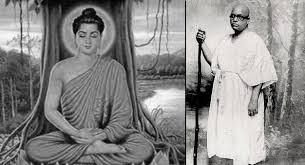
Ambedkar believed that Buddhism is more compatible with democracy. In Buddhism, Dr. Babasaheb Ambedkar found that the Dhamma is ethics and Ethics is Dhamma. Thus enabling ethical rule in a country.
Pratikshit Singh
Lucknow: Democracy is a form of government in which power is vested in the hands of the people, either directly or through elected representatives. It is characterized by principles such as political equality, freedom of expression, regular, free, and fair elections.
Democracy in India has proved to be an enabler of the upward mobility of Dalits. If the constitution bestowed the Dalits of the country with some rights like reservation in jobs and education, the right to vote, etc., democracy, with its reins in the hands of people, ensures that there remains an accountability, and each vote counts, irrespective of caste, stature, etc.
Today, as part of Dalit History Month in the run-up to Ambedkar Jayanti, we delve into Ambedkar’s perspective on Democracy as he presented his opinion on the subject through his writings between 1917 and 1956 i.e. till his death.
Dr Ambedkar’s espousal of the democratic system can be traced back to 1917. While presenting his evidence before the Southborough committee, or the Franchise Committee, which was collecting evidence on the quantum and qualifications to be fixed for the Indian voters.
During his testimony before the committee, Ambedkar passionately argued for the political representation and empowerment of Dalits, challenging the prevailing caste-based discrimination and advocating for their social and political upliftment. Highlighting the systemic discrimination against, he called for reserved seats in legislative bodies and other affirmative action measures to ensure political representation for Dalits and other oppressed communities.
Ambedkar set forth his idea of democracy by supporting three essential pillars- Democratic form of governance, the right to vote for all, adequate (if not proportional) representation for all sections of society.
In 1935, he described democracy as a mode of associated living in his bestselling book “The Annihilation of Caste.”
“(In an ideal society) there should be varied and free points of contact with other modes of association. In other words, there should be social endosmosis. This is fraternity, which is only another name for democracy. Democracy is not merely a form of Government. It is primarily a mode of associated living, of conjoint communicated experience. It is essentially an attitude of respect and reverence towards fellowmen.”
Dr. Babasaheb Ambedkar was grounded in the notion of Indian first and an Indian last but he considered nationalist sentiments because they helped move the “Wheels of the Democracy” – for him, the notion of Democracy was superior to Indianization or nationalization.
Ambedkar believed that Buddhism is more compatible with democracy.
“Religion has been a source of morality or ethics for the majority of people. He propounded that no new prophet will emerge and therefore we must look into existing religions to find ethics that accord with democracy. While undertaking a comparative study of religions, Dr. Babasaheb Ambedkar came to the conclusion that Hinduism, by its very nature and essence, is not democratic. In a short survey of religions in the Buddha and the Future of His Religions, Dr. Babasaheb Ambedkar made this point. While it might be possible to create secular ethics (and we do not know how), the reconstruction in religions if they are open to examination might be one important way.”
In Buddhism, Dr. Babasaheb Ambedkar found that the Dhamma is ethics and Ethics is Dhamma. Thus enabling ethical rule in a country.
He provided a cultural shape to Buddhism by embracing the Buddha’s Dhamma on 14th October 1956 as he believed that it was fundamentally and essentially democratic.
Political Democracy and Social democracy
Ambedkar’s quest for Democracy which began in 1917 took a political shape with India becoming a Republic in 1950 and its electoral testing in 1952.
However, he had his share of skepticism with democracy as he writes:
“Democracy in India is only a top dressing of the Indian soil which is essentially undemocratic.”
Ambedkar was fully aware of the gross contradiction between constitutional equality and the social equality prevailing in the country.
Dr Ambedkar firmly believed that social democracy was the base of political democracy. In a social democracy, he believed that social democracy is when the society practices liberty, equality, and fraternity.
In his speech in Constituent Assembly on 25th November 1949, he said:
“The third thing we must do is not to be content with mere political democracy. We must make our political democracy a social democracy as well. Political democracy cannot last unless there lies at the base of it social democracy. What does social democracy mean? It means a way of life that recognizes liberty, equality, and fraternity as the principles of life. These principles of liberty, equality, and fraternity are not to be treated as separate items in a trinity. They form a union of trinity in the sense that to divorce one from the other is to defeat the very purpose of democracy. Liberty cannot be divorced from equality; equality cannot be divorced from liberty. Nor can liberty and equality be divorced from fraternity. Without equality, liberty would produce the supremacy of the few over the many. Equality without liberty would kill individual initiative. Without fraternity, liberty equality could not become a natural course of things. It would require a constable to enforce them… For fraternity can be a fact only when there is a nation. Without fraternity equality and liberty will be no deeper than coats of paint.”
He added that without social democracy, those who suffer from inequality will blow up the structure of political democracy which this Assembly has to laboriously built up”.
The State of Democracy today through Ambedkarite lens
Speaking to The Mooknayak, Mangesh Dahiwale, an Ambedkarite intellectual, says, “Dr Ambedkar spoke about various types of democracies in India – Political democracy, Social Democracy, Intellectual Democracy, Economic Democracy, etc., and he believed that the absence of democracy in these aspects threatened Parliamentary democracy, and he cited the case of Germany and Italy under Hitler and Mussolini, respectively. Given the state in India, where the opposition leaders are being intimidated through misuse of government institutions, Ambedkar would have definitely felt disappointed by the manipulation of democracy.”
Courtesy : The Mooknayak

Gorakhpur News: The teacher first brutally beat the Dalit student for not touching his feet, then used caste based abuses… Case registered.
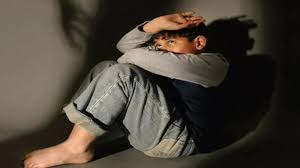
Gorakhpur News: In a government primary school in Uruva police station area of Gorakhpur district of Uttar Pradesh, a Class 6 student of Scheduled Caste was allegedly beaten up by the teacher for not touching his feet and used caste based abuses. Police gave this information on Monday. According to the police, Ravi Shankar Pandey, a teacher of Murarpur Primary School in Uruva police station area of the district, has been accused of beating a Dalit student of class six and abusing caste based abuses. He told that it is alleged that the teacher beat the student for not touching his feet as a mark of respect.
Dalit student beaten by teacher for not touching feet
According to information received from sources, the police have registered a case against the accused teacher in the assault case under other relevant sections including the Scheduled Caste-Tribe Prevention of Atrocities Act. Additional Superintendent of Police (ASP) Jitendra Kumar said that a case has been registered on the basis of the complaint and the police is investigating. Action will be taken on the basis of investigation and evidence. District Basic Education Officer Ramendra Kumar said that such a case has come to light. The matter will be investigated with complete impartiality and action will be taken on the basis of investigation.
Businessman murdered in Agra, wife injured
A man working at a businessman’s shop in Agra allegedly beat him to death and injured his wife. Police gave this information. Police said that the associates of the person working in the shop also looted the businessman’s shop. Deputy Commissioner of Police (City) Suraj Kumar Rai said that this incident took place at the house of businessman Dilip Gupta in Vijay Nagar Colony of Hariparvat police station area. He said that a complaint has been registered in connection with the incident and a police team has been formed to arrest the accused.
.....
Comments
Post a Comment