16.11.2025...Sivaji's..Untouchables News in India.by Team Sivaji.9444917060.follow us in all Social Media.(English, हिंदी,தமிழ்)


MP: BTP MLA writes to CM, demanding an investigation into the expenditure of ₹1.25 lakh crore from the Tribal Sub-Plan Fund.
The MLA has requested the Chief Minister to prepare a department-wise review report of the expenditure of the TSP Fund over the past three years, to clarify whether the funds have been used in accordance with the intended objectives.
Bhopal. Serious questions have been raised regarding the use of the Tribal Sub-Plan (TSP) funds, created for the development of tribal-dominated areas. Kamleshwar Dodiyar, MLA of the Bharat Adivasi Party from the Sailana constituency in Ratlam district, has sent a letter to Chief Minister Dr. Mohan Yadav demanding a high-level investigation and department-wise review of the expenditure incurred under the TSP Fund over the past three years.
1.25 lakh crore spent in three years, but where is the benefit?
MLA Dodiyar stated in his letter that the state government has spent approximately ₹1.25 lakh crore under the TSP Fund over the past three financial years. However, the worrying fact is that this amount was primarily spent not through the Tribal Affairs Department but was used by 42 other state departments for their own projects.
According to him, out of a total provision of ₹148 lakh crore, actual utilization of ₹125 lakh crore was recorded. Of these, the Energy, Agriculture, and Rural Development departments spent the most. In contrast, expenditure by the Employment, Industry, Tourism, and New Energy departments was negligible, raising questions about the scheme’s objectives.
Serious Allegations Regarding Fund Transfer
Dodiyar also mentioned in his application that the Water Resources Department transferred ₹355 crore from the TSP to other general items, which is contrary to the spirit of the Tribal Sub-Plan.
He stated that when departments use TSP funds for their regular schemes, it raises concerns about how much of the actual benefit has reached the tribal community.
Implementation deviates from the original spirit of the scheme
MLA Kamleshwar Dodiyar stated clearly that the primary objective of the TSP fund is to develop basic amenities such as education, health, roads, irrigation, electricity, drinking water, employment, and social security in tribal-dominated areas. This fund was specifically created for areas where infrastructure remains weak and people lack easy access to basic entitlements.
However, he expressed concern that when this amount is spent on general schemes of various departments, the intended development work in tribal areas remains incomplete. This not only undermines the original objective of the scheme but also adversely impacts the socio-economic empowerment of these communities.
Demand for Department-Wise Review and Audit
The MLA urged the Chief Minister to prepare a department-wise review report of the expenditure of the TSP fund over the last three years to clarify whether the funds have been used in accordance with the intended objectives. He also demanded that financial audits be conducted against departments that have arbitrarily diverted funds to other items, ensuring transparency in the entire process.
The MLA also demanded that departments or officials whose negligence has adversely affected the development of tribal areas be held accountable. He believes that without strict action, the proper utilization of TSP funds cannot be ensured, and its true beneficiaries, the tribal communities, are being deprived.
MLA Dodiyar suggested that in future, TSP funds be allocated and spent only through the Tribal Affairs Department, so that the funds can truly be utilized in accordance with the needs of tribal areas.
He said that if TSP funds continue to be used for general schemes of other departments, the development of tribal areas will remain limited to paper only.
MLA Dodiyar requested Chief Minister Dr. Mohan Yadav to take immediate cognizance of this serious issue and issue necessary instructions.
He also said, “An investigation should be conducted into the misuse of TSP funds and I should be informed promptly of the action taken.”
Ankit Pachauri
Courtesy: Hindi News

Badaun: Dalit wedding party members attacked with pistols and sticks; police accused of mishandling a serious case as “breach of peace.”
Viral video shows the accused with pistols and sticks, misbehaving with a statue of Ambedkar; police accused of suppressing the SC/ST Act.
Badaun: Police performance in Uttar Pradesh’s Badaun district is once again under scrutiny. The police have been accused of “covering up” the serious case of misbehavior and assault on Dalit wedding party members in the Faizganj Behat police station area. The victims claim the accused were armed and used casteist slurs, yet instead of registering a case under the SC/ST Act, the police merely charged them under sections of breach of peace.
What is the whole matter?
The incident is reported to have occurred late on November 12th. Dharampal Singh, a resident of Mewali village in the Ughaiti police station area, was traveling by car with his family and relatives to attend a wedding. It is alleged that two unidentified individuals overtook his car on the road and forced it to stop.
Dharampal Singh stated in his complaint that his car had a statue of Baba Saheb Dr. Bhimrao Ambedkar. Upon seeing this, the accused began using casteist slurs and attempted to attack him with a knife.
Hooliganism Caught on Video
According to a Dainik Bhaskar report, a video of the incident has also surfaced, exposing the police’s claims. It can be clearly seen in the video that one of the attackers is holding a transparent police-style baton, while the other is seen holding a pistol.
Questions about the police’s role
It is alleged that the police kept the case on hold for two days. Only when the video of the incident went viral on social media on the night of November 13th and higher officials took cognizance did the local police take action. The police quickly arrested one accused, Neetu, but he was also charged only with breach of peace (Section 151). The other accused remains at large.
Weapons not recovered, serious charges missing
Surprisingly, despite the weapon visible in the video, the police have not yet recovered either the transparent stick or the pistol. The victim alleges that they filed a complaint under the SC/ST Act, which the police ignored.
In this case, Station House Officer Rajkumar Singh confirmed that action has been taken against one accused for breach of peace. However, the police’s intentions are being questioned for ignoring serious charges.
Rajan Chaudhary
Courtesy: Hindi News

Krishnagiri man gets double life term for killing son, mother over intercaste marriage
Dhandapani, a caste Hindu had opposed his son D Subash's marriage to dalit girl S Anusuya from Ariyalur district three years ago.
KRISHNAGIRI: A 53-year-old man was sentenced to two life sentences by a Krishnagiri court on Friday for ‘honour’ killings.
The Krishnagiri Principal and sessions court sentenced 53-year-old P Dhandapani, a native of Arunapathy village near Uthangarai taluk for the murder of his son and mother over his son’s intercaste marriage with a dalit girl.
“In 2023, while Subash was working in a textile company he came into contact with Anusuya and the couple got married in March 2023. However, Dhandapani had opposed the union, while Dhandapani’s mother P Kannammal (65) had supported her grandson’s choice,” say police.
In April 2023, Dhandapani invited the couple to his home in Arunapathy in the guise of reconciliation. But the next day Dhandapani hacked Subash to death while he was asleep. Kannammal, who attempted to rescue her grandson, was also hacked to death.
While Anusuya tried to escape, she was also hacked and left for dead. Anusuya was later rescued and rushed to the Krishnagiri government hospital and later transferred to the Dharmapuri Medical College hospital where she survived after treatment.
The Uthangarai police arrested Dhandapani under IPC 307, 302 and SC/ST POA Act. The trial of the case was being conducted in the Krishnagiri Principal and Sessions Court.
On Friday, judge VR Latha sentenced Dhandapani to two life imprisonments for murder and another 10 year for the attempted murder of Anusuya. Further, he has been fined Rs 8,000 and the judge ordered the Krishnagiri District administration to pay Rs 2 lakh to Anusuya in accordance with SC/ST Prevention of Atrocities Act.
In a press meet at the CPI(M) party headquarters in Krishnagiri, Anusuya told media personnel, “The Tamil Nadu Untouchability Eradication Front and the CPI(M) had played a key role in helping me overcome the loss and seeking justice. The judgement brings hope to victims of honour killing. As a victim I feel a separate law for honour killing must be enacted in Tamil Nadu. This judgement is a lesson to people who place caste above all else”.
Anusuya also expressed her thanks to TNUEF and CPI(M) for their aid in nine surgeries and education, helping her to complete her B.Ed course.
P Suganthi, state general secretary of TNUEF, was also present at the press meet.
Courtesy : TNIE
अंतरजातीय विवाह पर बेटे और मां की हत्या के लिए कृष्णागिरी के व्यक्ति को दोहरी उम्रकैद की सजा |
ढांडापानी, एक जाति हिंदू ने तीन साल पहले अरियालुर जिले की दलित लड़की एस अनुसूया से अपने बेटे डी सुभाष की शादी का विरोध किया था।
कृष्णागिरी: 53 वर्षीय एक व्यक्ति को 'सम्मान' हत्या के लिए शुक्रवार को कृष्णागिरी अदालत ने दो आजीवन कारावास की सजा सुनाई।
कृष्णागिरी प्रिंसिपल और सत्र अदालत ने उथंगराई तालुक के पास अरुणापति गांव के मूल निवासी 53 वर्षीय पी ढांडापानी को एक दलित लड़की के साथ अपने बेटे के अंतरजातीय विवाह पर अपने बेटे और मां की हत्या के लिए सजा सुनाई।
पुलिस का कहना है, "2023 में, जब सुभाष एक कपड़ा कंपनी में काम कर रहे थे, तब वह अनुसूया के संपर्क में आए और दोनों ने मार्च 2023 में शादी कर ली। हालांकि, धंदापानी ने संघ का विरोध किया था, जबकि धंदापानी की मां पी कन्नम्मल (65) ने अपने पोते की पसंद का समर्थन किया था।"
अप्रैल 2023 में, ढांडापानी ने सुलह की आड़ में जोड़े को अरुणापति में अपने घर पर आमंत्रित किया। लेकिन अगले दिन धंदापानी ने सोते समय सुभाष की हत्या कर दी। अपने पोते को बचाने की कोशिश करने वाली कन्नम्मल की भी हत्या कर दी गई।
जब अनुसूया ने भागने की कोशिश की, तो उसे भी काट दिया गया और मृत अवस्था में छोड़ दिया गया। अनुसूया को बाद में बचा लिया गया और कृष्णागिरी सरकारी अस्पताल ले जाया गया और बाद में धर्मपुरी मेडिकल कॉलेज अस्पताल में स्थानांतरित कर दिया गया, जहां इलाज के बाद वह बच गईं।
उथंगराई पुलिस ने ढांडापानी को आईपीसी 307, 302 और एससी/एसटी पीओए एक्ट के तहत गिरफ्तार किया। मामले की सुनवाई कृष्णागिरि प्रधान एवं सत्र न्यायालय में चल रही थी.
शुक्रवार को न्यायाधीश वीआर लता ने ढांडापानी को हत्या के लिए दो आजीवन कारावास और अनुसूया की हत्या के प्रयास के लिए 10 साल की सजा सुनाई। इसके अलावा, उन पर 8,000 रुपये का जुर्माना लगाया गया और न्यायाधीश ने कृष्णागिरी जिला प्रशासन को एससी/एसटी अत्याचार निवारण अधिनियम के अनुसार अनुसूया को 2 लाख रुपये का भुगतान करने का आदेश दिया।
कृष्णागिरी में सीपीआई (एम) पार्टी मुख्यालय में एक प्रेस वार्ता में, अनुसूया ने मीडिया कर्मियों से कहा, "तमिलनाडु अस्पृश्यता उन्मूलन मोर्चा और सीपीआई (एम) ने मुझे नुकसान से उबरने और न्याय दिलाने में महत्वपूर्ण भूमिका निभाई थी। यह फैसला ऑनर किलिंग के पीड़ितों के लिए आशा लेकर आया है। एक पीड़ित के रूप में मुझे लगता है कि ऑनर किलिंग के लिए तमिलनाडु में एक अलग कानून बनाया जाना चाहिए। यह फैसला उन लोगों के लिए एक सबक है जो जाति को बाकी सब से ऊपर रखते हैं।"
अनुसूया ने नौ सर्जरी और शिक्षा में सहायता के लिए टीएनयूईएफ और सीपीआई (एम) को भी धन्यवाद दिया, जिससे उन्हें अपना बीएड पाठ्यक्रम पूरा करने में मदद मिली।
प्रेस वार्ता में टीएनयूईएफ के राज्य महासचिव पी सुगंती भी उपस्थित थे।
सौजन्य: टीएनआईई.

The Forgotten Assam Freedom Fighter Who Fought Untouchability, Marched With Gandhi, Opened Schools For Dalits And Challenged British Rule
Krishna Nath Sharma, a forgotten Assamese freedom fighter, challenged caste barriers long before it was fashionable. In 1934, he opened his namghar to Dalits alongside Gandhi, enduring a decade of social boycott.
From fighting Assam’s opium crisis to supporting the Dandi March and opening schools for Dalit children, his life was a relentless struggle for dignity, equality, and justice.
Every so often, history surprises us with a character whose bravery is so understated, so disarmingly gentle, that it almost slips through the cracks of our noisy national memory. Assam, with its floodplains, fierce revolutions, tea gardens and unhurried rivers, has produced several such rebels—people who fought with conviction instead of microphones, with defiance rather than spectacle. Among them stands a man who, despite having walked beside Mahatma Gandhi, challenged caste superstition head-on, opened his sacred space to those the world refused to touch, and still somehow remained a footnote. His name was Krishna Nath Sharma, fondly known across his community as Krishna Mama, and his story begins in a simple prayer house tucked away in Jorhat.
Picture this: it is 18 April 1934 in Sabaibandha, a quiet neighbourhood in Upper Assam. A namghar—a traditional Assamese prayer hall—breathes gently in the morning air. It is much like any other, except for one extraordinary detail. Mahatma Gandhi is standing at its entrance, ready to walk inside. Beside him stands the owner, Sharma, a man from a conservative Brahmin family, fully aware that what he is about to do will turn his own community against him. Yet his eyes are fixed ahead. Because for him, the opening of this prayer house to Dalits—sweepers, manual scavengers, ordinary people denied dignity—wasn’t merely symbolic. It was a necessary rebellion against a cruel social order.
What followed next was a decade of isolation for his family, a lifetime of activism for him, and the opening of a chapter that deserves a place in every history classroom. This is the story of the man who walked the Dandi March, fought opium addiction, opened schools for Dalit children, challenged untouchability, and still died before seeing the freedom he fought for.
The Namghar That Became a Battlefield of Beliefs
The Sabaibandha namghar might look unassuming to a passing visitor today, but in 1934 it became a site of remarkable dissent. Gandhi had been travelling across India campaigning against untouchability, and Sharma—who had already begun pushing back against caste barriers in Assam—invited him to inaugurate his prayer house
Gandhi accepted. And that decision ruffled more feathers than any of them could imagine.
When Dalits stepped inside the namghar that day, they crossed not just a doorway, but a century-old threshold of exclusion. Gandhi lauded Sharma’s courage publicly, telling local media (credit: contemporary press reports):
“Valiant soldiers like Krishnanath Sharma never care to face any odds. The temple entry movement will lead the rest of India to remove social evils.”
But while Gandhi praised him, Sharma’s own community punished him. Ostracised is too mild a word—his family was shunned into social invisibility. At weddings, guests would walk out if he entered. When his wife, Swarnalata Devi, stepped into a temple, women fled as though her presence would contaminate stone. Yet they persevered.
Fun fact: Assam had seen efforts toward egalitarian worship before, courtesy of the neo-Vaishnavite movement of Srimanta Sankardev. But never before had a mainstream Brahmin family taken such a bold stand in the early 20th century—making Sharma’s defiance quietly revolutionary.
Meet Krishna Mama: Scholar, Lawyer, Rebel in Cotton Khadi
Born in 1887, Krishna Nath Sharma was academically gifted. He completed degrees in science and law—an unusual combination in those days—and launched a successful legal career in 1917. But the courtroom couldn’t hold him for long. Gandhi’s arrival on the national stage changed the rhythm of his life. Soon enough, Sharma abandoned his practice, embraced the Gandhian ethos, and joined the freedom movement.
His nickname Krishna Mama originated much earlier, during his student years. Friends found his calm maturity and independent thinking far beyond his age. The name stuck, and soon he became “Mama” not just to friends but to entire communities who admired his guidance.
His First Fight: Crushing Assam’s Deadly Opium Addiction
Before Sharma battled caste prejudice, he fought a quieter war—against the opium crisis devouring Assamese society. Opium, introduced by East India Company soldiers in the 18th century, had become a widespread menace by the early 1900s.
Sharma partnered with Kuladhar Chaliha and Rohini Kumar Chaudhuri, two prominent Assamese freedom fighters, gathering data, interviewing addicts, and documenting the scale of the damage. His conviction was crystal clear:
“To save a nation from a ruinous habit, no effort should be spared. The only way is total prohibition.”
And astonishingly, he succeeded. Through relentless advocacy, public meetings, and political pressure, he helped shape the movement that pushed Assam towards opium prohibition.
Fun fact: Assam was one of the earliest regions in India to enforce large-scale opium restrictions—thanks largely to grassroots activists like Sharma.
The Gandhi Connection: From Temple Doors to the Dandi Salt Wind
Sharma’s activism stretched far beyond his town. When Gandhi began his anti-untouchability drive in 1933—opening temples like the one in Selu, near Wardha—Sharma recognised it as a moment for Assam to step forward.
He invited the Mahatma to his namghar. But that wasn’t their only intersection.
Sharma also walked with Gandhi during the historic Dandi March. He became deeply involved in promoting khadi, sometimes cycling through villages with bundles of homespun cloth under his arm, urging people to discard British textiles.
And even when British officials repeatedly arrested him, he remained unflinching.
The 1942 Garlanding Incident: A Moment So Daring It Feels Almost Cinematic
One of Sharma’s most remarkable confrontations with colonial authority occurred on 2 October 1942—‘Soldier’s Day’. His mission was bold: persuade Indian soldiers to support the Quit India movement.
According to historian Anil Kumar Sharma (credit: Quit India Movement in Assam), Sharma led a massive procession into Jorhat with a garland in his hand. When armed American military personnel blocked them, he simply walked up and placed the garland around a soldier’s gun. The soldiers froze in disbelief. Then, in perfect English, he declared:
“Please tell your people that this is the type of Independence we are enjoying.”
Moments later, he was arrested. Again.
It is a scene that reads like a film script—an unarmed Assamese man garlanding the weapon meant to intimidate him.
Schools for the ‘Untouchables’: His Most Lasting Legacy
After Gandhi inaugurated his namghar, Sharma didn’t stop at symbolism. He opened twelve schools for Dalit communities, ensuring that the children most excluded by society received an education that could change their futures.
This part of his work remains the least documented yet perhaps the most meaningful. Not many freedom fighters can claim they built institutions that survived beyond their own lives.
A Freedom He Never Got to See
Repeated arrests and decades of relentless activism weakened his health. Tragically, Krishna Nath Sharma passed away just months before India became independent in 1947.
His absence at the dawn of freedom feels heartbreakingly unfair. Yet his ideas—self-respect, dignity, equality, and justice—continue to echo quietly across Assam.
In recent years, scholars, local communities, and historians have begun to revive his memory. But he is still far from receiving the recognition he deserves.
Time to Bring Krishna Mama Back Into the National Story
In a world overflowing with loud heroes, Sharma’s life reminds us that quiet courage can be just as revolutionary. He fought the British, challenged caste barriers, stood up to addiction, opened his sacred space to the marginalised, walked beside Gandhi, and built schools for those society refused to acknowledge.
His story isn’t just a regional tale from Assam. It is a national lesson in moral clarity.
And it deserves to be told—again and again—until Krishna Nath Sharma is no longer forgotten.
Edited by: TN Lifestyle Desk
Courtesy : Times Now
भूले हुए असम के स्वतंत्रता सेनानी जिन्होंने अस्पृश्यता से लड़ाई लड़ी, गांधी के साथ मार्च किया, दलितों के लिए स्कूल खोले और ब्रिटिश शासन को चुनौती दी
कृष्ण नाथ शर्मा, एक भूले हुए असमिया स्वतंत्रता सेनानी, ने जाति बाधाओं को फैशनेबल होने से बहुत पहले ही चुनौती दी थी। 1934 में, उन्होंने एक दशक तक सामाजिक बहिष्कार सहते हुए, गांधीजी के साथ दलितों के लिए अपना नामघर खोला।
असम के अफ़ीम संकट से लड़ने से लेकर दांडी मार्च का समर्थन करने और दलित बच्चों के लिए स्कूल खोलने तक, उनका जीवन सम्मान, समानता और न्याय के लिए एक निरंतर संघर्ष था।
समय-समय पर, इतिहास हमें एक ऐसे चरित्र के साथ आश्चर्यचकित करता है जिसकी बहादुरी इतनी कम, इतनी निहत्थे रूप से सौम्य है कि वह हमारी शोर भरी राष्ट्रीय स्मृति की दरारों से लगभग फिसल जाती है। असम ने अपने बाढ़ के मैदानों, भयंकर क्रांतियों, चाय बागानों और अविरल नदियों के साथ, कई ऐसे विद्रोहियों को जन्म दिया है - ऐसे लोग जो माइक्रोफोन के बजाय दृढ़ विश्वास के साथ लड़े, दिखावे के बजाय अवज्ञा के साथ। उनमें से एक व्यक्ति खड़ा है, जिसने महात्मा गांधी के साथ चलने के बावजूद, जातिगत अंधविश्वास को सीधे चुनौती दी, दुनिया ने उन लोगों के लिए अपना पवित्र स्थान खोल दिया, जिन्हें छूने से इनकार कर दिया, और फिर भी किसी तरह एक फुटनोट बना रहा। उनका नाम कृष्णा नाथ शर्मा था, जो अपने समुदाय में प्यार से कृष्णा मामा के नाम से जाने जाते थे, और उनकी कहानी जोरहाट में एक साधारण प्रार्थना घर से शुरू होती है।
इसे चित्रित करें: यह 18 अप्रैल 1934 को ऊपरी असम के एक शांत इलाके सबाइबांधा में है। नामघर - एक पारंपरिक असमिया प्रार्थना कक्ष - सुबह की हवा में धीरे-धीरे सांस लेता है। एक असाधारण विवरण को छोड़कर, यह किसी भी अन्य की तरह ही है। इसके प्रवेश द्वार पर महात्मा गांधी अंदर चलने के लिए तैयार खड़े हैं। उसके बगल में मालिक शर्मा खड़ा है, जो एक रूढ़िवादी ब्राह्मण परिवार का आदमी है, पूरी तरह से जानता है कि वह जो करने वाला है वह उसके अपने समुदाय को उसके खिलाफ कर देगा। फिर भी उसकी नजरें आगे की ओर टिकी हुई हैं. क्योंकि उनके लिए, इस प्रार्थना घर को दलितों - सफ़ाईकर्मियों, मैला ढोने वालों, गरिमा से वंचित सामान्य लोगों - के लिए खोलना केवल प्रतीकात्मक नहीं था। यह क्रूर सामाजिक व्यवस्था के विरुद्ध एक आवश्यक विद्रोह था।
इसके बाद उनके परिवार के लिए एक दशक का अलगाव, उनके लिए जीवन भर की सक्रियता और एक ऐसे अध्याय का उद्घाटन हुआ जो हर इतिहास कक्षा में जगह पाने का हकदार था। यह उस व्यक्ति की कहानी है जिसने दांडी यात्रा की, अफ़ीम की लत से लड़ाई लड़ी, दलित बच्चों के लिए स्कूल खोले, अस्पृश्यता को चुनौती दी और फिर भी जिस आज़ादी के लिए उसने लड़ाई लड़ी, उसे देखने से पहले ही मर गया।
नामघर जो विश्वासों का युद्धक्षेत्र बन गया
सबाइबांधा नामघर आज किसी आने-जाने वाले पर्यटक को साधारण लग सकता है, लेकिन 1934 में यह उल्लेखनीय असहमति का स्थल बन गया। गांधी पूरे भारत में घूम-घूम कर अस्पृश्यता के खिलाफ अभियान चला रहे थे, और शर्मा-जिन्होंने पहले ही असम में जाति बाधाओं के खिलाफ जोर देना शुरू कर दिया था-ने उन्हें अपने प्रार्थना घर का उद्घाटन करने के लिए आमंत्रित किया।
गांधी जी ने स्वीकार कर लिया. और उस निर्णय ने उनमें से किसी की भी कल्पना से कहीं अधिक हलचल पैदा कर दी।
जब दलितों ने उस दिन नामघर के अंदर कदम रखा, तो उन्होंने न केवल एक द्वार पार किया, बल्कि बहिष्कार की एक सदी पुरानी सीमा भी पार कर ली। गांधी ने स्थानीय मीडिया से सार्वजनिक रूप से शर्मा के साहस की सराहना की (क्रेडिट: समसामयिक प्रेस रिपोर्ट):
"कृष्णनाथ शर्मा जैसे बहादुर सैनिक कभी भी किसी भी विषम परिस्थिति का सामना करने की परवाह नहीं करते। मंदिर प्रवेश आंदोलन शेष भारत को सामाजिक बुराइयों को दूर करने के लिए प्रेरित करेगा।"
लेकिन जहां गांधी ने उनकी प्रशंसा की, वहीं शर्मा के अपने समुदाय ने उन्हें दंडित किया। बहिष्कृत एक बहुत ही हल्का शब्द है - उनके परिवार को सामाजिक अदृश्यता में डाल दिया गया था। शादियों में, अगर वह अंदर आता तो मेहमान बाहर चले जाते। जब उनकी पत्नी स्वर्णलता देवी ने मंदिर में कदम रखा, तो महिलाएं ऐसे भाग गईं जैसे उनकी उपस्थिति से पत्थर दूषित हो जाएगा। फिर भी वे कायम रहे।
मज़ेदार तथ्य: श्रीमंत शंकरदेव के नव-वैष्णव आंदोलन के सौजन्य से, असम ने पहले भी समतावादी पूजा की दिशा में प्रयास देखे थे। लेकिन 20वीं सदी की शुरुआत में किसी मुख्यधारा के ब्राह्मण परिवार ने पहले कभी इतना साहसी रुख नहीं अपनाया था - जिसने शर्मा की अवज्ञा को चुपचाप क्रांतिकारी बना दिया।
कृष्णा मामा से मिलें: विद्वान, वकील, सूती खादी में विद्रोही
1887 में जन्मे कृष्ण नाथ शर्मा शैक्षणिक रूप से प्रतिभाशाली थे। उन्होंने विज्ञान और कानून में डिग्री पूरी की - उन दिनों एक असामान्य संयोजन - और 1917 में एक सफल कानूनी करियर शुरू किया। लेकिन अदालत उन्हें लंबे समय तक रोक नहीं सकी। राष्ट्रीय मंच पर गांधी के आगमन ने उनके जीवन की लय बदल दी। जल्द ही, शर्मा ने अपनी प्रैक्टिस छोड़ दी, गांधीवादी लोकाचार को अपनाया और स्वतंत्रता आंदोलन में शामिल हो गए।
उनका उपनाम कृष्णा मामा बहुत पहले, उनके छात्र वर्षों के दौरान उत्पन्न हुआ था। दोस्तों को उनका शांत स्वभाव परिपक्व और स्वतंत्र लगाअपनी उम्र से कहीं आगे की सोच. नाम चिपक गया और जल्द ही वह न केवल दोस्तों के लिए बल्कि पूरे समुदाय के लिए "मामा" बन गए, जिन्होंने उनके मार्गदर्शन की प्रशंसा की।
उनकी पहली लड़ाई: असम की घातक अफ़ीम की लत को कुचलना
इससे पहले कि शर्मा जातिगत पूर्वाग्रह से लड़ते, उन्होंने एक शांत युद्ध लड़ा - असमिया समाज को निगलने वाले अफ़ीम संकट के ख़िलाफ़। 18वीं सदी में ईस्ट इंडिया कंपनी के सैनिकों द्वारा पेश की गई अफ़ीम, 1900 के दशक की शुरुआत तक एक व्यापक खतरा बन गई थी।
शर्मा ने दो प्रमुख असमिया स्वतंत्रता सेनानियों, कुलधर चालिहा और रोहिणी कुमार चौधरी के साथ साझेदारी की, डेटा इकट्ठा किया, नशेड़ियों का साक्षात्कार लिया और क्षति के पैमाने का दस्तावेजीकरण किया। उनका दृढ़ विश्वास बिल्कुल स्पष्ट था:
"किसी देश को विनाशकारी आदत से बचाने के लिए कोई कसर नहीं छोड़ी जानी चाहिए। एकमात्र रास्ता पूर्ण शराबबंदी है।"
और आश्चर्यजनक रूप से, वह सफल हुआ। अथक वकालत, सार्वजनिक बैठकों और राजनीतिक दबाव के माध्यम से, उन्होंने उस आंदोलन को आकार देने में मदद की जिसने असम को अफ़ीम निषेध की ओर धकेल दिया।
मज़ेदार तथ्य: असम भारत में बड़े पैमाने पर अफ़ीम प्रतिबंध लागू करने वाले शुरुआती क्षेत्रों में से एक था - जिसका श्रेय शर्मा जैसे ज़मीनी स्तर के कार्यकर्ताओं को जाता है।
गांधी कनेक्शन: मंदिर के दरवाजे से दांडी नमक हवा तक
शर्मा की सक्रियता उनके शहर से कहीं आगे तक फैली हुई थी। जब गांधी ने 1933 में अपना अस्पृश्यता विरोधी अभियान शुरू किया - वर्धा के पास सेलु जैसे मंदिरों को खोला - तो शर्मा ने इसे असम के लिए आगे बढ़ने के क्षण के रूप में पहचाना।
उन्होंने महात्मा को अपने नामघर में आमंत्रित किया। लेकिन वह उनका एकमात्र चौराहा नहीं था।
शर्मा ऐतिहासिक दांडी मार्च के दौरान गांधीजी के साथ भी चले थे। वह खादी को बढ़ावा देने में गहराई से शामिल हो गए, कभी-कभी अपनी बांह के नीचे घरेलू कपड़े के बंडलों के साथ गांवों में साइकिल चलाते हुए, लोगों से ब्रिटिश वस्त्रों को त्यागने का आग्रह करते थे।
और जब ब्रिटिश अधिकारियों ने उन्हें बार-बार गिरफ्तार किया, तब भी वे डटे रहे।
1942 की माला पहनाने की घटना: एक ऐसा साहसपूर्ण क्षण जो लगभग सिनेमाई जैसा लगता है
औपनिवेशिक सत्ता के साथ शर्मा का सबसे उल्लेखनीय टकराव 2 अक्टूबर 1942 को हुआ - 'सैनिक दिवस'। उनका मिशन साहसिक था: भारतीय सैनिकों को भारत छोड़ो आंदोलन का समर्थन करने के लिए राजी करना।
इतिहासकार अनिल कुमार शर्मा (क्रेडिट: असम में भारत छोड़ो आंदोलन) के अनुसार, शर्मा ने हाथ में माला लेकर जोरहाट में एक विशाल जुलूस का नेतृत्व किया। जब सशस्त्र अमेरिकी सैन्य कर्मियों ने उन्हें रोका, तो वह सीधे चले आए और एक सैनिक की बंदूक के चारों ओर माला डाल दी। सैनिक अविश्वास में जम गये। फिर, पूर्ण अंग्रेजी में, उन्होंने घोषणा की:
"कृपया अपने लोगों को बताएं कि हम इसी प्रकार की स्वतंत्रता का आनंद ले रहे हैं।"
कुछ क्षण बाद, उसे गिरफ्तार कर लिया गया। दोबारा।
यह एक ऐसा दृश्य है जो किसी फिल्म की पटकथा जैसा लगता है - एक निहत्था असमिया आदमी उसे डराने के लिए हथियार की माला पहना रहा है।
'अछूतों' के लिए स्कूल: उनकी सबसे स्थायी विरासत
गांधी द्वारा अपने नामघर का उद्घाटन करने के बाद, शर्मा केवल प्रतीकवाद तक ही सीमित नहीं रहे। उन्होंने दलित समुदायों के लिए बारह स्कूल खोले, यह सुनिश्चित करते हुए कि समाज से सबसे अधिक बहिष्कृत बच्चों को ऐसी शिक्षा मिले जो उनका भविष्य बदल सके।
उनके काम का यह हिस्सा सबसे कम प्रलेखित है फिर भी शायद सबसे सार्थक है। बहुत से स्वतंत्रता सेनानी यह दावा नहीं कर सकते कि उन्होंने ऐसी संस्थाएँ बनाईं जो उनके जीवन से परे जीवित रहीं।
एक ऐसी आज़ादी जो उसे कभी देखने को नहीं मिली
बार-बार गिरफ्तारियों और दशकों की अथक सक्रियता ने उनके स्वास्थ्य को कमजोर कर दिया। दुखद बात यह है कि 1947 में भारत के स्वतंत्र होने से कुछ महीने पहले ही कृष्ण नाथ शर्मा का निधन हो गया।
आज़ादी की सुबह में उनकी अनुपस्थिति हृदयविदारक रूप से अनुचित लगती है। फिर भी उनके विचार-आत्म-सम्मान, गरिमा, समानता और न्याय- पूरे असम में चुपचाप गूंजते रहते हैं।
हाल के वर्षों में, विद्वानों, स्थानीय समुदायों और इतिहासकारों ने उनकी स्मृति को पुनर्जीवित करना शुरू कर दिया है। लेकिन वह अभी भी वह पहचान पाने से कोसों दूर हैं जिसके वह हकदार हैं।
कृष्णा मामा को राष्ट्रीय कहानी में वापस लाने का समय
जोरदार नायकों से भरी दुनिया में, शर्मा का जीवन हमें याद दिलाता है कि शांत साहस भी उतना ही क्रांतिकारी हो सकता है। उन्होंने अंग्रेजों से लड़ाई की, जातिगत बाधाओं को चुनौती दी, व्यसन के खिलाफ खड़े हुए, हाशिये पर पड़े लोगों के लिए अपना पवित्र स्थान खोला, गांधी के साथ चले और उन लोगों के लिए स्कूल बनाए जिन्हें समाज ने स्वीकार करने से इनकार कर दिया था।
उनकी कहानी सिर्फ असम की एक क्षेत्रीय कहानी नहीं है। यह नैतिक स्पष्टता का एक राष्ट्रीय पाठ है।
और यह तब तक बार-बार बताया जाना चाहिए जब तक कि कृष्ण नाथ शर्मा को भुला न दिया जाए।
संपादित: टीएन लाइफस्टाइल डेस्क
साभार: टाइम्स नाउ.

பீகார்

2020-ல் நெருங்கிய போட்டியிலிருந்து, இந்த முறை SC இடங்கள் எப்படி NDA க்கு சாதகமாக மாறியது
2020-ல் நெருங்கிய போட்டியிலிருந்து, இந்த முறை SC இடங்கள் எப்படி NDA க்கு சாதகமாக மாறியது
2020 சட்டமன்றத் தேர்தலில், மகாகத்பந்தனின் 17 இடங்களுக்கு எதிராக NDA 21 SC இடங்களை வென்றது. இந்த ஆண்டு, எதிர்க்கட்சிகளின் 4 SC இடங்களுக்கு எதிராக NDA 34 இடங்களை வென்றது.
பீகார் சட்டப்பேரவைத் தேர்தலில் என்டிஏ வெற்றி பெற்றதையடுத்து புதுதில்லியில் உள்ள பாஜக தலைமையகத்தில் பாஜக ஆதரவாளர்கள் கொண்டாடினர். (புகைப்படம்: PTI)

அஞ்சிஷ்ணு தாஸ்
லால்மணி வர்மா
புது தில்லி நவம்பர் 15, 2025 08:03 AM IST
2020 சட்டமன்றத் தேர்தலில் பட்டியலிடப்பட்ட சாதிகளுக்கான இடஒதுக்கீடு தொகுதிகளில் ஆளும் என்.டி.ஏ.வுக்கு கடுமையான போட்டியைக் கொடுத்ததில் இருந்து, எதிர்க்கட்சியான மகாகத்பந்தன் இந்த முறை ஒற்றை இலக்கமாகக் குறைக்கப்பட்டுள்ளது.
மாநிலத்தின் 40 இடஒதுக்கீடு இடங்கள் - 38 பட்டியல் சாதியினர் (SCs) மற்றும் 2 பட்டியல் பழங்குடியினர் (STs) - ஆளும் NDA 34 SC இடங்களையும் 1 ST இடத்தையும் வென்றுள்ளது. இருப்பினும் எதிர்க்கட்சியான மகாகத்பந்தன் 4 எஸ்சி இடங்களையும் 1 எஸ்டி இடத்தையும் மட்டுமே கைப்பற்றியது.
2020 சட்டமன்றத் தேர்தலில், மகாகத்பந்தனின் 17 இடங்களுக்கு எதிராக NDA 21 SC இடங்களை வென்றது. அந்த ஆண்டு, தலித் பாஸ்வான் சமூகத்தை அதன் அடிப்படைத் தளமாகக் கருதும் அப்போதைய பிரிக்கப்படாத லோக் ஜனசக்தி கட்சி, சுயேச்சையாகப் போட்டியிட்டு, ஜே.டி.(யு) மற்றும் ஆர்.ஜே.டி.யின் வாய்ப்புகளை ஒதுக்கித் தள்ளியது.
மாநிலத்தின் 2 ST தொகுதிகளின் முடிவுகள் 2020 தேர்தலில் இருந்து மாறாமல் உள்ளது, காங்கிரஸ் மீண்டும் மோதிஹாரியில் வெற்றி பெற்று BJP கடோரியாவைத் தக்கவைத்துக் கொண்டது.
இந்த முறை 38 SC இடங்களில், JD(U) தான் போட்டியிட்ட 16 இடங்களில் 13 இடங்களில் வெற்றி பெற்று முன்னணி NDA தொகுதியாக உள்ளது. போட்டியிட்ட 12 தொகுதிகளில் 12 வெற்றிகளுடன், பிஜேபி அதன் எஸ்சி தொகுதிகளில் சரியான சாதனையை நிகழ்த்தியது. சிராக் பாஸ்வான் தலைமையிலான லோக் ஜனசக்தி கட்சி (ராம் விலாஸ்) அது போட்டியிட்ட 8 SC இடங்களில் 5 ஐ வென்றது, அதே நேரத்தில் தலித் முசாஹர்களிடையே அடித்தளத்தைக் கொண்ட ஜிதன் ராம் மஞ்சி தலைமையிலான ஹிந்துஸ்தானி அவாம் மோர்ச்சா (மதச்சார்பற்ற) அது போட்டியிட்ட 4 SC இடங்களிலும் வெற்றி பெற்றது.
JD(U) 2020-ல் 8 இடங்களை வென்றதை விட SC இடங்களில் மிகப்பெரிய முன்னேற்றத்தை பதிவு செய்துள்ளது. பாஜகவும் 9 எஸ்சி இடங்களிலிருந்து தனது எண்ணிக்கையை உயர்த்தியுள்ளது. HAM(S) 2020 இல் 3 SC இடங்களை வென்றது, மேலும் முகேஷ் சஹானி தலைமையிலான விகாஷீல் இன்சான் கட்சி (VIP), அப்போது NDA உறுப்பினராக இருந்து இப்போது எதிர்க்கட்சி கூட்டணியில் உள்ளது, 1 SC இடத்தை வென்றது.
ஆனால் இந்த ஆண்டு மகாகத்பந்தனுக்கு இது ஒரு மோசமான காட்சியாக உள்ளது. RJD, கூட்டணியின் SC இடங்கள் அனைத்தையும் 20 இடங்களில் போட்டியிட்ட போதிலும், அனைத்து 4 இடங்களையும் வென்றது. காங்கிரஸ் அது போட்டியிட்ட 12 SC இடங்களில் எதிலும் வெற்றி பெறவில்லை, CPI(M-L)L மற்றும் CPI போன்றவை முறையே 6 மற்றும் 2 SC இடங்களில் போட்டியிட்டன. இவற்றில் இரண்டு இடங்களில், மகாகத்பந்தன் நட்புச் சண்டையில் ஈடுபட்டது குறிப்பிடத்தக்கது - ராஜா பாக்கரில், காங்கிரஸ் சிபிஐயை கைப்பற்றியது, சிக்கந்திராவில் ஆர்ஜேடி மற்றும் காங்கிரஸும் மோதின.
மகாகத்பந்தனின் முடிவு 2020ல் இருந்து கடுமையான சரிவைக் குறித்தது. ஐந்து ஆண்டுகளுக்கு முன்பு, RJD 9 SC இடங்களையும், அதைத் தொடர்ந்து காங்கிரஸ் மற்றும் இடது கட்சிகள் தலா 4 இடங்களையும் பெற்றன.
இந்தக் கட்டுரையைப் பகிரவும்
அதன் மோசமான செயல்திறன் இருந்தபோதிலும், RJD SC இடங்கள் முழுவதும் 21.75% அதிக வாக்குகளைப் பெற்றுள்ளது, அதைத் தொடர்ந்து JD(U) 19.07%, BJP 15.84%, LJP(RV) 9.17%, காங்கிரஸ் 8.48%, CPI(M-L)L, H4.9% மற்றும் 6.9% வாக்குகளைப் பெற்றுள்ளது.
எந்த இடங்களிலும் வெற்றி பெறாத ஜான் சுராஜ், SC இடங்களில் 3.48% வாக்குகளைப் பதிவு செய்தார், அதே நேரத்தில் தலித் சார்ந்த பகுஜன் சமாஜ் கட்சி (BSP) 1.63% பெற்றது ஆனால் SC இடங்களை வெல்லவில்லை.
சமீபத்திய மாநில மற்றும் தேசிய தேர்தல்களில், அரசியலமைப்பு, இடஒதுக்கீடு மற்றும் தாழ்த்தப்பட்ட பிரிவினரின் பிரதிநிதித்துவம் போன்ற பிரச்சினைகளில் பாஜகவும் காங்கிரஸும் அடிக்கடி மோதிக்கொண்டன. இருப்பினும், பீகாரில், வாக்களிக்கும் நடத்தையில் ஜாதி முக்கிய பங்கு வகிக்கிறது, இரு கட்சிகளும் பெரும்பான்மையான எஸ்சி இடங்களை தங்கள் பிராந்திய கூட்டாளிகளுக்கு விட்டுவிட முனைகின்றன, கட்சிகளின் வேட்பாளர் தேர்வின் பகுப்பாய்வு காட்டுகிறது. இந்தத் தேர்தல்களிலும், தேசிய ஜனநாயகக் கூட்டணியில் உள்ள பிராந்தியக் கட்சிகள் மற்றும் மகாகத்பந்தன் ஆகிய இரண்டும் எஸ்சி தொகுதிகளில் சிங்கப் பங்கில் போட்டியிட்டன.
அதிகம் படித்தது.
தேர்தலுக்கு முன்னதாக, பீகார் பாஜக செய்தித் தொடர்பாளர் அனாமிகா பாஸ்வான், நிதீஷ் குமார் அரசு, குறிப்பாக மகாதலித்களுக்கான நலத் திட்டங்களைக் கொண்டுவந்தது என்றும், அது தலித் வாக்காளர்களை NDA பக்கம் மாற்றுவதற்கு வழிவகுத்தது என்றும் கூறினார்.
மாநிலத்தில் பெரும்பாலும் சாதி அடிப்படையிலான வாக்குகள் இருப்பதால், பாஜக போன்ற முக்கிய கட்சிகள் பெரும்பாலும் உள்ளூர் சமூகங்கள் மத்தியில் ஆதிக்கம் செலுத்தும் கூட்டாளிகளுக்கு எஸ்சி-ஒதுக்கீடு இடங்களை ஒதுக்குவதன் மூலம் இடமளிக்கின்றன என்று பாஸ்வான் கூறினார். பிளவுபடாத எல்.ஜே.பி., 2020ல் தனித்து போட்டியிட்டது, ஆனால் சிராக் பாஸ்வான் தலைமையிலான அணி இப்போது மீண்டும் என்.டி.ஏ.வில் சேர்ந்துள்ளதால், பி.ஜே.பி.SC தொகுதிகளில் இந்த முறை LJP(RV)க்கு.
காங்கிரஸ் செய்தித் தொடர்பாளர் அன்ஷுல் அவிஜித் கூறுகையில், எஸ்சி-ஒதுக்கீடு தொகுதிகள் பாரம்பரியமாக தனது கட்சியின் கோட்டைகளாக இருந்தன, ஆனால் கூட்டணி அரசியலின் எழுச்சியுடன், ஒருமித்த-உந்துதல் தொகுதி பேச்சுவார்த்தைகளின் போது இந்த தொகுதிகளை பரவலாக விநியோகிப்பது வழக்கமாகிவிட்டது.
© இந்தியன் எக்ஸ்பிரஸ் பிரைவேட் லிமிடெட்

லால்மணி வர்மா
லால்மணி தி இந்தியன் எக்ஸ்பிரஸில் உதவி ஆசிரியராக உள்ளார், மேலும் அவர் புது டெல்லியில் உள்ளார். அவர் அரசியலை பற்றி எழுதுகிறார்.

From close contest in 2020, how SC seats have swung in NDA’s favour this time
In the 2020 Assembly elections, the NDA had won 21 SC seats against the Mahagathbandhan’s 17. This year, the NDA won 34 against the Opposition’s 4 SC seats
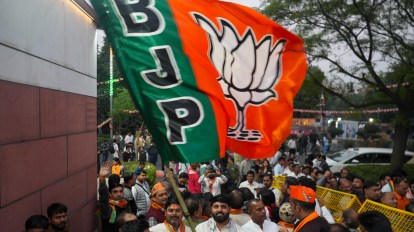 BJP supporters celebrate NDA's victory in the Bihar Assembly elections, at the BJP Headquarters, in New Delhi. (Photo: PTI)
 From giving the ruling NDA stiff competition in the Scheduled Caste-reserved seats in the 2020 Assembly polls, the Opposition Mahagathbandhan has been reduced to single digits this time.
Across the state’s 40 reserved seats – 38 for Scheduled Castes (SCs) and 2 for Scheduled Tribes (STs) – the ruling NDA has won 34 SC seats and 1 ST seat. The Opposition Mahagathbandhan, however, managed just 4 SC seats and 1 ST seat.
The outcomes in the state’s 2 ST seats remain unchanged from the 2020 polls, with the Congress again winning in Motihari and the BJP retaining Katoria.
Among the 38 SC seats this time, the JD(U) is the leading NDA constituent, winning 13 of the 16 such seats it contested. With 12 wins from 12 seats contested, the BJP managed a perfect record in its SC seats. The Chirag Paswan-led Lok Janshakti Party (Ram Vilas) won 5 of the 8 SC seats it contested, while the Jitan Ram Manjhi-led Hindustani Awam Morcha (Secular), which has a base among the Dalit Musahars, won all 4 SC seats it contested.
But it has been an abysmal showing for the Mahagathbandhan this year. The RJD won all 4 of the alliance’s SC seats, despite contesting the most such seats at 20. The Congress failed to win any of the 12 SC seats it contested, as did the CPI(M-L)L and CPI, which contested 6 and 2 SC seats, respectively. Notably, in two of these seats, the Mahagathabandhan was engaged in ‘friendly fights’ – in Raja Pakar, the Congress took on the CPI, and in Sikandra, the RJD and Congress faced off.
The outcome for the Mahagathbandhan marked a sharp decline from 2020. Five years ago, the RJD had won 9 SC seats, followed by the Congress and Left parties at 4 each.
 Share this article
Despite its poor performance, the RJD had the highest vote share across the SC seats at 21.75%, followed by the JD(U) at 19.07%, the BJP at 15.84%, the LJP(RV) at 9.17%, the Congress at 8.48%, the CPI(M-L)L at 6.4%, and the HAM(S) at 4.91%.
The Jan Suraaj, which failed to win any seats, recorded a 3.48% vote share in SC seats, while the Dalit-oriented Bahujan Samaj Party (BSP) got 1.63% but did not win any SC seats.
In recent state and national elections, the BJP and the Congress have often clashed over issues such as the Constitution, reservation, and underrepresentation of deprived sections. However, in Bihar, where caste plays a major role in voting behaviour, the two parties have tended to leave a majority of the SC seats for their regional allies, an analysis of the parties’ candidate selection shows. In these elections too, regional parties both in the NDA and Mahagathbandhan have contested the lion’s share of SC seats.
Ahead of the elections, Bihar BJP spokesperson Anamika Paswan had said the Nitish Kumar government brought in welfare schemes, specifically for Mahadalits, and that had led to Dalit voters shifting towards the NDA.
Paswan said since voting is largely caste-based in the state, major parties such as the BJP often accommodate allies that are dominant among local communities by allotting them the SC-reserved seats. She said the undivided LJP had contested separately in 2020, but since the Chirag Paswan-led faction is now back in the NDA, the BJP has given some of the SC constituencies to the LJP(RV) this time.
Congress spokesperson Anshul Avijit had said the SC-reserved constituencies had traditionally been his party’s strongholds, but with the rise of coalition politics, wider distribution of these constituencies became the norm during consensus-driven seat negotiations.

Lalmani is an Assistant Editor with The Indian Express, and is based in New Delhi. He covers political news.
बिहार.

2020 में कांटे की टक्कर से इस बार एससी सीटें कैसे एनडीए के पक्ष में आ गई हैं
2020 में कांटे की टक्कर से इस बार एससी सीटें कैसे एनडीए के पक्ष में आ गई हैं
2020 के विधानसभा चुनावों में, एनडीए ने महागठबंधन की 17 सीटों के मुकाबले 21 एससी सीटें जीतीं। इस साल, एनडीए ने विपक्ष की 4 एससी सीटों के मुकाबले 34 सीटें जीतीं।
नई दिल्ली में बीजेपी मुख्यालय में बीजेपी समर्थकों ने बिहार विधानसभा चुनाव में एनडीए की जीत का जश्न मनाया। (फोटो: पीटीआई)

अंजिश्नु दास
लालमणि वर्मा
नई दिल्लीनवंबर 15, 2025 08:03 AM IST
2020 के विधानसभा चुनावों में अनुसूचित जाति-आरक्षित सीटों पर सत्तारूढ़ एनडीए को कड़ी प्रतिस्पर्धा देने से, विपक्षी महागठबंधन इस बार एकल अंकों में सिमट गया है।
राज्य की 40 आरक्षित सीटों में - अनुसूचित जाति (एससी) के लिए 38 और अनुसूचित जनजाति (एसटी) के लिए 2 - सत्तारूढ़ एनडीए ने 34 एससी सीटें और 1 एसटी सीट जीती है। हालाँकि, विपक्षी महागठबंधन केवल 4 एससी सीटें और 1 एसटी सीट ही जीत सका।
2020 के विधानसभा चुनावों में, एनडीए ने महागठबंधन की 17 सीटों के मुकाबले 21 एससी सीटें जीती थीं। उस वर्ष, तत्कालीन अविभाजित लोक जनशक्ति पार्टी, जो दलित पासवान समुदाय को अपना मुख्य आधार मानती है, ने स्वतंत्र रूप से चुनाव लड़ा था और बिना कोई जीत हासिल किए आरक्षित सीटों पर जेडी (यू) और राजद की संभावनाओं को नुकसान पहुंचाया था।
राज्य की 2 एसटी सीटों के नतीजे 2020 के चुनावों से अपरिवर्तित रहे, मोतिहारी में कांग्रेस फिर से जीत गई और कटोरिया में भाजपा ने कब्जा बरकरार रखा।
इस बार 38 एससी सीटों में से, जेडी (यू) एनडीए का प्रमुख घटक है, जिसने 16 ऐसी सीटों में से 13 पर जीत हासिल की है। 12 सीटों पर चुनाव लड़कर 12 जीत के साथ, भाजपा ने अपनी एससी सीटों पर एक आदर्श रिकॉर्ड बनाया। चिराग पासवान के नेतृत्व वाली लोक जनशक्ति पार्टी (रामविलास) ने जिन 8 एससी सीटों पर चुनाव लड़ा, उनमें से 5 पर जीत हासिल की, जबकि जीतन राम मांझी के नेतृत्व वाली हिंदुस्तानी आवाम मोर्चा (सेक्युलर), जिसका दलित मुसहरों के बीच आधार है, ने सभी 4 एससी सीटों पर जीत हासिल की।
जेडीयू ने 2020 की तुलना में एससी सीटों में सबसे बड़ा सुधार दर्ज किया है जब उसने 8 सीटें जीती थीं। भाजपा ने भी 9 एससी सीटों से अपनी संख्या बढ़ाई। HAM(S) ने 2020 में 3 SC सीटें जीती थीं, और मुकेश साहनी के नेतृत्व वाली विकासशील इंसान पार्टी (VIP), जो तब एनडीए सदस्य थी और अब विपक्षी गठबंधन में है, ने 1 SC सीट जीती थी।
लेकिन इस साल महागठबंधन के लिए यह निराशाजनक प्रदर्शन रहा है। सबसे अधिक 20 सीटों पर चुनाव लड़ने के बावजूद, राजद ने गठबंधन की सभी 4 एससी सीटों पर जीत हासिल की। कांग्रेस उन 12 एससी सीटों में से एक भी जीतने में विफल रही, जैसा कि सीपीआई (एम-एल) एल और सीपीआई ने लड़ा था, जिन्होंने क्रमशः 6 और 2 एससी सीटों पर चुनाव लड़ा था। विशेष रूप से, इनमें से दो सीटों पर, महागठबंधन 'दोस्ताना लड़ाई' में लगा हुआ था - राजा पाकर में, कांग्रेस ने सीपीआई पर कब्जा कर लिया, और सिकंदरा में, राजद और कांग्रेस का आमना-सामना हुआ।
महागठबंधन के नतीजों में 2020 की तुलना में भारी गिरावट देखी गई। पांच साल पहले, राजद ने 9 एससी सीटें जीती थीं, उसके बाद कांग्रेस और वाम दलों ने 4-4 सीटें जीती थीं।
इस लेख को साझा करें
अपने खराब प्रदर्शन के बावजूद, राजद को एससी सीटों पर सबसे ज्यादा वोट शेयर 21.75% मिला, उसके बाद जेडीयू को 19.07%, बीजेपी को 15.84%, एलजेपी (आरवी) को 9.17%, कांग्रेस को 8.48%, सीपीआई (एम-एल) एल को 6.4% और एचएएम (एस) को 4.91% वोट मिले।
जन सुराज, जो कोई भी सीट जीतने में विफल रही, ने एससी सीटों पर 3.48% वोट शेयर दर्ज किया, जबकि दलित-उन्मुख बहुजन समाज पार्टी (बसपा) को 1.63% मिला, लेकिन कोई भी एससी सीट नहीं जीत पाई।
हाल के राज्य और राष्ट्रीय चुनावों में, भाजपा और कांग्रेस अक्सर संविधान, आरक्षण और वंचित वर्गों के कम प्रतिनिधित्व जैसे मुद्दों पर भिड़ते रहे हैं। हालाँकि, बिहार में, जहाँ जाति मतदान व्यवहार में एक प्रमुख भूमिका निभाती है, दोनों पार्टियों ने अपने क्षेत्रीय सहयोगियों के लिए अनुसूचित जाति की अधिकांश सीटें छोड़ने की प्रवृत्ति दिखाई है, जैसा कि पार्टियों के उम्मीदवार चयन के विश्लेषण से पता चलता है। इन चुनावों में भी, एनडीए और महागठबंधन दोनों में क्षेत्रीय दलों ने एससी सीटों की बड़ी हिस्सेदारी पर चुनाव लड़ा है।
सबसे ज़्यादा पढ़ा हुआ।
चुनाव से पहले, बिहार भाजपा प्रवक्ता अनामिका पासवान ने कहा था कि नीतीश कुमार सरकार विशेष रूप से महादलितों के लिए कल्याणकारी योजनाएं लेकर आई है, और इससे दलित मतदाता एनडीए की ओर स्थानांतरित हो गए हैं।
पासवान ने कहा कि चूंकि राज्य में मतदान बड़े पैमाने पर जाति-आधारित होता है, इसलिए भाजपा जैसी प्रमुख पार्टियां अक्सर उन सहयोगियों को समायोजित करती हैं जो स्थानीय समुदायों के बीच प्रभुत्व रखते हैं और उन्हें एससी-आरक्षित सीटें आवंटित करते हैं। उन्होंने कहा कि अविभाजित एलजेपी ने 2020 में अलग से चुनाव लड़ा था, लेकिन चूंकि चिराग पासवान के नेतृत्व वाला गुट अब एनडीए में वापस आ गया है, इसलिए बीजेपी ने कुछइस बार अनुसूचित जाति के निर्वाचन क्षेत्र एलजेपी (आरवी) के खाते में चले गए।
कांग्रेस प्रवक्ता अंशुल अविजीत ने कहा था कि एससी-आरक्षित निर्वाचन क्षेत्र परंपरागत रूप से उनकी पार्टी का गढ़ रहे हैं, लेकिन गठबंधन की राजनीति के उदय के साथ, सर्वसम्मति से संचालित सीट वार्ता के दौरान इन निर्वाचन क्षेत्रों का व्यापक वितरण आदर्श बन गया।
© द इंडियन एक्सप्रेस प्राइवेट लिमिटेड

लालमणि वर्मा
लालमणि द इंडियन एक्सप्रेस में सहायक संपादक हैं और नई दिल्ली में स्थित हैं। वह राजनीति को कवर करता है

Indians in jails: Many are young, poorly educated and awaiting trial
Of the half a million Indians behind bars, 74% are undertrials, says government data.
More than half a million Indians are in prisons across the country, three in four of them are undertrials, of whom nearly half are aged between 18 and 30 years, according to the latest prisons data released by the National Crime Records Bureau for 2023.
Data from the Under Trial Review Committee, which was established based on a 2015 Supreme Court order, are more recent (April 2025), but the National Crime Records Bureau report shows deeper trends and allows for comparisons with previous years.
The proportion of undertrials has reduced from 76% in 2022 to 74%, the National Crime Records Bureau report shows. By April 2025, the number of undertrials had reduced by 2.5% but the proportion remained the same, indicating a further drop in the number of overall prisoners. Even among women prisoners, around 74% were undertrial.
In 2023, the occupancy rate among women prisoners was the lowest at 70% compared to male (125%) and transgender (96%) prisoners. Of 1,332 prisons in the country, 35 were designated as “women jails”.
Of the 21,510 female inmates in various prisons, only one in five were in women’s jails. While capacity of women jails increased by 26.7% between 2018 and 2023, the population of women inmates has increased by 32%, said the report.
A 2024 United Nations Office on Drugs and Crime report estimated that 11.5 million people were detained globally in 2022, 5.5% more than a decade ago. In southern Asia, the proportion of unsentenced prisoners to all prisoners rose from 52% in 2012 to 63% in 2022. Globally, India is ranked 95 in terms of prison occupancy, according to World Prison Brief, but has amongst the highest proportions of undertrial prisoners.
Uttar Pradesh (18.8%), Bihar (11.9%) and Maharashtra (8.3%) remain the states with the most undertrials. As in previous years, two in three undertrials belong to Scheduled Castes, Scheduled Tribes and Other Backward Classes.
Released in September, the 2023 data have come two years after the release of the previous edition. In December 2024, IndiaSpend had reported on the delays in releasing crucial datasets including the National Crime Records Bureau’s data on prisons and its impact on policy decisions.
At 389,910, the year 2023 reported the lowest number of undertrials since the Covid-19 pandemic. As we said earlier, 49% of 384,743 Indian undertrial prisoners are between 18 and 30 years which was similar to 2022 where it was 1 percentage point higher. A decade ago in 2013, their proportion was 47%; during this period it has remained between 47% and 50% each year.
India’s prison population rate is 38 per 100,000, but youth incarceration rate for those between 18-30 years is higher at 51, our analysis shows.
The United Nations Office on Drugs and Crime report said that the disproportionate use of pre-trial detention was a major contributor to prison overcrowding and the associated deterioration of prison conditions in many countries.
Younger people are prone to risk-taking behaviour as they are in the process of finding their path to life, and is a reason why the youth are highly overrepresented in criminal justice and prison statistics, Vijay Raghavan, professor, Centre for Criminology and Justice at the Tata Institute of Social Sciences, Mumbai, and project director of the institute’s Prayas.
“When young undertrials are from poor socio-economic and educational backgrounds, their life chances get reduced. They end up spending more time in prison due to poor social support and may get pulled into a life of crime, which impacts not only them but their families as well,” he said. “Longer periods of imprisonment can also affect their health including mental health.”
Adding to prison woes is the socioeconomic circumstance of undertrials. Nearly two in three undertrials in India are educated below class 10 or were illiterate. Their educational background also implies that many of the young prisoners are from financially weak families, and data show that many belong to oppressed caste communities.
Often, it has consequences on their access to proper legal aid and ability to post bail, as IndiaSpend reported in March 2023. Free legal aid is a constitutional right but the quality of legal services has been a challenge for prisoners, due to which prisoners prefer private lawyers. Under Trial Review Committee data for April 2025 show that 56% of 9,079 prisoners recommended for release were represented by private lawyers.
The Under Trial Review Committee has district-level committees headed by the judicial and police heads and District Legal Services Authority as members. The committee reviews cases of prisoners and ensures they are not subjected to prolonged detention.
In 2023, the government launched a poor prisoners bail scheme for those languishing in jail unable to pay for bail/surety. IndiaSpend’s 2024 analysis based on RTI responses from six states on the scheme showed that the impact was low. Between 2023 and July 2025, 144 prisoners have been provided financial support for bail through the scheme and Rs 29 lakh has been spent, the government told the Parliament, indicating that the scheme is yet to be efficiently implemented.
Pretrial detention
Half of India’s undertrials had spent between three months and two years in prison – in line with the trend since 2013. In comparison, in the European Union, the average length of pretrial detention varied from 2.4 months to 12.9 months.
According to the Under Trial Review Committee data for April 2025, 55% of the 9,079 prisoners recommended were released. More than 12,700 prisoners were identified for release. Experts had told IndiaSpend that there were challenges like ad hoc identification process and lack of proper guideline in the review mechanism despite it being efficient.
According to Raghavan, the Under Trial Review Committee’s recommendations are not binding on a trial court magistrate or judge who makes the final decision. “Courts are reluctant to release poor people on Personal Recognizance bond or on cash bail as they feel that these prisoners will abscond and affect the court’s disposal rate.”
Caste discrimination
Caste remains a fault line in India which determines an individual’s access to resources, education, health, and wider social capital. A majority of the undertrials in India continue to be from the SC, ST and OBC communities.
In 2023, 31% of undertrials were Scheduled Caste and Scheduled Tribe. This is higher than the overall proportion of their population in India. In many states, the Scheduled Caste undertrial population is higher than the proportion of the state’s SC population. In UP and Bihar, which have the highest number of undertrial prisoners, the proportion of Scheduled Caste prisoners is higher than the share of the states’ SC population. In Delhi it was higher by nearly 5 percentage points.
But in terms of asset ownership or wealth, Scheduled Castes and Scheduled Tribes own less. For example, the 2015-16 agricultural census shows that Scheduled Castes and Scheduled Tribes combined had 20% of the agricultural operational holdings. This has been further corroborated by research on caste mobility of different groups and wealth gap between caste groups.
Caste prejudices and over-policing of certain communities are important social factors behind the significant presence of marginalised caste groups in jails, we had reported in September 2020.
A recent study by Common Cause and Lokniti-Centre for the Study Developing Societies on policing attitudes has shown that police bias against Dalits varies by state. In Gujarat, 17% of police personnel thought that they were naturally prone to committing crime to a “great extent” while 16% thought so in Assam.
SCs, STs, Denotified and Nomadic Tribes and members from minority communities tend to get excluded from public goods like access to good education and healthcare and these are the same communities that have a higher representation in the prison population including undertrials, said Raghavan. “This is an indication of the fact that lack of access to opportunities to improve one’s life chances can lead people into negative lifestyles or they may become victims of prejudice and bias against them by the criminal justice system and civil society.”
There are similarities along racial lines in the United States. According to a Pew analysis for 595 jails, as of 2022, Black people were admitted to jail at more than four times the rate of White people and stayed in jail for 12 more days on average, contributing to the larger increase in population observed for Black individuals.
This article first appeared on IndiaSpend, a data-driven and public-interest journalism non-profit.

நல்ல செய்திகளும் சில கேலரி (குறைபாடுகளும்) உள்ள SC/ST-சூழ்நிலைகள் பற்றிய அண்மைக்கால செய்திகள் (தமிழில்):
---
✅ நல்ல செய்திகள் (“Good News”)
1. சிவராசி (SC/ST) பணியாளர் பணியமர்வு & பதவி உயர்வில் குறைவான இடஒதுக்கீடு
இந்திய உச்ச நீதிமன்றம் (Supreme Court) தற்போது அதன் non-judicial பணியாளர்களுக்கு (லிப்ரேரியன், உதவியாளர், கமர அடையாளர்கள் போன்ற) 15% இடம் SC-க்கு மற்றும் 7.5% இடம் ST-க்கு ஒதுக்கீடு செய்யப்பட்டுள்ளதாக ஒரு சுற்றறிக்கை (circular) வெளியிடியுள்ளது.
இது சர்வாதிகார சபைக்கு சமூக நீதியை மேம்படுத்தும் ஒரு முக்கிய கட்டமாக பார்க்கப்படுகிறது.
மேலும், ஒரு “200-புள்ளி ரோஸ்டர் (roster)” மாடல் தயாரிக்கப்பட்டுள்ளது, அது ஒதுக்கீட்டை பதவிப் பொது நேரத்தில் கையாள தனிச்சட்ட முறை அமைக்கும்.
2. தமிழ்நாட்டில் கல்வியில் முன்னேற்றம்
தமிழ் நாட்டிலுள்ள “Adi Dravidar மற்றும் Tribal Welfare” பள்ளிகளில் மாணவர்களின் பாஸ் வீதம் (pass %) அதிகரித்துள்ளது. 2021-இல் +2 (பிளஸ் டு) மாணவர்களுக்கான பாஸ் வீதம் 84% இருந்தது; அது 2024-இல் 96% ஆக உயர்ந்தது.
மேலும், SSLC (10ஆம் வகுப்பு) மாணவர்களின் பாஸ் வீதமும் 78% இருந்து 92% ஆக உயர்ந்துள்ளது.
இதற்குப் பின்னாலும், 154 Adi Dravidar பள்ளிகளில் 480 புதிய வகுப்பறைகள் மற்றும் 15 விஞ்ஞான (science) கூடங்கள் கட்டப்பட்டது.
மேலும், முதல் முறையாக இரண்டு பழங்குடி (tribal) மாணவர்கள் ஜீஇஇ (JEE) தேர்வில் வெற்றி பெற்றுள்ளனர் மற்றும் NIT-இல் சேர்க்கப் பட்டுள்ளனர்.
---
❗ கேலரி / சவால்கள் (“Bad News” or Challenges)
1. தமிழ்நாட்டில் சில அடிவழி பழங்குடி (tribal) மக்கள் ST சான்றிதழ் பெறுவதில் பிரச்சனைகள்
சில பழங்குடி சமூகங்கள், அவர்கள் வருங்கால கல்வி / வேலை வாய்ப்புகளுக்கு அவசியமான ST சமூக சான்றிதழ்களைப் பெறுவதில் அடிக்கடி தடை விளக்கும் என்று புகார் வருகின்றது.
குறிப்பாக, சில ஊர்மக்களிடம் ஆன்லைனில் விண்ணப்பிப்பதில் சிக்கல்கள் உள்ளன, மற்றும் அதிகாரிகள் HC உவார் (High Court) உத்தரவுகளையும் சில நேரங்களில் கடைப்பிடிக்காமல் உள்ளனர் என்று கூறப்படுகிறது.
2. பணியாளர் உதவித்தொகை (scholarship) பிரச்சனை
சென்னையில், மேல்நிலை பொறியியல் (engineering) கல்லூரிகளில் management quota-வழியாக சேர்ந்து உள்ள SC/ST மாணவர்கள், scholarship-இல் தடைகள் எதிர்கொண்டுள்ளனர்.
மேட்ரிக் நெடுந்தமிழ் (Post-Matric) கல்வித் திட்டத்தின் வழிகாட்டுதல்களைச் (guidelines) பயன்படுத்தி, அது இத்தகைய காசேலதில் குறைவு வழங்கப்படுவதை நீதிமன்றம் ஒப்புக் கொண்டுள்ளது.
3. தொடர்ந்து தோன்றும் வன்முறை
சில இடங்களில், SC/ST சமூகங்களுக்கு எதிரான தாக்குதல் மற்றும் வன்முறை நிகழ்வுகள் உள்ளன. உதாரணமாக, ஒரு டெலிடு (Dalit) யுவಕன் மரணம் செய்யப்பட்டு, SC/ST சட்டத்தை (Prevention of Atrocities Act) பயன்படுத்தி வழக்கு பதிவு செய்யப்பட்டது.
இது சமூக பாதுகாப்பில் இன்னும் சவால்கள் உள்ளதைக் குறிக்கிறது.
---
🔍 சுருக்கமாக:
நல்ல விஷயம்: கல்வி முன்னேற்றம், வேலை வாய்ப்புகளில் இடஒதுக்கீட்டின் விரிவாக்கம்.
சவாலுகள்: சான்றிதழ் பெறுதல், உதவித்தொகை பிரச்சனைகள், சமூகவசதி மற்றும் வன்முறை.

இது சில முக்கிய தற்போதைய Dalit / Scheduled Caste சம்பந்தப்பட்ட செய்திகள் (தமிழில் சுருக்கம்):
---
முக்கிய Dalit செய்திகள்:
1. திருச்சி – ஒரு டலித் இளைஞர் கொலையா?
– 26 வயது B. தாமரைசெல்வன் என்பவரை திருச்சியில் மர்ம நபர்கள் தாக்கி கொன்றுள்ளனர்.
– இந்த வழக்கில் SC/ST (வன்கொடுமை தடுப்பு) சட்டம் (Atrocities Act) பதிவானுள்ளது.
– பாதிக்கப்பட்ட குடும்பத்திற்கு மாவட்ட ஆட்சி ₹6 லட்சம் நிவாரணமாக வழங்கியுள்ளது.
2. டலித் வரலாறு மற்றும் கலை வழித் தேவையானது
– சென்னையில் உள்ள Lalit Kala Akademi-இல் நடைபெறும் “Becoming: Weaving the Commons” என்ற கலை கண்காட்சி, டலித் சமூகத்தின் நிலை, துன்பங்கள், சமநிலை போன்றவற்றை கலை மூலம் பிரதிபலிக்கிறது.
3. தஞ்சாவூர் – டலித் இளைஞருக்கு அடக்குமுறை அச்சு
– தஞ்சாவூர் மாவட்டத்தில், 21 வயது டலித் இளைஞரை அவரது “customized” மோட்டார் சைக்கிளை ஓட்டியதும் தாக்கியதாக அறிக்கை.
– அவருக்கு சாதி அழி (caste slur) கூறப்பட்டது, வழக்கில் SC/ST சட்டம் உட்பட பல வழக்குகள் பதிவு செய்யப்பட்டன.
4. காஞ்சிபுரம் மாவட்டம் – கோவில் வழக்கில் உயர் நீதிமன்ற தீர்ப்பும்
– மதிராஸ் ஹைகோர்ட் பதிலடி கூறி, புது கிராமத்தில் உள்ள ஒருவன் கோவிலில் டலித் மக்கள் வழிபாடு செய்ய முடியும் என்பதற்காக கடுமையான கட்டளைகள் விட்டுள்ளது.
– கோவிலுக்கு உட்பட்ட விழாக்களில், chariot (வண்டி) ஊர்தி டலித் பகுதியில் இருந்து செல்ல அனுமதி வழங்க வேண்டும் என்பதையும் நீதிமன்றம் கூறியுள்ளது.
5. BJP – தமிழ்நாட்டில் டலித் வாக்காளர்களை ஈர்க்க திட்டமிடுகிறது
– 2026 சட்டப்பேரவைத் தேர்தலை முன்னிட்டு, BJP தமிழ்நாட்டில் உள்ள Scheduled Caste சமூகத்தை ஒருங்கிணைத்து வாக்கு வங்கியை அதிகரிக்க முயல reportedly திட்டமிட்டுள்ளது.
6. காஸ்டு சில வழக்குகளில் நிவாரணம் தாமதமாக வழங்கப்படுகிறது
– சில வன்கொடுமை சம்பவங்களில் பாதிக்கப்பட்ட டலித் குடும்பங்களில் நிவாரணமாக வேண்டும் என்ற தலித் இயக்கம் (“Dalit Liberation Movement”) கவலை தெரிவித்துள்ளது.
– குறிப்பாக, முதலில் FIR பதிவு செய்யப்பட்டபோது கட்டப்பட்ட நிவாரண தொகை அல்லது பென்ஷன் சில குடும்பங்களுக்கு விரைவில் வழங்கப்படவில்லை என்ற குற்றச்சாட்டுகள் உள்ளன.
7. சமூக கலாசாரம் மற்றும் அரசியல் சிக்கல்கள்
– புது தமிழகம் (Puthiya Tamilagam) கட்சி, SC சமூகத்திற்குள் உள்ள உள்பிரிவுகள் (internal sub-castes) குறித்து கவலை வெளியிடுகிறது.


Comments
Post a Comment