22.12.2025.UT Daily News.தீண்டாமை செய்திகள்.(A collection of SC.ST.Buddhist,Adivasi,reservation atrocity news of India.)by Team Sivaji.9444917060.asivaji1962@gmail.com


7. Samatha (Concentration Meditation)
Samatha (Pāli; Sanskrit: Śamatha) means calm, tranquility, or mental stillness. It is a form of concentration meditation aimed at developing one-pointedness of mind (ekaggatā).
1. Meaning & Definition
- Samatha = calming the mind by focusing on a single object
- Purpose: to suppress mental disturbances (kilesas) and attain deep concentration
- It leads to mental peace, clarity, and stability
2. Objective of Samatha
- To develop Right Concentration (Sammā Samādhi) of the Noble Eightfold Path
- To attain Jhāna (meditative absorptions)
- To prepare the mind for Vipassanā (Insight Meditation)
📌 Samatha calms the mind, but does not by itself lead to liberation.
3. Meditation Objects (Kammaṭṭhāna)
According to Theravāda tradition (Visuddhimagga), there are 40 meditation objects, including:
a) Kasina (10)
- Earth, water, fire, air
- Blue, yellow, red, white
- Light, space
b) Asubha (10 – impurity)
- Meditation on decay of the body
c) Anussati (10 – recollections)
- Buddha, Dhamma, Sangha
- Morality, generosity, devas
- Death, body, breathing (Ānāpānasati)
d) Brahmavihāras (4)
- Loving-kindness (Mettā)
- Compassion (Karuṇā)
- Sympathetic joy (Muditā)
- Equanimity (Upekkhā)
e) Others
- Perception of repulsiveness of food
- Analysis of four elements
4. Stages of Concentration
- Parikamma Samādhi – Preparatory concentration
- Upacāra Samādhi – Access concentration
- Appanā Samādhi – Absorption (Jhāna)
5. Jhāna (Meditative Absorptions)
Four Rūpa Jhānas:
- First Jhāna – Applied thought, sustained thought, joy, happiness, one-pointedness
- Second Jhāna – Joy, happiness, one-pointedness
- Third Jhāna – Happiness, equanimity, mindfulness
- Fourth Jhāna – Pure equanimity and mindfulness
(Later traditions also speak of Arūpa Jhānas)
6. Importance of Samatha
- Reduces stress, anger, and restlessness
- Develops mental discipline and focus
- Creates a strong base for Vipassanā wisdom
7. Limitations (Buddhist View)
- Samatha suppresses defilements but does not destroy them
- Liberation (Nibbāna) requires Vipassanā (Insight into impermanence, suffering, non-self)
🔑 Samatha + Vipassanā = Complete Buddhist Meditation Path
8. Samatha vs Vipassanā (Quick Comparison)
| Samatha | Vipassanā |
|---|---|
| Calm & concentration | Insight & wisdom |
| Leads to Jhāna | Leads to Nibbāna |
| Temporary suppression | Permanent eradication |
9. Exam-Ready One-Liner
Samatha meditation is the practice of mental concentration aimed at calming the mind and attaining jhāna, serving as a foundation for insight meditation.
If you want, I can help you Yoga and Meditation.
Just tell me 👍
9444917060.Sivaji.A

The Paradox of ‘Untouchability’: Stigma Below, Immunity Above – Aashirwad Chakravarty


Introduction: From Football Commentary to Assam’s Public Life
Language often reveals its paradoxes in the most unexpected places. My reflection on the duality of the word untouchable did not begin with a sociological text or a political debate, but during a late-night broadcast of the English Premier League 6 years ago. As the match unfolded, the commentator described Egyptian talisman Mohamed Salah as “untouchable” at Liverpool. In his prime, he has been a player whose value is deemed beyond measure, whom rival clubs could desire but not acquire, and whom his own club would never willingly let go. The word recurred in different contexts across football commentaries, podcasts and discussion forums by fans and content creators. Kevin De Bruyne at Manchester City was described in similar terms during his peak, orchestrating the game with such precision that his absence was unthinkable. Lionel Messi and Cristiano Ronaldo had long been cast in this mould, framed as irreplaceable icons whose very mention of transfer was a fantasy. More recently, Kylian Mbappé at Real Madrid carries the aura of being “untouchable” in both market value and symbolic presence, much as Francesco Totti once embodied an untouchable loyalty to Roma, and Steven Gerrard at Liverpool. The word appeared almost casually, as if it carried no historical weight, yet it struck me as profoundly dissonant.
This line of thought was not mine alone. I first began to discuss these resonances during my master’s programme at Gauhati University, in long conversations with my late friend Hrisikesh Deka, fondly known as Laau. Under the shade of what we called the “Social Tree” on campus, we often moved from football to philosophy, from film reviews to commentaries on various social facts, weaving together many sociological imaginations. What began as an abstract curiosity in those conversations has, over the years, taken root, becoming more concrete, empirical, and real. By the time we got acquainted with structuralism, post-structuralism and deconstructive approaches, our conversations became more interesting and critical, yet fun to hear. So we were told by our friends Samved and Ripunjoy, who would accompany us, sitting on the roots of the trees, sipping coffee.
The dissonance around the notion of untouchability deepened when six years later, I found myself in conversations about the recent saga surrounding the demise of Zubeen Garg, whose death reverberated across cultural and political life in the region. While many ordinary individuals and cultural figures came under intense public scrutiny in relation to the event, certain powerful figures remained immune, while some managed to delay prompt investigation. These figures that are often associated with a complex nexus of political and economic influence in Assam seemed beyond the kind of accountability or critical exposure faced by others. Once again, the word untouchable floated to the surface of our conversations, but now in a sharply different register. Here, it did not signify indispensability on a football field but immunity from legal scrutiny, if not from the public. This applies not only to such figures alone, but to those people as well who reap the fruits of the social capital they possess by harnessing their familiarity with politically powerful figures.
It was in this disjuncture, between Salah’s irreplaceability at Liverpool and the socio-politically and economically astute people’s immunity in Assam and beyond, that the sociological richness of untouchability revealed itself. In one sense, it is a word of humiliation, historically branding Dalits as impure, marginal, and socially excluded within India’s caste system. In another sense, it is a word of privilege. It describes elites as carrying such an immense power that no law, institution, or public outrage can easily touch them. This article attempts to unravel this paradox: to examine the word untouchable as it oscillates between stigma and immunity, between the Dalits at the margins and the elites at the centre of power.
Untouchability and Caste: The Historical Burden
We are aware, especially in the Indian context, that the most entrenched association of untouchability is with the caste system. Within the Hindu social order of organisation, Dalits were historically condemned as untouchables. They were excluded from the fourfold Varna hierarchy and assigned occupations marked by their ritual impurity. They were segregated into various hamlets at the periphery of villages, denied access to wells, temples, schools, and common spaces, and forced into stigmatised forms of labour such as manual scavenging or corpse disposal (Ghurye, 1969). This very practice of untouchability, as Louis Dumont (1970) argued, was not merely about economic roles but about the symbolic logic of purity and pollution.
For B.R. Ambedkar, untouchability represented the cruellest form of “graded inequality” (Ambedkar, 1936/2014). It was not an accidental prejudice. It was a systemic denial of humanity, which was codified in scriptures and reinforced through everyday practices. He described it as a social death, in which Dalits were treated as less than human. They were comprehensively barred from the basic rights of dignity and mobility. The category of untouchable was thus not only descriptive but prescriptive. It created and maintained boundaries that structured Indian society for centuries.
Even after India gained its independence, when Article 17 of the Indian Constitution abolished untouchability, its practices persisted in subtler but equally damaging forms. Segregated settlements still exist in rural India. Dalits continue to face disproportionate violence. Caste remains a determinant of access to education, land, and employment (Thorat & Newman, 2010). Untouchability in this register remains a condition of exclusion, a marker of those relegated to the margins of dignity and opportunity.
The Contemporary Turn: Untouchability as Immunity
In contemporary discourse, however, untouchable often appears in an inverted sense. Rather than stigma, it has started to often connote privilege and insulation. Political leaders accused of corruption but never convicted, corporate houses implicated in financial frauds yet flourishing, celebrities who survive scandals unscathed, all are frequently described as “untouchable.” In football, the term describes indispensability. In politics and society, it describes impunity.
In Assam, the legal histories of politically or socially prominent individuals reveal how acquittal often functions as a mechanism of rehabilitation. The Special TADA Court judgment of August 2025, which acquitted thirty-one United Liberation Front of Asom (ULFA) leaders, including Arabinda Rajkhowa and Anup Chetia, is a striking instance. The prosecution failed to produce adequate evidence in a case that had persisted since 1991, leading to the end of a thirty-five-year trial (Assam Tribune, 2025; NE Now, 2025; Sentinel Assam, 2025). The acquittal occurred within a broader climate of reconciliation between sections of the ULFA leadership and the state. This timing suggests that political negotiations and shifting alignments were closely tied to the legal outcome. Justice for the powerful is often not the result of exoneration through evidence, but of political accommodation and procedural delay. Similarly, investigations involving public figures from the entertainment and media industries, such as the ongoing Nandini Kashyap hit-and-run case, draw significant attention but often proceed without closure.
The contrast between these unresolved trials and the swift acquittal of politically significant individuals highlights a dual system of justice. Elite figures benefit from prolonged investigations, lenient interpretations, and judicial fatigue that together generate immunity. This form of “untouchability” differs from the caste-based exclusion of traditional Hindu society. Caste untouchability-imposed segregation through social and ritual prohibition, whereas elite untouchability operates through inclusion within networks of privilege and power. The former excluded individuals from law and society, while the latter shields them from the law itself.
The same logic extends beyond Assam. In Mumbai, the acquittal of Salman Khan in the 2002 hit-and-run case illustrated how celebrity status, procedural inconsistencies, and the benefit of doubt converged to overturn a lower-court conviction (Reuters, 2015; Time, 2015). Likewise, the exoneration of Aryan Khan, son of actor Shah Rukh Khan, in the 2021 drugs-on-cruise case showed how a high-profile arrest could dissolve once institutional overreach was exposed and evidence withdrawn (NDTV, 2022; India Today, 2022).
Prajwal Revanna, a former Member of Parliament from the Janata Dal (Secular), was convicted in August 2025 for the rape of a domestic worker but immediately filed an appeal in the Karnataka High Court challenging evidence and procedural issues, delaying the outcome (Deccan Herald, 2025; India Today, 2025). Similarly, Gurmeet Ram Rahim Singh, convicted for rape and murder, has repeatedly been granted paroles and furloughs, including spending over 90 days outside prison in 2025 alone, highlighting how political and social influence affects the implementation of sentences (Times of India, 2025; Hindustan Times, 2025). Asaram Bapu, convicted of rape in 2018, has also received interim bail and medical parole, further illustrating how judicial timelines and relief mechanisms can extend the privileges of influential defendants (Times of India, 2025; Economic Times, 2025).
Together, these cases show that conviction does not necessarily translate into immediate or uninterrupted punishment when defendants hold political, social, or religious influence. The law operates unevenly, affording the privileged a buffer of influence, access, and endurance that allows them to escape lasting consequence. In contrast to historical untouchability, which was defined by exclusion, this contemporary version is defined by insulation. The elite remain fully within the social order, yet beyond the reach of accountability.
Paradoxical Untouchability and Shifting Semantics
The inversion clearly demonstrates how everyday language operates as a site of symbolic power. French Sociologist Pierre Bourdieu (1991) emphasised that words do not merely and simply describe reality. They shape it through what he called symbolic power: the capacity to make meanings stick and to naturalise hierarchies. I believe the word ‘untouchable’ exemplifies this. When applied to the Dalits and the marginalised, it stigmatises, reinforcing a hierarchy of purity and pollution. When applied to the elites, it glorifies and, in the process, normalises their insulation as if their immunity were natural and deserved.
Bourdieu also highlighted the concept of doxa, the taken-for-granted realm of meanings that are rarely questioned. In this doxic register, calling a footballer “untouchable” seems harmless, yet it rests on the misrecognition of the term’s violent historical connotations.
The football examples that initially sparked this reflection demonstrate how the word circulates globally with paradoxical meanings. Mohamed Salah’s tenure at Liverpool epitomised the notion of an “untouchable” player, indispensable to the club’s identity and success, beyond the reach of rival clubs’ transfer offers. Kevin De Bruyne at Manchester City commanded similar descriptions, orchestrating the game with such brilliance that his absence seemed unimaginable. Lionel Messi at Barcelona and Cristiano Ronaldo at Real Madrid represented a pinnacle of untouchability, framed as unmovable icons whose value transcended markets. Kylian Mbappé at Real Madrid today carries the same aura, while Francesco Totti’s lifelong association with Roma embodied an untouchable loyalty rather than monetary worth.
Similarly, referring to politicians or corporate barons as “untouchable” misrecognises the structural inequalities that make their immunity possible, turning a mechanism of injustice into a form of admiration or awe. Thus, the semantic slippage itself is a form of symbolic violence. It conceals domination by naturalising it through language. In these contexts, “untouchable” signifies indispensability and exceptional value. Yet, when the same word travels into the terrain of Indian politics and society, it describes elites who are insulated not because of indispensable talent but because of entrenched networks of patronage, capital, and coercion. This duality reveals how the term, though casual in football commentary, resonates with deeper structures of immunity when applied to politics and economics.
The semantic drift of untouchable also raises questions of representation. Gayatri Chakravorty Spivak (1988) famously asked, “Can the subaltern speak?” Her concern was that subaltern voices are often appropriated or erased in dominant discourses. The application of untouchable to elites exemplifies such erasure. By using the same term to describe both Dalits and elites, public discourse risks silencing the specific historical trauma of caste-based untouchability.
For Spivak, subalternity is not only about marginality but about the impossibility of self-representation within dominant frameworks. When elites are described as “untouchable,” they are given a symbolic status that drowns out the voices of Dalits still struggling against real, material untouchability. The violence of the term lies not only in its history but in its contemporary misappropriation. In this sense, to call elites untouchable is to overwrite the suffering of Dalits with the insulation of the powerful, converting oppression into privilege without acknowledging the gulf between them.
The dual meaning of untouchable points to a broader sociological insight: power produces both exclusion and insulation. Michel Foucault (1977) showed that power operates not only through repression but also through invisibility and discourse. For Dalits, untouchability is about hypervisibility, being marked as polluting, segregated, and disciplined. For elites, untouchability is about invisibility, being shielded from critique, hidden from accountability, and protected from the law. In both cases, untouchability is a boundary that structures who can touch and who cannot, who can be touched and who must not be touched.
Conclusion
The word untouchable carries a stark paradox that exposes the extremes of social power. For Dalits, it names a history of exclusion, humiliation, and denial of humanity. For elites, it names a contemporary condition of immunity, privilege, and insulation from scrutiny. What began for me as a casual encounter during a football match, where Salah, De Bruyne, Mbappé, Messi, and Ronaldo were casually described as “untouchable,” grew into a reflection on public life in Assam and across India, where certain elite figures seemed immune to the kind of accountability faced by ordinary people.
The same society that treats sanitation workers as “untouchable” for reasons of caste purity also shields politicians with criminal charges, rendering them “untouchable” for reasons of power. Untouchability thus stretches across the spectrum, marking both the powerless and the powerful. In Weberian terms, both are status groups defined by boundaries. One is denied honour and visibility, the other is elevated to such honour that critique is stifled (Weber, 1978). The common thread is that in both cases, others do not touch: in one, because they dare not pollute themselves; in the other, because they dare not provoke retaliation.
This reflection underscores the sociological importance of language. Bourdieu’s notion of symbolic power reminds us that words shape hierarchies even as they appear neutral. Spivak warns us that the misappropriation of terms like untouchable can silence the very subaltern voices it once oppressed. The sociology of being untouchable thus lies in holding both meanings together: recognising how it stigmatises the powerless while insulating the powerful.
Ultimately, the paradox of ‘untouchable’ is that it names both social death and social invincibility. To grasp this paradox is to confront the contradictions of modern society, where the same word can wound the marginalised and glorify the elite.
References:
Ambedkar, B. R. (2014). Annihilation of caste (Annotated critical edition). Verso. (Original work published 1936)


Christmas among Tamil Nadu's most marginalised communities
The Thurumbar, a caste providing laundry services who are discriminated even by Dalits, can send their children to study at the Life Empowerment Center in Acharapakkam. Thanks to the latter’s foundress Juliyes, who grew up among this marginalised group, solidarity is also extended to the Irula, an equally poor tribal community.
Chennai (AsiaNews) – In Acharapakkam, the Thurumbar are the last of the last. Their name, which refers to their work as washers, was given to the dhobis in Tamil Nadu, a scheduled caste whose members perform laundry services for the Dalits, once known as untouchables.
In India’s rigid caste system, the Thurumbar are the “unseeable”, discriminated even by Dalits (whether Hindu and Christian), who often inflict upon them the discrimination they themselves still endure.
Yet, the light of Christmas also shines for the Thurumbar in Acharapakkam, and is so bright that it extends to the Irula, a scheduled tribe equally poor and marginalised by society.
In this town, located in the Diocese of Chengalput, the miracle of solidarity is made possible by the Life Empowerment Center (LEC), a place where, on weekends, Thurumbar children gather to study, learn English, and acquire general knowledge.
Mrs Juliyes, who hails from this same community, is the driving force behind the LEC. She was born into a Catholic dhobi family; her parents washed clothes for Dalit families.
As is often the case for the Thurumbar, in a social system marked by violence and exclusion, they often received no wages but were paid with scraps of food for their work: in addition to washing clothes, their tasks include hairdressing and performing other occasional work at births and deaths in Dalit communities.
As a child, Juliyes accompanied her mother at night to beg for food and help her wash clothes in the village pond. Today, the LEC serves students, youth, and families from 25 villages, offering education, counselling, and economic development programmes.
Juliyes is unmarried, lives with her mother, and has adopted a child. She runs the place with the help of friends, welcoming not only Thurumbar students, but also Dalits and ethnic Irula.
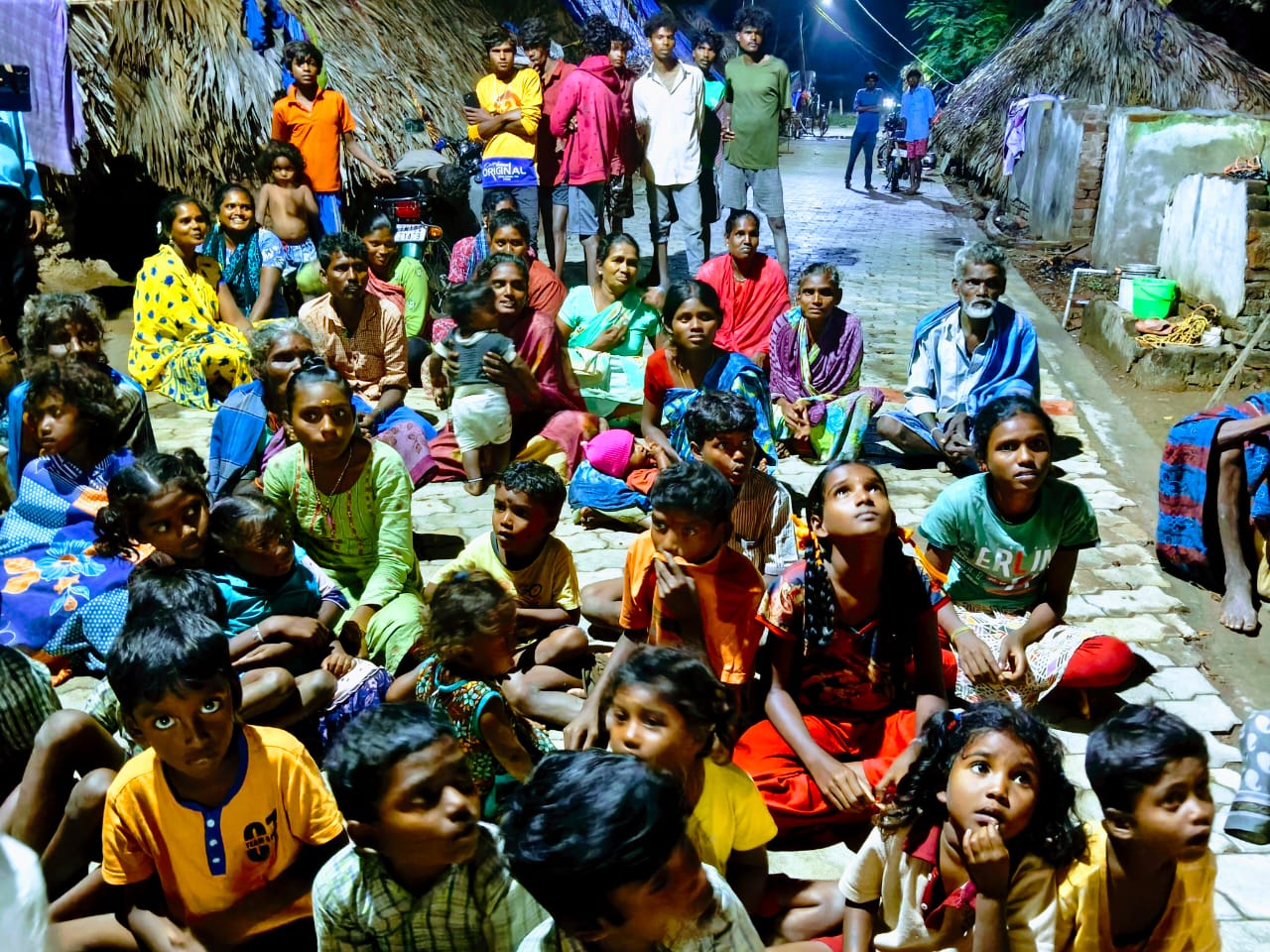
The Irula own neither homes nor land and shelter under tarpaulin. They hunt permitted animals and rats in the fields. Most of their children do not continue their education beyond Grade 8.
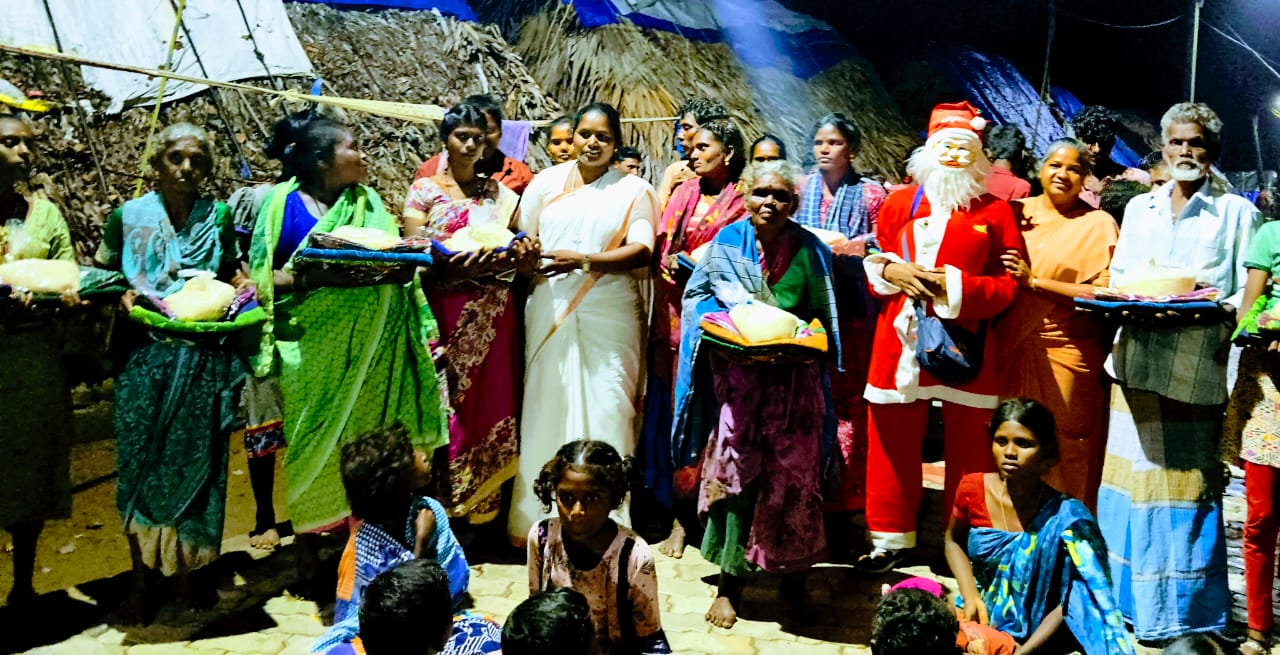
In this corner of Tamil Nadu, Juliyes shares the Christmas spirit by distributing gifts to tribal families living near the town of Acharapakkam.
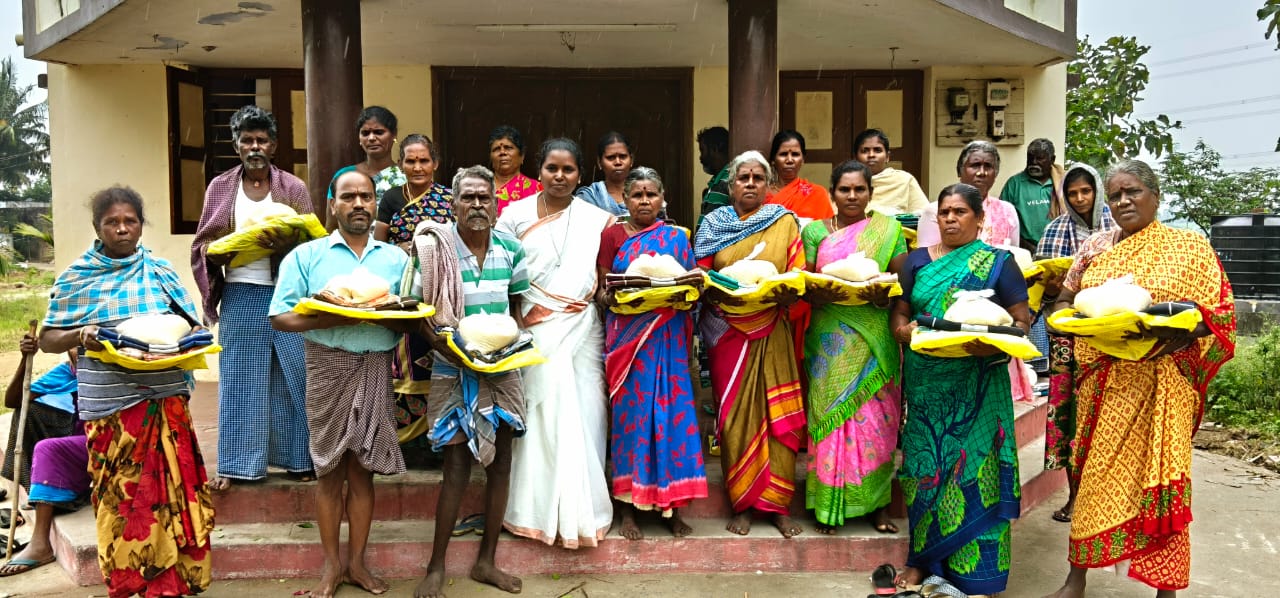
Rice, saris, blankets, children's clothes, and food parcels were handed out to 25 families living in extreme poverty.
Several individual donors and Christian institutions are helping Juliyes run the LEC: Father Benjamin Chinnappan, the Heralds of Good News, the Sisters of Cluny, the Marian Shrine of Acharapakkam. Some of the town’s merchants and restaurateurs contribute by donating money or providing goods at greatly reduced prices so that the poor can benefit, including the Irula.
Juliyes has decided to help the latter so that they can experience the joy of Christmas and understand its meaning.

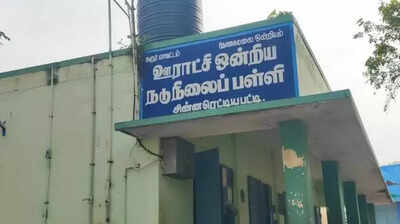
Cook alleges caste discrimina ootion at Karur school


Phounsa’s two books on Dr Ambedkar released

Excelsior.
JAMMU, Dec 20: President of Bharatiya Dalit Sahitya Akademy (BDSA) and former chief secretary of Jammu and Kashmir, BR Kundal, today released two books—English and Hindi editions—authored by noted writer HR Phounsa on the life and legacy of Babasaheb Dr BR Ambedkar.
The books are based on “The Saga of Revolution and Renaissance of Dr BR Ambedkar” and highlight his enduring contribution to social justice and nation-building.
The book release took place during a meeting of the executive and advisory committees of BDSA Jammu and Kashmir, held at the Academy’s headquarters in Roopnagar, Jammu, under the chairmanship of BR Kundal.
At the outset, the committee extended its greetings to RL Bhagat on being conferred the Babu Parmanand Ji Award by BDSA, New Delhi. The members acknowledged his dedicated service and notable contributions towards the upliftment and empowerment of marginalized sections of society.
Following the release of the books, the meeting witnessed detailed deliberations on organizational and administrative matters related to the future activities and effective functioning of the Academy.
Prominent members present on the occasion included Sewa Dass Digra, Mohan Lal Hans, Nagarmal, ML Thappa, Harbans Lal, Laj Ram, Rajesh Angral, RL Bhagat, Jarnail Singh and Dr Rakesh Kumar Atri.
The meeting concluded with a vote of thanks to the chair, acknowledging the leadership’s continued guidance in promoting the ideals and legacy of Dr BR Ambedkar.


Mortuary van unavailable, Adivasi family made to carry baby’s body home in vegetable bag
The incident sparked outrage, prompting the Jharkhand government to announce “corrective measures”

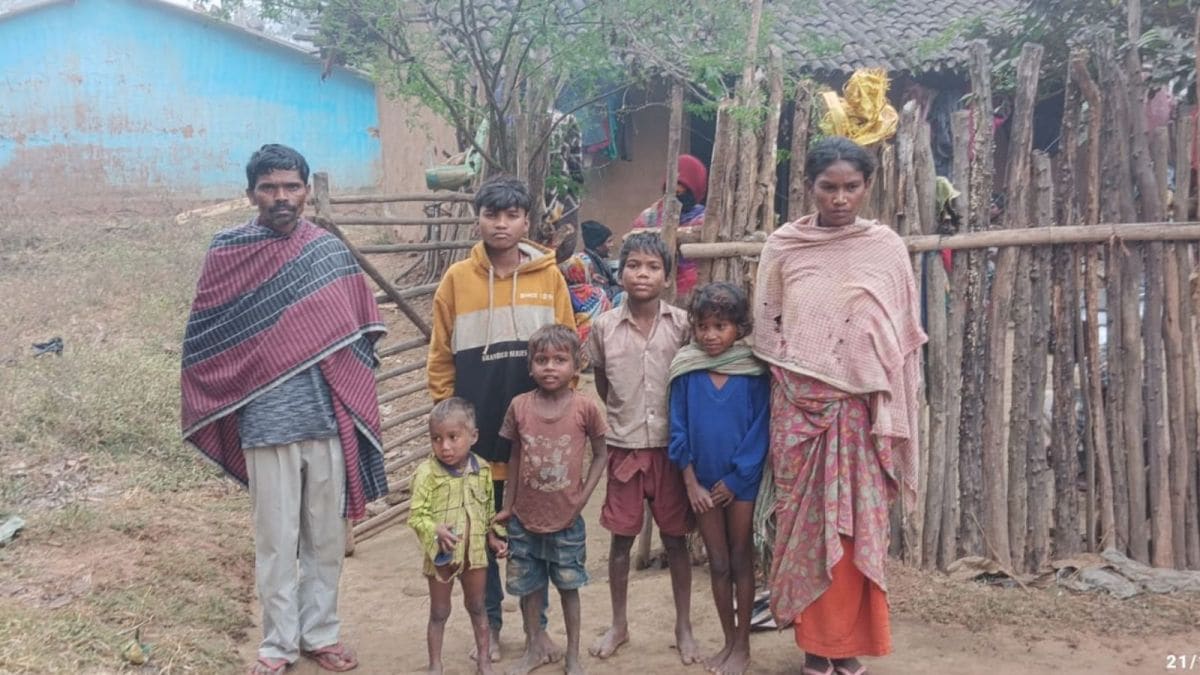 The incident sparked outrage, prompting the state government to announce “corrective measures”. (Express photo)
A vegetable bag. That’s what an Adivasi Ho family from Jharkhand’s West Singhbhum district was forced to use to carry home their deceased four-month-old due to the unavailability of an ambulance.
The incident sparked outrage, prompting the state government to announce “corrective measures”.
Dimba told The Indian Express that earlier this month, when their four-month-old’s body temperature spiked and he stopped eating for five days, local healthcare workers urged the family to take the child to the district hospital and arranged an ambulance.
On December 19, the child died during treatment at the Sadar Hospital. The Indian Express accessed hospital documents that confirmed the death but did not mention the cause.
“The hospital staff then told us that if we tried to carry the body openly, we wouldn’t be allowed on a bus,” Chatomba said.
The staff then allegedly pooled Rs 400 to buy a vegetable bag and the couple’s bus tickets, placed the body in it and told the couple to take him home, about 80 km away.

Dalit News.
Here’s a *comprehensive summary of Dalit-related news on 22 December 2025 — major incidents, social issues, and political coverage affecting Dalit communities in India and nearby regions:
📰 1) Violent caste-based attacks
-
Pregnant woman killed in Karnataka over inter-caste marriage
A 20-year-old woman, Manya Patil / Dhoddamani (six months pregnant), was allegedly beaten to death by her father and relatives for marrying a Dalit man in Hubballi Rural (Dharwad). Her unborn child also died; the couple’s families were injured and the police have made arrests. -
Dalit migrant worker lynched in Kerala
A Dalit migrant worker from Chhattisgarh was allegedly beaten to death by a mob in Walayar, Kerala. His family is demanding strict charges and government compensation.
📢 2) Government & political responses
-
Kerala CM condemns lynching
Kerala’s Chief Minister Pinarayi Vijayan has strongly condemned the mob lynching of the Dalit labourer, ordered an investigation, and vowed strict action against perpetrators. -
Political criticism over Dalit welfare
The Republican Party of India (Athawale) criticised BSP leader Mayawati, saying that Dalit education and health improvements remain inadequate, and also targeted SP’s electoral slogans as hollow promises.
⚖️ 3) Broader Dalit issues & activism
-
Protests and welfare struggles (ongoing)
Recent events include Dalit-linked housing protests in Bengaluru following demolition drives and demands for better pensions and support for devadasis and gravedigger communities (reported in related recent news). -
Nepal event on Dalit representation
In Nepal’s upcoming HoR elections, political party lists must include a proportion of candidates from Dalit and other communities under new PR guidelines — indicating focus on inclusion across borders.
📌 Contextual/background information (relevant ongoing topics)
These are not necessarily 22 Dec headlines but provide important context for Dalit social and policy issues in 2025:
-
Religious conversion & rights debates — Dalit families in Gujarat embraced Buddhism after bureaucratic struggles, highlighting ongoing efforts for religious freedom from caste discrimination.
-
Legal accountability in custodial deaths — In Telangana, the Human Rights Commission has sought a report into the custodial death of a Dalit youth, following a complaint alleging police torture and negligence.
-
Past and persistent caste discrimination — Reports from Tamil Nadu describe Dalit Christians protesting caste-based exclusion in church festivals.

Here are the latest tribal / Adivasi-related news as of 22 December 2025 (and including events continuing into 23–24 Dec where relevant):
📰 1. Tribal Land Rights & Forest Rights Movement (Nagarahole, Karnataka)
- Tribal communities including Jenu Kuruba, Erava, and Paniya in Nagarahole Tiger Reserve are holding gram sabhas demanding recognition and enforcement of forest and land rights under the Forest Rights Act (FRA, 2006).
- They plan a mass gathering on 2 Jan 2026 to press for longstanding claims and the removal of intrusive camera traps they see as violating dignity.
- The protests also mark 20 Dec as “Day of Land Grab in the Name of Tiger Conservation” opposing the reserve’s establishment without their consent.
🗳️ 2. Valsad Tribal Demand on Christmas Celebrations (Gujarat)
- At least 25 tribal villages in Valsad district have demanded that authorities restrict Christmas celebrations only to officially registered Christians, submitting memorandums to the district administration.
- Officials clarified that civil rights to celebrate festivals cannot legally be restricted.
✊ 3. Bandh Called in Chhattisgarh After Violence
- A statewide bandh (shutdown) was called in Chhattisgarh on 24 Dec by groups protesting violence in Amabeda area (Kanker district), alleging attacks on tribal faith and administrative biases in religious-conversion clashes.
📈 4. Tribal Advisory Council Meeting in Odisha
- The Odisha Tribal Advisory Council meeting emphasized eco-tourism development in tribal areas, protections for tribal religious practices, improved education streams in Eklavya schools, and drafting state rules under PESA.
- Plans include an inter‐departmental committee to broaden Scheduled Tribe rights documentation and economic opportunities.
🎉 5. Parab Tribal Festival Highlights
- Parab-2025 in Koraput, Odisha continues with a focus on tribal culture, and featured its first drone show blending tradition and technology — celebrating indigenous heritage.
🧭 Broader Context on Tribal / Adivasi Issues (Relevant to Recent Dec 2025)
(Not necessarily on exactly Dec 22 but shaping current developments)
📌 Tribal Welfare Funds Dispute (Gujarat)
- The Aam Aadmi Party (AAP) alleged the Gujarat government diverted ₹50 crore for VIP events instead of core tribal welfare spending, highlighting gaps in scholarships, health support, and anganwadi payments in Adivasi regions.
🌳 National Tribal Recognition / Celebration Year
- India’s Janjatiya Gaurav Varsh (Year of Tribal Pride) — marking tribal leadership and identity — ran from 15 Nov 2024 to 15 Nov 2025 under broader tribal empowerment strategies.

Buddha News.
Here are the **major Buddha-related news highlights from India on 22 December 2025:
🗞️ 1. Buddhist monks from 26 countries hold prayer event in Bihar
In Muzaffarpur, Bihar, Buddhist monks and nuns from 26 countries gathered at Mahaprajapati Gautami Tila — the site associated with Buddha’s first ordained bhikkhuni’s parinirvana — for a sunrise procession, meditation, prayer and discussion on Buddhist teachings and compassion. The event highlighted inter-national Buddhist unity and honored Mahaprajapati Gautami’s contributions to Buddhism.
📄 2. Memorandum for Buddhist rights and social causes in Sitapur
In Sitapur, Uttar Pradesh, the Bhim Army Bharat Ekta Mission submitted a five-point memorandum to the Sub-Divisional Officer asking for:
- Permission to propagate and support Buddhist teachings,
- Promotion of the Indian Constitution among the public, and
- Action against those attacking Buddhist sentiments.
📸 3. Top national news photos — 22 December
A general “Day in Pics” compilation for December 22, featuring major events across India and the world, was published (which may include visual context for some Buddha-related events).
📌 Contextual Buddhist News (Recent but relevant)
These events are not from 22 Dec but provide broader context on Buddhist heritage & activities involving India:
- India sends Buddha’s sacred relics abroad: India organized exhibition tours of Buddha’s relics in places like Russia’s Kalmykia Republic to strengthen cultural ties and promote Buddhist heritage globally.
- Historic Buddha relic pilgrimage in Vietnam: Sacred relics returned to India after a major month-long pilgrimage across Vietnam that drew millions of devotees.

Employement News.
यहाँ 22 दिसंबर 2025 के Government & PSU रोजगार (Employment News) के प्रमुख अपडेट — भर्ती, नौकरी के अवसर और नियुक्ति-समाचार का संक्षिप्त और ताज़ा सारांश 👇
📢 मुख्य सरकारी भर्ती नोटिफिकेशन (Today’s Updates)
1. UPPSC Recruitment 2025 – 2158 पदों पर भर्ती जारी
• उत्तर प्रदेश लोक सेवा आयोग (UPPSC) ने चिकित्सा अधिकारी, डेंटल सर्जन व अन्य पदों के लिए 2,158 सरकारी पदों की भर्ती नोटिफिकेशन जारी कर दी है — आवेदन ऑनलाइन कर सकते हैं।
2. UP Police Home Guard – 41,424 पदों के लिए Written Exam Date घोषित
• यूपी पुलिस भर्ती बोर्ड (UPPRPB) ने होम गार्ड भर्ती 2025 के लिखित परीक्षा की तिथि घोषित कर दी है — यह बड़ी सरकारी रोजगार अवसर है जिसमें लाखों उम्मीदवार भाग ले सकते हैं।
📌 PSU (Public Sector Undertaking) Job Alert
POWERGRID Recruitment – 48 Company Secretary posts
• POWERGRID (Maharatna PSU) ने 48 Company Secretary (Fixed Tenure/Contract) पदों की भर्ती जारी की है — आवेदन 31 दिसंबर 2025 तक possible है।
📌 Delhi Metro Recruitment (Earlier – still relevant for 2025)
• दिल्ली मेट्रो (DMRC) में रिटायर्ड और अनुभवी उम्मीदवारों के लिए नई वैकेंसी खुली है — वेतन आकर्षक है।
📥 अन्य सरकारी रोजगार/सम्बंधित समाचार
Nationwide Strike Affecting Employment Policies
• प्रमुख मजदूर संघों ने श्रम कानूनों के खिलाफ 12 फ़रवरी 2026 को राष्ट्रव्यापी हड़ताल का ऐलान किया है, जो सरकारी नौकरी और रोजगार नीतियों पर असर डाल सकता है।
Telangana Focus on PSU Land Reclamation
• तेलंगाना सरकार केंद्रीय PSU की अनुपयोगी ज़मीन वापसी पर काम कर रही है — संभवतः परिचालन एवं रोजगार से जुड़ा असर पड़ेगा।
📌 और भी प्रमुख नौकरी-समाचार (Not strictly from 22 Dec but very relevant)
🔹 TNPSC ने 76 पदों पर Combined Technical Services आवेदन शुरू किए (22 Dec-20 Jan 2026) — ये तमिलनाडु सरकारी भर्ती के नए अवसर हैं।
🔹 CBSE Recruitment 2025 में 124 सरकारी पदों के लिए आवेदन 27 दिसंबर 2025 तक बढ़ा दिए गए हैं।
🔹 RPSC के Protection Officer के 12 पदों पर आवेदन 24 दिसंबर 2025 से शुरू होंगे।
📌 Tips for Applicants
✔️ हर भर्ती की अंतिम तिथि और eligibility criteria official notifications में चेक करें।
✔️ आवेदन केवल ऑफिशियल वेबसाइट्स पर करें, और सरकार/PSU notifications को नियमित देखें।
✔️ अगर आप Multiple Govt Job Alerts चाहते हैं, तो प्रतियोगी परीक्षा पोर्टल्स या Employment News बुलेटिन subscribe करें।


Comments
Post a Comment