
24.12.2026.Untouchability News.(News of Dalits,Adivasi,atrocity,buddhist,Dr Ambedkar,Employement,Education details from various sources)by Sivaji.Ayyayiram UTNews.9444917060.


1)
*_MESSAGE  FOR THE YOUTH_*
~••••••••••••••••••••••••••••••••••••~

✨🪼To recognise the uniqueness of my own personality is to be free from negative influence.

*_Expression:_*
 
⚽🖤The one who is aware of one's own uniqueness is able to create a strong influence on others of his own personality. So, such a person is not negatively influenced by anyone's personality traits. Even when there is a person with a very strong personality, he is still able to be free from negative influence.

*_Experience:_*
 
🖤⚽When I am able to recognise and use the specialities that are within me, I am able to remain powerful within. In all circumstances and with all people I experience this innate power. Because I am constantly in touch with my own specialities, I am able to be light and happy.
👆👆👆👆
❄️This message beautifully captures the essence of self-awareness and empowerment ⚽💖. Recognising and embracing our uniqueness is like unlocking a superpower 🪼. It's amazing how being in touch with our strengths can shield us from negative influences and radiate positivity 🙏💫.

The expression and experience shared resonate deeply, highlighting the importance of self-acceptance and inner strength 🌟. By owning our specialities, we become unstoppable and inspire others with our confidence 🌱💪.

How do you cultivate self-awareness and celebrate your uniqueness, or is there a specific practice that helps you stay connected to your inner power? 😊

🖤⚽🖤⚽🖤⚽🖤⚽🖤

2)

_*அவமானமும்,*_ _*அனுபவமும்*_
_*தான் வாழ்க்கையில் மிகச்சிறந்த ஆசான். அவை, கற்றுக் கொடுக்கும் போதனையை எந்த விலையுயர்ந்த புத்தகமும் கற்றுக் கொடுக்காது.*_

_செருப்பு தேயத் தேய_ _உழைத்தாலும்,_ _வாசல் வரை தான்._
_நம்மில் பலர், நம்மில் சிலரை இப்படித் தான் பயன்படுத்துகிறார்கள்._

_*நீங்கள் மற்றவர்களுக்கு எதுவரை தேவை என்பதை அவர்களுடைய சுயநலமும், சூழ்நிலையும் காட்டிக் கொடுக்கும்போது நீங்களும் கொஞ்சம் சுயநலமாய் இருக்கவேண்டிய நிலைக்கு தள்ளப்படுவீர்கள்.*_

_ஒருவரின் மனதில்_ _உங்களுக்கான இடம்_ _அங்கில்லை என்பதை_ _உணரும்போதே_
_விட்டு விலகி_ _விடுங்கள்._ 
_நிராகரிப்பை விட நினைவுகள் சிறந்தது._

_*அது அது*_
_*அது அதுவாய் இருப்பதே...*_
_*தனித்துவத்தின்*_
_*அழகு...*_

 _நீ தனியாகப் போராட_
_பலம் இருந்தால்_ _மட்டும் போதாது_
_அதற்கான மன_ _உறுதியும்_
_உன்னிடம் இருக்க வேண்டும்._
_அப்படி இருந்தால்_
_தான் வெற்றி பெற முடியும்._

themooknayak-en

No Land, No Belonging: Singara Chennai, Dalit Evictions, and the Urgent Call for Reclamation
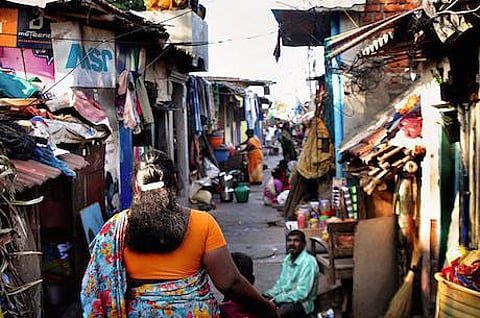
In this city, there is no two tumbler system, no separate cremation grounds for different castes, no separate wells for Dalits. Yet, the native inhabitants of this soil are considered untouchables, unfit to live in the central part of the city.
Symbolic Image
Symbolic ImageSource-OpenDemocracy
Published on: 

— ✍️ Shalin Maria Lawrence

The concept of "home" extends far beyond the materiality of bricks and mortar. It is a nest of emotions, woven and knitted with blood and nerves." When the security of this home is fractured, whether at the micro-level of a single dwelling or the macro-level of a city, it precipitates a crisis of identity and belonging. This is a first-person testimony which examines the multifaceted trauma of displacement in a rapidly modernizing Indian metropolis. I dwell into the personal anguish of leaving a beloved house to the collective grief of our community witnessing the systematic erasure of its cultural and historical landscape. The "beautification" of the city, rather than being a universally celebrated development, is a violent process that displaces the natives of Madras and sanitizes history, raising critical questions about who the city is for and what it means to be a "native" in one's own land.

This article is an autoethnographic testimony from a native Dalit woman. It contends that the "Singara Chennai" beautification project and the city's approach to urban development are contemporary manifestations of a centuries-old casteist project. By juxtaposing the lived experience of cyclical flooding in North Chennai's cheris (Dalit colonies) with the systemic erasure of Tamil-Dalit history, I argue that the state, across political parties, actively produces crises to alienate the native from their city, creating a landscape of what I term modern untouchability.

Historical Continuum: From ‘Black Town’ to ‘Singara Chennai’

Chennai's original name is Perumparaicheri, a tapestry of fishing hamlets, cheris, groves, and wetlands. The city's modern history begins with a act of segregation: the East India Company building its Fort and creating the "Black Town," systematically dividing the native from the colonizer. This was the first great displacement.

Post-independence, this model of segregation was perfected not by a foreign power, but by our own governments in the name of "development." The Dravidian political parties, whose rise to power was built on the "sweat," "blood," and the “fan whistles” of the poor during rallies, have now become the new rulers. They discovered that "everyone are the kings of this nation" only applied to the political class, not to the common people. The city they built with our labour is now being taken from us, piece by prime-location piece.

The Engineered Disaster: Floods as a Political Tool

In North Chennai, rain does not mean poetry or pakoras; it means fear. Our lived reality reveals that floods are not natural but politically orchestrated events.

The Lived Experience of Deluge

From childhood, we are trained in flood management. My mother was our weather department, announcing, "The first step has been reached!" We would spend nights moving certificates, my mother's wedding silk saree, and books to higher shelves. The water that enters our homes is not just rainwater; it is a vile mix of sewage, carrying human waste. We would sit on our beds in the dark, fearing electrocution or snakebites, waiting for dawn. The state's response was perpetually delayed and dehumanizing, offering shelter in crowded community halls with unhygienic food, mostly just overly boiled ,semi solid lemon rice and sambar rice.

The Political Economy of Neglect


The question is not why the cheris flood, but why the state refuses to fix the infrastructure. The answer is a brutal political calculus: by allowing the floods to persist, they make life in the cheris unlivable. When we, exhausted, move out—"Why should we leave the main area?"—our prime-location lands are freed up. These are then gifted to North Indian corporates or Marwari businessmen at the cost of the natives. The government's Housing Board resettlement colonies, like those in Kannagi Nagar or Perumbakkam, are not solutions; they are dumping grounds, often more vulnerable and isolated, leading to starvation and death. This is nothing short of ethnic cleansing.

Modern Untouchability: The Casteist Urban Makeover

The displacement is not only physical but also cultural and economic, creating a pervasive system of modern untouchability.


Shalin Maria (L) in the panel at "Conference on Land and politics " organised by All India forum for women intellect" headed by Dr. P. Sivakami, in March 2025.


The Indian Express logo
Journalism of Courage

Nature of allegations, SC/St Act: Punjab and Haryana HC denies bail to woman accused in Sangrur hooch deaths case

On her part, the woman said she had been falsely implicated on suspicion in the Sangrur hooch deaths case, no recovery had been effected from her, she had been in custody since March 2024, and she was suffering from medical ailments.

Written by Manraj Grewal Sharma 
December 23, 2025 12:58 PM IST
clock_logo
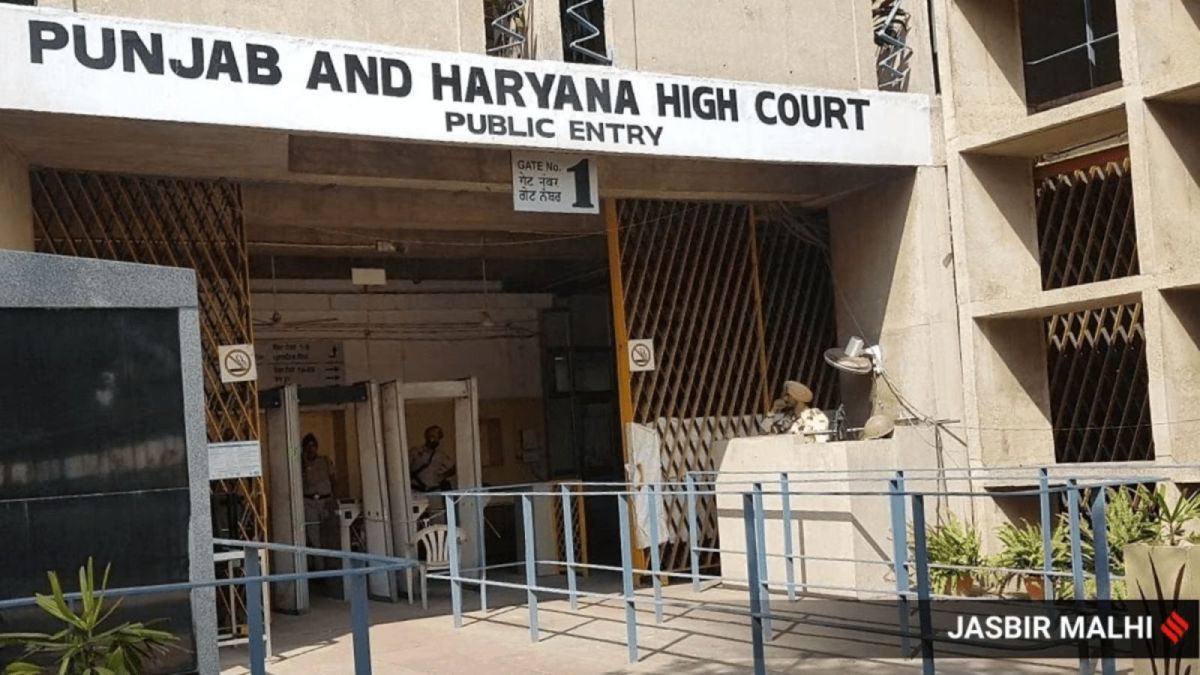
The Punjab and Haryana High CourtThe Punjab and Haryana High Court.

The Punjab and Haryana High Court has dismissed an appeal filed by an accused in the Sangrur spurious liquor deaths case, refusing to grant her regular bail while observing that the allegations against her were grave, and she had played a “significant role in the supply of spurious and poisonous liquor which has caused the death of several innocent persons”.

Justice Manisha Batra dismissed the appeal filed by Soma Kaur under Section 14-A of the Scheduled Castes and Scheduled Tribes (Prevention of Atrocities) Act, 1989, challenging the July 16, 2025, order of the Additional Sessions Judge, Sangrur, who rejected her bail plea.
The Hindu Logo

Councillor, two others, booked for assaulting autorickshaw drivers in Vellore

Initial inquiry revealed that separate autorickshaw stands affiliated to the DMK and the VCK have been operating near the new bus terminus, off Chennai - Bengaluru Highway Road (NH48) near Katpadi bridge for the past few years

Published - December 23, 2025 10:19 pm IST - VELLORE

A DMK councillor of the Vellore Corporation as well as two party functionaries were booked under The Scheduled Castes and the Scheduled Tribes (Prevention of Atrocities) Act, 1989 by Vellore North police for assaulting and making casteist remarks against a group of autorickshaw drivers, who belong to the Scheduled Caste (SC).

Police said that suspects were identified as Shanmugam, councillor for Ward 33 of Vellore Corporation, and DMK party functionaries Sundar Viji and Jaya, who reside in Old Town.

 » Telangana 

Telangana High Court Hears Plea for SC ST Quota in Bar Poll Telangana Vujjini Vamshidhar 24 December 2025 1:52 AM 

A division bench comprising Chief Justice Aparesh Kumar Singh and Justice G.M. Mohiuddin adjourned the matter to December 29 for further hearing.

 Telangana High Court. Hyderabad:The Telangana High Court on Tuesday heard a writ petition seeking reservation for advocates belonging to the Scheduled Castes and Scheduled Tribes communities in the elections to the Bar Council of Telangana scheduled for January 30. A division bench comprising Chief Justice Aparesh Kumar Singh and Justice G.M. Mohiuddin adjourned the matter to December 29 for further hearing. The petition seeking the reservations was filed by Padma Rao Putta, High Court advocate, who urged the court to declare the inaction of the Bar Council of Telangana on his representations as unconstitutional and to set aside the election notification issued on December 20. Also Read - Part Time Job Fraud Tops Cyberabad Crime in 2025 Advertisement Chikkudu Prabhakar, counsel for the petitioner, sought directions to implement SC/ST reservations for the upcoming term and requested a stay on election proceedings pending disposal of the writ petition. According to the petitioner, multiple representations submitted regarding reservation had not been addressed. He pointed out that a petition on a similar issue was disposed of on December 8, with directions to the Bar Council of India to consider his grievances. 

Logo

Thursday, 25

BJP alleges reduction in SC reservation in Jharkhand urban bodies

Former Leader of Opposition Amar Kumar Bauri said the government led by Chief Minister Hemant Soren had moved away from its stated commitment to social justice.

Statesman News Service | Hazaribagh | December 23, 2025 5:51 pm


The Bharatiya Janata Party on Tuesday alleged that the Jharkhand government had reduced Scheduled Caste (SC) reservation in urban local body elections, thereby limiting Dalit representation in civic institutions.

Former Leader of Opposition Amar Kumar Bauri said the government led by Chief Minister Hemant Soren had moved away from its stated commitment to social justice. He alleged that despite repeated concerns raised by the opposition, the condition of the SC community in the state continued to remain unsatisfactory.

Advertisement

Bauri said the seriousness of the issue was evident from the fact that a minister in the government had sought measures in writing to improve the situation of Scheduled Castes. He alleged that long-pending demands to support SC students pursuing higher education abroad had not been addressed and that welfare schemes had failed to adequately cover the SC population, estimated at nearly 50 lakh in Jharkhand.


Referring to urban local body elections being held following court directions, Bauri alleged that reservation for backward classes had been implemented on the basis of voter lists without adequate ground-level assessment, resulting in anomalies and affecting fair representation.

Citing Ranchi Municipal Corporation, he alleged that only two wards had been reserved for the SC category. He further alleged that different norms were being applied across municipal bodies, leading to unequal treatment of the SC community.

The BJP leader said the government was proceeding with election preparations under judicial timelines while overlooking the organised concerns of the SC community. He alleged that reduced Dalit participation in civic bodies was contrary to the spirit of the Constitution.

Bauri demanded transparency in the conduct of municipal elections to ensure equitable representation for all sections. He also alleged that several statutory and constitutional bodies, including the SC Commission, Women’s Commission, Child Commission, and the post of Information Commissioner, were yet to be constituted in the state.

2:27 PM Thursday, 25th
Hyderabad.
In a tradition that looks somewhat strange to modern society, ethnic tribals set a rule restricting outsiders from entering their village wearing footwear for not just a day or two, but entire a month. Those who violate the rule are required to pay a fine of Rs 5,000.

They put up a flex poster stating the norm at their village, Thummuguda in Indervelli mandal on Monday. Their self-mandate has become a talk of the town.

Aboriginal tribals locally known as Adivasis worship their deities in the holy month


Pushya or Poos starting from Tuesday and ending on January 22. As part of their ancient tradition, the tribals observe an austere routine every day. They shun consumption of liquor, smoking, sleep on ground and walk barefoot during this sacred period.

The residents imposed a rule mandating outsiders to duly enter the village by leaving their slippers on the village outskirts. They cautioned that those who flout the norm would have to pay the fine. “Not only locals, but also outsiders must respect the traditions of our village.

TNIE Logo white

India's shameful failure to grieve Dalits killed for love

A casteist society is built on boundaries: who can touch whom, who can eat with whom, and who can marry whom. These boundaries are not just social; they are moral and symbolic.
Killings across states—Tamil Nadu, Telangana, Karnataka, Uttar Pradesh, Punjab and others—follow the same script. A Dalit crosses a forbidden boundary, and a casteist society responds with violence.
Killings across states—Tamil Nadu, Telangana, Karnataka, Uttar Pradesh, Punjab and others—follow the same script. A Dalit crosses a forbidden boundary, and a casteist society responds with violence. File photo| AFP
Updated on: 

In a casteiest society, love is never just love. It is regulated, guarded, and violently enforced. For Dalits, love—especially across caste lines—often becomes a crime punishable by death. The repeated killings of Dalits who have fallen in love are not isolated incidents driven by emotion or family anger. They are structured acts of caste violence, deeply rooted in the belief that Dalit bodies are impure, polluting, and undeserving of intimacy in a society where caste plays a dominant role.

The recent killing of a Dalit youth in Nanded, Maharashtra for being in a relationship with a dominant-caste woman once again exposes how caste continues to operate through the control of bodies, emotions, and desire.

Killings across states—Tamil Nadu, Telangana, Karnataka, Uttar Pradesh, Punjab and others—follow the same script. A Dalit crosses a forbidden boundary, and a casteist society responds with violence.

These killings are not merely "honor killings" or "family matters". They are caste killings, grounded in a long-standing social belief that Dalit bodies are inherently impure and must be disciplined when they challenge caste boundaries through love.

Why such killings are brutal and public

A casteist society is built on boundaries: who can touch whom, who can eat with whom, and who can marry whom. These boundaries are not just social; they are moral and symbolic. Dalits have historically been placed outside the zone of purity. Their bodies are imagined as polluting, excessive, and out of place.

When a Dalit person enters a romantic relationship with someone from a dominant caste, a casteist society sees this as a violation of its moral order. Violence then becomes a means of re-establishing order.

This explains why such killings are often brutal and public. They are not only meant to punish the individual but also to send a warning to the entire community: certain boundaries are not meant to be crossed.

The killing in Nanded reflects this logic. It was not spontaneous rage. It was a calculated act to erase what caste society perceived as contamination.

A silent approval that is disturbing

Dominant-caste families treat their lineage, homes as sacred spaces. Dalits are placed on the opposite end, as profane, defiling, and dangerous. When a Dalit man loves a dominant-caste person, a casteist society does not see two consenting adults. It sees sacrilege.

This is why caste killings often receive silent approval from families, neighbors, and sometimes even local institutions. The act of violence is normalised as "necessary", "unfortunate", or "provoked".

The Dalit body, already marked as profane, is considered expendable. The idea that Dalit bodies are impure is not natural; it is socially produced through repetition. Every act of exclusion, surveillance, humiliation, and punishment reinforces this fiction.

From childhood, Dalits learn that they are watched more closely, judged more harshly, and disciplined more violently. Love becomes dangerous not because of emotion, but because a casteist society has trained itself to view Dalit desire as out of place. When violence follows, society asks not whether the killing was wrong, but why the Dalit crossed the line.

The lack of grief

One of the most disturbing aspects of caste killings is how quickly they disappear from public memory. Media coverage is brief. Public outrage is limited. Legal processes move slowly. The deaths of Dalits rarely become national moral crises.

This is because a casteist society does not treat Dalit lives as valuable. Their deaths are not seen as losses that demand collective mourning. They are reduced to statistics, local news, or unfortunate incidents. When a Dalit is killed for loving, the focus often shifts to "family honor", "social pressure", or "cultural conflict". The victim's humanity disappears.

This lack of grief is itself a form of violence. It confirms that Dalit lives are considered less worthy of protection, remembrance, and justice.

Caste survives through strict control over marriage and sexuality. The regulation of women's choices is central to maintaining caste boundaries. A casteist society treats women as carriers of caste purity, and any deviation is seen as a threat to lineage and status. Dalits, in this framework, are imagined as the ultimate danger, not because of who they are, but because of what their presence represents.

A relationship between a Dalit and a dominant caste threatens the hereditary transmission of caste privilege. This is why the violence is often directed more harshly at the Dalit partner. Killing the Dalit becomes a way to restore caste order while controlling women through fear and surveillance.

Dalit bodies are not only seen as impure; they are also seen as criminal. Dalit desire is portrayed as aggressive, illegitimate, and predatory. This stereotype allows caste society to justify violence as self-defense or moral protection. Police responses often reflect this bias. Complaints are delayed. Cases are diluted. Atrocity laws are underused. The system implicitly agrees with the idea that the Dalit body provoked its death.

This criminalisation is not accidental. It is a structural feature of caste society, designed to keep Dalits within prescribed limits.

Cases that reveal the pattern

Across India, the killings of Dalits for loving across caste follow a disturbingly familiar pattern, revealing how caste power operates through surveillance, discipline, and exemplary punishment.

In Nanded, the Dalit youth was murdered for being in a relationship with a dominant-caste woman, not because the relationship harmed anyone, but because it escaped the watchful control of caste society. His death functioned as a warning, a public lesson in what happens when Dalits refuse to remain within prescribed limits.

Similar violence has unfolded in Tamil Nadu, where Dalit men have been hacked to death in public spaces after inter-caste marriages, their bodies displayed as proof that caste boundaries are enforced not just socially but physically.

In Telangana, the killing of a Dalit groom through a planned contract murder showed how caste power does not act impulsively; it calculates, plans, and eliminates threats to its order with chilling precision.

In Karnataka, Dalit youth have been murdered for relationships that dominant castes interpreted as defiance rather than affection.

In Punjab, the killing of popular Dalit singer Amar Singh Chamkila, intensified by resentment over his marriage outside caste, revealed how Dalit assertion, cultural, emotional, or intimate, invites violent correction.

Violence here is not excess; it is governance.

When a Dalit steps outside the role assigned to them by the casteist society, punishment follows swiftly, not only to eliminate the individual but also to produce fear in others.

This is how caste maintains order: by turning Dalits into examples. The killing of Dalits for love is not a reaction; it is a method of social control that ensures obedience through terror.

Breaking the myth of purity

The myth of purity that sustains caste is written in blood. It survives by marking some bodies as sacred and others as disposable, by deciding whose touch is acceptable and whose presence must be erased.

This idea of purity is not innocent or spiritual; it is violent at its core. It justifies exclusion, legitimises humiliation, and ultimately sanctions murder. Under its logic, the killing of Dalits for loving across caste is not seen as a crime but as a corrective act, a way of restoring a social order imagined to be under threat.

Purity functions as a moral shield behind which brutality hides. It transforms hatred into duty and cruelty into responsibility. When a casteist society speaks of purity, it is not defending values but defending hierarchy. The language of purity allows perpetrators to see themselves as protectors rather than killers, while institutions often mirror this logic by softening violence into cultural explanations.

In this process, Dalit bodies are stripped of humanity and reduced to symbols of pollution that must be removed for society to feel clean again.

Breaking this myth is essential, because purity is neither natural nor eternal; it is maintained through fear, repetition, and bloodshed. The moment Dalits assert dignity, desire, and equality, the myth begins to crack. Every act of Dalit love exposes the lie at the heart of caste: that hierarchy is sacred.

There is nothing sacred about a system that requires death to preserve itself. What truly pollutes society is not Dalit presence, but the continued acceptance of a social order that murders in the name of purity.

Dalits are not impure.

Dalit love is not a crime.

What is truly polluting is a social order that kills people for choosing whom to love. Caste may police bodies, silence deaths, and delay justice. But it cannot erase the human longing to belong, to love, and to live with dignity.

That longing continues to unsettle the casteist society—quietly, persistently, and dangerously.

(Akhilesh Kumar is an Ambedkarite activist and a PhD scholar at Jamia Millia Islamia, New Delhi, at the Centre for Dalit and Minorities Studies.)

brand-menu-logo-img
Home / Jalandhar / Arrest those using objectionable language against Ambedkar on Facebook, demand Dalit leaders

Arrest those using objectionable language against Ambedkar on Facebook, demand Dalit leaders

Memorandum submitted to DSP in the name of SP Phagwara

article_Author
phagwara, Updated At : 04:35 AM Dec 23, 2025 IST
  • twitter
featured-imgfeatured-img
SC leaders submit a memorandum to Phagwara DSP on Monday.
Advertisement

Demanding strict legal action against individuals allegedly using objectionable and derogatory language against Baba Saheb Dr BR Ambedkar on social media, members of Ambedkar Sena Mool Niwasi submitted a memorandum addressed to the Superintendent of Police (SP), Phagwara, to Deputy Superintendent of Police (DSP) Bharat Bhushan here on Sunday.


The memorandum was submitted under the directions of Punjab president Harbhajan Suman and under the joint leadership of Doaba president Balwinder Bodh, district president Dharamveer Bodh and rural president Manjeet Mann. Members of the Bhagwan Valmiki Action Committee were also present on the occasion.


Addressing the media, the Dalit leaders said through the memorandum, Ambedkar Sena Mool Niwasi and Bhagwan Valmiki Action Committee had urged the Phagwara SP to immediately register an FIR and arrest persons allegedly responsible for repeatedly posting derogatory and offensive content against Baba Saheb Dr BR Ambedkar on Facebook.


They alleged that objectionable language was being used against Dr Ambedkar from Facebook IDs named Dinesh Singh and Nanak Singh Bhatti Rajput. They said posts were uploaded by tampering with Dr Ambedkar’s photograph. The leaders said such acts deeply hurt the sentiments of Baba Saheb’s followers and were a deliberate attempt to insult and provoke the Scheduled Caste community.

They said, “Baba Saheb Dr BR Ambedkar is the architect of the Indian Constitution, a messiah of millions of Dalits across the country and abroad, and a pioneer of women’s emancipation. Insulting him on social media is not only condemnable, but also against the spirit of the Constitution, which does not grant anyone the right to use abusive language against any india.


The leaders informed that contact numbers linked with both social media IDs were submitted to the police. They pointed out that one of the accused had allegedly uploaded a morphed photograph of Dr Ambedkar on Facebook, calling it an intolerable act.

They warned that if strict legal action was not taken against anti-social elements involved in such acts, a strong agitation would be launched, for which responsibility would lie on the government and the administration.

Among those present on the occasion were Dharamveer Sethi, Ajay Mool Niwasi, Vicky Ghai, Mani Ambedkari, Davinder Deep, Raj Ambedkari, Ajaib Singh, Kulwinder Bhularai, Jatinder Basant Nagar, Dheeraj Basra and Bunty Morowalia among others.

Dalit news.

Here are the **latest Dalit-related news and atrocity reports from India around 24 December 2025, including verified incidents and political responses:

🔥 Major News & Atrocity Coverage

1. Dalit professor suspension controversy → student outrage
Students have protested the suspension of a Dalit professor at Jamia Millia Islamia, claiming the action is discriminatory and linked to her identity. A signature campaign is underway to challenge the decision.

2. Judicial outcome in historical Dalit murder case
Three individuals received life sentences for murdering a Dalit farmer in Thoothukudi, Tamil Nadu. The killing was connected to caste-related tension after the farmer refused to withdraw a legal complaint.

3. Memory of lynching inspires solidarity work
In Kerala, activist Abdul Jabbar is supporting the family of a lynched Dalit man (Walayar mob lynching) — a case that still resonates in wider human-rights conversations.

4. Recent lynching of Dalit labourer in Kerala
A Dalit daily-wage labourer from Chhattisgarh was lynched in Palakkad district (Walayar), allegedly due to suspicion of being a Bangladeshi. The state government promised support and compensation to the family.

5. Probe ordered into custodial death of a Dalit man
The Telangana Human Rights Commission has ordered an investigation into the custodial death of a Dalit man, following allegations of illegal detention, torture and medical neglect while in police custody.

🏛️ Political & Broader Context

6. UP CM speaks on Dalit murder abroad
Uttar Pradesh Chief Minister Yogi Adityanath criticized the opposition in the state Assembly, urging condemnation of the murder of a Dalit Hindu youth in Bangladesh and accusing rivals of selective outrage.


🧾 Related Reports & Background

While not all strictly from the 24 Dec 2025 timeframe, these ongoing issues provide context on caste violence and discrimination:

  • Caste violence and mob politics in Kerala — probe teams formed and political blame games continue following a Dalit lynching.

Tribal,adivasi news.

Here’s a *comprehensive roundup of tribal / Adivasi-related news around 24 December 2025 from reliable sources — covering protests, policy changes, community achievements, and ongoing issues affecting indigenous groups in India:

🗞️ Major Political & Policy Developments

• Jharkhand’s PESA rules approved — celebrated by tribal communities
Tribal groups in Jharkhand welcomed the state cabinet’s approval of the Panchayat (Extension to Scheduled Areas) Act (PESA) rules. The move empowers gram sabhas (village councils) in Scheduled Areas with greater control over local natural resources, governance, and consent rights over land acquisition — long-standing demands of tribal activists.

• Electrification boosts quality of life in tribal hamlets
Remote tribal villages in south Assam have been electrified after years without power, improving access to education, healthcare, and economic opportunities.

🧑‍⚖️ Social Justice & Rights Issues

• Assault and caste abuse FIR in Assam
An Adivasi man in Jorhat (Assam) filed an FIR alleging assault and caste-based abuse by a government employee. A Tea Tribe organization has warned of protests if authorities do not take swift action.

• Tribal youth assaulted in Kerala; family demands harsher charges
In Palakkad (Kerala), a tribal youth was severely assaulted allegedly by a local dealer. The family is demanding stronger legal action under the SC/ST (Prevention of Atrocities) Act.

• Forest rights mobilization in Karnataka’s Nagarahole
Tribal communities including Jenu Kuruba, Erava, and Paniya groups held gram sabhas inside Nagarahole Tiger Reserve, pressing for delayed Forest Rights Act entitlements and removal of invasive camera traps seen as infringing on tribal dignity.

📍 Regional Conflicts & Protests

• Continued tensions over land and rights in Assam’s Karbi Anglong
Protests in West Karbi Anglong (Assam) over alleged illegal non-tribal settlements led to violent clashes with police — resulting in deaths, injuries to security personnel, and a mobile internet suspension by authorities. This reflects deep anxieties over land rights and constitutional protections under the Sixth Schedule.

🌟 Community Achievements & Welfare

• Tribal weightlifter receives national honour
Jyoshna Sabar, a tribal weightlifter from Odisha, was awarded India’s highest civilian honour for children — celebrating her sporting excellence and inspiring many in underrepresented communities.

📰 Other Relevant Tribal News Around This Date

  • Odisha Tribal Advisory Council meeting: Odisha CM chaired a session focusing on eco-tourism development, educational expansion, and cultural preservation in tribal areas.
  • PESA implementation hailed in Jharkhand: Tribal leaders praised enhanced self-governance measures.
  • Statewide bandh in Chhattisgarh: Tribal and civil society organizations called a general strike over violence in Amabeda region and concerns over tribal faith and administrative bias.
  • AASU calls to protect indigenous land rights: The All Assam Students’ Union urged the state CM to safeguard indigenous land rights in West Karbi Anglong.

Buddhist news.


Here are the major Buddhist-related news highlights from 24 December 2025:

🕯️ Key Religious & Community Events

  • Dalai Lama at Drepung Monastery: His Holiness the Dalai Lama participated in a Long Life Prayer Offering and an enthronement ceremony at Drepung Monastery in Mundgod, Karnataka today, drawing monks and devotees together for prayer and ritual.
  • Mozambique Buddhist Charity Relief: A Buddhist charity in Mozambique donated 80 tonnes of rice, 30,000 clothing items, and 9,000 pairs of shoes to victims of rebel attacks in the Nampula province — emphasizing humanitarian engagement by Buddhist organizations.
  • Teachings on Buddha’s Message: In Shravasti, India, Buddhist monk Devanand spoke about Gautama Buddha’s teaching on always speaking the truth during a gathering of Thai Buddhist followers at the sacred site.
  • Buddha Stories Inspire Locals: A storytelling event in Badaun (Uttar Pradesh) featured the Angulimala story — a powerful Buddhist tale of transformation and compassion — which drew emotional responses from attendees.

🛕 Buddhist Cultural & Tourism Updates

  • Dragon Palace Temple Status: The Dragon Palace Temple near Nagpur, an international Buddhist site known for its Japanese architectural style and meditation spaces, has been officially designated a ‘B-grade tourist destination’ — expected to boost pilgrim and tourist visits.
  • Interfaith Harmony Message: In Myanmar, reports highlighted peace and harmony among Buddhist, Christian, Hindu, Muslim, and other communities, underscoring ongoing efforts for inter-religious coexistence.

🧘 Ongoing Buddhist Practices & Celebrations (Context)

In addition to specific news on the 24th, Buddhist communities worldwide are closing out the year with reflection, meditation gatherings, and teachings. Some Buddhist centers are hosting end-of-year courses and sangha (community) events to cultivate peace and mindfulness as 2025 ends.

Employement News.

Here are the latest Govt / PSU employment updates (as of 24 Dec 2025) with key eligibility info and where to apply:


🔥 1) Bank of India (BOI) Apprentice Recruitment 2025

📅 Registration started: 25 Dec 2025
📍 Vacancies: 400 Apprentice posts
📜 Eligibility:
• Typically 12th pass / Graduate (check official notification)
📝 Selection: Written test/interview details in official notice.
🔗 Apply: Visit https://www.bankofindia.bank/in/career/latestopenings and find “Apprentice Recruitment 2025”.


📌 2) PSSSB Group-D Recruitment 2025 (Punjab)

📅 Application deadline extended — Apply soon.
📍 Vacancies: 406 Group-D posts
📜 Eligibility:
Matriculation (10th pass) minimum.
🔗 Apply: Go to https://sssb.punjab.gov.in and check “Group-D Recruitment 2025” notification.


🧑‍⚕️ 3) AIIMS Patna Senior Resident Vacancy 2025

📍 Vacancies: ~117 posts in 28 departments
📜 Eligibility:
Medical degree (MBBS/PG – varies per department).
🔗 Apply: Check official notification on https://aiimspatna.edu.in → Career / Recruitment.


💼 4) Ministry of Finance – Young Professionals & Consultants

📅 Last dates approaching (Apply ASAP).
📜 Eligibility:
• Relevant Graduate / Postgraduate + domain experience (varies).
🔗 Apply: Visit https://finmin.nic.in → Recruitment/Jobs or official notification page.


⚡ 5) MPPKVVCL Recruitment 2025

📍 Vacancies: 4009 posts (JE, AE & other roles)
📜 Eligibility:
Engineering Diploma/B.Tech for Technical posts; other posts vary.
🔗 Apply: Notification & Apply link on https://www.mppkvvcl.org.


📌 6) AIIMS CRE 2025 (Group B & C Posts)

📍 Total Vacancies: 1383 (Admin/Technical/Medical Support)
📜 Status: Applications have closed; exam may be 22–24 Dec 2025.


📌 Additional Govt & PSU Jobs Lists (ongoing/upcoming)

Here are aggregated sources listing many active jobs across categories:

📋 Latest Govt & PSU Jobs Aggregators

  • ⭐ 85,000+ Govt jobs across India (Central, State, PSU) — includes eligibility & apply links. 👉 allgovernmentjobs.in/latest-government-jobs
  • 📌 PSU jobs openings (~1839 vacancies) — 10th/12th/Degree level posts. 👉 govtjobguru.in/govt-jobs-in-psu
  • 📍 12th‐pass Govt jobs listings with apply links. 👉 freejobalert.com/search-jobs/12th-pass-government-jobs

These portals regularly update links and eligibility details.


🧑‍🎓 Typical Eligibility Rules (General Govt/PSU jobs)

Age: Usually 18–35 years (varies by post/department).
Education: Ranges from 10th / 12th / Diploma / Graduate / PG depending on role.
PSU Jobs via GATE: Engineers require valid GATE score for many technical posts (cutoffs & details vary).


📌 Tips for Applying

  1. Check official notification first — eligibility, fees, age relaxation, etc.
  2. Apply before deadline — many close within Dec-Jan.
  3. Use official career portal links (avoid unofficial sites).


Comments

Popular posts from this blog

19.01.2025...Untouchablity News.....अछूत समाचार.தீண்டாமை செய்திகள்.by Team சிவாஜி. शिवाजी .Shivaji.asivaji1962@gmail.com.9444917060.

Massacre on UNTOUCHABLES by Caste Hindus.unforgettable in life..Series..1.

How SC.ST MPs elected in General Seats in all India ?