10.01.2026.Untouchability News.(News of Dalits,Adivasi,atrocity,buddhist,Dr Ambedkar,Employement,Education news details from various sources)by Sivaji.Ayyayiram UTNews.9444917060.


๐ŸŒŽ๐ŸŒŸ๐ŸŒŽ๐ŸŒŸ๐ŸŒŽ

*_MESSAGE  FOR THE YOUNGSTERS_*
~____________________~

๐Ÿ‚✨Positive thoughts heal even the disease of the body.

*_Thought to ponder:_*

๐ŸŒŽ๐ŸŒŸWhen I am ill, it is very easy for the mind to become ill too. I tend to have negative thoughts and suffer. These negative thoughts don't restrict themselves to that particular part of the body, but is carried forward to the entire body and the mind too. The mind which has to be the healer, becomes a victim and hence weak. At such times, it is important that my mind is strong creating a positive influence on the body.

*_Point to practice:_*
 
๐ŸŒŽ๐ŸŒŸToday I will not think about my illness. When the thought does come, I will make sure I give vibrations of power and peace to that part, so that I will help it to heal. I will do everything for it to heal rather than damaging it further by having negative thoughts about it.

๐ŸŒŽ๐ŸŒŸ๐ŸŒŸ๐ŸŒŽ ๐ŸŒŸ๐ŸŒŸ๐ŸŒŽ


On January 10, 2026, Dalit and Scheduled Caste issues in India were dominated by a tragic incident in Uttar Pradesh that sparked nationwide political debate, alongside significant national policy updates regarding reservation sub-quotas and religious conversion status.
State-Wise Highlights
| State | Key News Events (January 10, 2026) |
|---|---|

| Uttar Pradesh |

 Meerut Murder-Abduction: A 50-year-old Dalit woman was murdered in Kapsad village while trying to save her daughter from abductors. The daughter was later rescued in Haridwar. The incident triggered massive protests and a political "slugfest" involving the BSP, SP, and Congress. |

| Tamil Nadu |

Tirunelveli School Assault: Four youngsters were booked under the SC/ST Act for attacking Dalit students outside a government school. In Trichy, a man was sentenced to life imprisonment for the abduction and rape of a Dalit minor. |

| Rajasthan | 

Atrocity Reports: High-level reports indicated Rajasthan remains among the top three states for cases of atrocities against Dalits. Recent incidents include a family converting to Buddhism after facing persistent caste-based harassment. |

| Madhya Pradesh |

 Caste Barriers: News emerged of a Dalit family being denied access to a cremation platform, leading to three arrests. The state remains a high-focus area for SC/ST protection cells due to rising atrocity rates. |

| Haryana |

 Reservation Reform: Discussions continued following Haryana becoming the first state to implement Dalit sub-quotas, a move aimed at prioritizing the most "backward" among Scheduled Castes. |
National Policy & Legal Updates
 * SC Status for Converted Communities: The Central Government extended the tenure of the commission examining whether Dalit converts to Islam or Christianity should receive SC status. The new deadline for the report is April 10, 2026.

 * Atrocity Statistics:

 National data released this week shows that Uttar Pradesh, Rajasthan, and Madhya Pradesh continue to account for the highest volume of crimes against Scheduled Castes, making up a significant portion of the nearly 50,000 cases registered annually.

 * Sub-Classification Mandate: 

Following a Supreme Court ruling, states are being urged to use empirical data to identify the "creamy layer" within SCs to ensure reservation benefits reach the most marginalized first-generation learners.

Political Context

 * Mayawati (BSP):

 Strongly condemned the Meerut incident, calling it "shameful" and demanding immediate state intervention for women's safety.
 * Chandrashekhar Azad (ASP): Was reportedly detained by police while attempting to visit the victim's family in Meerut, highlighting ongoing friction between Dalit activists and state law enforcement.
> Note: The "Prevention of Atrocities Act" remains the primary legal tool being invoked in these cases, with several states now establishing Special Courts to expedite trials.
As of January 10–11, 2026, the landscape for Scheduled Tribes (ST) in India is marked by significant legislative shifts in Assam and judicial clarifications regarding reservation rights.
Here is the state-wise breakdown of the most recent and relevant news concerning Scheduled Tribes:

Assam: The ST Status Debate

The most active news comes from Assam, where the state government’s move to expand the ST list is meeting fierce resistance from existing tribal groups.
 * Interim Report Tabled: On January 10, 2026, the Group of Ministers (GoM) tabled an interim report in the State Assembly recommending ST status for six major communities: Tai Ahom, Chutia, Moran, Matak, Koch-Rajbongshi, and the Tea Tribes.
 * Proposed Three-Tier Classification: The GoM suggested a new structure to protect existing tribes:
   * ST (Valley): For Ahoms, Chutia, Tea Tribes, and Koch-Rajbongshi (excluding Goalpara).
   * ST (Plains): For Moran, Matak, and Koch-Rajbongshi from Goalpara.
   * ST (Hills): To remain for existing hill tribes.
 * Opposition from CCTOA: The Coordination Committee of Tribal Organisations of Assam (CCTOA) formally rejected this on January 10, calling it "unconstitutional." They argue that most of these communities are already part of the mainstream social fabric and do not meet the "primitive traits" criteria set by the 1965 Lokur Committee.


Karnataka: Atrocity Prevention & Budget Demands
 * Legislative Visit to Dharwad: On January 10, 2026, the SC/ST Welfare Committee of the State Legislature, led by Chairman A.R. Krishnamurthy, visited Inam Veerapur village. They were investigating an "honour killing" incident involving a tribal victim. The committee directed officials to ensure stringent punishment and provide immediate rehabilitation.
 * Pre-Budget Demands: Tribal organizations in Mysuru (January 11, 2026) have urged the Chief Minister to include special schemes in the upcoming budget, specifically:
   * Rehabilitation for 3,418 Adivasi families as per High Court orders.
   * Creation of an Adivasi Development Board.
   * Declaring 1,500 haadis (tribal settlements) as Fifth Schedule Areas.
National: Legal & Policy Updates.

 * Supreme Court Ruling on Merit: A landmark ruling (confirmed Jan 2026) clarified that ST candidates who secure marks higher than the general category cutoff are entitled to "Open/General" seats. This ensures that reservation acts as a floor, not a ceiling, for talented tribal youth.
 * PM Janjatiya Unnat Gram Abhiyan: This massive scheme (budgeted at approximately ₹79,000 crores) is entering its peak implementation phase in early 2026. It aims to develop over 63,000 tribal-majority villages across 549 districts, focusing on infrastructure and livelihood.

 * NCST 22nd Foundation Day: 

The National Commission for Scheduled Tribes (NCST) is marking its 22nd year as a constitutional watchdog, emphasizing its role in monitoring land alienation and the transfer of tribal land to non-tribals.
Summary of Tribal Population Distribution (Census Reference)
| State | Key Current Tribal Focus | Status Change |
|---|---|---|

| Assam | Tai Ahom, Tea Tribes | Reclassification pending Assembly approval |

| Karnataka | Betta-Kuruba, Kadu Kuruba | Demanding Fifth Schedule status for haadis |
๐ŸŽ†๐ŸŽ†๐ŸŽ†๐ŸŽ†๐ŸŽ†๐ŸŽ†๐ŸŽ†๐ŸŽ†๐ŸŽ†๐ŸŽ†๐ŸŽ†๐ŸŽ†๐ŸŽ†๐ŸŽ†๐ŸŽ†๐ŸŽ†
What is 1965 Lokur Committee?
☸️☸️☸️☸️☸️☸️☸️☸️

What were the five criteria Lokur Committee set for ST identification?
......

The Lokur Committee of 1965 outlined five specific criteria for identifying communities as Scheduled Tribes (ST) in India. These guidelines, still used by the Registrar General of India, emphasize traits distinguishing tribes from the general population.[1][4]

## The Five Criteria

- **Primitive traits**:

 Characteristics linked to pre-agricultural levels, such as traditional livelihoods or social structures.

- **Distinctive culture**: 

Unique customs, language, rituals, or ways of life setting the community apart.[1][3]

- **Geographical isolation**:

 Habitation in remote, hilly, or forested areas away from mainstream society.[4][9]

- **Shyness of contact with the community at large**: 

Reluctance or historical avoidance of interaction with non-tribal groups.

- **Backwardness**:

 Socio-economic and educational underdevelopment relative to the broader population.[5][1]

Citations:
[1] Lokur Committee: Criteria for Scheduling of Tribes https://vajiramandravi.com/current-affairs/lokur-committee-criteria-for-scheduling-of-tribes/
[2] Concept and Limitations of Scheduled Tribe (ST) Criteria https://www.dalvoy.com/en/upsc/mains/previous-years/2025/anthropology-paper-ii/concept-limitations-scheduled-tribe-criteria
[3] Lokur Commission https://believersias.com/lokur-commission/
[4] Which committee, established in 1965, outlined the five key ... https://testbook.com/question-answer/which-committee-established-in-1965-outlined-the--691716bebcd901dc2a4b30a8
[5] National Commission for Scheduled Tribes https://www.drishtiias.com/daily-news-analysis/national-commission-for-scheduled-tribes
[6] เคฒोเค•ुเคฐ เคธเคฎिเคคि 1965 । เค…เคจुเคธूเคšिเคค เคœเคจเคœाเคคिเคฏों (ST) เค•ी เคชเคนเคšाเคจ เค•े 5 เคฎाเคจเคฆंเคก। #JPSC #UPSC #scheduletribes #news https://www.youtube.com/watch?v=gJx2gLeUb3k
[7] Lokur Committee Report https://socialjustice.gov.in/public/ckeditor/upload/11301676262859.pdf
[8] ST recognition in India, process rooted in constitutional ... https://www.facebook.com/karbianglongToday/posts/st-recognition-in-india-process-rooted-in-constitutional-notification-guided-by-/1264065099072245/
[9] ST Status in India: Process & Criteria: UPSC Current Affairs https://www.iasgyan.in/daily-current-affairs/scheduled-tribest-status-process-criteria-challenges-way-forward
[10] Lokur Committee was aimed at - ForumIAS Blog https://forumias.com/blog/question/lokur-committee-was-aimed-at/


Here’s a focused summary of Indian Buddhist-related news between 7 – 10 January 2026:

๐Ÿ›• 1. Buddhist Heritage & Relic Exhibitions in India

Grand exposition of sacred Piprahwa Buddhist relics in Delhi

  • An international exhibition showcasing the sacred Piprahwa relics of Lord Buddha was inaugurated in New Delhi by Prime Minister Narendra Modi.
  • These relics, repatriated after being abroad for over a century, include gem relics and other artifacts linked to the historical Buddha. The event drew historians, scholars, and devotional visitors from across India and abroad — underlining renewed emphasis on India’s Buddhist heritage.

Context on India’s efforts toward Buddhist heritage

  • The exhibition and return of relics represent India’s effort to champion global Buddhist heritage and preserve ancient artifacts originally excavated on Indian soil.

๐Ÿ“… 2. Upcoming Major Buddhist Conference

International Buddhist Conference (Odisha) starting 11 January

  • Preparatory coverage on Jan 10 highlighted the International Buddhist Conference and Guru Padmasambhava Prayer Meeting planned for 11–16 Jan 2026 in Odisha’s Diamond Triangle (Ratnagiri-Udayagiri-Lalitgiri).
  • This event will bring together Buddhist scholars, gurus and devotees, focusing on Buddhist teachings, history, and development of Buddhist pilgrimage tourism in the region.

๐Ÿง˜‍♂️ 3. Local Buddhist Activities

Tibetan monks worship at Nandan Ghar Stupa (Bihar)

  • On 9 Jan 2026, Tibetan Buddhist monks participated in a worship ceremony at the Nandan Ghar Stupa, performing rituals and involving local families, emphasizing ongoing devotional activities and cultural exchange in Buddhist communities.

๐Ÿงญ Summary of Trends

Heritage & Culture: India is amplifying its role as a custodian of Buddhist relics and heritage, with high-profile exhibitions and cultural diplomacy through returning sacred artifacts.
Conferences & Pilgrimage: Major Buddhist academic and cultural gatherings are imminent, bolstering Odisha’s Diamond Triangle as a key Buddhist tourism destination.
Community Rituals: Buddhist teachings and rituals continue at local levels (e.g., Bihar), indicating active religious life beyond headline events.


GUJARATI_Light_icon

Dalit youth alleges caste abuse, assault, scooter torched by mob in Chandkheda

Updated: Jan 9th, 2026

Google News

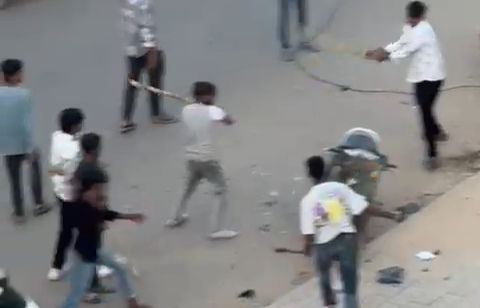
A 22-year-old Scheduled Caste youth has filed a complaint with the police alleging that he and his friend were assaulted, abused with caste-based slurs and chased by a group of men who later vandalised and set fire to his scooter in Chandkheda, police said on Wednesday.

As per the First Information Report (FIR) registered on January 8, Kirtanbhai Manishbhai Vadnagara, a resident of Chandkheda, alleged that the incident took place on the evening of January 5 near K B Royal Homes.

Kirtanbhai stated that he was travelling on his Activa scooter with his friend Vedant Pradipbhai Verma, when Manthan Thakor and Siddhraj Thakor stopped them near the housing society gate. The accused allegedly objected to Kirtanbhai’s friendship with Vedant Verma and another friend, Kavya alias C K Chauhan, and hurled abusive and derogatory remarks referring to his caste.

The FIR states that the two men allegedly assaulted Kirtanbhai and Vedant with wooden sticks. Moments later, several others, including Kishu Thakor and Amit Thakor, along with around five unidentified youths, arrived at the spot carrying knives, iron pipes and sticks. Fearing for their lives, Kirtanbhai and his friend fled the scene.
“When they looked back from a distance, they saw the group vandalising the scooter with iron pipes and wooden sticks before setting it on fire,” the complaint said. The scooter was completely gutted, causing an estimated loss of Rs 80,000, the complainant alleged.

Kirtanbhai further told police that there had been ongoing tension in the area following a murder involving a youth from the Thakor community, and that he had earlier been warned against associating with certain friends. He informed his mother about the incident the next day, following which the complaint was lodged.

Police said an FIR has been registered under relevant sections of the Bharatiya Nyaya Sanhita (BNS), provisions related to rioting, criminal intimidation, mischief by fire, and sections of the Scheduled Castes and Scheduled Tribes (Prevention of Atrocities) Act. 

“A detailed investigation is under way, and efforts are on to identify and apprehend all those involved,” a senior police officer said.


๐ŸŒŽ๐ŸŒŸ๐ŸŒŽ๐ŸŒŸ๐ŸŒŽ


*_เคฏुเคตाเค“ं เค•े เคฒिเค เคธंเคฆेเคถ_*


~____________________


~๐Ÿ‚✨เคธเค•ाเคฐाเคค्เคฎเค• เคตिเคšाเคฐ เคฌीเคฎाเคฐी เค•ो เคญी เค ीเค• เค•เคฐ เคฆेเคคे เคนैं เคถเคฐीเคฐ।


*_เคตिเคšाเคฐ เค•เคฐเคจे เคฏोเค—्เคฏ เคตिเคšाเคฐ:_*


๐ŸŒŽ๐ŸŒŸเคœเคฌ เคฎैं เคฌीเคฎाเคฐ เคนोเคคा เคนूं, เคคो เคฎเคจ เค•ा เคญी เคฌीเคฎाเคฐ เคนोเคจा เคฌเคนुเคค เค†เคธाเคจ เคนोเคคा เคนै। เคฎैं เคจเค•ाเคฐाเคค्เคฎเค• เคตिเคšाเคฐ เคฐเค–เคคा เคนूं เค”เคฐ เค•เคท्เคŸ เคธเคนเคคा เคนूं। เคฏे เคจเค•ाเคฐाเคค्เคฎเค• เคตिเคšाเคฐ เคถเคฐीเคฐ เค•े เค•िเคธी เค–ाเคธ เคนिเคธ्เคธे เคคเค• เคนी เคธीเคฎिเคค เคจเคนीं เคฐเคนเคคे, เคฌเคฒ्เค•ि เคชूเคฐे เคถเคฐीเคฐ เค”เคฐ เคฆिเคฎाเค— เคคเค• เคญी เคซैเคฒ เคœाเคคे เคนैं। เคœिเคธ เคฎเคจ เค•ो เค‰เคชเคšाเคฐเค• เคฌเคจเคจा เคนै, เคตเคน เคชीเคก़िเคค เคนो เคœाเคคा เคนै เค”เคฐ เค‡เคธเคฒिเค เค•เคฎเคœोเคฐ เคนो เคœाเคคा เคนै। เคเคธे เคธเคฎเคฏ เคฎें, เคฏเคน เคฎเคนเคค्เคตเคชूเคฐ्เคฃ เคนै เค•ि เคฎेเคฐा เคฆिเคฎाเค— เคถเคฐीเคฐ เคชเคฐ เคธเค•ाเคฐाเคค्เคฎเค• เคช्เคฐเคญाเคต เคกाเคฒเคคे เคนुเค เคฎเคœเคฌूเคค เคนो। เคœเคฌ เคตिเคšाเคฐ เค†เคเค—ा, เคคो เคฎैं เคฏเคน เคธुเคจिเคถ्เคšिเคค เค•เคฐूंเค—ा เค•ि เคฎैं เค‰เคธ เคนिเคธ्เคธे เค•ो เคถเค•्เคคि เค”เคฐ เคถांเคคि เค•ा เค•ंเคชเคจ เคฆूं, เคคाเค•ि เคฎैं เค‰เคธे เค ीเค• เค•เคฐเคจे เคฎें เคฎเคฆเคฆ เค•เคฐ เคธเค•ूं। เคฎैं เค‡เคธเค•े เคฌाเคฐे เคฎें เคจเค•ाเคฐाเคค्เคฎเค• เคตिเคšाเคฐ เคฐเค–เค•เคฐ เค‡เคธे เค”เคฐ เค…เคงिเค• เคจुเค•เคธाเคจ เคชเคนुंเคšाเคจे เค•े เคฌเคœाเคฏ เค‡เคธे เค ीเค• เค•เคฐเคจे เค•े เคฒिเค เคธเคฌ เค•ुเค› เค•เคฐूंเค—ा। เคฐूเคชांเคคเคฐเคฃ เคธ्เคฅिเคคि.


เคฐाเคœ्เคฏเคตाเคฐ เคนाเค‡เคฒाเค‡เคŸ्เคธ


| เคฐाเคœ्เคฏ | เคช्เคฐเคฎुเค– เคธเคฎाเคšाเคฐ เค˜เคŸเคจाเคँ (เคœเคจเคตเคฐी 10, 2026) |


|||


| เค‰เคค्เคคเคฐ เคช्เคฐเคฆेเคถ | เคฎेเคฐเค  เคนเคค्เคฏाเค•ांเคก: เค•เคชเคธाเคก़ เค—ांเคต เคฎें เค…เคชเคจी เคฌेเคŸी เค•ो เค…เคชเคนเคฐเคฃเค•เคฐ्เคคाเค“ं เคธे เคฌเคšाเคจे เค•ी เค•ोเคถिเคถ เคฎें เคเค• 50 เคตเคฐ्เคทीเคฏ เคฆเคฒिเคค เคฎเคนिเคฒा เค•ी เคนเคค्เคฏा เค•เคฐ เคฆी เค—เคˆ। เคฌाเคฆ เคฎें เคฌेเคŸी เค•ो เคนเคฐिเคฆ्เคตाเคฐ เคฎें เคฌเคšाเคฏा เค—เคฏा। เค‡เคธ เค˜เคŸเคจा เค•े เคฌाเคฆ เคฌเคก़े เคชैเคฎाเคจे เคชเคฐ เคตिเคฐोเคง เคช्เคฐเคฆเคฐ्เคถเคจ เคถुเคฐू เคนो เค—เคฏा เค”เคฐ เคฌเคธเคชा, เคธเคชा เค”เคฐ เค•ांเค—्เคฐेเคธ เค•े เคฌीเคš เคฐाเคœเคจीเคคिเค• เค–ींเคšเคคाเคจ เคถुเคฐू เคนो เค—เคˆ। |


| เคคเคฎिเคฒเคจाเคกु | เคคिเคฐुเคจेเคฒเคตेเคฒी เคธ्เค•ूเคฒ เคนเคฎเคฒा: เคเค• เคธเคฐเค•ाเคฐी เคธ्เค•ूเคฒ เค•े เคฌाเคนเคฐ เคฆเคฒिเคค เค›ाเคค्เคฐों เคชเคฐ เคนเคฎเคฒा เค•เคฐเคจे เค•े เคฒिเค เคšाเคฐ เคฏुเคตाเค“ं เคชเคฐ เคเคธเคธी/เคเคธเคŸी เค…เคงिเคจिเคฏเคฎ เค•े เคคเคนเคค เคฎाเคฎเคฒा เคฆเคฐ्เคœ เค•िเคฏा เค—เคฏा เคฅा। เคค्เคฐिเคšी เคฎें เคเค• เคฆเคฒिเคค เคจाเคฌाเคฒिเค— เค•े เค…เคชเคนเคฐเคฃ เค”เคฐ เคฌเคฒाเคค्เค•ाเคฐ เค•े เค†เคฐोเคช เคฎें เคเค• เคต्เคฏเค•्เคคि เค•ो เค†เคœीเคตเคจ เค•ाเคฐाเคตाเคธ เค•ी เคธเคœा เคธुเคจाเคˆ เค—เคˆ। |


| เคฐाเคœเคธ्เคฅाเคจ | เค…เคค्เคฏाเคšाเคฐ เคฐिเคชोเคฐ्เคŸ: เค‰เคš्เคš เคธ्เคคเคฐीเคฏ เคฐिเคชोเคฐ्เคŸ เคธे เคธंเค•ेเคค เคฎिเคฒเคคा เคนै เค•ि เคฐाเคœเคธ्เคฅाเคจ เคฆเคฒिเคคों เค•े เค–िเคฒाเคซ เค…เคค्เคฏाเคšाเคฐ เค•े เคฎाเคฎเคฒों เคฎें เคถीเคฐ्เคท เคคीเคจ เคฐाเคœ्เคฏों เคฎें เคฌเคจा เคนुเค† เคนै। เคนाเคฒ เค•ी เค˜เคŸเคจाเค“ं เคฎें เคเค• เคชเคฐिเคตाเคฐ เคฆ्เคตाเคฐा เคฒเค—ाเคคाเคฐ เคœाเคคि เค†เคงाเคฐिเคค เค‰เคค्เคชीเคก़เคจ เค•ा เคธाเคฎเคจा เค•เคฐเคจे เค•े เคฌाเคฆ เคฌौเคฆ्เคง เคงเคฐ्เคฎ เค…เคชเคจाเคจा เคถाเคฎिเคฒ เคนै। |


| เคฎเคง्เคฏ เคช्เคฐเคฆेเคถ | เคœाเคคिเค—เคค เคฌाเคงाเคँ: เคเค• เคฆเคฒिเคค เคชเคฐिเคตाเคฐ เค•ो เคฆाเคน-เคธंเคธ्เค•ाเคฐ เคฎंเคš เคคเค• เคœाเคจे เคธे เคฎเคจा เค•เคฐเคจे เค•ी เค–เคฌเคฐ เคธाเคฎเคจे เค†เคˆ, เคœिเคธเค•े เค•ाเคฐเคฃ เคคीเคจ เค—िเคฐเคซ्เคคाเคฐिเคฏाँ เคนुเคˆं। เคฌเคข़เคคी เค…เคค्เคฏाเคšाเคฐ เคฆเคฐ เค•े เค•ाเคฐเคฃ เคฐाเคœ्เคฏ เคเคธเคธी/เคเคธเคŸी เคธुเคฐเค•्เคทा เค•ोเคถिเค•ाเค“ं เค•े เคฒिเค เคเค• เคนाเคˆเคซोเค•เคธ เค•्เคทेเคค्เคฐ เคฌเคจा เคนुเค† เคนै। |


| เคนเคฐिเคฏाเคฃा | เค†เคฐเค•्เคทเคฃ เคธुเคงाเคฐ: เคนเคฐिเคฏाเคฃा เคฆเคฒिเคค เค‰เคชเค•ोเคŸा เคฒाเค—ू เค•เคฐเคจे เคตाเคฒा เคชเคนเคฒा เคฐाเคœ्เคฏ เคฌเคจเคจे เค•े เคฌाเคฆ เคญी เคšเคฐ्เคšा เคœाเคฐी เคฐเคนी, เค‡เคธ เค•เคฆเคฎ เค•ा เค‰เคฆ्เคฆेเคถ्เคฏ เค…เคจुเคธूเคšिเคค เคœाเคคिเคฏों เคฎें เคธเคฌเคธे "เคชिเค›เคก़े" เค•ो เคช्เคฐाเคฅเคฎिเค•เคคा เคฆेเคจा เคนै। |


เคฐाเคท्เคŸ्เคฐीเคฏ เคจीเคคि&เค•ाเคจूเคจी เค…เคชเคกेเคŸ


* เคชเคฐिเคตเคฐ्เคคिเคค เคธเคฎुเคฆाเคฏों เค•े เคฒिเค เคเคธเคธी เคธ्เคฅिเคคि: เค•ेंเคฆ्เคฐ เคธเคฐเค•ाเคฐ เคจे เค‡เคธ เคฌाเคค เค•ी เคœांเคš เค•เคฐเคจे เคตाเคฒे เค†เคฏोเค— เค•ा เค•ाเคฐ्เคฏเค•ाเคฒ เคฌเคข़ा เคฆिเคฏा เค•ि เค•्เคฏा เคฆเคฒिเคค เค‡เคธ्เคฒाเคฎ เคฏा เคˆเคธाเคˆ เคงเคฐ्เคฎ เคฎें เคชเคฐिเคตเคฐ्เคคिเคค เคนो เคœाเคคे เคนैं, เค‰เคจ्เคนें เคเคธเคธी เค•ा เคฆเคฐ्เคœा เคฎिเคฒเคจा เคšाเคนिเค। เคฐिเคชोเคฐ्เคŸ เค•े เคฒिเค เคจเคˆ เคธเคฎเคฏ เคธीเคฎा 10 เค…เคช्เคฐैเคฒ, 2026 เคนै। 


* เค…เคค्เคฏाเคšाเคฐ เคธांเค–्เคฏिเค•ी: เค‡เคธ เคธเคช्เคคाเคน เคœाเคฐी เคฐाเคท्เคŸ्เคฐीเคฏ เคกेเคŸा เคธे เคชเคคा เคšเคฒเคคा เคนै เค•ि เค‰เคค्เคคเคฐ เคช्เคฐเคฆेเคถ, เคฐाเคœเคธ्เคฅाเคจ เค”เคฐ เคฎเคง्เคฏ เคช्เคฐเคฆेเคถ เคฎें เค…เคจुเคธूเคšिเคค เคœाเคคिเคฏों เค•े เค–िเคฒाเคซ เค…เคชเคฐाเคงों เค•ी เคธเคฌเคธे เค…เคงिเค• เคฎाเคค्เคฐा เคœाเคฐी เคนै, เคœो เคธाเคฒाเคจा เคฆเคฐ्เคœ เคนोเคจे เคตाเคฒे เคฒเค—เคญเค— 50,000 เคฎाเคฎเคฒों เค•ा เคเค• เคฎเคนเคค्เคตเคชूเคฐ्เคฃ เคนिเคธ्เคธा เคนै। 


* เค‰เคชเคตเคฐ्เค—ीเค•เคฐเคฃ เค…เคงिเคฆेเคถ: เคธुเคช्เคฐीเคฎ เค•ोเคฐ्เคŸ เค•े เคซैเคธเคฒे เค•े เคฌाเคฆ, เคฐाเคœ्เคฏों เคธे เคเคธเคธी เค•े เคญीเคคเคฐ "เค•्เคฐीเคฎी เคฒेเคฏเคฐ" เค•ी เคชเคนเคšाเคจ เค•เคฐเคจे เค•े เคฒिเค เค…เคจुเคญเคตเคœเคจ्เคฏ เคกेเคŸा เค•ा เค‰เคชเคฏोเค— เค•เคฐเคจे เค•ा เค†เค—्เคฐเคน เค•िเคฏा เคœा เคฐเคนा เคนै। เคฏเคน เคธुเคจिเคถ्เคšिเคค เค•เคฐเคจे เค•े เคฒिเค เค•ि เค†เคฐเค•्เคทเคฃ เค•ा เคฒाเคญ เคธเคฌเคธे เคตंเคšिเคค เคชเคนเคฒी เคชीเคข़ी เค•े เคถिเค•्เคทाเคฐ्เคฅिเคฏों เคคเค• เคชเคนुंเคšे। 


เคฐाเคœเคจीเคคिเค• เคธंเคฆเคฐ्เคญ


*เคฎाเคฏाเคตเคคी (เคฌเคธเคชा): เคจे เคฎेเคฐเค  เค•ी เค˜เคŸเคจा เค•ी เค•เคก़ी เคจिंเคฆा เค•ी, เค‡เคธे "เคถเคฐ्เคฎเคจाเค•" เคฌเคคाเคฏा เค”เคฐ เคฎเคนिเคฒाเค“ं เค•ी เคธुเคฐเค•्เคทा เค•े เคฒिเค เคคเคค्เค•ाเคฒ เคฐाเคœ्เคฏ เค•े เคนเคธ्เคคเค•्เคทेเคช เค•ी เคฎांเค— เค•ी।


*เคšंเคฆ्เคฐเคถेเค–เคฐ เค†เคœाเคฆ (เคเคเคธเคชी): เคฆเคฒिเคค เค•ाเคฐ्เคฏเค•เคฐ्เคคाเค“ं เค”เคฐ เคฐाเคœ्เคฏ เค•ाเคจूเคจ เคช्เคฐเคตเคฐ्เคคเคจ เค•े เคฌीเคš เคšเคฒ เคฐเคนे เค˜เคฐ्เคทเคฃ เค•ो เค‰เคœाเค—เคฐ เค•เคฐเคคे เคนुเค, เคฎेเคฐเค  เคฎें เคชीเคก़िเคค เคชเคฐिเคตाเคฐ เคธे เคฎिเคฒเคจे เค•ा เคช्เคฐเคฏाเคธ เค•เคฐเคคे เคธเคฎเคฏ เค•เคฅिเคค เคคौเคฐ เคชเคฐ เคชुเคฒिเคธ เคฆ्เคตाเคฐा เคนिเคฐाเคธเคค เคฎें เคฒिเคฏा เค—เคฏा เคฅा।


> เคจोเคŸ: "เค…เคค्เคฏाเคšाเคฐ เค•ी เคฐोเค•เคฅाเคฎ" เค…เคงिเคจिเคฏเคฎ'' เค‡เคจ เคฎाเคฎเคฒों เคฎें เคฒाเค—ू เค•िเคฏा เคœाเคจे เคตाเคฒा เคช्เคฐाเคฅเคฎिเค• เค•ाเคจूเคจी เค‰เคชเค•เคฐเคฃ เคฌเคจा เคนुเค† เคนै, เค•เคˆ เคฐाเคœ्เคฏ เค…เคฌ เคธुเคจเคตाเคˆ เคฎें เคคेเคœी เคฒाเคจे เค•े เคฒिเค เคตिเคถेเคท เค…เคฆाเคฒเคคें เคธ्เคฅाเคชिเคค เค•เคฐ เคฐเคนे เคนैं। เคœเคจเคœाเคคिเคฏाँ:


เค…เคธเคฎ: เคเคธเคŸी เคธ्เคฅिเคคि เคชเคฐ เคฌเคนเคธ


เคธเคฌเคธे เคธเค•्เคฐिเคฏ เค–เคฌเคฐ เค…เคธเคฎ เคธे เค†เคคी เคนै, เคœเคนां เคเคธเคŸी เคธूเคšी เค•ा เคตिเคธ्เคคाเคฐ เค•เคฐเคจे เค•े เคฐाเคœ्เคฏ เคธเคฐเค•ाเคฐ เค•े เค•เคฆเคฎ เค•ो เคฎौเคœूเคฆा เค†เคฆिเคตाเคธी เคธเคฎूเคนों เคธे เคคीเคต्เคฐ เคช्เคฐเคคिเคฐोเคง เค•ा เคธाเคฎเคจा เค•เคฐเคจा เคชเคก़ เคฐเคนा เคนै।


* เค…ंเคคเคฐिเคฎ เคฐिเคชोเคฐ्เคŸ เคชेเคถ เค•ी เค—เคˆ: 10 เคœเคจเคตเคฐी, 2026 เค•ो, เคฎंเคค्เคฐिเคฏों เค•े เคธเคฎूเคน (เคœीเค“เคเคฎ) เคจे เคฐाเคœ्เคฏ เคตिเคงाเคจเคธเคญा เคฎें เคเค• เค…ंเคคเคฐिเคฎ เคฐिเคชोเคฐ्เคŸ เคชेเคถ เค•ी, เคœिเคธเคฎें เค›เคน เคช्เคฐเคฎुเค– เคธเคฎुเคฆाเคฏों เค•े เคฒिเค เคเคธเคŸी เคฆเคฐ्เคœे เค•ी เคธिเคซाเคฐिเคถ เค•ी เค—เคˆ: เคคाเคˆ เค…เคนोเคฎ, เคšुเคŸिเคฏा, เคฎोเคฐाเคจ, เคฎเคŸเค•, เค•ोเคšเคฐाเคœเคฌोंเค—เคถी เค”เคฐ เคšाเคฏ เคœเคจเคœाเคคिเคฏाँ। * เคเคธเคŸी (เคนिเคฒ्เคธ): เคฎौเคœूเคฆा เคชเคนाเคก़ी เคœเคจเคœाเคคिเคฏों เค•े เคฒिเค เคฌเคจे เคฐเคนเคจे เค•े เคฒिเค। 


* เคธीเคธीเคŸीเค“เค เค•ा เคตिเคฐोเคง: เค…เคธเคฎ เค•े เคœเคจเคœाเคคीเคฏ เคธंเค—เค เคจों เค•ी เคธเคฎเคจ्เคตเคฏ เคธเคฎिเคคि (เคธीเคธीเคŸीเค“เค) เคจे เค”เคชเคšाเคฐिเค• เคฐूเคช เคธे เค‡เคธे เค–ाเคฐिเคœ เค•เคฐ เคฆिเคฏा


Government Strengthens Protection Against Caste-Based Atrocities

Photo of Shalini Singh Shalini SinghJanuary 9, 2026Last Updated: January 9, 2026
 2 minutes read
Government Strengthens Protection Against Caste-Based Atrocities

In a concerted effort to combat caste-based discrimination and protect the rights of marginalized communities, Union Minister for Social Justice and Empowerment, Dr. Virendra Kumar, along with Union Minister for Tribal Affairs, Shri Jual Oram, co-chaired the 29th meeting of the Committee reviewing the implementation of the Protection of Civil Rights Act, 1955, and the Scheduled Castes and Scheduled Tribes (Prevention of Atrocities) Act, 1989. The meeting took place at the Dr. Ambedkar International Centre in New Delhi today.

High-ranking officials were present, including Union Minister of State for Tribal Affairs, Shri Durga Das Uikey, and representatives from various states, including senior police officials from 20 States/Union Territories. The gathering aimed to devise effective strategies to address issues of untouchability and atrocities against Scheduled Castes (SCs) and Scheduled Tribes (STs).

During the discussions, key topics included the rate of charge sheet filings in court, pending cases, and the establishment of Exclusive Special Courts and Special Police Stations. Attention was also given to the functioning of Vigilance and Monitoring Committee meetings, outstanding grievances reported on the National Helpline Against Atrocities, and initiatives aimed at enhancing public awareness.

The implementation of the Protection of Civil Rights (PCR) and Prevention of Atrocities (PoA) Acts was thoroughly reviewed, and actionable plans were proposed to address existing gaps. The Committee reiterated the government’s determination to ensure justice and protection for all vulnerable groups in society.

In his concluding remarks, Dr. Virendra Kumar underscored the necessity of conducting regular Vigilance and Monitoring Committee meetings at both State and District levels. He urged State and UT officers to take proactive steps to protect the rights of SCs and STs from exploitation. Moreover, he advocated for effective preventive measures that would diminish instances of atrocities and promote equality and social harmony.

Shri Jual Oram, the Union Minister for Tribal Affairs, echoed the need for organized meetings across the nation to raise awareness among stakeholders about beneficiaries’ rights and legal provisions. He stressed the role of technology in enhancing data analysis and monitoring the implementation of these protections.

Shri Durga Das Uikey, Minister of State for Tribal Affairs, also highlighted the importance of ongoing review meetings to ensure statutory directions are followed and to boost awareness initiatives connected with these Acts and schemes.

The meeting culminated in a collective pledge among all participants to uphold the principles of these critical Acts and guarantee timely justice for victims of caste-based discrimination and atrocities.


GBA polls: Government notifies ward-wise reservation with 50% quota for women

The government has notified ward-wise reservations for all five Bengaluru city corporations ahead of Greater Bengaluru Authority elections. Fifty per cent of seats are reserved for women across all categories, with 15 days allowed for objections.

GBA ELECTIONS
  • Ward reservations announced for five Bengaluru corporations
  • 50% seats reserved for women in every category
  • Objections allowed within 15 days

Five newly formed city corporations in Bengaluru get detailed ward reservation breakup; objections invited within 15 days

Ahead of the Greater Bengaluru Authority elections, the Karnataka government has issued the official notification declaring ward-wise reservation for all five city corporations under the new administrative structure. The move lays the groundwork for the long-awaited civic polls in the state capital.

As per the notification, reservations have been announced for all wards across the five Bengaluru city corporations. A key highlight of the announcement is that 50 per cent of all wards are reserved for women, cutting across every social category. This means women will get half the seats in Scheduled Caste (SC), Scheduled Tribe (ST), Backward Class-A, Backward Class-B and General categories.

The government has also opened a 15-day window for filing objections to the draft reservation list, after which the final notification is expected to be issued.


Ward-wise Reservation Details

Bengaluru South Corporation has a total of 72 wards, with 7 reserved for SCs, 1 for ST, 19 for Backward Class-A, 5 for Backward Class-B, and 40 under the General category.

Bengaluru North Corporation also consists of 72 wards. Of these, 9 are reserved for SCs, 2 for ST, 19 for Backward Class-A, 5 for Backward Class-B, and 37 are General wards.

Bengaluru East Corporation has 50 wards in total. The reservation includes 7 SC wards, 1 ST ward, 14 Backward Class-A wards, 3 Backward Class-B wards, and 25 General wards.

Bengaluru West Corporation, the largest among the five, has 112 wards. The breakup stands at 9 SC, 2 ST, 30 Backward Class-A, 7 Backward Class-B, and 64 General wards.

Bengaluru Central Corporation comprises 63 wards, with 11 reserved for SCs, 1 for ST, 15 for Backward Class-A, 4 for Backward Class-B, and 32 General wards.

With this notification, the election process for the Greater Bengaluru Authority has formally moved a step forward, setting the stage for political activity and public scrutiny ahead of the civic polls.


Comments

Popular posts from this blog

How SC.ST MPs elected in General Seats in all India ?

17.12.2025.REMOVAL OF CREAMY LAYER IN SC.STs.RESERVATIONS. Former.CJI.GAVAI...by UT News.

14.04.2025.Dr AMBEDKAR BIRTHDAY.CASTE INDIA OR INDIAN CASTEISM? By Team UTnews.