16.04.2026.Untouchability News.(News of Dalits,Adivasi,atrocity,buddhist,Dr Ambedkar,Employement,Education news details from various sources)by Sivaji.Ayyayiram UTNews.9444917060.

How Dalit outreach is peaking in Uttar Pradesh in run-up to 2027 polls

From the BJP restoring statues of social justice icons to Rahul Gandhi and Akhilesh Yadav invoking Kanshi Ram, the politics of symbolism is hard to miss
As Uttar Pradesh moves closer to next year’s assembly polls, the politics of symbolism is getting harder to miss. Statues, memorials and historical figures are once again at the heart of the messaging, and it’s not a one-party phenomenon.
The ruling BJP is taking the lead. The Yogi Adityanath administration has rolled out a Rs 403 crore scheme to upgrade and maintain statues of B.R. Ambedkar and other social justice icons, such as Sant Ravidas, Sant Kabirdas, Jyotiba Phule and Maharishi Valmiki, across the state’s 403 assembly constituencies.
The plan goes beyond routine upkeep and focuses on making these sites more attractive. Accordingly, funds are being allocated for lighting, landscaping, boundary walls and protective structures. Each constituency is expected to get funds for multiple statues, but there will be a cap on spending per site.
While officials say the aim is to honour social reformists and improving public spaces around their memorials, the timing has a clear electoral context. Since the 2024 Lok Sabha polls, when its tally in Uttar Pradesh fell by almost half to 33 seats and the Samajwadi Party (SP)-Congress alliance made significant gains, the BJP has been looking to rebuild its social coalition in the state.
That electoral shift in 2024 was visible even within reserved constituencies. Of the 17 Scheduled Caste seats, the BJP won eight while the SP won seven and the Congress one seat. The result suggested that the Dalit vote, once seen as tightly aligned, was now more open and contested. For the BJP, reinforcing its outreach within these communities has become a priority.
Alongside the memorial upgrade, chief minister Adityanath has spoken about installing protective canopies over the statues of Ambedkar and other icons. The effort is seen as one to project the BJP as a party that cherishes the legacy of social justice leaders. In political terms, it is a way of countering the SP’s Pichada, Dalit, Alpasankhyak (PDA) pitch, which seeks to consolidate the backward classes, Dalits and minorities into a single bloc.
The Opposition is responding with its own push. Consider SP chief Akhilesh Yadav’s moves. At his ancestral home in Etawah, a large temple complex is coming up, blending personal legacy with a broader cultural signal. For a leader often framed through a narrow political lens, it all appears designed to widen that perception.
In western Uttar Pradesh, his outreach has taken another form. At a rally in Dadri, a Gurjar-dominated area, Akhilesh announced that a statue of the 9th century king Mihir Bhoj would be installed in Lucknow. The choice seemed well crafted as Bhoj is revered by both Gurjars and Rajputs. The announcement seemed to fit into a larger effort by the SP to expand its social base.
All this symbolism is also tied to a deeper churn around the Dalit vote. Scheduled Castes make up roughly 21 per cent of Uttar Pradesh’s 243 million population and are spread widely across communities such as the Jatavs, Pasis and Valmikis. For decades, this base was firmly anchored with Mayawati’s Bahujan Samaj Party (BSP), but that grip has loosened in recent years. The BSP drew a blank in the parliamentary elections in Uttar Pradesh in 2024. Dalit voters have also opened up to newer faces outside the BSP, such as Chandrashekhar Azad, the Lok Sabha MP from Nagina.
The legacy of Kanshi Ram too is acquiring newer political meaning. The late BSP founder, who reshaped Dalit politics in north India, is being invoked by several parties. Congress leader Rahul Gandhi has described Kanshi Ram as a figure who transformed political representation for the marginalised communities. He wrote to Prime Minister Narendra Modi for a Bharat Ratna for Kanshi Ram.
Akhilesh too has been invoking Kanshi Ram’s legacy while recalling his party’s past alliances with the BSP. While this seeks to position the SP within that broader history of social justice politics, the party has also sharpened its PDA narrative, placing Dalits at the centre of its electoral strategy.
The Dalit push from political opponents has drawn a sharp response from BSP chief Mayawati. She accused the SP and Congress of trying to appropriate Kanshi Ram for electoral gains, warning Dalit voters against such ‘opportunistic’ politics. Her argument rests on the familiar claim that the BSP alone represents the interests of Bahujan Samaj.
As Dalit outreach peaks in Uttar Pradesh a year before a decisive election, no party can claim exclusive control over this vote base. Instead, it has become the site of active competition, wherein both policy and symbolism are being used to breach walls and build connections.
Avaneesh Mishra, Edited By: Ashish Mukherjee
Courtesy : India Today
3️⃣🔵🔵🔵🔵🔵🔵🔵🔵🔵🔵🔵🔵🔵🔵🔵🔵🔵🔵
BSP Chief Mayawati Backs Women’s Quota, Seeks Separate Reservation For Dalit And OBC Women

BSP chief Mayawati on Wednesday supported the proposed 33% reservation for women in Lok Sabha and state assemblies but demanded a separate quota for Dalit and OBC women. Addressing a press conference in Lucknow, she said ensuring representation of marginalised sections is crucial and reiterated her party’s long-standing demand for 50% reservation in legislatures.
4️⃣🔴🔴🔴🔴🔴🔴🔴🔴🔴🔴🔴🔴🔴🔴🔴🔴🔴🔴🔴
Battle over Ambedkar’s political legacy: Dalit empowerment needs more than icon worship

These are challenging times. The world is being reshaped by conflict and uncertainty. The recent American–Israeli attack on Iran has shocked global opinion, reviving the specter of imperialism and colonialism. Civilians are dying, children are being killed, hospitals reduced to rubble, schools bombed—and yet there is no forum where the victims can truly complain.
5️⃣🔵🔵🔵🔵🔵🔵🔵🔵🔵🔵🔵🔵🔵🔵🔵🔵🔵🔵
இந்தியா: நீதித்துறையில் நிலவும் சாதிப் பாகுபாட்டை தலித் அதிகாரி ஒருவர் வெளிச்சம் போட்டுக் காட்டுகிறார்.
ஏப்ரல் 15, 2026 அன்று வெளியிடப்பட்டதுகடைசியாக ஏப்ரல் 15, 2026 அன்று புதுப்பிக்கப்பட்டதுநுட்பமான பணியிட நடைமுறைகள் மூலம் தற்போது பாகுபாடு செயல்படுவதாக தலித் அதிகாரி ஒருவர் கூறுகிறார். இதற்கிடையில், மத்திய கிழக்கு மோதல் தொடர்பாக டிரம்ப் மோடியைத் தொலைபேசியில் அழைத்தார்.
2023-ல் ஐ.நா.வின் உயர்மட்ட பருவநிலை மாநாடான COP33-ஐ நடத்தும் தனது முயற்சியை இந்தியா அமைதியாகக் கைவிட்டுள்ளது. இது, 2023-ல் நடத்துவதாக பிரதமர் நரேந்திர மோடி அளித்த வாக்குறுதியிலிருந்து ஒரு மாற்றத்தைக் குறிக்கிறது.
சாம்ராட் சௌத்ரி பீகார் முதலமைச்சராகப் பதவியேற்றார்.
Samrat Choudhary was sworn in as the chief minister of Bihar after Nitish Kumar submitted is resignation following his win in the Rajya Sabha, the upper house of India's parliament.
By taking oath as the CM of Bihar, Choudhary has become the first member of Prime Minister Modi's BJP to take over the top post in the state.
Stock indices surge amid hope of peace deal between US and Iran
Stock indices rose about 1.6% early on Wednesday, as renewed hopes of a lasting US–Iran peace deal lifted global market sentiment.
The National Stock Exchange’s (NSE) Nifty 50 crossed the 24,000-point mark and is up 1.6% at 24,216.95 points, the India Express news website reported.
The BSE’s Sensex index was up 1.6% at 78,091.34 points.
The gains followed reports that the US and Iran could restart peace talks in Pakistan later this week, after a first fruitless round.
Trump calls up Indian PM Modi, discusses situation in Middle East
US President Donald Trump has held a phone call with India's Prime Minister Narendra Modi on Tuesday, as the US maintained its naval blockade of Iranian ports and coastal areas.
Modi said that during the 40-minutes long call, they "discussed the situation" in the Middle East "and stressed the importance of keeping the Strait of Hormuz open and secure."
This was the first conversation between the two leaders after the US and Iran announced a conditional ceasefire last week.
US Ambassador to India Sergio Gor described it as a "very positive and productive call!"
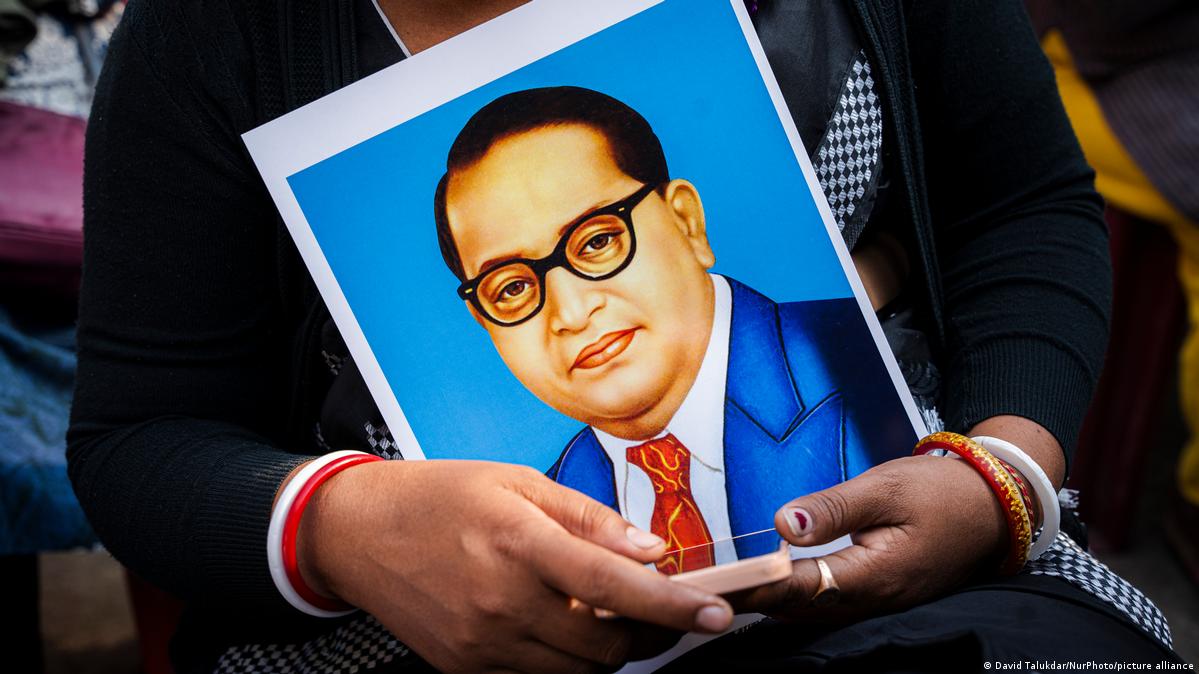
Gopal*, a young judicial officer in north India, says caste continues to shape both formal and informal aspects of the judiciary, influencing recruitment, workplace interactions and career progression.
"They work with the presumption that I am not as knowledgeable and hard-working as my upper-caste peers," he told DW. Gopal is from the Dalit community.
He said that although Scheduled Caste (SC) candidates often perform strongly in written exams, many are graded lower in interviews, affecting their final rankings. These rankings determine promotions, postings and additional responsibilities, reinforcing long-term disparities.
இந்திய அரசியலமைப்பின் கீழ் பட்டியல் சாதியினராக வகைப்படுத்தப்பட்டுள்ள தலித்துகள், வரலாற்று ரீதியாக சாதி அமைப்புக்குள் ஓரங்கட்டப்படுவதை எதிர்கொண்டுள்ளனர் . 2011 மக்கள் தொகைக் கணக்கெடுப்பின்படி, அவர்கள் மக்கள் தொகையில் சுமார் 16.6% ஆக உள்ளனர், மேலும் கல்வி மற்றும் பொது வேலைவாய்ப்பில் இட ஒதுக்கீடு போன்ற ஆக்கப்பூர்வமான நடவடிக்கைகளுக்குத் தகுதியுடையவர்கள் ஆவர்.
பணியிடத்தில் சாதிப் பாகுபாடு
ஆள்சேர்ப்புக்கு அப்பாற்பட்டு, அன்றாட தொழில்முறைச் சூழல்களிலும் சாதிப் படிநிலைகள் தொடர்ந்து காணப்படுகின்றன என்று கோபால் கூறினார்.
முறைசாரா உரையாடல்களில் பெரும்பாலும் சாதிப் பெருமித வெளிப்பாடுகள் இடம்பெறுகின்றன, அதே சமயம் சமூக வலைத்தளங்களும் நீதித்துறைக்குள்ளான திருமணங்களும் பெரும்பாலும் சாதி அடிப்படையிலேயே நடைபெறுகின்றன. தனது விடுபட்ட குடும்பப்பெயர் குறித்த கேள்விகள், பெரும்பாலும் தனது சாதியை அடையாளம் காணும் நோக்கிலேயே கேட்கப்படுகின்றன என்றும் அவர் மேலும் கூறினார்.
"நீதிபதிகள் சங்கத் தேர்தல் சாதியின் அடிப்படையில் நடத்தப்பட்டது. நீங்கள் அதைக் கவனித்தால் அது எல்லா இடங்களிலும் இருக்கிறது , ஆனால் கவனிக்காவிட்டால் எங்கும் இல்லை," என்று அவர் கூறினார்.
சாதிப் பாகுபாட்டிற்கு எதிரான சட்டப் பாதுகாப்புகள் இருந்தாலும், தொழில்முறைச் சூழல்களில் அவற்றின் தாக்கம் குறைவாகவே உள்ளது என்று கோபால் கூறினார்.
நேர்மறை நடவடிக்கைக்கு வாய்ப்புள்ளது என்று அவர் நம்புகிறார், மேலும் பின்வருமாறு கூறுகிறார்:
- பதவி உயர்வுகளுக்கும் சாதி அடிப்படையிலான இட ஒதுக்கீட்டை விரிவுபடுத்துதல்
- சாதி தொடர்பான குறைகளைக் கையாள்வதற்காக, பணியிட துன்புறுத்தல் அமைப்புகளைப் போன்ற நிறுவன வழிமுறைகளை உருவாக்குதல்
சாதிப் பாகுபாடு மறைந்துவிடவில்லை, மாறாகப் பரிணாம வளர்ச்சி அடைந்துள்ளது என்று கோபால் மேலும் கூறினார்.
"உணவின் அடிப்படையிலான பாகுபாடு, அகமணமுறை மற்றும் சாதி அடையாளத்திற்குத் தொடர்ந்து அளிக்கப்படும் முக்கியத்துவம் போன்ற பணியிட நடைமுறைகளைச் சுட்டிக்காட்டி, 'தீண்டாமைப் பழக்கம் வடிவம் மாறியுள்ளது' என்று அவர் கூறினார்.
"மொத்தத்தில், அவர்கள் ராணுவத்தில் சாதி அமைப்பை வெற்றிகரமாகப் புகுத்திவிட்டனர். வரும் பத்தாண்டுகளில் பெரிய மாற்றம் எதுவும் ஏற்படும் என நான் கருதவில்லை," என்று அவர் கூறினார்.
நேர்காணல் செய்யப்பட்டவரின் அடையாளத்தைப் பாதுகாக்கும் பொருட்டு பெயர் மாற்றப்பட்டுள்ளது.
இந்தக் கட்டுரை , டாக்டர் பி.ஆர். அம்பேத்கர் அவர்களின் 135வது பிறந்தநாள் மற்றும் தலித் வரலாற்று மாதத்தை முன்னிட்டு DW வழங்கும் சிறப்புச் செய்திகளின் ஒரு பகுதியாகும் .
வணக்கம்!
DW-இன் புது தில்லி ஸ்டுடியோவிலிருந்து ஷகீல் பேசுகிறேன். டாக்டர் பி.ஆர். அம்பேத்கர் அவர்களின் 135-வது பிறந்தநாள் மற்றும் தலித் வரலாற்று மாதம் குறித்த எங்களின் சிறப்புச் செய்திகளை உங்களுக்கு வழங்குகிறோம்.
இந்தியாவின் பல நூற்றாண்டுகள் பழமையான சாதிப் படிநிலையின் அடிமட்டத்தில், வரலாற்று ரீதியாக ஓரங்கட்டப்பட்ட சமூகமாக விளங்கும் தலித் சமூகத்தின் முன்னேற்றம் குறித்த கருத்தாக்கத்தையும், இன்றைய யதார்த்தத்தையும் எங்கள் செய்தி ஆய்வு ஆராய்கிறது.
மேலும், இந்த வலைப்பதிவு இன்றைய இந்தியாவின் முக்கியச் செய்திகளை உங்களுக்கு வழங்கும், எனவே அனைத்து சமீபத்திய தகவல்களுக்கும் தொடர்ந்து இணைந்திருங்கள்.


Comments
Post a Comment