21.04.2026.Untouchability News.(Anti SC.STs atrocity news by caste Hindus,News of Dalits,Adivasi,atrocity,buddhist,Dr Ambedkar,Employement,Education news details from various sources by Sivaji.Ayyayiram UTNews.9444917060.asivaji1962@gmail.com.Stationed at Tiruvannamalai.1

Dalit Bride’s Abduction Sparks Outrage in Uttar Pradesh

In Bhadohi, Uttar Pradesh, police have charged six individuals with the abduction of a Dalit woman days before her wedding. Accused include Teju Bind and family, with the case filed under relevant sections and the SC/ST Act. Investigations are ongoing, led by Circle Officer Ashok Mishra.
Authorities in the Bhadohi district of Uttar Pradesh have launched a probe into the abduction of a Dalit woman just five days before her wedding.
The case involves six suspects, including Teju Bind and his family members, who allegedly abducted the woman. The charges against them include kidnapping, criminal intimidation, and offenses under the Scheduled Castes and Scheduled Tribes (Prevention of Atrocities) Act.
Circle Officer Ashok Mishra is spearheading the investigation, as police work to ensure the woman’s safety. This incident highlights ongoing issues of caste-based violence in the region.
Courtesy : Devdiscourse
2️⃣📚🖋️📚🖋️📚🖋️📚🖋️📚🖋️📚🖋️📚🖋️📚🖋️2️⃣
Attempted Murder of Youth Over Wage Dispute: In Gangoh, Accused Slashes Ear with Sickle and Issues Death Threats

In the village of Kutubkhedi within the Gangoh region, a Dalit youth was attacked after demanding payment for his labor. It is alleged that a fellow villager assaulted him—using casteist slurs in the process—and attacked him with a sickle, severing his ear. The victim has filed a written complaint at the Gangoh police station, demanding that action be taken.
The victim stated that he had gone to the accused to collect his wages. As soon as he asked for the money, the accused allegedly flew into a rage and began hurling derogatory casteist insults at him. Subsequently, he attacked the youth with sticks and clubs, inflicting injuries upon him.
It is further alleged that during the altercation, the accused struck the youth on the head with a sharp-edged sickle. When the youth attempted to defend himself, the blow landed on his left ear, resulting in a severe laceration.
Hearing the commotion, nearby villagers rushed to the scene. Upon seeing several people approaching—including Pinka, son of Yashpal (a resident of Fatehpur)—the accused fled the spot.
The victim has also alleged that the accused threatened to kill him if he ever demanded his wages again. The victim has requested the police to facilitate a medical examination, register a First Information Report (FIR), and arrest the accused.
Kotwali In-charge Sanjeev Kumar confirmed that they have received the written complaint. He stated that the matter is currently under investigation and that appropriate action will be taken in accordance with the law.
Intazar | Gangoh (Nakur), Saharanpur
Courtesy: Hindi News
Uproar in Sidhi, MP, on Ambedkar Jayanti! Allegations of Assault and Casteist Abuse Against Dalit Woman; Serious Questions Raised Over Police Conduct—What is the Case?

In the Amaliya police station area, Pankali Saket has leveled serious allegations against a police constable and others; demands for action under the SC/ST Act intensify, while questions are raised regarding the administration’s
4️⃣🥁🥁🥁🥁🥁🥁🥁🥁🥁🥁🥁🥁🥁🥁🥁4️⃣
SubscriberWrites: When a Dalit Student Dies: Academia’s Broken Promise to Ambedkar

India adopted a Constitution drafted by Ambedkar, yet we systematically undermine its egalitarian promises.
The tragic death of Dalit student Nithin Raj exposes the Indian education system’s systemic caste prejudice, which marginalizes Dalits and disregards Dr. B.R. Ambedkar’s vision of egalitarian spaces. Despite constitutional promises, universities remain hostile, failing to affirm Dalit dignity and scholarship. The article calls for a fundamental overhaul of academia to truly achieve caste annihilation and prevent such institutional violence.
5️⃣📢📢📢📢📢📢📢📢📢📢📢📢📢📢5️⃣
Telangana: Dalit prof faces alleged social boycott after being branded ‘urban Naxal’

A Dalit professor at Telangana’s Satavahana University has alleged social boycott, caste-based harassment, and round-the-clock surveillance after being branded an “urban Naxal” by a colleague, prompting her to approach the SC Commission and police.
A Dalit professor teaching at Telangana’s Satavahana University is allegedly facing social boycott at the institution over accusations of being an “urban Naxal”.
6️⃣📚🖋️📚🖋️📚🖋️📚🖋️📚🖋️📚🖋️📚🖋️📚🖋️📚🖋️📚🖋️6️⃣
Stories that spill past fiction at Verchol Dalit Literature Festival 2026

Two Dalit writers reclaim myth, memory and emotion, challenging demands for realism and the privilege of stories placed above human rights
The Pamba river moves as its many droplets touch the lands they pass. It doesn’t stop. As the river completes its journey, it carries some from one bank to the other, holds some in its coolness. But at times, the river tricks too. It hides large rocks, and deep holes beneath the surface. The consequence? People slip and are taken away into the gushing water.
The villagers residing on the bank of Pamba had a different story of the river. A powerful man who once created nuisance for the community was drowned there by the people. As he went under, he dragged 40 others with him. The river now holds 41 ghosts, and they pull the living down.
Aleena, a Dalit poet and Ambedkarite feminist from Kerala, told this story at Muthamizh Peravai on Saturday, during the Verchol Dalit Literature Festival 2026, held as part of the fifth edition of Vaanam Art Festival organised by Neelam Cultural Centre. “People found the idea of a group conspiring against someone scarier than the danger of the river itself. These magical explanations reveal what people fear, what they value, and what they consider important,” she said.
The session, moderated by writer and translator Reena Shalini, brought together Aleena and writer Vinil Paul for a conversation on Dalit history and fiction.
Reena opened by reading a Tamil translation of a poem from Aleena’s collection of 91 poems, Silk Route, which received recognition from the Kerala Sahitya Akademi. The poem follows a woman who cannot attend a wedding because she has no proper sari, and the ghost of her absence haunts the celebration like silk draped over grief.
The conversation turned quickly to what fiction is permitted to do. Aleena observed that Dalit writers face a persistent demand for realism, even in their imaginative work. “People ask which real incident a character refers to,” she said. “That is why Dalit autobiographies are celebrated more than fiction. Reality itself is seen as powerful.” Meanwhile, she argued, dominant groups treat their own stories as history worth protecting, sometimes above human rights. She pointed to the Ram temple dispute and the founding of Israel as examples of fictional or mythological narratives used to legitimise displacement and violence. “To place stories above human rights is privilege,” she said.
On the question of emotional range in Dalit writing, Aleena shared, “Life is a mix of generational trauma and inherited pleasures.” She described pressure from audiences who expect Dalit writers to write only about suffering, and pushed back against it. “There is celebration, happiness, hope, small joys and big joys. People still do not believe we experience the full range of emotions.”
Vinil, whose book Adimakeralathinte Adrishyacharithram examines the history of slavery in Kerala, turned to structural power. He cited Dr BR Ambedkar’s warning that India risked becoming an oligarchy and named Kerala as its clearest example. Two communities, Nairs and Syrian Christians, dominate the state’s political parties, media, cinema, and educational institutions, he said. “For almost 35 of Kerala’s 69 years of governance, the chief ministers have come from the Nair community.” Reservation functions as a token gesture in most institutions. Even KR Narayanan, who studied at the London School of Economics and became the President of India, faced caste barriers when he returned to Kerala.
On Malayalam cinema’s celebrated recent run, Aleena offered little applause. “It is not democratic in terms of capital,” she said. “People who control the industry extract stories from marginalised communities, profit from them, and do not share that capital with the communities those stories come from.” She highlighted the film Lokha: Chapter 1 featuring Adivasi characters as examples of surface representation without genuine understanding. “I have always felt a lot of hypocrisy in Malayalam filmmakers when they deal with marginalised stories,” she noted.
What the afternoon made clear is that the fight is not only over who tells the stories, but over who profits from them. When Aleena had arrived at the festival, she said she felt something rare. “Usually, I feel like I am given a chair in a place where I do not belong. This is the first time I feel like I belong to the entire space.” Vaanam Art Festival was a space Dalits had built for themselves, and that, as Aleena made clear, makes all the difference.
Courtesy : TNIE
7️⃣💯💯💯💯💯💯💯💯💯💯💯💯💯💯💯💯💯7️⃣
Police rescue dalit woman trying to end life after rape

Rural police saved a 26-year-old dalit woman from Paratwada who attempted to commit suicide on Monday by jumping in Wazzar Dam after allegedly being raped on the pretext of marriage. This was her sixth or seventh suicide attempt, said rural LCB PI Kiran Wankhade, reports Anil Jadhav.
According to him, the woman was in a relationship with the rape accused. But when he refused to marry her, the woman lodged a complaint with Paratwada police who registered a case of rape and arrested the accused. Later, the accused assured to marry the woman.
8️⃣🌀🌀🌀🌀🌀🌀🌀🌀🌀🌀🌀🌀🌀🌀🌀🌀🌀🌀🌀🌀8️⃣
Forced to Favour Upper-Caste Accused’: Karnataka Dalit Inspector Alleges Bias in Directorate of Civil Rights Enforcement

A serious controversy has emerged within the Directorate of Civil Rights Enforcement (DCRE) in Karnataka after an inspector alleged caste-based harassment by senior officials in the department responsible for handling atrocities against SC/ST communities.
Inspector T. R. Srinivas has accused senior officers of targeting him and other Dalit personnel, raising concerns about functioning and accountability within the department.
Allegations of Pressure and Targeting
In a letter addressed to Director General of Police Umesh Kumar and shared with the media, Srinivas claimed that he was pressured to act in favour of upper-caste accused in certain cases.
9️⃣🔑🔑🔑🔑🔑🔑🔑🔑🔑🔑🔑🔑🔑🔑🔑🔴🔴🔴🔴🔴🔴🔴🔴9️⃣
Atrocities against Dalits: Fading hope for justice
On an average, seven of every ten accused charged under the SC-ST (PoA) Act, 1989 are acquitted. This is a matter of deep concern as the act provides for a very robust framework for initial inquiries and investigation, writes Saiyed Zegham Murtaza
A court in Uttar Pradesh’s Gonda district recently acquitted three people accused of atrocities against Dalits for want of evidence. This is not a one-off incident. It is a routine pattern. Poor investigations and an apathetic police force have become a bane in cases involving atrocities against Dalits. Data shows that the conviction rate in Dalit-atrocity cases is abysmally low in most of the Hindi-speaking states, including Uttar Pradesh.
The FIR in the Gonda case says that Sridevi of Beni Khera village was burnt alive on the night of 1 March 2021. Santosh Kumar, Chhotu alias Ranjeet and Rupesh Kumar alias Chhote Babu were arrested and charged with murder. But the police could not gather enough evidence against the accused and all three were acquitted, giving them the benefit of doubt by Surya Prakash Singh, Special Judge (SC-ST Atrocities Act).
In a similar instance of atrocity, including murder, in Agra, the accused were let off by the court for want of evidence. On 23 May 2007, Banti (25) was shot dead in the Transport Nagar locality of Agra. The case dragged on for 18 years but the police could not garner enough evidence against the accused. The court of the Special Judge (SC-ST Atrocities Act) found material contradictions in the testimonies of the witnesses and acquitted the accused.
In October last year, a court in Raebareli acquitted the accused in a case involving murder of a Dalit youth. The victim, Hariom Valmiki, was mentally challenged. The police arraigned many people as accused but could not prove the charges against even one. The court found inconsistencies in the depositions of the witnesses and acquitted the accused.
Moving beyond Uttar Pradesh, a court in Gujarat acquitted 37 of the 42 accused in the infamous Una flogging incident of 2016. Dalits were falsely accused of slaughtering cows and beaten. This triggered nationwide protests. However, the police could prove charges against only five of the 42 accused. They were sentenced to five years in jail each. Several policemen were among the acquitted. Two of the accused had passed away before the judgment was delivered.
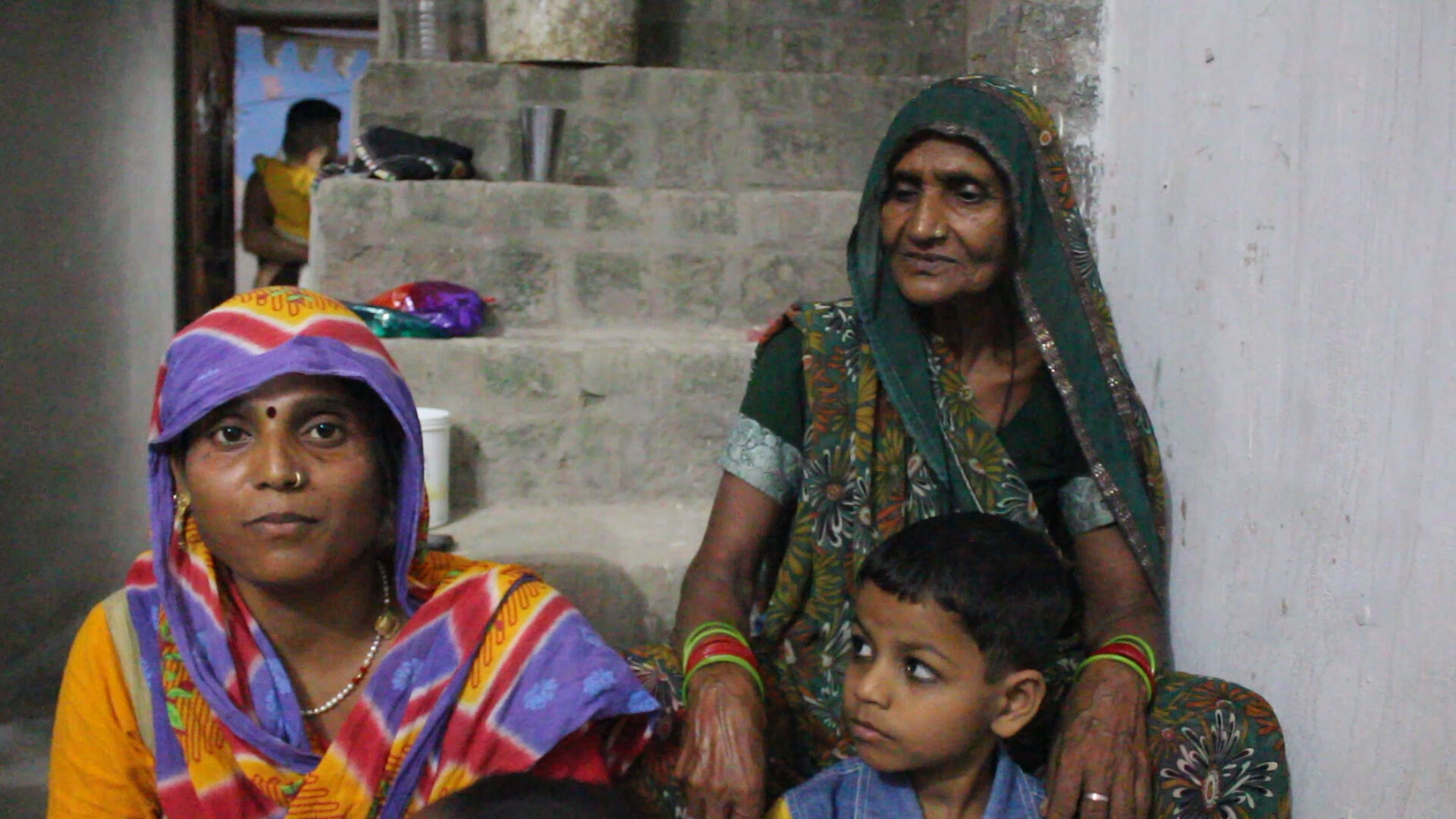
These incidents are just some instances, underlining the fact that the police are not interested in securing convictions in cases involving Dalit atrocities. According to social activist Mohammed Noor Alam, police do register cases under public pressure, and on occasions, due to legal compulsions. But when it comes to securing convictions, the entire system shows little interest. Noor Alam blames poor representation of the Dalits in the prosecution agencies and the judiciary for this state of affairs. He says that the entire machinery, right from the police to the courts, has a soft corner for the accused and little sympathy for the accused.
Be that as it may, it is a fact that in a majority of Dalit-atrocity cases, the accused walk free. According to the data for the year 2022, compiled by the National Crime Records Bureau (NCRB), more than 50,000 cases of violence against members of the Scheduled Castes were registered in the country. But 80 per cent of them ended in acquittals. In the same year, around 10,000 cases involving atrocities against members of the Scheduled Tribes were registered. In these cases, the rate of conviction was between 26 per cent and 28 per cent, which, again means that a majority of the accused were not convicted due to loopholes in the investigation. The conviction rate in criminal cases is already low in India, but in cases involving Dalit atrocities, it is even lower than the national average of 44 per cent.
On an average, seven of every ten accused charged under Scheduled Caste and Scheduled Tribe (Prevention of Atrocities) Act, 1989 are acquitted. This is a matter of deep concern as the SC-ST Act provides for a very robust framework for initial inquiries and investigation. Around 70 to 80 per cent of such cases are stuck in courts for years. This translates into many witnesses dying during trial. Many others turn hostile. In states like Uttar Pradesh, Bihar, Madhya Pradesh and Rajasthan, where the savarnas have a greater sway than in the other states, the conviction rates tend to be lower and instances of witnesses turning hostile are very common
Sandeep Verma, a resident of Uttar Pradesh, believes that the entire system is prejudiced against Dalits. When complaints are registered under the SC-ST Act, the investigators begin with the presumption that the case is false. The victims are pressurized to withdraw the cases and the witnesses, to back out from their statements when deposing in courts.
Clearly, while a comprehensive law is in place to combat atrocities against Dalits, the enabling environment for its proper implementation is missing. Mohammed Noor Alam says that justice will continue to elude the Dalits and other weaker sections of society till the investigative agencies and the courts do not change their mindset. They need to develop empathy for the victims and learn to listen to the weak and the oppressed. Speeding up trials and ensuring security for the witnesses will also help enhance the conviction rate. Sadly, nothing like that seems to be on the horizon.
(Translated from the original Hindi by Amrish Herdenia)
Forward Press also publishes books on Bahujan issues. Forward Press Books sheds light on the widespread problems as well as the finer aspects of Bahujan (Dalit, OBC, Adivasi, Nomadic, Pasmanda) society, culture, literature and politics. Contact us for a list of FP Books’ titles and to order. Mobile: +917827427311, Email: info@forwardmagazine.in
About The Author

Saiyed Zegham Murtaza
Syed Zegham Murtaza is an independent journalist based in Delhi. Born in Amroha, Uttar Pradesh, Murtaza has a masters in public administration and mass communication from Aligarh Muslim University. He is a regular contributor to various newspapers, magazines and news websites.
🔟✈️✈️✈️✈️✈️✈️✈️✈️✈️✈️✈️✈️✈️✈️✈️✈️✈️✈️✈️🔟



Haryana amends promotion reservation norms for SC employees
Chief Secretary Anurag Rastogi says where SC representation in a cadre is below 20%, eligible employees in feeder posts will be given priority for promotion against vacant quota posts to make up the shortfall

The Haryana government has amended instructions regarding reservation in promotion for SC candidates promoted on their own merit.
Chief Secretary Anurag Rastogi issued revised instructions: "Where the actual representation is less than 20%, only the eligible Scheduled Caste employees working on feeder post(s) will be considered first against the vacant posts of promotion quota upto the extent of shortfall. Where the actual representation is already 20% or more in the promotional cadre, the eligible employees working on feeder post(s) will be considered for promotion in accordance with the applicable service rules."
The instructions further stated, "The counting of 20% representation of officials belonging to the Scheduled Caste category in the promotional cadre shall include those officials who have been promoted on the basis of seniority-cum merit and also by availing the benefit of reservation."
 |
|---|
முகப்பு / ஹரியானா / எஸ்சி ஊழியர்களுக்கான பதவி உயர்வு இடஒதுக்கீடு விதிமுறைகளை ஹரியானா திருத்துகிறது
எஸ்சி ஊழியர்களுக்கான பதவி உயர்வு இடஒதுக்கீடு விதிமுறைகளை ஹரியானா திருத்துகிறது பற்றாக்குறை
ட்ரிப்யூன் செய்தி சேவை
சண்டிகர், புதுப்பிக்கப்பட்டது: 05:51 PM ஏப். 20,
ஹரியானா தலைமைச் செயலாளர் அனுராக் ரஸ்தோகி. புகைப்படம்: X/@JindalGlobalUNI
தங்கள் தகுதியின் அடிப்படையில் பதவி உயர்வு பெற்ற SC வேட்பாளர்களுக்கான பதவி உயர்வில் இடஒதுக்கீடு தொடர்பான வழிமுறைகளை ஹரியானா அரசு திருத்தியுள்ளது.
1️⃣1️⃣🔊🔊🔊🔊🔊🔊🔊🔊🔊🔊🔊🔊🔊🔊🔊🔊🔊🔊🔊🔊1️⃣1️⃣
Here is a verified India-wide roundup (around 21-04-2026) of SC/ST, Dalit, Adivasi, Buddhist & Ambedkar-related news with reliable sources, and summaries in English + Hindi + Tamil.
🟦 NATIONAL (India-wide)
📰 Key News Highlights
The Times of India
The Times of India
Dalit groom pulled off horse, beaten during pre-wedding procession in Madhya Pradesh
Probe ordered into manhandling of accused at Peddavaduguru police station in Anantapur dist
Today
Yesterday
1. Caste violence continues across states
A Dalit groom was assaulted during a wedding procession in Madhya Pradesh. �
The Times of India
EN: Groom beaten for riding a horse → shows persistent caste restrictions.
HI: घोड़ी चढ़ने पर दलित दूल्हे पर हमला।
TA: குதிரை ஏறியதால் தலித் மணமகன் தாக்கப்பட்டார்.
2. Police brutality case (Dalit victim)
Andhra Pradesh: Dalit man allegedly beaten in police custody; probe ordered. �
The Times of India
EN: Raises concern on misuse of power against Dalits.
HI: पुलिस हिरासत में दलित पर मारपीट – जांच शुरू।
TA: போலீஸ் காவலில் தலித் நபர் தாக்குதல் – விசாரணை.
3. Ambedkar legacy & education focus
Punjab Ambedkar event emphasises education equality. �
The Times of India
EN: Education seen as key to Dalit empowerment.
HI: शिक्षा = समानता का रास्ता (अंबेडकर विचार)।
TA: கல்வியே சமத்துவத்திற்கு வழி – அம்பேத்கர் சிந்தனை.
4. Dalit political mobilisation
Thol. Thirumavalavan alleges attempts to split Dalit votes in TN politics. �
The Times of India
EN: Dalit vote becoming central in electoral strategy.
HI: दलित वोट राजनीति का मुख्य केंद्र बन रहा है।
TA: தலித் வாக்கு அரசியலில் முக்கியமாகிறது.
5. Cultural recognition (Dalit icons)
Annabhau Sathe memorial project (Maharashtra) revised. �
The Times of India
EN: Dalit cultural icons gaining institutional recognition.
HI: दलित साहित्यकारों को सरकारी मान्यता।
TA: தலித் பண்பாட்டு நாயகர்களுக்கு அரசு அங்கீகாரம்.
🟥 MAJOR STATE NEWS
Tamil Nadu
6. Dalit politics & alliances debate
Statements by Thol. Thirumavalavan on Dalit vote dynamics. �
The Times of India
EN: Debate over representation, alliances, and vote fragmentation.
HI: दलित प्रतिनिधित्व और वोट बंटवारे पर बहस।
TA: தலித் பிரதிநிதித்துவம் மற்றும் வாக்கு பிளவு விவாதம்.
Madhya Pradesh
7. Wedding violence case
Dalit groom assaulted (major caste incident). �
The Times of India
Andhra Pradesh
8. Custodial violence issue
Dalit man beaten → enquiry initiated. �
The Times of India
Punjab
9. Ambedkar education push
Govt promotes education among SC communities. �
The Times of India
Maharashtra
10. Dalit memorial project
Annabhau Sathe memorial revision. �
The Times of India
Kerala
11. Dalit student death controversy
Dalit student death alleged as “institutional harassment”. �
India Tomorrow
EN: Raises issue of caste discrimination in education.
HI: शिक्षा संस्थानों में भेदभाव का मुद्दा।
TA: கல்வி நிலையங்களில் சாதி பாகுபாடு குற்றச்சாட்டு.
🟧 OTHER STATES (28-State Snapshot)
North India
Uttar Pradesh / Bihar / Rajasthan / Haryana / Delhi
Caste discrimination & reservation politics continue
Ambedkar Jayanti mobilisation trend
Central India
Madhya Pradesh / Chhattisgarh
Tribal rights + caste violence incidents
West India
Gujarat / Maharashtra / Goa
Dalit cultural assertion + atrocity monitoring
East India
West Bengal / Odisha / Jharkhand
Adivasi land, displacement, identity issues
North-East (8 states)
Assam, Manipur, Meghalaya, Mizoram, Nagaland, Tripura, Sikkim, Arunachal Pradesh
Tribal autonomy, reservation safeguards, identity politics
🟪 UNION TERRITORIES (8)
Delhi: Dalit activism & Ambedkar events
Puducherry: SC welfare policies
J&K & Ladakh: ST reservation implementation
Others (Andaman, Lakshadweep, Chandigarh, Dadra & Nagar Haveli and Daman & Diu):
Tribal inclusion programs ongoing
📊 KEY THEMES (21 April 2026)
🔴 1. Everyday caste violence persists
Wedding, police, village-level incidents
🟡 2. Education = core solution
Ambedkar ideology revived in policy discourse
🟢 3. Dalit vote राजनीति
Increasing political importance (especially TN)
🔵 4. Institutional discrimination debate
Student deaths, campus inequality
🟣 5. Cultural assertion
Memorials, Ambedkar events, Dalit icons recognition
📌 Final Insight
👉 21 April 2026 சுற்றிய காலத்தில் முக்கியமான pattern:
Violence + Politics + Identity + Education
இந்த நான்கு துறைகளில் SC/ST செய்திகள் மையமாக இருந்தது.
....


Comments
Post a Comment