27.04.2026.News Untouchable.(Voice of Sc.STs,Buddhists,Ambedkar ites,Anti SC.ST atrocity news,Employement news)by Sivaji Ayyayiram.9444917060.asivaji1962@gmail.com.FB.sivaji yoga Tiruvannamalai


Panchayat secretary declares two widows, Dalit man living in MP village dead

Two widows, along with a Dalit man, were denied benefits of the widow pension and Dalit welfare schemes, respectively as a panchayat secretary in the Chhatarpur district of Madhya Pradesh issued death certificates in their names.
Two widows, along with a Dalit man, were denied benefits of the widow pension and Dalit welfare schemes, respectively as a panchayat secretary in the Chhatarpur district of Madhya Pradesh issued death certificates in their names.
Following separate complaints lodged by the trio, and the finding of a preliminary inquiry, Amar Singh, the panchayat secretary of the Chandrapura village panchayat, was suspended by District Panchayat Chief Executive Officer (CEO) Namah Shivay Arjaria on Saturday.
The action followed complaints filed on April 17 by Ramabai Raikwar, Girja Vishwakarma and Kallu Ahirwar, who alleged they were wrongly declared dead in official records and their death certificates had been duly made.
In their complaints, Ramabai and Girja stated that their widow pension had been stopped after the duo was declared dead.
Ahirwar stated that he was unable to reap the benefits of government schemes meant for Dalits as he has been declared dead.
According to officials, prima facie it was found that the panchayat secretary’s act constitutes serious misconduct under the Madhya Pradesh Panchayat Service (Conduct) Rules, 1996.
Officials said the suspension was carried out under the Madhya Pradesh Panchayat Service (Discipline and Appeal) Rules, 1999.
During the suspension period, Amar Singh will be attached to the Janpad Panchayat Gaurihar office and will receive subsistence allowance.

Karnataka: What the Revision of Internal Reservation for Scheduled Castes Means for the Community

Siddaramaiah stated that the earlier notifications issued under a scrapped 6:6:5 ratio will be withdrawn, and new notifications will be issued to start the recruitment process immediately.
New Delhi: The Karnataka Cabinet on Friday (April 24) approved a revised internal reservation matrix for Scheduled Castes within the 15% quota, paving the way to resume stalled government recruitment.
After a special Cabinet meeting at the Vidhana Soudha chaired by chief minister Siddaramaiah, the state government announced the sub-classification formula for 101 Scheduled Caste (SC) communities. The decision modifies the recommendations of a technical committee, formed on April 16 and headed by the chief secretary, which had initially suggested a distribution of 5.3%, 5.3% and 4.4%.
The immediate implementation of this revised matrix will allow the state to begin filling 56,432 government vacancies announced in the budget. Siddaramaiah stated that the earlier notifications issued under a scrapped 6:6:5 ratio will be withdrawn, and new notifications will be issued to start the recruitment process immediately.
BREAK UP: The Revised SC Quota Matrix (15% Total)
Category 1 (5.25%): Dalit Left factions (Edagai), primarily consisting of Madiga and Adi Jambava allied castes.
Category 2 (5.25%): Dalit Right factions (Balagai), primarily consisting of Holeya and Adi Karnataka allied castes.
Category 3 (4.5%): Other SC communities, including Bhovi, Lambani, Koracha, Korama, and 59 nomadic (Alemari) groups.
Historical and socio-political context
The demand for internal reservation stems from historic disparities among Dalits. The most backward groups (the SC ‘left’) have long argued for better opportunities, noting that the blanket 15% quota was disproportionately availed by more dominant sections, such as the SC ‘right’. Historically, Right-hand groups were often linked to landholding and skilled occupations, while Left-hand groups were associated with marginalised work and faced greater social disadvantages.
The government’s decision has come amid concerns raised by the Dalit right and “touchable” communities in Category 3, who felt the sub-classification restricted their opportunities in public education and employment.
Tracing the background, Siddaramaiah noted that the move fulfils a promise made in the Congress party’s 2023 election manifesto and follows a consensus reached at a Chitradurga convention representing 101 SC communities. He added that the state had previously relied on the findings of the Justice A.J. Sadashiva Commission and the Justice H.N. Nagamohan Das Commission.
While the latter’s recommendations were enacted into law, they faced implementation hurdles regarding the roster system.
Legal constraints and the ‘backlog’.
The state government had previously attempted to implement a 17% SC quota and a 7% Scheduled Tribe (ST) quota. However, to comply with the 50% reservation ceiling mandated by the Supreme Court in the 1992 Indra Sawhney case, the current implementation is capped at 15% and 3%, respectively.
Siddaramaiah stated that the additional proposed quota (2% for SCs and 4% for STs) will be maintained as a backlog. “The 6% kept aside will remain as a backlog until the final court decision,” he said, referring to the ongoing case in the Karnataka high court regarding the state’s overall 56% reservation policy introduced by the previous government.
Nomadic safeguards and roster rules
Addressing concerns from the 59 nomadic communities placed in Category 3 — who had approached the Karnataka high court against the earlier sub-classification — the government stipulated that one in every five posts reserved for this category will be dedicated exclusively to them. If no candidate from a nomadic community is available, the post will revert to other groups within Category 3.
Social Welfare Minister H.C. Mahadevappa clarified the roster rules to address previous administrative confusion, noting that “some people instigated and created confusion.” He stated that internal reservation requires adequate vacancies to ensure opportunities for all three categories. If the total number of SC-reserved posts in a recruitment drive is below 15, the internal sub-quotas will not apply, and the posts will be open to all SC candidates based on merit.
Political unanimity
The chief minister, flanked by Dalit Cabinet colleagues, stated the decision was unanimous. Ministers present included K.H. Muniyappa, G. Parameshwara, H.C. Mahadevappa, Priyank Kharge, and Satish Jarkiholi. Law and parliamentary affairs minister H.K. Patil stated that the law was framed by taking all communities and the House into confidence. The move makes Karnataka the third state, after Haryana and Telangana, to implement SC sub-quotas since the Supreme Court permitted sub-classification.
Home minister G. Parameshwara noted that while Haryana, Punjab, Telangana and Andhra Pradesh have similar models, Karnataka’s case is unique due to its 101 distinct SC communities. “The Karnataka model may be emulated as we have shown how to implement it legally, politically, and administratively,” he stated.
Courtesy : The Wire
3

2026 தமிழகத் தேர்தல்கள் | 46 பட்டியல் சாதி/பழங்குடியினர் தொகுதிகளில் அதிக வாக்குப்பதிவு, பல தொகுதிகளில் 90 சதவீதத்தைத் தாண்டியது.

சென்னை: ஆழமான ஆய்வுக்குத் தகுதியான ஒரு போக்காக, மாநிலத்தில் உள்ள இரண்டு பழங்குடியினர் பிரிவுகள் உட்பட 46 ஒதுக்கப்பட்ட தொகுதிகளில் வாக்காளர் வருகை கணிசமாக அதிகரித்துள்ளது.
மாநிலத்தில் ஒட்டுமொத்த வாக்குப்பதிவு 85.10% ஆக இருந்தது. பட்டியல் சாதித் தொகுதிகளில் சற்றே அதிகமான வாக்குப்பதிவு 86.75% ஆகவும், இரண்டு பட்டியல் பழங்குடியினர் தொகுதிகளில் 91% ஆகவும் பதிவாகியுள்ளது. இந்தத் தொகுதிகளில் உள்ள மொத்த 1.06 கோடி வாக்காளர்களில், 92.19 லட்சம் வாக்காளர்கள் தங்களது வாக்குகளைப் பதிவு செய்தனர்.
பட்டியல் சாதி தொகுதிகளில், கிருஷ்ணராயபுரம் 92.45% வாக்குப்பதிவோடு முதலிடம் பிடித்தது. அதனைத் தொடர்ந்து மதுராந்தகம் 92.28% வாக்குப்பதிவைப் பதிவு செய்தது. செய்யூர் (91.02%), அரக்கோணம் (90.12%), குடியாத்தம் (90.47%), ஆத்தூர் (90.24%), ராசிபுரம் (90.60%) மற்றும் அவிநாசி (90.57%) போன்ற தொகுதிகளிலும் 90%-க்கும் அதிகமான வாக்குப்பதிவு பதிவாகியுள்ளது. இது வலுவான வாக்காளர் பங்கேற்பைப் பிரதிபலிக்கிறது.
இரண்டு பழங்குடியினர் தொகுதிகளில், ஏற்காடு தொகுதியில் 92% வாக்குப்பதிவு பதிவாகி அதிகபட்ச வாக்குப்பதிவு அமைந்தது. அதனைத் தொடர்ந்து செந்தமங்கலம் தொகுதியில் 90.16% வாக்குப்பதிவு பதிவானது.
ஸ்ரீபெரும்புதூர் (86.12%), செங்கம் (89.46%), திண்டிவனம் (88.56%) மற்றும் வந்தவாசி (88.62%) உள்ளிட்ட பிற தொகுதிகளிலும் வலுவான பங்கேற்பு காணப்பட்டது. இருப்பினும், சில பகுதிகளில் ஒப்பீட்டளவில் குறைந்த வாக்குப்பதிவு பதிவாகியுள்ளது; பெரியகுளம் (78.51%), மானாமதுரை (79.29%), ஒட்டப்பிடாரம் (79.39%) மற்றும் பரமக்குடி (79.61%) ஆகிய பகுதிகளில் வாக்குப்பதிவு 80%-க்கும் குறைவாகவே இருந்தது.
வட மாவட்டங்களில், பொன்னேரி (89.77%) மற்றும் பூனமல்லி (83.41%) போன்ற தொகுதிகளில் மிதமானது முதல் அதிகமான வாக்குப்பதிவு அளவுகள் பராமரிக்கப்பட்டன, அதே நேரத்தில் மத்திய மற்றும் மேற்குப் பகுதிகளில் பங்கேற்புப் போக்குகள் சீராகக் காணப்பட்டன.
முந்தைய தேர்தல்களுடன் ஒப்பிடுகையில், வாக்களிப்பு விகிதத்தில் சீரான அதிகரிப்பு காணப்படுகிறது. 2021-ல், 44 தொகுதிகளில் உள்ள 1.08 கோடி வாக்காளர்களில், 81.76 லட்சம் பேர் வாக்களித்தனர். 2016-ல், ஏறக்குறைய 1 கோடி வாக்காளர்களில், சுமார் 77.42 லட்சம் வாக்குகள் பதிவாகியிருந்தன.
அதிகரித்த வாக்காளர் விழிப்புணர்வு, மேம்படுத்தப்பட்ட வாக்குச்சாவடி மேலாண்மை மற்றும் வலுப்படுத்தப்பட்ட கண்காணிப்பு வழிமுறைகள் ஆகியவற்றால் அதிக வாக்குப்பதிவு ஏற்பட்டதாகத் தேர்தல் அதிகாரிகள் தெரிவித்தனர். சிறந்த அணுகல் மற்றும் வாக்காளர் வசதி நடவடிக்கைகள் உள்ளிட்ட சிறப்பு ஏற்பாடுகள், வாக்குப்பதிவு சதவீதங்களின் சீரான உயர்வுக்குப் பங்களித்ததாக நம்பப்படுகிறது.
குறிப்பாக ஒதுக்கப்பட்ட தொகுதிகளில், ஜனநாயகப் பங்கேற்பில் ஒரு நேர்மறையான போக்கு காணப்படுவதாகவும், இது தமிழ்நாட்டில் அதிகரித்து வரும் தேர்தல் விழிப்புணர்வையும் வாக்காளர் ஈடுபாட்டையும் எடுத்துக்காட்டுவதாகவும் தரவுகள் தெரிவிக்கின்றன.
2026 TN elections | 46 SC/ST seats see higher turnout, many cross 90 percentage
CHENNAI: In a trend that warrants deeper analysis, a significant rise in voter turnout has been recorded across 46 reserved constituencies, including two Scheduled Tribe segments, in the State.

Many seats registered polling percentages above 85%, and a few crossed the 90% mark, according to official data.
The overall voter turnout in the State stood at 85.10%. Scheduled Caste constituencies recorded a slightly higher turnout of 86.75%, while the two Scheduled Tribe seats registered 91%. Of the 1.06 crore total electors in these constituencies, 92.19 lakh voters exercised their franchise.
Among the Scheduled Caste seats, Krishnarayapuram recorded the highest turnout at 92.45%, followed by Madurantakam at 92.28%. Constituencies such as Cheyyur (91.02%), Arakkonam (90.12%), Gudiyattam (90.47%), Attur (90.24%), Rasipuram (90.60%) and Avanashi (90.57%) also reported polling above 90%, reflecting strong voter participation.
In the two Scheduled Tribe constituencies, Yercaud recorded the highest turnout at 92%, followed by Senthamangalam at 90.16%.
Other constituencies, including Sriperumbudur (86.12%), Chengam (89.46%), Tindivanam (88.56%) and Vandavasi (88.62%), also witnessed robust participation. However, a few segments reported comparatively lower turnout, with Periyakulam (78.51%), Manamadurai (79.29%), Ottapidaram (79.39%) and Paramakudi (79.61%) remaining below 80%.
In northern districts, constituencies such as Ponneri (89.77%) and Poonamallee (83.41%) maintained moderate-to-high polling levels, while the central and western regions showed consistent participation trends.
A comparison with previous elections shows a steady increase in turnout. In 2021, of the 1.08 crore electors across 44 constituencies, 81.76 lakh cast their votes. In 2016, about 77.42 lakh votes were polled out of nearly 1 crore electors.
Election officials attributed the higher turnout to increased voter awareness, improved booth management and enhanced monitoring mechanisms. Special arrangements, including better accessibility and voter facilitation measures, are believed to have contributed to the steady rise in polling percentages.
The data indicate a positive trend in democratic participation, particularly in reserved constituencies, highlighting growing electoral awareness and voter engagement in Tamil Nadu.


Ambedkar believed nation’s progress depends on women empowerment, says V-C
B. Ramesh was speaking after inaugurating a conference on Ambedkar on the occasion of his 135th birth anniversary celebrations in Dharwad
Published - April 26, 2026 07:31 pm IST - Belagavi

B.R. Ambedkar’s contribution to women’s liberation is immense, Dr. Manmohan Singh Bengaluru City University Vice-Chancellor B. Ramesh said in Dharwad on Sunday.

Ambedkarite activist thrash man for questioning whether BR Ambedkar has 32 degreees – Here is what we know so far
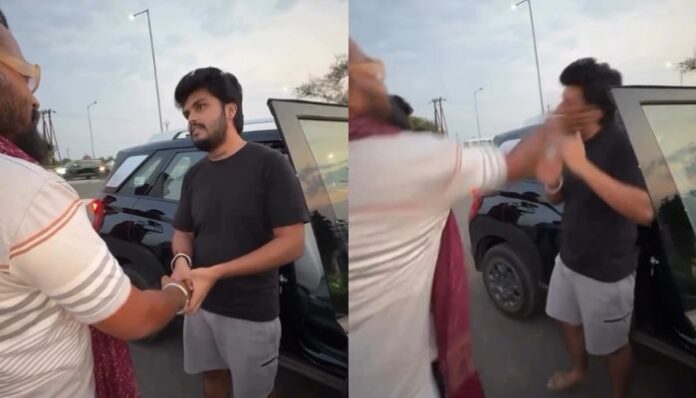
On 24th April, a video from Amravati, Maharashtra, went viral on social media, where a group of Ambedkarite activists (Bhim Tola) were seen beating up an influencer identified as Dev. His mistake was that he had questioned the claims of 32 degrees earned by Dr BR Ambedkar in one of his videos, which has now been deleted. The assault video had a background song, making it hard to understand what the activists were saying and what Dev said in reply. However, he was seen folding his hands and apologising. By the end of the video, police was seen standing while Ambedkarites continue to intimidate Dev.
Later, on 25th April, Dev published a video apologising to the followers of Ambedkar if he had hurt their sentiments. In the video, he was seen standing with folded hands in front of photographs of Ambedkar.According to a PIB press release from 2024, Dr BR Ambedkar had five degrees and two honorary degrees, making the total seven. There is no official source that can support the claim of 32 degrees. According to the press release, he had earned graduation from Elphinstone College, Bombay, MA from Columbia University, PhD from Columbia University, MSc from London University, DSc from London School of Economics, LLD from Columbia University, honorary degree, and Doctorate from Osmania University, honorary degree.


Comments
Post a Comment