1. Karnataka: Reservation issue remains in political focus
The debate over reservation for Scheduled Castes and Scheduled Tribes continues in Karnataka. The BJP has accused the state government of reducing SC/ST reservation benefits, while the government has defended its policies. The issue remains a major point of political discussion. �
The Times of India
2. Andhra Pradesh: Tribal organisations renew land rights demand
Tribal leaders in Andhra Pradesh have reiterated demands for stronger protection of Adivasi land rights, effective implementation of forest rights, and increased political representation for Scheduled Tribes. �
The Times of India
3. Ramabai Police Firing remembered
11 July marks the anniversary of the 1997 Ramabai Ambedkar Nagar police firing in Mumbai, in which 10 Dalits were killed and many others injured during protests following the desecration of a Dr. B.R. Ambedkar statue. Ambedkarite organisations observe the day by paying tribute to the victims and renewing calls for justice. �
Wikipedia
4. Social justice update
Discussions on representation of SC, ST and OBC communities in higher educational institutions continue, with researchers and activists calling for stronger implementation of reservation policies and measures to address caste discrimination in educational spaces. �
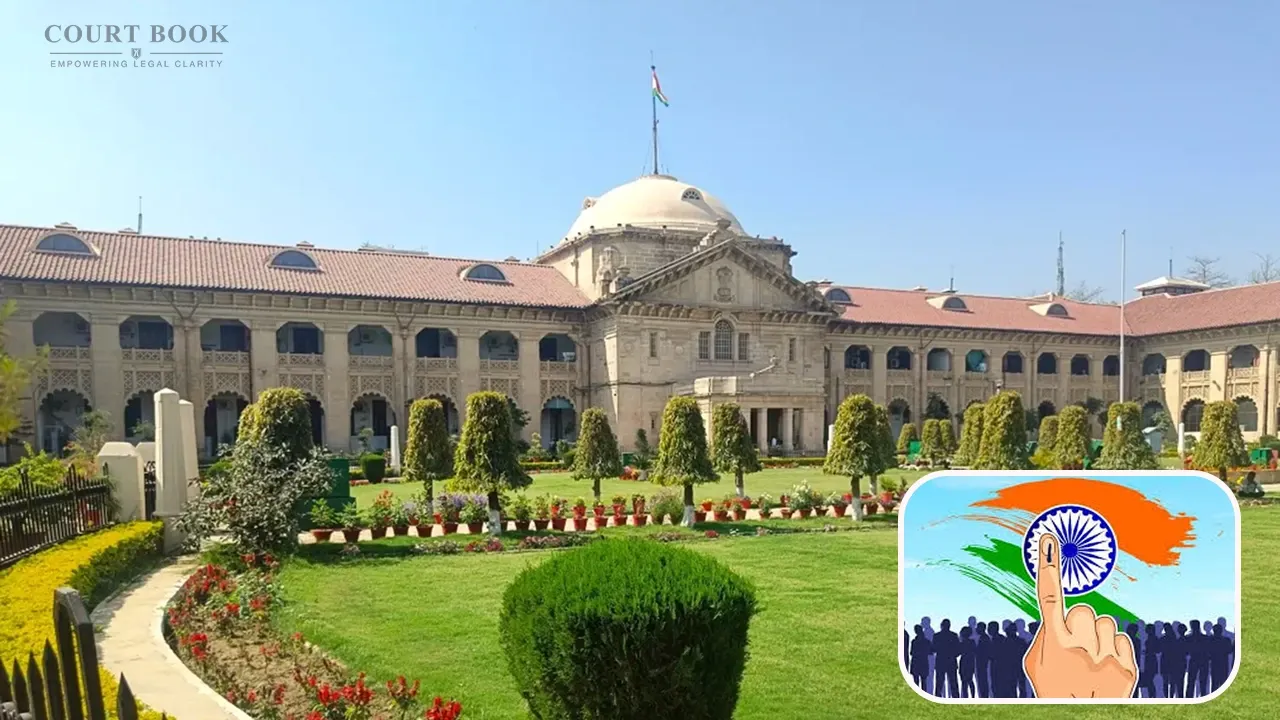
The Allahabad High Court upheld Section 9(1)(c) of the Delimitation Act, ruling that courts cannot direct rotation of SC/ST reserved Assembly seats and that such policy decisions belong to Parliament. - Jagdish Singh v. Election Commission of India Through Chief Election Commissioner & Others
Advertisement
The Allahabad High Court has upheld the constitutional validity of Section 9(1)(c) of the Delimitation Act, 2002, rejecting a challenge to the long-standing reservation of an Assembly constituency for the Scheduled Caste category. While observing that concerns about the absence of rotation in reserved constituencies deserve legislative consideration, the Court made it clear that such policy decisions fall within Parliament's domain and cannot be directed through judicial orders.
Background of the Case
The petitioner questioned the continued reservation of the Kadipur Assembly constituency in Uttar Pradesh for the Scheduled Caste category for several decades. It was argued that the absence of a rotation system prevented voters from electing general category candidates and violated constitutional guarantees of equality.
Advertisement
The petition also challenged the validity of Section 9(1)(c) of the Delimitation Act, 2002, which provides that reserved constituencies should, as far as practicable, be located in areas where the Scheduled Caste or Scheduled Tribe population is comparatively larger. The petitioner sought a declaration that the provision was unconstitutional and requested directions for introducing a rotational system similar to that followed in Panchayat and Municipal elections.
Sivaji Ayyayi r kiam. UT News. The creamy layer concept, which excludes economically advanced individuals from reservation benefits, currently applies only to Other Backward Classes (OBCs) in India (typically those with family income above ₹8 lakh per year). It does not apply to Scheduled Castes (SC) and Scheduled Tribes (ST) reservations. Supreme Court Observations (August 2024) In a landmark 6:1 majority judgment in State of Punjab v. Davinder Singh (1 August 2024), a seven-judge Constitution Bench allowed states to sub-classify SC/ST groups to provide more targeted quotas to the most disadvantaged sub-groups. Several judges (including Justices B.R. Gavai, Vikram Nath, and others) observed that states should identify and exclude a "creamy layer" (socially/economically advanced sections) within SC/ST from reservation benefits, arguing this would ensure benefits reach the truly needy and achieve "real equality." They suggested criteria for SC/ST creamy ...
Dr Ambedkar through constitution paved the way to enter, 1)Power House...Parliament.Legislative Assembly.for empowerment under reservation. 2)Educational Institutions. for empowerment.under reservation. 3)Employement institutions.for empowerment.under reservation. 4)Promotion reservation. 5)Asset procurement.for empowerment. .... Political Map of SC.ST CMs.in various states. இந்தியாவில் உள்ள பட்டியலிடப்பட்ட சாதி (SC) சமூகங்களைச் சேர்ந்த முதல்வர்கள் 🟠 1. ஆந்திரப் பிரதேசம் தாமோதரம் சஞ்சீவய்யா ஆந்திரப் பிரதேசத்தின் 2வது முதலமைச்சராக (1960-1962) பணியாற்றினார். 2)பீகார். A)போலா பாஸ்வான் சாஸ்திரி 1968 மற்றும் 1972 க்கு இடையில் மூன்று முறை முதல்வராக பணியாற்றினார். B)ராம் சுந்தர் தாஸ்,cm. C)ஜிதன் ராம் மஞ்சி.cm ........ 3). உத்தரப் பிரதேசம் மாயாவதி உத்திரப் பிரதேசத்தின் முன்னாள் முதல்வர் மற்றும் இந்தியாவின் மிக முக்கியமான தலித் அரசியல்வாதிகளில் ஒருவர். ....... 4)இந்தியாவின் ஆரம்பகால எஸ்சி முதல்வர்களில் ஒருவர். 2010கள் பஞ்சாப் சரஞ்சித் சிங் சன்னி பஞ்சாப் முன்னாள் மு...




Comments
Post a Comment