29.07.2026.News Untouchable.(English, हिन्दी, தமிழ் )Voice of Sc.STs,Buddhists,Ambedkar ites,Anti SC.ST atrocity news,Employement news)by Sivaji Ayyayiram.9444917060.asivaji1962@gmail.com.FB.sivaji yoga Tiruvannamalai.x.shivajia479023


Silenced by caste, forged by resistance: Meet Urmila Pawar, the voice that forced India to confront its deepest shames

There is a kind of writing that does not simply tell a story. It breaks something open. It reaches into the parts of society that have been deliberately kept in shadow and holds a lamp up to them steadily, fearlessly, and without flinching. Urmila Pawar has been doing exactly that for over four decades. At the AutHer Awards 2026, the seventh edition of the prestigious joint initiative by JK Paper and The Times of India, Urmila Pawar received the Lifetime Achievement Award, a recognition that feels less like a culmination and more like a long-overdue acknowledgment of a voice that has always been essential, even when the world was not yet ready to hear it. She is 80 years old. And she has not stopped writing, fighting, or speaking.
A childhood woven from poverty, caste, and quiet resistance
Urmila Pawar was born in 1945 in Adgaon village of Ratnagiri district, Maharashtra, into the Mahar community, one of the communities that faced the most severe caste discrimination in Indian society. Her father’s insistence on educating his children led to Pawar eventually leaving the Konkan region for Mumbai to study. In a community where education for girls was not a given, this decision was quietly radical. She went on to earn a master’s degree in Marathi literature from the University of Mumbai, a woman from a Dalit family, in a system that had been designed to keep her out.
When she was 12 years old, her family converted to Buddhism, inspired by Dr. B.R. Ambedkar. That conversion was not just religious. It was political. It was a declaration that they would no longer accept the identity that caste had forced upon them. And for Urmila Pawar, Buddhist philosophy would go on to shape every word she ever wrote.
In 2003, Urmila Pawar published Aaydan in Marathi. The word “bamboo basketry” means things woven from bamboo, a direct reference to the work her mother did to survive. The English translation, titled The Weave of My Life: A Dalit Woman’s Memoirs, was published in 2009, translated by Maya Pandit. The autobiography covers many themes, including injustice, exploitation, hunger, poverty, and humiliation. But what makes it extraordinary is not the suffering it documents. It is the dignity and the clarity with which it is told. This memoir is not just a story but an account of a woman who believed that she had the power to create changes.
The Weave of My Life questions the established norms and beliefs related to caste, class, and patriarchy. It explicitly challenges the deliberate neglect of histories related to caste oppression, struggles, and resistance. In this frank and intimate memoir, Pawar not only shares her tireless effort to surmount hideous personal tragedy but also conveys the excitement of an awakening consciousness during a time of profound political and social change.
The book created a sensation. It was read, discussed, debated, and taught in universities. It was recognised as one of the most significant works of Dalit literature ever written by a woman.
A life lived at the intersection of writing and activism
Urmila Pawar’s contribution goes far beyond a single autobiography. She is the author of two acclaimed short story collections, Sahava Bot and Chauthi Bhint, and, with Meenakshi Moon, co-authored a book on the role of women in the Dalit movement. She is also a former actor of radical Marathi theatre and a playwright.
For years she worked in the department of labour welfare for the government of Maharashtra. She was not writing from the comfortable distance of an academic or a literary professional. She was writing from within the lives she was documenting as a government officer, as a Dalit woman, and as someone who had lived the reality she put on the page. She is a prominent figure in the Dalit and feminist movements. Her writing is self-reflective and makes the reader ponder over these intimately felt oppressions.
She also received the Matoshree Bhimabai Ambedkar Award in 2004 and was offered the Laxmibai Tilak Award, which she declined, a gesture that itself spoke to her unwillingness to accept recognition on terms she did not fully endorse.
The Lifetime Achievement Award for Urmila Pawar is not simply recognition for a body of work. It is recognition for a body of resistance. She delicately navigated her readers through her long journey from the harsh landscape of the Konkan region to Mumbai, first as a Mahar and later as a woman as she challenged the conventions of both caste and gender to emerge as an activist and a strong literary voice.
In a country where Dalit women’s stories have been systematically excluded from the literary mainstream, Urmila Pawar insisted on being heard. She wrote in Marathi, in the language of her community, about the lives that polite society preferred not to acknowledge.
And she was right to insist. Because in order to begin to comprehend Dalit feminist writings, closely reading Pawar’s work is paramount to setting up a historical context for the Dalit feminist movement in Maharashtra. At 80, Urmila Pawar is not a relic of the past. She is a reminder that the most important stories are often the ones the world has worked hardest to suppress and that the writers who tell them anyway are the ones who matter most. Suggest a better headline for this and make it more engaging and impactful and deep and emotional.
Courtesy : TOI
சாதியால் ஒடுக்கப்பட்டு, எதிர்ப்பால் செதுக்கப்பட்டவர்: இந்தியாவை அதன் ஆழ்மன அவமானங்களை எதிர்கொள்ளச் செய்த குரலான ஊர்மிளா பவாரைச் சந்தியுங்கள்.
வெறுமனே ஒரு கதையைச் சொல்லாத ஒரு வகை எழுத்து உண்டு. அது எதையோ வெளிக்கொணர்கிறது. அது, வேண்டுமென்றே நிழலில் வைக்கப்பட்ட சமூகத்தின் பகுதிகளுக்குள் ஊடுருவி, உறுதியாகவும், அச்சமின்றியும், சற்றும் தயங்காமலும் அவற்றுக்கு ஒரு விளக்கை ஏந்தி நிற்கிறது. ஊர்மிளா பவார் நாற்பது ஆண்டுகளுக்கும் மேலாக சரியாக அதையேதான் செய்து வருகிறார். ஜேகே பேப்பர் மற்றும் தி டைம்ஸ் ஆஃப் இந்தியா ஆகியவற்றின் மதிப்புமிக்க கூட்டு முயற்சியான ஆத்தர் விருதுகள் 2026-இன் ஏழாவது பதிப்பில், ஊர்மிளா பவார் வாழ்நாள் சாதனையாளர் விருதைப் பெற்றார். இந்த அங்கீகாரம், ஒரு உச்சக்கட்டமாகத் தோன்றுவதை விட, உலகம் அதைக் கேட்கத் தயாராக இல்லாத காலத்திலும் இன்றியமையாததாக இருந்த ஒரு குரலுக்கு நீண்டகாலமாகக் கிடைக்க வேண்டிய ஒரு அங்கீகாரமாகவே தோன்றுகிறது. அவருக்கு 80 வயது. ஆனாலும், அவர் எழுதுவதையோ, போராடுவதையோ, பேசுவதையோ நிறுத்தவில்லை.
வறுமை, சாதி, மற்றும் அமைதியான எதிர்ப்பு ஆகியவற்றால் பின்னப்பட்ட ஒரு குழந்தைப்பருவம்.
உர்மிளா பவார் 1945-ல் மகாராஷ்டிராவின் ரத்னகிரி மாவட்டத்தில் உள்ள அட்காவ்ன் கிராமத்தில், இந்திய சமூகத்தில் மிகக் கடுமையான சாதிப் பாகுபாட்டை எதிர்கொண்ட சமூகங்களில் ஒன்றான மகர் சமூகத்தில் பிறந்தார். தன் பிள்ளைகளுக்குக் கல்வி கற்பிக்க வேண்டும் என்பதில் அவரது தந்தை காட்டிய பிடிவாதம், பவார் படிப்பதற்காக கொங்கன் பகுதியை விட்டு மும்பைக்குச் செல்ல வழிவகுத்தது. பெண்களுக்குக் கல்வி என்பது இயல்பாகக் கிடைக்காத ஒரு சமூகத்தில், இந்த முடிவு ஒரு புரட்சிகரமானதாக இருந்தது. தன்னை ஒதுக்கி வைப்பதற்காகவே உருவாக்கப்பட்ட ஒரு அமைப்பில், ஒரு தலித் குடும்பத்தைச் சேர்ந்த பெண்ணாக, அவர் மும்பை பல்கலைக்கழகத்தில் மராத்தி இலக்கியத்தில் முதுகலைப் பட்டம் பெற்றார்.
அவருக்கு 12 வயதாக இருந்தபோது, டாக்டர் பி.ஆர். அம்பேத்கரால் ஈர்க்கப்பட்டு அவரது குடும்பம் பௌத்த மதத்திற்கு மாறியது. அந்த மதமாற்றம் வெறும் மதரீதியானது மட்டுமல்ல. அது ஒரு அரசியல் ரீதியானது. சாதி தங்கள் மீது திணித்த அடையாளத்தை இனிமேலும் ஏற்றுக்கொள்ள மாட்டோம் என்ற ஒரு பிரகடனமாக அது இருந்தது. மேலும், ஊர்மிளா பவாரைப் பொறுத்தவரை, பௌத்த தத்துவமே அவர் எழுதிய ஒவ்வொரு வார்த்தையையும் வடிவமைத்தது.
2003-ல், உர்மிளா பவார் 'ஆய்தான்' என்ற நூலை மராத்தியில் வெளியிட்டார். 'மூங்கில் கூடை நெசவு' என்ற சொல்லுக்கு மூங்கிலால் நெய்யப்பட்ட பொருட்கள் என்று பொருள்; இது, அவரது தாய் பிழைப்புக்காகச் செய்த வேலையை நேரடியாகக் குறிப்பிடுகிறது. 'தி வீவ் ஆஃப் மை லைஃப்: எ தலித் வுமன்ஸ் மெமயர்ஸ்' என்ற தலைப்பிலான இதன் ஆங்கில மொழிபெயர்ப்பு, மாயா பண்டிட்டால் 2009-ல் வெளியிடப்பட்டது. இந்த சுயசரிதை, அநீதி, சுரண்டல், பசி, வறுமை, அவமானம் உள்ளிட்ட பல கருப்பொருள்களை உள்ளடக்கியுள்ளது. ஆனால், இது ஆவணப்படுத்தும் துன்பங்கள் இதை அசாதாரணமாக்கவில்லை. மாறாக, அது சொல்லப்பட்டிருக்கும் கண்ணியமும் தெளிவுமே இதை அசாதாரணமாக்குகின்றன. இந்த நினைவுக் குறிப்பு வெறும் ஒரு கதை மட்டுமல்ல; மாற்றங்களை உருவாக்கும் சக்தி தன்னிடம் இருப்பதாக நம்பிய ஒரு பெண்ணின் பதிவும் ஆகும்.
'தி வீவ் ஆஃப் மை லைஃப்' (The Weave of My Life) சாதி, வர்க்கம் மற்றும் ஆணாதிக்கம் தொடர்பான நிலைபெற்ற நெறிமுறைகளையும் நம்பிக்கைகளையும் கேள்விக்குள்ளாக்குகிறது. சாதி ஒடுக்குமுறை, போராட்டங்கள் மற்றும் எதிர்ப்பு தொடர்பான வரலாறுகள் வேண்டுமென்றே புறக்கணிக்கப்படுவதை இது வெளிப்படையாக எதிர்க்கிறது. இந்த வெளிப்படையான மற்றும் அந்தரங்கமான நினைவுக் குறிப்பில், பவார் கொடூரமான தனிப்பட்ட துயரத்தை வெல்வதற்கான தனது அயராத முயற்சியைப் பகிர்ந்துகொள்வதோடு மட்டுமல்லாமல், ஆழமான அரசியல் மற்றும் சமூக மாற்றங்கள் நிகழும் காலகட்டத்தில் விழித்தெழும் ஒரு மனசாட்சியின் உற்சாகத்தையும் வெளிப்படுத்துகிறார்.
அந்தப் புத்தகம் பெரும் பரபரப்பை ஏற்படுத்தியது. அது பல்கலைக்கழகங்களில் வாசிக்கப்பட்டது, விவாதிக்கப்பட்டது, விவாதம் செய்யப்பட்டது, கற்பிக்கப்பட்டது. ஒரு பெண்ணால் எழுதப்பட்ட தலித் இலக்கியத்தின் மிக முக்கியமான படைப்புகளில் ஒன்றாக அது அங்கீகரிக்கப்பட்டது.
எழுத்தும் சமூகச் செயல்பாடும் சங்கமிக்கும் இடத்தில் வாழ்ந்த ஒரு வாழ்க்கை
ஊர்மிளா பவாரின் பங்களிப்பு ஒரு சுயசரிதையைத் தாண்டி வெகுதூரம் செல்கிறது. அவர் 'சஹாவா போட்' மற்றும் 'சௌதி பிந்த்' என்ற இரண்டு பாராட்டப்பட்ட சிறுகதைத் தொகுப்புகளின் ஆசிரியர் ஆவார். மேலும், மீனாட்சி மூனுடன் இணைந்து தலித் இயக்கத்தில் பெண்களின் பங்கு குறித்த ஒரு நூலையும் எழுதியுள்ளார். அவர் புரட்சிகர மராத்தி நாடகத்தின் முன்னாள் நடிகரும், நாடக ஆசிரியரும் ஆவார்.
பல ஆண்டுகளாக அவர் மகாராஷ்டிர அரசின் தொழிலாளர் நலத்துறையில் பணியாற்றினார். அவர் ஒரு கல்வியாளர் அல்லது இலக்கிய வல்லுநரின் வசதியான தொலைவிலிருந்து எழுதவில்லை. ஒரு அரசு அதிகாரியாகவும், ஒரு தலித் பெண்ணாகவும், மேலும் தான் பக்கங்களில் பதித்த யதார்த்தத்தை வாழ்ந்த ஒருவராகவும், தான் ஆவணப்படுத்திய வாழ்க்கைகளுக்குள்ளிருந்தே அவர் எழுதினார். அவர் தலித் மற்றும் பெண்ணிய இயக்கங்களில் ஒரு முக்கிய ஆளுமை ஆவார். அவரது எழுத்து சுயபரிசோதனைக்குரியது; அது, ஆழமாக உணரப்பட்ட இந்த ஒடுக்குமுறைகளைப் பற்றி வாசகரை ஆழ்ந்து சிந்திக்க வைக்கிறது.
அவர் 2004-ல் மாதோஸ்ரீ பீமாபாய் அம்பேத்கர் விருதையும் பெற்றார். மேலும், அவருக்கு லட்சுமிபாய் திலக் விருது வழங்கப்பட்டபோது, அதை அவர் மறுத்துவிட்டார். தான் முழுமையாக ஏற்றுக்கொள்ளாத நிபந்தனைகளின் பேரில் அங்கீகாரத்தை ஏற்க அவர் விரும்பவில்லை என்பதையே அந்தச் செயல் வெளிப்படுத்தியது.
ஊர்மிளா பவாருக்கான வாழ்நாள் சாதனையாளர் விருது என்பது வெறும் ஒரு படைப்புத் தொகுப்பிற்கான அங்கீகாரம் மட்டுமல்ல. அது ஒரு எதிர்ப்பு இயக்கத்திற்கான அங்கீகாரம். கொங்கன் பகுதியின் கடுமையான நிலப்பரப்பிலிருந்து மும்பை வரையிலான தனது நீண்ட பயணத்தை, முதலில் ஒரு மஹராகவும் பின்னர் ஒரு பெண்ணாகவும், சாதி மற்றும் பாலினம் ஆகிய இரண்டின் மரபுகளையும் சவால் செய்து ஒரு செயற்பாட்டாளராகவும் வலிமையான இலக்கியக் குரலாகவும் அவர் தன் வாசகர்களுக்கு நுட்பமாக வழிநடத்தினார்.
தலித் பெண்களின் கதைகள் இலக்கியப் பெருந்தொகையிலிருந்து திட்டமிட்டுப் புறக்கணிக்கப்பட்ட ஒரு நாட்டில், தனது குரல் கேட்கப்பட வேண்டும் என ஊர்மிளா பவார் வலியுறுத்தினார். நாகரிக சமூகம் அங்கீகரிக்க விரும்பாத வாழ்க்கைகளைப் பற்றி, அவர் தனது சமூகத்தின் மொழியான மராத்தியில் எழுதினார்.
அவர் வலியுறுத்தியது சரிதான். ஏனென்றால், தலித் பெண்ணிய எழுத்துக்களைப் புரிந்துகொள்ளத் தொடங்குவதற்கு, மகாராஷ்டிராவில் தலித் பெண்ணிய இயக்கத்திற்கான ஒரு வரலாற்றுப் பின்னணியை அமைப்பதற்கு பவாரின் படைப்புகளை உன்னிப்பாக வாசிப்பது மிக முக்கியமானது. 80 வயதில், ஊர்மிளா பவார் கடந்த காலத்தின் ஒரு நினைவுச்சின்னம் அல்ல. உலகம் அடக்குவதற்கு மிகவும் கடினமாக உழைத்த கதைகளே பெரும்பாலும் மிக முக்கியமானவை என்பதையும், அவற்றை எப்படியும் சொல்லும் எழுத்தாளர்களே மிகவும் முக்கியமானவர்கள் என்பதையும் அவர் நினைவூட்டுகிறார். இதற்கு ஒரு சிறந்த தலைப்பைப் பரிந்துரைத்து, அதை மேலும் ஈர்க்கக்கூடியதாகவும், தாக்கத்தை ஏற்படுத்துவதாகவும், ஆழமானதாகவும், உணர்ச்சிப்பூர்வமானதாகவும் ஆக்குங்கள்.
நன்றி : டைம்ஸ் ஆஃப் இந்தியா
जातिगत दबाव में चुप कराई गई, प्रतिरोध से गढ़ी गई: उर्मिला पवार से मिलिए, वह आवाज जिसने भारत को अपनी सबसे गहरी शर्मिंदगी का सामना करने के लिए मजबूर किया।
एक प्रकार की लेखन शैली ऐसी होती है जो महज कहानी नहीं सुनाती। यह समाज के उन हिस्सों तक पहुँचती है जिन्हें जानबूझकर अंधकार में रखा गया है और उन पर दृढ़ता, निडरता और बिना हिचकिचाए प्रकाश डालती है। उर्मिला पवार पिछले चार दशकों से ठीक यही कर रही हैं। प्रतिष्ठित जेके पेपर और टाइम्स ऑफ इंडिया की संयुक्त पहल, ऑथर अवार्ड्स 2026 के सातवें संस्करण में उर्मिला पवार को लाइफटाइम अचीवमेंट अवार्ड से सम्मानित किया गया। यह सम्मान किसी उपलब्धि से कहीं अधिक उस आवाज की लंबे समय से प्रतीक्षित स्वीकृति जैसा लगता है जो हमेशा से महत्वपूर्ण रही है, तब भी जब दुनिया इसे सुनने के लिए तैयार नहीं थी। वह 80 वर्ष की हैं। और उन्होंने लिखना, संघर्ष करना और बोलना बंद नहीं किया है।
गरीबी, जाति और मौन प्रतिरोध से बुना हुआ बचपन
उर्मिला पवार का जन्म 1945 में महाराष्ट्र के रत्नागिरी जिले के अडगांव गांव में महार समुदाय में हुआ था, जो भारतीय समाज में सबसे गंभीर जातिगत भेदभाव का सामना करने वाले समुदायों में से एक है। अपने बच्चों को शिक्षित करने के लिए उनके पिता के दृढ़ संकल्प के कारण पवार ने अंततः कोंकण क्षेत्र छोड़कर मुंबई में पढ़ाई करने का फैसला किया। एक ऐसे समुदाय में जहां लड़कियों की शिक्षा को अनिवार्य नहीं माना जाता था, यह निर्णय चुपचाप क्रांतिकारी था। उन्होंने मुंबई विश्वविद्यालय से मराठी साहित्य में स्नातकोत्तर की उपाधि प्राप्त की, एक दलित परिवार की महिला होने के बावजूद, एक ऐसी व्यवस्था में जो उन्हें बाहर रखने के लिए बनाई गई थी।
जब उर्मिला पवार 12 साल की थीं, तब उनके परिवार ने डॉ. बी.आर. अंबेडकर से प्रेरित होकर बौद्ध धर्म अपना लिया। यह परिवर्तन केवल धार्मिक नहीं था, बल्कि राजनीतिक भी था। यह एक घोषणा थी कि वे अब उस पहचान को स्वीकार नहीं करेंगे जो जाति ने उन पर थोपी थी। और उर्मिला पवार के लिए, बौद्ध दर्शन ने उनके द्वारा लिखे गए हर शब्द को आकार दिया।
2003 में उर्मिला पवार ने मराठी में 'आयदान' प्रकाशित की। 'बांस की टोकरी बुनाई' शब्द का अर्थ है बांस से बुनी हुई वस्तुएँ, जो उनकी माँ के जीवनयापन के लिए किए गए काम का सीधा संदर्भ है। इसका अंग्रेजी अनुवाद, 'द वीव ऑफ माय लाइफ: ए दलित वुमन्स मेमोयर्स', 2009 में माया पंडित द्वारा अनुवादित होकर प्रकाशित हुआ। आत्मकथा में अन्याय, शोषण, भूख, गरीबी और अपमान जैसे कई विषयों को शामिल किया गया है। लेकिन जो बात इसे असाधारण बनाती है, वह इसमें दर्ज पीड़ा नहीं है। बल्कि, जिस गरिमा और स्पष्टता के साथ इसे बताया गया है, वह इसे असाधारण बनाती है। यह संस्मरण मात्र एक कहानी नहीं है, बल्कि एक ऐसी महिला का वृत्तांत है जिसने यह विश्वास किया कि उसमें बदलाव लाने की शक्ति है।
'द वीव ऑफ माय लाइफ' जाति, वर्ग और पितृसत्ता से संबंधित स्थापित मानदंडों और मान्यताओं पर सवाल उठाती है। यह जातिगत उत्पीड़न, संघर्षों और प्रतिरोध से जुड़े इतिहासों की जानबूझकर की गई उपेक्षा को स्पष्ट रूप से चुनौती देती है। इस बेबाक और आत्मीय संस्मरण में, पवार न केवल अपनी भयावह व्यक्तिगत त्रासदी से उबरने के अथक प्रयासों को साझा करती हैं, बल्कि गहन राजनीतिक और सामाजिक परिवर्तन के दौर में जागृत चेतना के उत्साह को भी व्यक्त करती हैं।
इस पुस्तक ने सनसनी मचा दी। इसे विश्वविद्यालयों में पढ़ा गया, इस पर चर्चा हुई, बहस हुई और पढ़ाया गया। इसे दलित साहित्य की उन महत्वपूर्ण कृतियों में से एक माना गया जो किसी महिला द्वारा लिखी गई थीं।
लेखन और सक्रियता के संगम पर जिया गया जीवन
उर्मिला पवार का योगदान केवल एक आत्मकथा तक सीमित नहीं है। वे दो प्रशंसित लघुकथा संग्रहों, सहवा बोट और चौथी भिंट की लेखिका हैं, और मीनाक्षी मून के साथ मिलकर उन्होंने दलित आंदोलन में महिलाओं की भूमिका पर एक पुस्तक लिखी है। वे मराठी रंगमंच की पूर्व अभिनेत्री और नाटककार भी हैं।
कई वर्षों तक उन्होंने महाराष्ट्र सरकार के श्रम कल्याण विभाग में काम किया। वे किसी अकादमिक या साहित्यिक पेशेवर की आरामदायक दूरी से नहीं लिख रही थीं। वे एक सरकारी अधिकारी, एक दलित महिला और उस वास्तविकता को जीकर लिख रही थीं जिसे वे अपने लेखन में उतार रही थीं। वे दलित और नारीवादी आंदोलनों में एक प्रमुख हस्ती हैं। उनका लेखन आत्मचिंतनशील है और पाठक को उन गहन उत्पीड़न पर विचार करने के लिए प्रेरित करता है जिन्हें उन्होंने गहराई से महसूस किया है।
उन्हें 2004 में मातोश्री भीमाबाई अंबेडकर पुरस्कार भी मिला और उन्हें लक्ष्मीबाई तिलक पुरस्कार की पेशकश की गई, जिसे उन्होंने अस्वीकार कर दिया, यह एक ऐसा संकेत था जो उनकी उन शर्तों पर मान्यता स्वीकार करने की अनिच्छा को दर्शाता है जिनका वे पूरी तरह से समर्थन नहीं करती थीं।
उर्मिला पवार को दिया गया लाइफटाइम अचीवमेंट अवार्ड केवल उनके कार्यों की पहचान नहीं है। यह उनके प्रतिरोध के एक पूरे सफर की पहचान है। उन्होंने बड़ी कुशलता से पाठकों को कोंकण क्षेत्र की कठोर परिस्थितियों से मुंबई तक के अपने लंबे सफर से परिचित कराया, पहले एक महार के रूप में और बाद में एक महिला के रूप में, जहाँ उन्होंने जाति और लिंग दोनों की रूढ़ियों को चुनौती दी और एक सशक्त साहित्यिक आवाज के रूप में उभरीं।
एक ऐसे देश में जहाँ दलित महिलाओं की कहानियों को साहित्यिक मुख्यधारा से व्यवस्थित रूप से बाहर रखा गया है, उर्मिला पवार ने अपनी बात सुनाने पर जोर दिया। उन्होंने अपनी समुदाय की भाषा, मराठी में, उन जिंदगियों के बारे में लिखा जिन्हें सभ्य समाज स्वीकार करना पसंद नहीं करता था।
और उनका यह आग्रह बिल्कुल सही था। क्योंकि दलित नारीवादी लेखन को समझने के लिए, पवार के कार्यों का गहन अध्ययन महाराष्ट्र में दलित नारीवादी आंदोलन के ऐतिहासिक संदर्भ को स्थापित करने के लिए अत्यंत आवश्यक है। 80 वर्ष की उर्मिला पवार अतीत की कोई निशानी नहीं हैं। वे इस बात की याद दिलाती हैं कि सबसे महत्वपूर्ण कहानियाँ अक्सर वे होती हैं जिन्हें दुनिया ने दबाने का सबसे कठिन प्रयास किया है और जो लेखक उन्हें फिर भी सुनाते हैं, वही सबसे अधिक मायने रखते हैं। इसके लिए एक बेहतर शीर्षक सुझाएँ और इसे अधिक आकर्षक, प्रभावशाली, गहन और भावनात्मक बनाएँ।
सौजन्य: टीओआई
नोट: यह समाचार मूल रूप से


Two Bhopal police constables arrested for allegedly abducting and rap!ng minor Dalit girl

Two Madhya Pradesh Police constables have been arrested for the alleged abduction and rape of a minor Dalit girl in Bhopal. The incident reportedly occurred on July 22, and the survivor filed a complaint at Jahangirabad Police Station the following day, leading to the registration of an FIR and the prompt arrests of both accused.
Bhopal Additional Commissioner of Police (Law and Order) Shailendra Singh Chauhan identified the accused as constables Santosh Sen and Jitendra Singh. According to police, the men, who are serving police personnel, called the minor girl and took her away in a car.
An officer familiar with the case said the pair allegedly lured her by claiming they were taking her to a birthday celebration. They then drove her to a secluded location where Santosh Sen is accused of raping her. Afterward, the men left the girl at a city square.
A medical examination of the survivor has been conducted. She is currently at home and her condition is stable. The case has been registered under the Protection of Children from Sexual Offences (POCSO) Act, the Scheduled Castes and the Scheduled Tribes (Prevention of Atrocities) Act, and relevant provisions of the Bharatiya Nyaya Sanhita, including Section 137(2). Further investigation is underway.
Courtesy : MM
भोपाल पुलिस के दो कांस्टेबलों को नाबालिग दलित लड़की के अपहरण और बलात्कार के आरोप में गिरफ्तार किया गया है।
भोपाल में एक नाबालिग दलित लड़की के कथित अपहरण और बलात्कार के आरोप में मध्य प्रदेश पुलिस के दो कांस्टेबलों को गिरफ्तार किया गया है। बताया जाता है कि यह घटना 22 जुलाई को हुई थी और पीड़िता ने अगले दिन जहांगीराबाद पुलिस स्टेशन में शिकायत दर्ज कराई, जिसके बाद एफआईआर दर्ज कर दोनों आरोपियों को तुरंत गिरफ्तार कर लिया गया।
भोपाल के अतिरिक्त पुलिस आयुक्त (कानून व्यवस्था) शैलेंद्र सिंह चौहान ने आरोपियों की पहचान कांस्टेबल संतोष सेन और जितेंद्र सिंह के रूप में की है। पुलिस के अनुसार, सेवारत पुलिसकर्मियों ने नाबालिग लड़की को बुलाया और उसे कार में बिठाकर ले गए।
मामले से परिचित एक अधिकारी ने बताया कि दोनों आरोपियों ने कथित तौर पर लड़की को जन्मदिन की पार्टी में ले जाने का बहाना बनाकर उसे अपने साथ ले गए। फिर वे उसे एक सुनसान जगह पर ले गए, जहां संतोष सेन पर उसके साथ बलात्कार करने का आरोप है। इसके बाद, दोनों आरोपी लड़की को शहर के एक चौराहे पर छोड़कर चले गए।
पीड़िता की चिकित्सा जांच की जा चुकी है। वह फिलहाल घर पर है और उसकी हालत स्थिर है। मामला बाल यौन उत्पीड़न संरक्षण अधिनियम (पीओसीएसओ), अनुसूचित जाति एवं अनुसूचित जनजाति (अत्याचार निवारण) अधिनियम और भारतीय न्याय संहिता की धारा 137(2) सहित संबंधित प्रावधानों के तहत दर्ज किया गया है। आगे की जांच जारी है।
सौजन्य: एमएम
नोट: यह समाचार मूल रूप से https://muslimmirror.com/bha पर प्रकाशित हुआ है और इसका उपयोग विशुद्ध रूप से गैर-लाभकारी/गैर-व्यावसायिक उद्देश्यों, विशेष रूप से मानवाधिकारों के लिए किया गया है।
தலித் சிறுமியைக் கடத்தி பாலியல் வன்கொடுமை செய்ததாகக் கூறப்படும் வழக்கில் இரண்டு போபால் காவலர்கள் கைது செய்யப்பட்டனர்.
போபாலில் தலித் சிறுமி ஒருவரைக் கடத்தி, பாலியல் வன்கொடுமை செய்ததாகக் கூறப்படும் வழக்கில், மத்தியப் பிரதேச காவல்துறையைச் சேர்ந்த இரண்டு காவலர்கள் கைது செய்யப்பட்டுள்ளனர். இந்தச் சம்பவம் ஜூலை 22 அன்று நடந்ததாகவும், பாதிக்கப்பட்ட சிறுமி மறுநாள் ஜஹாங்கிராபாத் காவல் நிலையத்தில் புகார் அளித்ததைத் தொடர்ந்து, முதல் தகவல் அறிக்கை பதிவு செய்யப்பட்டு, குற்றம் சாட்டப்பட்ட இருவரும் உடனடியாகக் கைது செய்யப்பட்டதாகவும் கூறப்படுகிறது.
போபால் கூடுதல் காவல் ஆணையர் (சட்டம் மற்றும் ஒழுங்கு) சைலேந்திர சிங் சௌஹான், குற்றம் சாட்டப்பட்டவர்களை காவலர்கள் சந்தோஷ் சென் மற்றும் ஜிதேந்திர சிங் என அடையாளம் காட்டினார். காவல்துறையின் கூற்றுப்படி, பணியில் உள்ள அந்த நபர்கள், சிறுமியை தொலைபேசியில் அழைத்து காரில் அழைத்துச் சென்றுள்ளனர்.
இந்த வழக்கு குறித்து அறிந்த ஓர் அதிகாரி கூறுகையில், அந்த இருவரும் பிறந்தநாள் கொண்டாட்டத்திற்கு அழைத்துச் செல்வதாகக் கூறி அப்பெண்ணை ஏமாற்றி அழைத்துச் சென்றதாகக் கூறப்படுகிறது. பின்னர், அவர்கள் அப்பெண்ணை ஒரு ஒதுக்குப்புறமான இடத்திற்குக் கொண்டு சென்றனர், அங்கு சந்தோஷ் சென் அப்பெண்ணைப் பாலியல் வன்கொடுமை செய்ததாகக் குற்றம் சாட்டப்பட்டுள்ளது. அதன்பிறகு, அந்த நபர்கள் அப்பெண்ணை ஒரு நகரச் சதுக்கத்தில் விட்டுச் சென்றனர்.
பாதிக்கப்பட்டவருக்கு மருத்துவப் பரிசோதனை நடத்தப்பட்டுள்ளது. அவர் தற்போது வீட்டில் உள்ளார், அவரது உடல்நிலை சீராக உள்ளது. பாலியல் குற்றங்களிலிருந்து குழந்தைகளைப் பாதுகாக்கும் சட்டம் (POCSO), பட்டியல் சாதியினர் மற்றும் பழங்குடியினர் (வன்கொடுமைத் தடுப்பு) சட்டம் மற்றும் பாரதிய நியாய சம்ஹிதையின் பிரிவு 137(2) உள்ளிட்ட தொடர்புடைய விதிகளின் கீழ் இந்த வழக்கு பதிவு செய்யப்பட்டுள்ளது. மேலதிக விசாரணை நடைபெற்று வருகிறது.
நன்றி : எம்.எம்.
குறிப்பு: இந்தச் செய்தி முதலில் https:/muslimmirror.com/bha என்ற இணையதளத்தில் வெளியிடப்பட்டது. இது முற்றிலும் இலாப நோக்கற்ற/வணிக நோக்கமற்ற, குறிப்பாக மனித உரிமைகளுக்காகப் பயன்படுத்தப்படுகிறது.


55-year-old arrested for killing Dalit man in Palamu

Daltonganj: Police on Tuesday arrested Ramesh Singh alias Mora Singh, 55, an accused in the daylight murder of Prabhunath Rajwar, 50, a Dalit man, under Pipra police station limits.
Rajwar was allegedly attacked with a sharp-edged iron weapon, locally known as a baluwa, while playing cards under a banyan tree at Madhubana village around 1.30 pm on Monday. He succumbed to his injuries on the way to Medinirai Medical College and Hospital, Daltonganj.
Witnesses present at the spot identified Mora Singh as the assailant, police said. The accused allegedly fled immediately after the attack, abandoning the weapon near the crime scene.
An FIR was lodged on Tuesday by the victim’s brother, Shyam Lal Rajwar. Pipra police registered a case under relevant sections of the Bharatiya Nyaya Sanhita pertaining to murder, along with provisions of the SC/ST (Prevention of Atrocities) Act.
Chhatarpur SDPO Prashant Kumar said during the interrogation, Singh confessed to the crime and cited a longstanding personal grudge against the victim.
Caption: SDPO Chhatarpur Prashant Kumar addresses a news conference after the arrest of murder accused Ramesh Singh alias Mora Singh in Palamu on Tuesday.
Courtesy : TOI
Note: This news is originally published on https:/timesofindia.com/bha and is used purely for non-profit/non-commercial purposes, especially human rights


Opinion: How important is it for a Dalit to lead the Jantar Mantar movement? Has GenZ changed the political agenda?

CJP Protest: The CJP movement against the NEET paper leak sparked a new debate in the country’s politics and society. Dalit youth Abhijeet Deepak led this movement, but he focused on issues like education, paper leaks, and unemployment rather than caste. Following the movement, the government accepted their key demands. Many see this as a sign of GenZ’s changing mindset, where opportunities, education, and employment are becoming more important to youth than caste.
A movement that channeled the anger and frustration of young people in India has recently been in the headlines. The Cockroach Janata Party (CJP) launched a major movement and finally achieved the acceptance of its key demand. Most notably, this movement was led by a Dalit youth, Abhijeet Deepak. For the first time in India, a major mass movement was led by a Dalit, and that too, a movement that was not in favor of reservation. This clearly demonstrates that India’s younger generation is overcoming the curse of caste. This is a very positive development.
Abhijeet Dipke, a resident of Chhatrapati Sambhajinagar in Maharashtra, comes from a Dalit family. His father became an engineer from a poor village farmer family. Abhijeet did not prioritize caste in his movement. He clearly stated that his focus was on the education system, paper leaks, and unemployment. Allegations of leaks in exams like NEET, student suicides, and a lack of jobs were the issues. He demanded the resignation of Education Minister Dharmendra Pradhan. In June 2026, he returned from the US and began a protest at Jantar Mantar in Delhi. Gradually, the movement spread to many cities across the country.
Protests at Jantar Mantar and Dalit Abhijeet Dipke
The protest at Jantar Mantar continued for approximately 36-37 days. The students remained steadfast even in the rain. Abhijeet himself was seen several times pleading with the police, asking for permission to erect a tarpaulin. On July 25, 2026, significant news broke. Talks were held between the government and the CJP. Dharmendra Pradhan resigned. An assurance was given to withdraw the cases filed against the protesters. The CJP called off the agitation. Abhijeet said, “This proves that if you don’t fear, you can win.”
Dalit Movement and History
To understand this success, it’s important to examine the history of the Dalit movement in Maharashtra. Maharashtra has always been a stronghold of the fight for social justice. In the nineteenth century, Jyotirao Phule laid the first strong foundation in this direction. Phule himself belonged to the Mali caste, but he spoke out against the oppression of the upper castes. He founded the Satyashodhak Samaj. Phule believed that education is the real weapon. Along with his wife, Savitribai Phule, he opened schools for girls and backward castes. This was a significant achievement at the time. Phule’s book “Gulamgiri” is still read today against the caste system. He clearly stated that the Brahminical system enslaved the Shudras and Atishudras.
The Ambedkar Era After Phule
After Phule came the era of Babasaheb Dr. Bhimrao Ambedkar. Ambedkar belonged to the Mahar community of Maharashtra. He not only criticized the caste system but also waged an organized struggle against it. The Mahad Satyagraha and the Kala Ram Temple Entry Movement—these are pages of history. Ambedkar showed the path of education, organization, and struggle. While drafting the Constitution, he provided for reservations so that Dalits and backward classes could find a place in the mainstream. In 1956, he embraced Buddhism along with millions of followers. Ambedkar’s message was: Be educated, stay organized, and fight.
Maharashtra, the land of the Dalit movement
The Dalit movement has always been strong in Maharashtra because of these two great men. Later, leaders like Kanshi Ram and Mayawati gave it political strength, but its roots remain in Maharashtra. Ambedkarite thinking still runs deep in Marathwada and Vidarbha. Abhijeet Deepak also emerged from this soil. He held Ambedkar’s book in his hand and spoke about the Constitution. He talks about cleaning up education, ending exam malpractices, and giving opportunities to youth.
Has Genji changed his political agenda?
This reflects Genji’s thinking. Today’s youth has grown up on social media. Opportunity, employment, and respect matter more to them than caste. The older generation associated caste with every issue. The new generation considers issues as issues. Abhijit’s movement has become a symbol of this sentiment. It is remarkable that a Dalit leader has been able to garner such widespread support for a non-caste issue.
This is change.
Some critics will argue that caste still exists. Abhijit faced casteist attacks when he identified himself as a Dalit. But the support was overwhelming. Millions of young people stood with him without questioning his caste. This is change.
Author: Vivek Shukla
Courtesy: Hindi News
கருத்து: ஜந்தர் மந்தர் இயக்கத்தை ஒரு தலித் வழிநடத்துவது எந்த அளவுக்கு முக்கியமானது? ஜென்Z தலைமுறை அரசியல் நிகழ்ச்சி நிரலை மாற்றிவிட்டதா?
சிஜேபி போராட்டம்: நீட் தேர்வு வினாத்தாள் கசிவுக்கு எதிரான சிஜேபி இயக்கம், நாட்டின் அரசியலிலும் சமூகத்திலும் ஒரு புதிய விவாதத்தைத் தூண்டியது. தலித் இளைஞர் அபிஜீத் தீபக் இந்த இயக்கத்தை வழிநடத்தினார், ஆனால் அவர் சாதியை விட கல்வி, வினாத்தாள் கசிவுகள் மற்றும் வேலையின்மை போன்ற பிரச்சினைகளில் கவனம் செலுத்தினார். இந்த இயக்கத்தைத் தொடர்ந்து, அரசாங்கம் அவர்களின் முக்கிய கோரிக்கைகளை ஏற்றுக்கொண்டது. சாதியை விட வாய்ப்புகள், கல்வி மற்றும் வேலைவாய்ப்பு ஆகியவை இளைஞர்களுக்கு அதிக முக்கியத்துவம் பெறும் ஜென்-இஸட் தலைமுறையின் மாறிவரும் மனநிலையின் அறிகுறியாகப் பலர் இதைக் கருதுகின்றனர்.
இந்திய இளைஞர்களின் கோபத்தையும் விரக்தியையும் ஒருமுகப்படுத்திய ஒரு இயக்கம் சமீபத்தில் செய்திகளில் இடம்பிடித்துள்ளது. கரப்பான்பூச்சி ஜனதா கட்சி (சிஜேபி) ஒரு மாபெரும் இயக்கத்தைத் தொடங்கி, இறுதியாகத் தனது முக்கியக் கோரிக்கைக்கு அங்கீகாரத்தைப் பெற்றது. குறிப்பாக, இந்த இயக்கத்தை அபிஜீத் தீபக் என்ற தலித் இளைஞர் வழிநடத்தினார். இந்தியாவில் முதன்முறையாக, ஒரு பெரிய மக்கள் இயக்கத்தை ஒரு தலித் வழிநடத்தியுள்ளார்; அதுவும் இட ஒதுக்கீட்டிற்கு ஆதரவாக இல்லாத ஒரு இயக்கம். இந்தியாவின் இளைய தலைமுறை சாதி எனும் சாபத்தை முறியடித்து வருகிறது என்பதை இது தெளிவாகக் காட்டுகிறது. இது மிகவும் நேர்மறையான ஒரு முன்னேற்றமாகும்.
மகாராஷ்டிராவின் சத்ரபதி சம்பாஜிநகரைச் சேர்ந்த அபிஜீத் திப்கே, ஒரு தலித் குடும்பத்தைச் சேர்ந்தவர். அவரது தந்தை ஒரு ஏழை கிராமப்புற விவசாயக் குடும்பத்திலிருந்து பொறியாளரானார். அபிஜீத் தனது இயக்கத்தில் சாதிக்கு முன்னுரிமை அளிக்கவில்லை. கல்வி முறை, வினாத்தாள் கசிவுகள் மற்றும் வேலையின்மை ஆகியவற்றின் மீதே தனது கவனம் இருப்பதாக அவர் தெளிவாகக் கூறினார். நீட் போன்ற தேர்வுகளில் வினாத்தாள் கசிவுகள் குறித்த குற்றச்சாட்டுகள், மாணவர் தற்கொலைகள் மற்றும் வேலைவாய்ப்பின்மை ஆகியவை பிரச்சினைகளாக இருந்தன. அவர் கல்வி அமைச்சர் தர்மேந்திர பிரதான் பதவி விலக வேண்டும் என்று கோரினார். ஜூன் 2026-ல், அவர் அமெரிக்காவிலிருந்து திரும்பி, டெல்லியில் உள்ள ஜந்தர் மந்தரில் ஒரு போராட்டத்தைத் தொடங்கினார். படிப்படியாக, இந்த இயக்கம் நாடு முழுவதும் பல நகரங்களுக்குப் பரவியது.
ஜந்தர் மந்தர் மற்றும் தலித் அபிஜீத் திப்கே ஆகிய இடங்களில் போராட்டங்கள்
ஜந்தர் மந்தரில் போராட்டம் சுமார் 36-37 நாட்கள் தொடர்ந்தது. மழையிலும் மாணவர்கள் தங்கள் நிலைப்பாட்டில் உறுதியாக இருந்தனர். தார்ப்பாய் அமைக்க அனுமதி கேட்டு, அபிஜீத்தே பலமுறை காவல்துறையிடம் மன்றாடுவதைக் காண முடிந்தது. ஜூலை 25, 2026 அன்று, ஒரு முக்கியச் செய்தி வெளியானது. அரசுக்கும் தலைமை நீதிபதிக்கும் இடையே பேச்சுவார்த்தை நடைபெற்றது. தர்மேந்திர பிரதான் ராஜினாமா செய்தார். போராட்டக்காரர்கள் மீது தொடரப்பட்ட வழக்குகளைத் திரும்பப் பெறுவதாக உறுதி அளிக்கப்பட்டது. தலைமை நீதிபதி போராட்டத்தைக் கைவிட்டார். அபிஜீத், “நீங்கள் பயப்படாமல் இருந்தால், வெற்றி பெறலாம் என்பதை இது நிரூபிக்கிறது” என்றார்.
தலித் இயக்கம் மற்றும் வரலாறு
இந்த வெற்றியைப் புரிந்துகொள்ள, மகாராஷ்டிராவில் தலித் இயக்கத்தின் வரலாற்றை ஆராய்வது அவசியம். மகாராஷ்டிரா எப்போதுமே சமூக நீதிக்கான போராட்டத்தின் கோட்டையாக இருந்து வந்துள்ளது. பத்தொன்பதாம் நூற்றாண்டில், ஜோதிராவ் பூலே இந்தத் திசையில் முதல் வலுவான அடித்தளத்தை அமைத்தார். பூலே மாலி சாதியைச் சேர்ந்தவராக இருந்தபோதிலும், உயர் சாதியினரின் ஒடுக்குமுறைக்கு எதிராகக் குரல் கொடுத்தார். அவர் சத்யசோதக் சமாஜத்தை நிறுவினார். கல்வியே உண்மையான ஆயுதம் என்று பூலே நம்பினார். தனது மனைவி சாவித்திரிபாய் பூலேவுடன் சேர்ந்து, அவர் பெண்கள் மற்றும் பிற்படுத்தப்பட்ட சாதியினருக்காகப் பள்ளிகளைத் திறந்தார். இது அக்காலத்தில் ஒரு குறிப்பிடத்தக்க சாதனையாக இருந்தது. பூலேவின் 'குலாம்கிரி' புத்தகம் இன்றும் சாதி அமைப்புக்கு எதிராகப் படிக்கப்படுகிறது. பிராமண அமைப்பு சூத்திரர்களையும் அதிசூத்திரர்களையும் அடிமைப்படுத்தியது என்று அவர் தெளிவாகக் கூறினார்.
பூலேவுக்குப் பிந்தைய அம்பேத்கர் காலம்
பூலேவுக்குப் பிறகு பாபாசாகேப் டாக்டர் பீம்ராவ் அம்பேத்கர் சகாப்தம் வந்தது. அம்பேத்கர் மகாராஷ்டிராவின் மகர் சமூகத்தைச் சேர்ந்தவர். அவர் சாதி அமைப்பை விமர்சித்தது மட்டுமல்லாமல், அதற்கு எதிராக ஒரு ஒழுங்கமைக்கப்பட்ட போராட்டத்தையும் நடத்தினார். மஹத் சத்தியாகிரகம் மற்றும் காலராம் கோயில் நுழைவு இயக்கம்—இவை வரலாற்றின் பக்கங்கள். அம்பேத்கர் கல்வி, அமைப்பு மற்றும் போராட்டத்தின் பாதையைக் காட்டினார். அரசியலமைப்பை உருவாக்கும்போது, தலித்துகள் மற்றும் பிற்படுத்தப்பட்ட வகுப்பினர் பிரதான நீரோட்டத்தில் இடம்பிடிப்பதற்காக அவர் இட ஒதுக்கீட்டிற்கு வழிவகை செய்தார். 1956-ல், அவர் லட்சக்கணக்கான பின்பற்றுபவர்களுடன் பௌத்த மதத்தைத் தழுவினார். அம்பேத்கரின் செய்தி இதுதான்: கல்வியறிவு பெறுங்கள், ஒழுங்கமைந்து இருங்கள், போராடுங்கள்.
மகாராஷ்டிரா, தலித் இயக்கத்தின் பூமி
இந்த இரண்டு மாபெரும் மனிதர்களால் மகாராஷ்டிராவில் தலித் இயக்கம் எப்போதுமே வலுவாக இருந்து வந்துள்ளது. பின்னர், காஞ்சிராம் மற்றும் மாயாவதி போன்ற தலைவர்கள் அதற்கு அரசியல் பலம் கொடுத்தனர், ஆனால் அதன் வேர்கள் மகாராஷ்டிராவிலேயே நிலைத்திருக்கின்றன. மராத்வாடா மற்றும் விதர்பாவில் அம்பேத்கரிய சிந்தனை இன்றும் ஆழமாக வேரூன்றியுள்ளது. அபிஜீத் தீபக்கும் இந்த மண்ணிலிருந்தே தோன்றினார். அவர் அம்பேத்கரின் புத்தகத்தைக் கையில் ஏந்தி, அரசியலமைப்புச் சட்டத்தைப் பற்றிப் பேசினார். அவர் கல்வியைச் சீரமைப்பது, தேர்வு முறைகேடுகளை ஒழிப்பது, இளைஞர்களுக்கு வாய்ப்பளிப்பது பற்றிப் பேசுகிறார்.
ஜென்ஜி தனது அரசியல் கொள்கையை மாற்றிக்கொண்டாரா?
இது கென்ஜியின் சிந்தனையைப் பிரதிபலிக்கிறது. இன்றைய இளைஞர்கள் சமூக ஊடகங்களில் வளர்ந்துள்ளனர். அவர்களுக்கு சாதியை விட வாய்ப்பு, வேலைவாய்ப்பு மற்றும் மரியாதை ஆகியவையே முக்கியம். முந்தைய தலைமுறையினர் ஒவ்வொரு பிரச்சனையுடனும் சாதியைத் தொடர்புபடுத்தினர். புதிய தலைமுறையினர் பிரச்சனைகளை பிரச்சனைகளாகவே கருதுகின்றனர். அபிஜித்தின் இயக்கம் இந்த உணர்வின் சின்னமாக மாறியுள்ளது. சாதி சாராத ஒரு பிரச்சனைக்கு ஒரு தலித் தலைவரால் இத்தகைய பரவலான ஆதரவைத் திரட்ட முடிந்திருப்பது குறிப்பிடத்தக்கது.
இதுதான் மாற்றம்.
சாதி இன்னும் இருக்கிறது என்று சில விமர்சகர்கள் வாதிடுவார்கள். அபிஜித் தன்னை ஒரு தலித் என்று அடையாளப்படுத்திக் கொண்டபோது, சாதியத் தாக்குதல்களை எதிர்கொண்டார். ஆனால், கிடைத்த ஆதரவு அபரிமிதமானது. லட்சக்கணக்கான இளைஞர்கள் அவரது சாதியைக் கேள்வி கேட்காமல் அவருடன் நின்றனர். இதுதான் மாற்றம்.
ஆசிரியர்: விவேக் சுக்லா
நன்றி: ஹிந்தி நியூஸ்
राय: जंतर-मंतर आंदोलन का नेतृत्व किसी दलित के लिए कितना महत्वपूर्ण है? क्या नई पीढ़ी ने राजनीतिक एजेंडा बदल दिया है?
सीजेपी का विरोध: नीट परीक्षा के पेपर लीक के खिलाफ सीजेपी आंदोलन ने देश की राजनीति और समाज में एक नई बहस छेड़ दी। दलित युवक अभिजीत दीपक ने इस आंदोलन का नेतृत्व किया, लेकिन उन्होंने जाति के बजाय शिक्षा, पेपर लीक और बेरोजगारी जैसे मुद्दों पर ध्यान केंद्रित किया। आंदोलन के बाद, सरकार ने उनकी प्रमुख मांगों को मान लिया। कई लोग इसे नई पीढ़ी की बदलती मानसिकता का संकेत मानते हैं, जहां युवाओं के लिए जाति से ज्यादा अवसर, शिक्षा और रोजगार महत्वपूर्ण होते जा रहे हैं।
हाल ही में भारत के युवाओं के गुस्से और हताशा को एक नया रूप देने वाला आंदोलन सुर्खियों में रहा है। कॉकरोच जनता पार्टी (सीजेपी) ने एक बड़ा आंदोलन शुरू किया और अंततः अपनी प्रमुख मांग को मनवाने में सफल रही। सबसे खास बात यह है कि इस आंदोलन का नेतृत्व एक दलित युवक अभिजीत दीपक ने किया। भारत में पहली बार किसी दलित ने एक बड़े जन आंदोलन का नेतृत्व किया, और वह भी ऐसा आंदोलन जो आरक्षण के पक्ष में नहीं था। यह स्पष्ट रूप से दर्शाता है कि भारत की युवा पीढ़ी जाति के अभिशाप से मुक्ति पा रही है। यह एक बहुत ही सकारात्मक बदलाव है।
महाराष्ट्र के छत्रपति संभाजीनगर निवासी अभिजीत दिपके एक दलित परिवार से आते हैं। उनके पिता एक गरीब ग्रामीण किसान परिवार से थे और इंजीनियर बने। अभिजीत ने अपने आंदोलन में जाति को प्राथमिकता नहीं दी। उन्होंने स्पष्ट रूप से कहा कि उनका ध्यान शिक्षा व्यवस्था, परीक्षा में पेपर लीक और बेरोजगारी पर केंद्रित है। NEET जैसी परीक्षाओं में पेपर लीक, छात्रों की आत्महत्याएं और नौकरियों की कमी उनके मुख्य मुद्दे थे। उन्होंने शिक्षा मंत्री धर्मेंद्र प्रधान के इस्तीफे की मांग की। जून 2026 में, वे अमेरिका से लौटे और दिल्ली के जंतर-मंतर पर विरोध प्रदर्शन शुरू किया। धीरे-धीरे, यह आंदोलन देश भर के कई शहरों में फैल गया।
जंतर-मंतर पर विरोध प्रदर्शन और दलित अभिजीत डुबके
जंतर-मंतर पर विरोध प्रदर्शन लगभग 36-37 दिनों तक चला। छात्र बारिश में भी डटे रहे। अभिजीत खुद कई बार पुलिस से तिरपाल लगाने की अनुमति मांगते नजर आए। 25 जुलाई 2026 को एक महत्वपूर्ण खबर आई। सरकार और मुख्य न्यायाधीश के बीच बातचीत हुई। धर्मेंद्र प्रधान ने इस्तीफा दे दिया। प्रदर्शनकारियों के खिलाफ दर्ज मामले वापस लेने का आश्वासन दिया गया। मुख्य न्यायाधीश ने आंदोलन समाप्त कर दिया। अभिजीत ने कहा, "इससे साबित होता है कि अगर आप डरे नहीं तो जीत सकते हैं।"
दलित आंदोलन और इतिहास
इस सफलता को समझने के लिए महाराष्ट्र में दलित आंदोलन के इतिहास का अध्ययन करना आवश्यक है। महाराष्ट्र हमेशा से सामाजिक न्याय के संघर्ष का गढ़ रहा है। उन्नीसवीं शताब्दी में ज्योतिराव फुले ने इस दिशा में पहली मजबूत नींव रखी। फुले स्वयं माली जाति से थे, लेकिन उन्होंने उच्च जातियों के अत्याचारों के विरुद्ध आवाज उठाई। उन्होंने सत्यशोधक समाज की स्थापना की। फुले का मानना था कि शिक्षा ही असली हथियार है। उन्होंने अपनी पत्नी सावित्रीबाई फुले के साथ मिलकर लड़कियों और पिछड़ी जातियों के लिए विद्यालय खोले। उस समय यह एक महत्वपूर्ण उपलब्धि थी। फुले की पुस्तक "गुलामगिरी" आज भी जाति व्यवस्था के विरुद्ध पढ़ी जाती है। उन्होंने स्पष्ट रूप से कहा कि ब्राह्मणवादी व्यवस्था ने शूद्रों और अतिशूद्रों को गुलाम बना रखा है।
फुले के बाद अंबेडकर युग
फुले के बाद बाबासाहेब डॉ. भीमराव अंबेडकर का युग आया। अंबेडकर महाराष्ट्र के महार समुदाय से थे। उन्होंने न केवल जाति व्यवस्था की आलोचना की, बल्कि इसके विरुद्ध संगठित संघर्ष भी किया। महाद सत्याग्रह और काला राम मंदिर प्रवेश आंदोलन इतिहास के पन्ने हैं। अंबेडकर ने शिक्षा, संगठन और संघर्ष का मार्ग दिखाया। संविधान का मसौदा तैयार करते समय उन्होंने आरक्षण का प्रावधान किया ताकि दलित और पिछड़े वर्ग मुख्यधारा में स्थान पा सकें। 1956 में उन्होंने लाखों अनुयायियों के साथ बौद्ध धर्म अपना लिया। अंबेडकर का संदेश था: शिक्षित बनो, संगठित रहो और संघर्ष करो।
महाराष्ट्र, दलित आंदोलन की भूमि
इन दो महान व्यक्तित्वों के कारण महाराष्ट्र में दलित आंदोलन हमेशा से ही सशक्त रहा है। बाद में कांशी राम और मायावती जैसे नेताओं ने इसे राजनीतिक शक्ति प्रदान की, लेकिन इसकी जड़ें महाराष्ट्र में ही टिकी हुई हैं। अंबेडकरवादी विचारधारा आज भी मराठवाड़ा और विदर्भ में गहरी जड़ें जमाए हुए है। अभिजीत दीपक भी इसी भूमि से निकले हैं। उन्होंने अंबेडकर की पुस्तक हाथ में लेकर संविधान पर बात की। वे शिक्षा को स्वच्छ बनाने, परीक्षा में होने वाली धांधली को समाप्त करने और युवाओं को अवसर प्रदान करने की बात करते हैं।
क्या गेंजी ने अपना राजनीतिक एजेंडा बदल दिया है?
यह गेंजी की सोच को दर्शाता है। आज की युवा पीढ़ी सोशल मीडिया पर पली-बढ़ी है। उनके लिए जाति से कहीं अधिक अवसर, रोजगार और सम्मान मायने रखते हैं। पिछली पीढ़ी हर मुद्दे को जाति से जोड़ती थी। नई पीढ़ी मुद्दों को मुद्दे के रूप में देखती है। अभिजीत का आंदोलन इसी भावना का प्रतीक बन गया है। यह उल्लेखनीय है कि एक दलित नेता जाति से इतर मुद्दे पर इतना व्यापक समर्थन जुटाने में सक्षम रहा है।
यह बदलाव है।
कुछ आलोचक यह तर्क देंगे कि जाति व्यवस्था अभी भी मौजूद है। अभिजीत को जातिवादी हमलों का सामना करना पड़ा जब उन्होंने खुद को दलित बताया। लेकिन उन्हें जबरदस्त समर्थन मिला। लाखों युवाओं ने उनकी जाति पर सवाल उठाए बिना उनका साथ दिया। यही बदलाव है।
लेखक: विवेक शुक्ला
सौजन्य: हिंदी समाचार


Sarnath is now India's 45th UNESCO World Heritage Site but what happens when a monument gets UNESCO status?
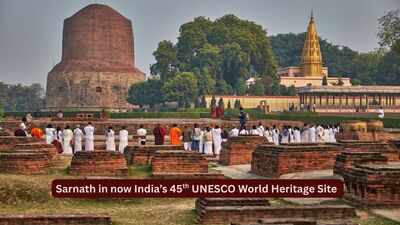
Why Sarnath is an important cultural site

- Sarnath is like an open-air museum of ancient India. Some of the prime attractions include:
- : The stupa was built on the site where Buddha is believed to have delivered his first sermon.
- Chaukhandi Stupa: This is the place where Buddha met his first five disciples.
- Ashokan Pillar ruins
- Sarnath Archaeological Museum: It is home to the original Lion Capital which houses India's finest collections of Buddhist sculptures.
- Mulagandha Kuti Vihara: It is a modern Buddhist temple
- Monasteries built by Buddhist communities from Thailand, Japan, Sri Lanka, Tibet and Myanmar
About the Author
Priya SrivastavaComing from the ‘City of Nawabs’, Lucknow, Priya’s sole motto is to explore life through journeys to unexplored destinations and knitting travel stories. She believes in creating memories, eating like a local, talking to the natives, understanding their way of living and capturing their smile in her camera. Be it quaint little Himalayan villages, grand forts in Rajasthan or serene beaches in Goa or ancient temples in Varanasi, all the destinations have an untold saga, which she tries to unfold! All her journeys, new or old, are etched on the canvas of her heart like a beautiful painting. Experimenting new dishes and experiencing different cultures are some of the things she enjoys the most. It's through travelling that she derives inspiration. An ardent reader, cinema lover and a nascent photographer, she wishes to listen and discover the myriad colours and sounds of nature.


Comments
Post a Comment