08.08.2026.News Untouchable.(English, हिन्दी, தமிழ் )Voice of Sc.STs,Buddhists,Ambedkar ites,Anti SC.ST atrocity news,Employement news)by Sivaji Ayyayiram.9444917060.asivaji1962@gmail.com.FB.sivaji yoga Tiruvannamalai.x.shivajia479023


When Dalits Own Temples: The Politics Behind Rajasthan’s Khakul Dev Dispute
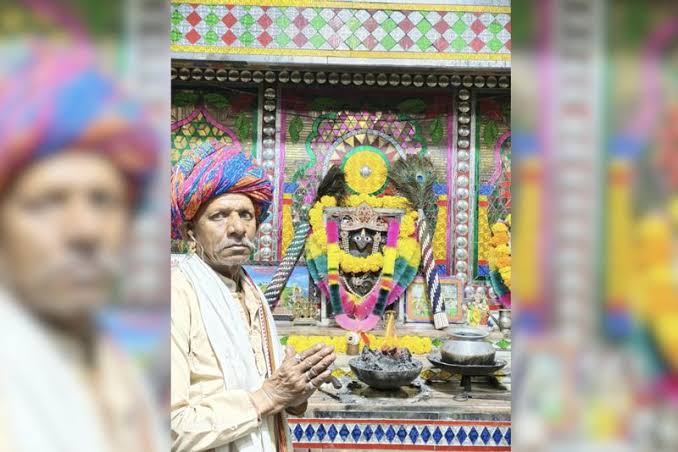
The Balai family is not demanding admission into someone else’s temple. It claims with historical authority that its ancestors established, maintained and served as hereditary priests of the shrine for centuries, and that these rights are now being challenged by people associated with the RSS.
Khakul Dev Temple of Barana village in Rajasthan’s Bhilwara district. In frame, a member of the Balai family, who is the acting priest to the temple. Photo: By arrangement
When Vishnu Kumar Balai, the hereditary priest of the Khakul Dev Temple of Barana village in Rajasthan’s Bhilwara district, wrote to Rashtriya Swayamsevak Sangh (RSS) chief Mohan Bhagwat in May this year asking, “Are we not Hindus?”, his appeal was widely understood as only an instance of caste discrimination and exploitation. But that reading misses what makes the Barana dispute historically and socially significant.
This is not a story about Dalits seeking entry into Brahminical temples or demanding the right to perform rituals in Brahminical spaces. It is about a Dalit family which founded, owned and served as hereditary custodians of a temple for nearly four centuries, and whose assertions whose claims are supported by a body of historical material preserved by the family.
Per the evidence furnished by the family, their position as priests and owners was recognised through a tamrapatra (copper-plate grant), issued by Maharana Karan Singh II of Mewar, grandson of Maharana Pratap, in 1624 CE. That historical continuity makes the present controversy all the more remarkable: a custodianship they say was acknowledged under a 17th-century Mewar ruler now finds itself challenged in 21st-century democratic India.
The Khakul Dev dispute, therefore, raises a question that extends far beyond one village: why has a centuries-old Dalit temple ownership become the subject of contemporary political contestation?
The tradition
The Balai priestly family traces its association with Khakul Dev to Ghasiramji Balai, who, according to family tradition, discovered the deity in the early seventeenth century near present-day Hadkiya village. The shrine was subsequently established at Barana and gradually developed into an important regional place of worship.
The family preserves a body of historical material – including genealogies, temple records, inscriptions and the 1624 tamrapatra – which it documents uninterrupted hereditary succession. The tamrapatra, as attested by the family, recognises their custodianship and ownership over both the temple and land attached to its maintenance, including their right for hereditary priesthood.
Taken together, these records suggest that the family’s claim is rooted in a long tradition of hereditary custodianship rather than being a recent assertion.
Rajasthan’s forgotten non-Brahmin religious landscape
Many of Rajasthan’s most-revered folk shrines evolved outside the framework of orthodox Brahmanical institutions.
Rajputs and Meghwals have historically performed hereditary ritual roles at the shrine of Baba Ramdevji, a 14th century Tomar chief whose cult transcends caste boundaries. In fact, the main temple of Baba Ramdev houses the samadhis of both Ramdevji and Dalibaiji, his Meghwal dharmbehan. Baba Ramdev Tomar, although a Rajput, is viewed as an important figure in the tradition founded by Meghrishi, a Dalit saint. Likewise, the traditions surrounding Pabuji Rathore, another Rajput folk hero, have long depended upon Nayak Bhils and Bhopa communities as hereditary ritual specialists and custodians of oral epics. Most temples dedicated to Gujjar deity Devnarayan are found in Mewar and built by Mewar’s rulers. The current Gogaji shrine at Gogamedi was built by the Bikaner’s rulers, but its tradition of Muslim priests has persisted till the modern era.
Seen in this context, Khakul Dev is less an exception than a surviving example of a much older religious tradition. Recent scholarship has also questioned the assumption that Rajasthan’s religious institutions were historically organised according to a single Brahmanical model,showing that many Lok Devta traditions were sustained through the ritual practices of Bhopas, Bhils, Dalits and other non-Brahmin communities . In Merchants of Virtue, historian Divya Cherian shows how the increasing Brahminisation of Rajput courts during the 18th century reshaped social hierarchies and forms of social legitimacy. The persistence of non-Brahmin hereditary priesthoods at shrines such as Khakul Dev, Ramdevji, Gogamedi and Pabuji points to an older and more socially diverse religious landscape.
Ownership, not entry
Speaking to The Wire over email, social activist and Ambedkarite thinker Bhanwar Meghwanshi, said, “The Khakul Dev temple dispute also brings to light a striking historical irony. The feudal state, notwithstanding its own drawbacks and criticisms, not just recognised Dalits as hereditary priests but also granted them rights over the temples and the land attached to them. Yet, in contemporary democratic India, such hereditary rights are increasingly being challenged. In many places, dominant caste groups, including those classified as OBCs, have sought to wrest control of temples, offerings and attached lands from Dalit custodians, while simultaneously subjecting them to caste-based humiliation and violence.”
Much of the discourse on caste and temples has understandably centred on temple entry – the struggle of Dalits to access spaces from which they were historically excluded. Khakul Dev presents an altogether different question.
The Balai family is not demanding admission into someone else’s temple. It claims with historical authority that its ancestors established, maintained and served as hereditary priests of the shrine for centuries, and that these rights are now being challenged by people associated with the RSS.
The issue, therefore, is not access but owner. It concerns hereditary priesthood, temple management, ritual legitimacy and institutional control. That distinction makes the dispute historically significant.
Pamphlet published by the Dalit villagers for mobilisation against forceful takeover of the temple.
Amid the ongoing dispute, the local Balai community have published and circulated pamphlets. For instance, this publication by the community was intended both, to mobilise support against what they view as an attempt by dominant castes to take over the temple and to document the historical and legal basis of the family’s claim. Photo: By arrangement
The conflict
According to Vishnu Kumar Balai, the conflict began in 2023, when influential villagers questioned the family’s exclusive custodianship of the temple. He has alleged that Sampat Jat, along with others, attempted to alter the temple’s traditional management and remove the hereditary priesthood. He has also highlighted that Sampat and other accused are members of RSS.
The disagreement intensified over the following two years. Vishnu maintains that the annual Khakul Dev fair, traditionally organised within the temple precincts, had to be shifted elsewhere because of the dispute.
The conflict turned violent on August 14, 2025, when Vishnu alleged that he and his family were assaulted inside the temple, subjected to caste-based abuse and prevented from performing religious duties. An FIR was registered under provisions of the Bharatiya Nyaya Sanhita (BNS) and the Scheduled Castes and Scheduled Tribes (Prevention of Atrocities) (SC/ST) Act. He further alleged that a separate donation box was installed and that efforts were initiated to constitute a new committee to manage the temple.
As the dispute continued, the Rajasthan administration appointed the local Tehsildar as Receiver to oversee the temple pending legal proceedings. Vishnu argues that this effectively displaced his family’s hereditary custodianship.
In May 2026, he wrote an open letter to Mohan Bhagwat alleging that local RSS workers had supported attempts to remove him from the temple and asking whether the organisation’s commitment to social harmony extended to protecting a Dalit hereditary priest.
Barely two months later, on July 16, 2026, Vishnu was assaulted again while preparing to conduct rituals at the shrine. Police registered fresh cases under the BNS and the SC/ST Act, while counter-complaints were also lodged.
The Barana dispute has already resonated beyond the village. Community publications such as Balai Samaj Darpan News24 have framed the issue not simply as a conflict over temple management but as an attempt to displace a hereditary Dalit priesthood. It draws attention to a question largely absent from contemporary discussions on caste and religion: why is the traditional Dalit custodianship of temples being made a subject of socio-political conflict now?
When religious structure acquires economic value
One aspect of the controversy has received surprisingly little attention – the economics of temple management.
For centuries, many shrines maintained by Dalit and other non-Brahmin priestly families remained local institutions with modest offerings and limited public attention. Their hereditary custodianship rarely became a matter of contestation. In January 2026, a rightwing activist Riddhima Sharma tried to mobilise communal sentiments opposing the tradition of Muslim priests at the Gogamedi shrine.
Khakul Dev temple occupies a similar position. According to those seeking changes in the temple’s administration, the shrine now attracts substantial offerings and donations, necessitating a more formal management structure. Vishnu Kumar Balai, however, views these demands as an attempt to dispossess a hereditary priesthood whose authority predates the temple’s contemporary prosperity.
Hence, as religious institutions acquire greater economic and symbolic value, long-settled traditions of local non-Brahmin custodianship may become vulnerable to competing claims of management and authority.
Symbolic inclusion versus institutional power
For many decades, RSS and Hindutva organisations have performed ceremonial support for Dalit priesthood to cultivate an inclusive image. However, the Khakul Dev controversy highlights a more difficult question.
There is a fundamental difference between permitting Dalits to perform rituals in temples owned and administered by others and recognising the Dalit community’s historical claim to owning and exercising hereditary authority over a temple institution itself.
The Khakul Dev dispute also adds a different aspect to the anti-caste discourse. Most scholarship has examined Dalits as communities excluded from temples.
Here, however, the historical evidence points in the opposite direction: a Dalit community claiming to have founded and administered a temple whose authority is now being questioned. This reverses the conventional framework through which caste and temple politics are usually understood.
Adityakrishna Deora
Adityakrishna Deora is a mechanical engineer and social science enthusiast.
Courtesy ; The Wire

தலித்துகள் கோயில்களைச் சொந்தமாக்கும்போது: ராஜஸ்தானின் ககுல் தேவ் சர்ச்சையின் பின்னணியில் உள்ள அரசியல்
பாலாய் குடும்பத்தினர் பிறருடைய கோவிலில் அனுமதி கோரவில்லை. தங்கள் முன்னோர்கள் பல நூற்றாண்டுகளாக அந்த ஆலயத்தை நிறுவி, பராமரித்து, பரம்பரை அர்ச்சகர்களாகப் பணியாற்றி வந்ததாகவும், தற்போது ஆர்.எஸ்.எஸ். அமைப்புடன் தொடர்புடையவர்களால் இந்த உரிமைகள் சவால் செய்யப்படுவதாகவும் அந்நிறுவனம் வரலாற்று ஆதாரத்துடன் கூறுகிறது.
ராஜஸ்தானின் பில்வாரா மாவட்டத்தில் உள்ள பரானா கிராமத்தில் அமைந்துள்ள ககுல் தேவ் கோயில். படத்தில், கோயிலின் தற்காலிக அர்ச்சகராக இருக்கும் பாலாய் குடும்ப உறுப்பினர் ஒருவர் உள்ளார். புகைப்படம்: ஏற்பாட்டின்படி.
ராஜஸ்தானின் பில்வாரா மாவட்டத்தில் உள்ள பரானா கிராமத்தின் ககுல் தேவ் கோயிலின் பரம்பரை அர்ச்சகரான விஷ்ணு குமார் பாலாய், இந்த ஆண்டு மே மாதம் ராஷ்ட்ரிய ஸ்வயம்சேவக் சங்கத்தின் (RSS) தலைவர் மோகன் பகவத்துக்கு, “நாங்கள் இந்துக்கள் இல்லையா?” என்று கடிதம் எழுதியபோது, அவரது வேண்டுகோள் சாதிப் பாகுபாடு மற்றும் சுரண்டலின் ஒரு நிகழ்வாக மட்டுமே பரவலாகப் புரிந்துகொள்ளப்பட்டது. ஆனால் அந்தப் பார்வை, பரானா சர்ச்சையை வரலாற்று ரீதியாகவும் சமூக ரீதியாகவும் முக்கியத்துவம் வாய்ந்ததாக ஆக்கும் அம்சத்தைத் தவறவிடுகிறது.
இது, தலித்துகள் பிராமணக் கோயில்களில் நுழைய முயல்வது பற்றியோ அல்லது பிராமணர்களின் வழிபாட்டுத் தலங்களில் சடங்குகளைச் செய்யும் உரிமையைக் கோருவது பற்றியோ ஆன கதை அல்ல. இது, ஏறக்குறைய நான்கு நூற்றாண்டுகளாக ஒரு கோயிலை நிறுவி, அதற்குச் சொந்தக்காரர்களாக இருந்து, அதன் பரம்பரைப் பாதுகாவலர்களாகச் சேவை செய்த ஒரு தலித் குடும்பத்தைப் பற்றியது; மேலும், அக்குடும்பத்தால் பாதுகாக்கப்பட்டு வரும் வரலாற்றுச் சான்றுகளின் தொகுப்பால் அவர்களின் கூற்றுகளும் உரிமைக்கோரல்களும் ஆதரிக்கப்படுகின்றன.
குடும்பத்தினர் அளித்த சான்றுகளின்படி, கி.பி. 1624-ல் மகாராணா பிரதாப்பின் பேரனான மேவார் மகாராணா கரண் சிங் II வழங்கிய தாமிரபாத்திரம் (செப்புத் தகடு மானியம்) மூலம், பூசாரிகள் மற்றும் உரிமையாளர்கள் என்ற அவர்களின் நிலை அங்கீகரிக்கப்பட்டது. அந்த வரலாற்றுத் தொடர்ச்சி, தற்போதைய சர்ச்சையை மேலும் குறிப்பிடத்தக்கதாக ஆக்குகிறது: 17-ஆம் நூற்றாண்டு மேவார் ஆட்சியாளரின் கீழ் அங்கீகரிக்கப்பட்டதாக அவர்கள் கூறும் ஒரு காப்பாளர் உரிமை, இப்போது 21-ஆம் நூற்றாண்டு ஜனநாயக இந்தியாவில் சவாலுக்கு உள்ளாகியுள்ளது.
எனவே, ககுல் தேவ் தகராறு, ஒரு கிராமத்தைத் தாண்டி வெகுதூரம் செல்லும் ஒரு கேள்வியை எழுப்புகிறது: பல நூற்றாண்டுகள் பழமையான தலித் கோயில் உரிமை, ஏன் தற்கால அரசியல் போட்டியின் பொருளாக மாறியுள்ளது?
பாரம்பரியம்
பாலாய் பூசாரி குடும்பம், ககுல் தேவ் உடனான தங்கள் தொடர்பை கசிராம்ஜி பாலாய் என்பவரிடம் இருந்து கண்டறிகிறது. குடும்ப மரபின்படி, அவர் பதினேழாம் நூற்றாண்டின் தொடக்கத்தில் தற்போதைய ஹட்கியா கிராமத்திற்கு அருகில் அந்தத் தெய்வத்தைக் கண்டுபிடித்தார். அதைத் தொடர்ந்து, அந்த ஆலயம் பரானாவில் நிறுவப்பட்டு, படிப்படியாக ஒரு முக்கியமான பிராந்திய வழிபாட்டுத் தலமாக வளர்ந்தது.
அந்தக் குடும்பம், தடையற்ற பரம்பரை வாரிசுரிமையை ஆவணப்படுத்தும் வம்சாவளிகள், கோயில் பதிவுகள், கல்வெட்டுகள் மற்றும் 1624 ஆம் ஆண்டின் தாமிரவாத்திரம் உள்ளிட்ட வரலாற்றுச் சான்றுகளைப் பாதுகாத்து வருகிறது. அந்தக் குடும்பத்தால் சான்றளிக்கப்பட்ட தாமிரவாத்திரமானது, கோயில் மற்றும் அதன் பராமரிப்புடன் இணைந்த நிலம் ஆகிய இரண்டின் மீதான அவர்களின் பாதுகாவல் மற்றும் உரிமையையும், பரம்பரை புரோகிதப் பதவிக்கான அவர்களின் உரிமையையும் அங்கீகரிக்கிறது.
ஒட்டுமொத்தமாகப் பார்க்கையில், இந்தப் பதிவுகள், அக்குடும்பத்தின் உரிமைக்கோரல் ஒரு சமீபத்திய கூற்றாக இல்லாமல், பரம்பரை உரிமைப் பாதுகாப்பின் நீண்ட பாரம்பரியத்தில் வேரூன்றியுள்ளது என்பதையே சுட்டிக்காட்டுகின்றன.
ராஜஸ்தானின் மறக்கப்பட்ட பிராமணரல்லாத மத நிலப்பரப்பு
ராஜஸ்தானின் மிகவும் போற்றப்படும் பல நாட்டுப்புறத் தலங்கள், மரபுவழி பிராமண நிறுவனங்களின் கட்டமைப்பிற்கு வெளியே உருவானவை.
14 ஆம் நூற்றாண்டின் தோமர் தலைவரான பாபா ராம்தேவ்ஜியின் வழிபாட்டுத் தலத்தில், ராஜபுத்திரர்களும் மேக்வால்களும் வரலாற்று ரீதியாக பரம்பரை சடங்குப் பணிகளை ஆற்றி வந்துள்ளனர். இவரது வழிபாடு சாதி எல்லைகளைக் கடந்தது. உண்மையில், பாபா ராம்தேவின் பிரதான கோவிலில் ராம்தேவ்ஜி மற்றும் அவரது மேக்வால் தர்மபெஹனான தாலிபாய்ஜி ஆகிய இருவரின் சமாதிகளும் அமைந்துள்ளன. பாபா ராம்தேவ் தோமர் ஒரு ராஜபுத்திரராக இருந்தபோதிலும், தலித் துறவியான மேக்ரிஷியால் நிறுவப்பட்ட பாரம்பரியத்தில் ஒரு முக்கிய நபராகக் கருதப்படுகிறார். இதேபோல், மற்றொரு ராஜபுத்திர நாட்டுப்புற நாயகனான பாபுஜி ரத்தோரைச் சுற்றியுள்ள மரபுகள், பரம்பரை சடங்கு நிபுணர்களாகவும் வாய்மொழி இதிகாசங்களின் பாதுகாவலர்களாகவும் நாயக் பில் மற்றும் போபா சமூகங்களை நீண்ட காலமாகச் சார்ந்துள்ளன. குஜ்ஜர் தெய்வமான தேவ்நாராயணனுக்கு அர்ப்பணிக்கப்பட்ட பெரும்பாலான கோவில்கள் மேவாரில் காணப்படுகின்றன, மேலும் அவை மேவார் ஆட்சியாளர்களால் கட்டப்பட்டவை. கோகமேடியில் உள்ள தற்போதைய கோகாஜி ஆலயம் பிகானேர் ஆட்சியாளர்களால் கட்டப்பட்டது, ஆனால் அதன் முஸ்லிம் பூசாரிகள் பாரம்பரியம் நவீன காலம் வரை நீடித்து வருகிறது.
இந்தச் சூழலில் பார்க்கும்போது, ககுல் தேவ் ஒரு விதிவிலக்காக இருப்பதைக் காட்டிலும், மிகவும் பழமையான ஒரு மதப் பாரம்பரியத்தின் எஞ்சியிருக்கும் ஒரு எடுத்துக்காட்டாக விளங்குகிறது. ராஜஸ்தானின் மத நிறுவனங்கள் வரலாற்று ரீதியாக ஒரே பிராமண மாதிரியின்படி ஒழுங்கமைக்கப்பட்டிருந்தன என்ற அனுமானத்தை அண்மைக்கால ஆய்வுகள் கேள்விக்குள்ளாக்கியுள்ளன; பல லோக் தேவதா மரபுகள் போபாக்கள், பீல்கள், தலித்துகள் மற்றும் பிற பிராமணரல்லாத சமூகங்களின் சடங்குப் பழக்கவழக்கங்கள் மூலம் நிலைநிறுத்தப்பட்டன என்பதையும் அவை காட்டுகின்றன. 'மெர்ச்சண்ட்ஸ் ஆஃப் விர்ச்சு' என்ற நூலில், வரலாற்றாசிரியர் திவ்யா செரியன், 18 ஆம் நூற்றாண்டில் ராஜபுத்திர அரசவைகளில் அதிகரித்து வந்த பிராமணமயமாக்கல், சமூகப் படிநிலைகளையும் சமூக அங்கீகார வடிவங்களையும் எவ்வாறு மறுவடிவமைத்தது என்பதைக் காட்டுகிறார். ககுல் தேவ், ராம்தேவ்ஜி, கோகமேதி மற்றும் பாபுஜி போன்ற புனிதத் தலங்களில் பிராமணரல்லாதவர்களின் பரம்பரை புரோகிதங்கள் நீடிப்பது, ஒரு பழமையான மற்றும் சமூக ரீதியாக மிகவும் பன்முகத்தன்மை வாய்ந்த மதச் சூழலைச் சுட்டிக்காட்டுகிறது.
உரிமை, நுழைவு அல்ல
தி வயர் பத்திரிகைக்கு மின்னஞ்சல் வழியாகப் பேசிய சமூக ஆர்வலரும் அம்பேத்கரிய சிந்தனையாளருமான பன்வர் மேக்வன்ஷி, “காகுல் தேவ் கோயில் தகராறு ஒரு வியக்கத்தக்க வரலாற்று முரண்பாட்டையும் வெளிச்சத்திற்குக் கொண்டுவருகிறது. நிலப்பிரபுத்துவ அரசு, அதன் சொந்தக் குறைபாடுகளையும் விமர்சனங்களையும் பொருட்படுத்தாமல், தலித்துகளைப் பரம்பரை அர்ச்சகர்களாக அங்கீகரித்தது மட்டுமல்லாமல், கோயில்கள் மற்றும் அவற்றுடன் இணைந்த நிலங்களின் மீதான உரிமைகளையும் அவர்களுக்கு வழங்கியது. ஆயினும், தற்கால ஜனநாயக இந்தியாவில், அத்தகைய பரம்பரை உரிமைகள் பெருகிய முறையில் சவாலுக்குட்படுத்தப்படுகின்றன. பல இடங்களில், இதர பிற்படுத்தப்பட்ட வகுப்பினர் என வகைப்படுத்தப்பட்டவர்கள் உட்பட ஆதிக்கச் சாதி குழுக்கள், தலித் பாதுகாவலர்களிடமிருந்து கோயில்கள், காணிக்கைகள் மற்றும் அவற்றுடன் இணைந்த நிலங்களின் மீதான கட்டுப்பாட்டைப் பறிக்க முயல்கின்றன; அதே நேரத்தில் அவர்களைச் சாதி அடிப்படையிலான அவமானத்திற்கும் வன்முறைக்கும் உள்ளாக்குகின்றன,” என்று கூறினார்.
சாதி மற்றும் கோயில்கள் குறித்த பெரும்பாலான விவாதங்கள், இயல்பாகவே கோயில் நுழைவை மையமாகக் கொண்டிருந்தன – அதாவது, வரலாற்று ரீதியாகத் தாங்கள் ஒதுக்கப்பட்டிருந்த இடங்களுக்குள் தலித்துகள் நுழைவதற்கான போராட்டத்தை. ககுல் தேவ் முற்றிலும் மாறுபட்ட ஒரு கேள்வியை முன்வைக்கிறார்.
பாலாய் குடும்பத்தினர் பிறருடைய கோவிலில் அனுமதி கோரவில்லை. தங்கள் முன்னோர்கள் பல நூற்றாண்டுகளாக அந்த ஆலயத்தை நிறுவி, பராமரித்து, பரம்பரை அர்ச்சகர்களாகப் பணியாற்றி வந்ததாகவும், தற்போது ஆர்.எஸ்.எஸ். அமைப்புடன் தொடர்புடையவர்களால் இந்த உரிமைகள் சவால் செய்யப்படுவதாகவும் அந்நிறுவனம் வரலாற்று ஆதாரத்துடன் கூறுகிறது.
எனவே, பிரச்சினை அணுகல் பற்றியதல்ல, மாறாக உரிமையாளர் பற்றியது. இது பரம்பரை குருத்துவம், கோயில் நிர்வாகம், சடங்குகளின் சட்டபூர்வத்தன்மை மற்றும் நிறுவனக் கட்டுப்பாடு ஆகியவற்றைச் சார்ந்தது. அந்த வேறுபாடுதான் இந்த சர்ச்சையை வரலாற்று முக்கியத்துவம் வாய்ந்ததாக ஆக்குகிறது.
கோயிலை வலுக்கட்டாயமாகக் கைப்பற்றுவதற்கு எதிராக அணிதிரள்வதற்காக தலித் கிராம மக்களால் வெளியிடப்பட்ட துண்டுப்பிரசுரம்.
தொடர்ந்து நடைபெற்று வரும் சர்ச்சைக்கிடையே, உள்ளூர் பாலாய் சமூகம் துண்டுப் பிரசுரங்களை வெளியிட்டுப் பரப்பி வருகிறது. உதாரணமாக, ஆதிக்கச் சாதியினர் கோயிலைக் கைப்பற்ற முயற்சிப்பதாக அவர்கள் கருதுவதற்கு எதிராக ஆதரவைத் திரட்டுவதையும், குடும்பத்தின் உரிமைகோரலுக்கான வரலாற்று மற்றும் சட்ட அடிப்படையை ஆவணப்படுத்துவதையும் நோக்கமாகக் கொண்டு இந்தத் துண்டுப் பிரசுரம் வெளியிடப்பட்டது. புகைப்படம்: ஏற்பாட்டின்படி
மோதல்
விஷ்ணு குமார் பாலையின் கூற்றுப்படி, 2023-ஆம் ஆண்டில், செல்வாக்கு மிக்க கிராமவாசிகள் கோவிலின் பிரத்யேகப் பாதுகாவலர் உரிமையை அந்தக் குடும்பத்திற்கு வழங்கியதை கேள்விக்குட்படுத்தியபோது இந்த மோதல் தொடங்கியது. சம்பத் ஜாட், மற்றவர்களுடன் சேர்ந்து, கோவிலின் பாரம்பரிய நிர்வாகத்தை மாற்றவும், பரம்பரை அர்ச்சகர் பதவியை அகற்றவும் முயன்றதாக அவர் குற்றம் சாட்டியுள்ளார். மேலும், சம்பத் மற்றும் குற்றம் சாட்டப்பட்ட மற்றவர்கள் ஆர்.எஸ்.எஸ். உறுப்பினர்கள் என்பதையும் அவர் சுட்டிக்காட்டியுள்ளார்.
அடுத்த இரண்டு ஆண்டுகளில் இந்தக் கருத்து வேறுபாடு தீவிரமடைந்தது. இந்தச் சர்ச்சை காரணமாக, பாரம்பரியமாக கோயில் வளாகத்திற்குள் ஆண்டுதோறும் நடத்தப்படும் ககுல் தேவ் திருவிழாவை வேறு இடத்திற்கு மாற்ற வேண்டியிருந்தது என்று விஷ்ணு கூறுகிறார்.
ஆகஸ்ட் 14, 2025 அன்று, விஷ்ணு கோவிலுக்குள் தன்னையும் தனது குடும்பத்தினரையும் தாக்கியதாகவும், சாதி அடிப்படையிலான அவதூறுகளுக்கு உள்ளாக்கியதாகவும், மதக் கடமைகளைச் செய்யவிடாமல் தடுத்ததாகவும் குற்றம் சாட்டியபோது, இந்த மோதல் வன்முறையாக மாறியது. பாரதிய நியாய சம்ஹிதா (பி.என்.எஸ்) மற்றும் பட்டியல் சாதியினர் மற்றும் பழங்குடியினர் (வன்கொடுமைத் தடுப்பு) (எஸ்.சி/எஸ்.டி) சட்டத்தின் விதிகளின் கீழ் ஒரு முதல் தகவல் அறிக்கை (FIR) பதிவு செய்யப்பட்டது. மேலும், தனியாக ஒரு நன்கொடைப் பெட்டி நிறுவப்பட்டதாகவும், கோவிலை நிர்வகிக்க ஒரு புதிய குழுவை அமைப்பதற்கான முயற்சிகள் தொடங்கப்பட்டதாகவும் அவர் குற்றம் சாட்டினார்.
சர்ச்சை தொடர்ந்ததால், சட்ட நடவடிக்கைகள் முடியும் வரை கோயிலைக் கண்காணிக்க ராஜஸ்தான் நிர்வாகம் உள்ளூர் வட்டாட்சியரை பெறுநராக நியமித்தது. இது தனது குடும்பத்தின் பரம்பரைப் பாதுகாவலர் உரிமையை திறம்பட நீக்கிவிட்டது என்று விஷ்ணு வாதிடுகிறார்.
2026 ஆம் ஆண்டு மே மாதம், தன்னை கோயிலில் இருந்து அகற்றும் முயற்சிகளுக்கு உள்ளூர் ஆர்.எஸ்.எஸ். தொண்டர்கள் ஆதரவளித்ததாகக் குற்றம் சாட்டியும், ஒரு தலித் பரம்பரை பூசாரியைப் பாதுகாக்கும் அளவிற்கு அந்த அமைப்பின் சமூக நல்லிணக்க அர்ப்பணிப்பு உள்ளதா என்று கேட்டும், அவர் மோகன் பகவத்திற்கு ஒரு பகிரங்கக் கடிதம் எழுதினார்.
சுமார் இரண்டு மாதங்களுக்குப் பிறகு, 2026 ஜூலை 16 அன்று, கோவிலில் சடங்குகளை நடத்தத் தயாராகிக் கொண்டிருந்த விஷ்ணு மீண்டும் தாக்கப்பட்டார். காவல்துறையினர் பிஎன்எஸ் மற்றும் பட்டியல் சாதியினர்/பழங்குடியினர் சட்டத்தின் கீழ் புதிய வழக்குகளைப் பதிவு செய்ததோடு, எதிர் புகார்களும் அளிக்கப்பட்டன.
பரானா தகராறு ஏற்கனவே கிராமத்தைத் தாண்டி எதிரொலித்துள்ளது. பாலாய் சமாஜ் தர்ப்பன் நியூஸ்24 போன்ற சமூக வெளியீடுகள், இந்தப் பிரச்சினையை வெறும் கோயில் நிர்வாகம் தொடர்பான மோதலாக மட்டும் சித்தரிக்காமல், பரம்பரை தலித் பூசாரிகளை இடம்பெயரச் செய்யும் ஒரு முயற்சியாகவும் சித்தரித்துள்ளன. சாதி மற்றும் மதம் குறித்த சமகால விவாதங்களில் பெரும்பாலும் இடம்பெறாத ஒரு கேள்விக்கு இது கவனத்தை ஈர்க்கிறது: கோயில்களின் பாரம்பரிய தலித் பொறுப்புரிமை, இப்போது ஏன் ஒரு சமூக-அரசியல் மோதலின் பொருளாக ஆக்கப்படுகிறது?
மதக் கட்டமைப்பு பொருளாதார மதிப்பைப் பெறும்போது
இந்த சர்ச்சையின் ஒரு அம்சம், அதாவது கோயில் நிர்வாகத்தின் பொருளாதாரம், ஆச்சரியப்படும் விதமாக மிகக் குறைந்த கவனத்தையே பெற்றுள்ளது.
பல நூற்றாண்டுகளாக, தலித் மற்றும் பிற பிராமணரல்லாத பூசாரி குடும்பங்களால் பராமரிக்கப்பட்டு வந்த பல வழிபாட்டுத் தலங்கள், குறைந்த காணிக்கைகளுடனும், குறைந்த பொது கவனத்துடனும் உள்ளூர் நிறுவனங்களாகவே இருந்து வந்தன. அவற்றின் பரம்பரைப் பொறுப்பு அரிதாகவே சர்ச்சைக்குரிய விஷயமாக மாறியது. ஜனவரி 2026-ல், வலதுசாரி செயற்பாட்டாளரான ரித்திமா ஷர்மா, கோகமேடி வழிபாட்டுத் தலத்தில் முஸ்லிம் பூசாரிகள் இருக்கும் பாரம்பரியத்தை எதிர்த்து, வகுப்புவாத உணர்வுகளைத் திரட்ட முயன்றார்.
ககுல் தேவ் கோயிலும் இதே போன்ற ஒரு நிலையில்தான் உள்ளது. கோயிலின் நிர்வாகத்தில் மாற்றங்களைக் கோருபவர்களின் கூற்றுப்படி, தற்போது அந்த ஆலயம் கணிசமான காணிக்கைகளையும் நன்கொடைகளையும் ஈர்ப்பதால், மேலும் முறையான ஒரு நிர்வாகக் கட்டமைப்பு அவசியமாகிறது. இருப்பினும், விஷ்ணு குமார் பாலாய், இந்தக் கோரிக்கைகளை, கோயிலின் தற்கால செழிப்புக்கு முன்பிருந்தே அதிகாரத்தைக் கொண்டிருந்த ஒரு பரம்பரை அர்ச்சகர் குழுவைப் பதவியிலிருந்து அகற்றும் முயற்சி என்று கருதுகிறார்.
எனவே, சமய நிறுவனங்கள் அதிக பொருளாதார மற்றும் குறியீட்டு மதிப்பைப் பெறும்போது, நீண்ட காலமாக நிலைபெற்ற உள்ளூர் பிராமணர் அல்லாதோரின் பொறுப்புடைமை மரபுகள், நிர்வாகம் மற்றும் அதிகாரத்திற்கான போட்டி உரிமைகோரல்களால் பாதிப்புக்குள்ளாகலாம்.
குறியீட்டு உள்ளடக்கமும் நிறுவன அதிகாரமும்
பல தசாப்தங்களாக, ஆர்.எஸ்.எஸ் மற்றும் இந்துத்துவா அமைப்புகள், அனைவரையும் உள்ளடக்கிய ஒரு பிம்பத்தை வளர்ப்பதற்காக, தலித் மதகுருமார்களுக்கு சடங்கு ரீதியான ஆதரவை வழங்கி வருகின்றன. இருப்பினும், ககுல் தேவ் சர்ச்சை இதைவிட மிகவும் கடினமான ஒரு கேள்வியை முன்னிலைப்படுத்துகிறது.
பிறருக்குச் சொந்தமான மற்றும் அவர்களால் நிர்வகிக்கப்படும் கோயில்களில் தலித்துகள் சடங்குகளைச் செய்ய அனுமதிப்பதற்கும், ஒரு கோயில் நிறுவனத்தைத் தனக்கே சொந்தமாகக் கொண்டு அதன் மீது பரம்பரை அதிகாரத்தைச் செலுத்தும் தலித் சமூகத்தின் வரலாற்று உரிமையை அங்கீகரிப்பதற்கும் இடையே ஒரு அடிப்படை வேறுபாடு உள்ளது.
ககுல் தேவ் சர்ச்சை, சாதி எதிர்ப்பு உரையாடலுக்கு ஒரு மாறுபட்ட பரிமாணத்தையும் சேர்க்கிறது. பெரும்பாலான ஆய்வுகள், தலித்துகளைக் கோயில்களிலிருந்து விலக்கப்பட்ட சமூகங்களாகவே ஆராய்ந்துள்ளன.
இருப்பினும், இங்கே வரலாற்றுச் சான்றுகள் இதற்கு நேர்மாறான திசையையே சுட்டிக்காட்டுகின்றன: ஒரு தலித் சமூகம் தாங்கள் ஒரு கோயிலை நிறுவி நிர்வகித்ததாகக் கூறிக்கொள்கிறது, ஆனால் அதன் அதிகாரம் தற்போது கேள்விக்குள்ளாக்கப்படுகிறது. இது, சாதி மற்றும் கோயில் அரசியல் வழக்கமாகப் புரிந்துகொள்ளப்படும் மரபுசார் கட்டமைப்பைத் தலைகீழாக மாற்றுகிறது.
ஆதித்யகிருஷ்ண தேவ்ரா
ஆதித்யகிருஷ்ண தேயோரா ஒரு இயந்திரப் பொறியாளர் மற்றும் சமூக அறிவியல் ஆர்வலர் ஆவார்.
நன்றி ; தி வயர்

‘Who Killed My Family?’: Rajasthan Court Acquits All 40 Accused in 2015 Dangawas Dalit Massacre, Cites Police and CBI Probe Failures
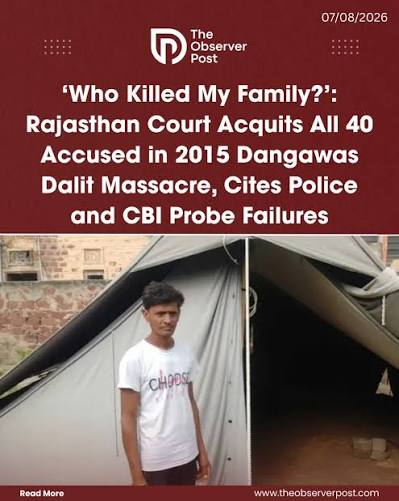
A special court in Rajasthan’s Merta has acquitted all 40 accused in the 2015 Dangawas massacre case, in which six people, including five Dalits, were killed, citing serious lapses in the police and CBI investigation. The court held that while the massacre was proven, the prosecution failed to establish the involvement of any particular accused beyond reasonable doubt.
Court Says Investigation Failed to Link Accused to Crime
Delivering its verdict after an 11-year trial, the Special Court for SC/ST (Prevention of Atrocities) Act cases observed that investigators failed to conduct a Test Identification Parade (TIP) after the arrests and did not collect DNA samples from the accused to match blood recovered from the crime scene.
The court also noted delays in forensic examination and said investigators could not establish any forensic connection between the recovered weapons and the accused. Although forensic reports confirmed the presence of human blood on some seized weapons, the blood groups could not be conclusively matched with the deceased or injured victims.
“It is not proved which party initiated the incident… The prosecution failed to prove beyond reasonable doubt the absence of the right of private defence,” the court said, adding that the evidence did not meet the required legal standard for conviction.
2015 Dangawas Massacre
The violence took place on May 14, 2015, in Dangawas village of Rajasthan’s Nagaur district over a decades-old land dispute. According to the CBI charge sheet, nearly 200 people travelling on tractors and motorcycles allegedly attacked members of the Dalit Meghwal community who had set up a camp on disputed agricultural land.
Five Dalits — Ratnaram, Pokharram, Pancharam, Khemaram and Ganpatram Meghwal — were killed, while 11 others, including five women, sustained injuries. Another man, Rampal Goswami, also died during the violence in a separate incident that remains subject to a different criminal case.
The dispute centred around a 23-bigha plot of land allotted to Dalit farmer Bastaram Meghwal in 1961. The ownership was later transferred to his adopted son Ratnaram. The CBI alleged that tensions escalated after Ratnaram attempted to reclaim possession of the land, culminating in the deadly attack.
Court Highlights Multiple Procedural Lapses
The court pointed to several deficiencies in the investigation, including the failure to conduct identification parades, recover weapons from the accused, and seize or forensically examine tractors allegedly used during the attack.
It also noted that no witness identified all 40 accused and that several witnesses admitted they knew only a few members of the alleged mob. The Central Forensic Science Laboratory visited the crime scene 21 days after the incident, by which time no weapons were recovered.
In its judgment, the court remarked that the incident itself was beyond dispute but the prosecution failed to legally establish who was responsible.
“What occurred on 14.05.2015… was beyond any doubt a heinous and heart-wrenching mass violence. What has not been proven is the connection, beyond reasonable doubt, of any particular accused to that violence,” the court observed.
It further clarified that the acquittal did not mean the crime never occurred, but only that the perpetrators could not be identified through admissible evidence.
Victims’ Families Question Verdict
Speaking to The Wire after the verdict, Arjunram Meghwal, whose father Ratnaram was among those killed, said he was devastated by the acquittal and questioned how no one could be held responsible for the massacre.
“I had hoped that those who murdered my father and other relatives would be punished. But today, after the court’s decision, I don’t know what to do. If nobody is guilty, then who killed my family? Did they die themselves?” he said.
Arjunram, who was also injured in the attack, said he witnessed the killings and could not understand how the accused had been acquitted. His family has said it will challenge the verdict before the Rajasthan High Court.
Victims’ counsel Abdul Salim Ansari alleged that the investigation had been weak from the beginning, claiming that the police omitted names mentioned by eyewitnesses in the FIR and later added others, creating inconsistencies that persisted throughout the trial.
Activists, Congress Criticise Verdict
Dalit rights activist Bhanwar Meghvanshi told The Wire that the acquittal exposed the difficulties Dalits face in securing justice. He argued that despite the CBI filing chargesheets, the prosecution failed to establish the case in court.
“This shows how difficult it is for Dalits to get justice. This is eroding trust in the justice system and the constitutional guarantee of justice,” he said, urging the Rajasthan government to challenge the trial court’s judgment before the High Court.
Congress leader and former Rajasthan Chief Minister Ashok Gehlot also criticised the verdict, questioning how all 40 accused could be acquitted when six people had lost their lives. He said the outcome highlighted serious shortcomings in the investigation and prosecution and demanded accountability from the BJP government.
Meanwhile, counsel for the accused welcomed the verdict, maintaining that the investigation had not been fair and asserting that the accused had no role in the violence. The defence also claimed the disputed land belonged to their clients and rejected allegations that a large armed mob had gathered before the incident.
Courtesy : TOP

Article 326 (with the 61st Amendment, 1988-89)
The most powerful (constitutional) right is the right to vote; it is this right that forms the government, shapes policies, and grants the authority to implement them.
It is lamentable that, despite possessing such a powerful right, approximately 90 percent of the country's population remains enslaved—and has been so for the past 75 years—to a small, dominant group.
While there is no lack of physical or collective strength, there is a lack of unified collective thinking. Consequently, the vote is fragmented; cunning and manipulative individuals use inducements and various tactics to keep this 90 percent away from power and in a state of subjugation, all while claiming to establish 'Ram Rajya'.
Since independence, 131 Members of Parliament from Scheduled Castes and Scheduled Tribes, and 112 from Backward Classes, have reached Parliament through the reservation system.
Yet, their mindset is consumed by greed, and they seem to revel in their subservience.
'Manuvadi' parties treat them like domesticated animals.
The root cause of this enslavement is the lack of education, true knowledge, and a rational, enlightened mindset.
Let us study and understand the writings of Babasaheb.
By doing so, we will attain power, earn respect, and liberate ourselves from servitude.
Let us set aside personal self-interest and work unitedly for the collective good.
Let us understand our constitutional rights, cultivate a far-sighted vision, dream big, and work in the right direction.
Dr. B.S. Satyarthi
Art 326 with Amendment No 61 year 1988-89
सबसे शक्तिशाली अधिकार ( संवैधानिक) , वोट का अधिकार है जिससे सरकार बनती है ,नीतियां बनती है नीतियां को लागू करने की शक्ति मिलती है।
दुख इस बात का है कि इतने शक्तिशाली अधिकार के पश्चात भी लगभग देश की 90 प्रतिशत अबादी एक छोटे से ग्रुप की गुलाम है पीछे से नहीं, बात करते हैं 75 सालों से गुलाम है ।
शारीरिक बल, सामुदायिक बल पूरा है लेकिन सामुदायिक सोच एक नहीं है। जिससे वोट बिखरा हुआ है ,चतुर चालक लोग लालच दे कर तरह तर3है से काम कर रहे हैं कि 90 प्रतिशत को सत्ता से दूर रख कर गुलाम बना कर रामराज्य बनाया जाए।
स्वतंत्रता के बाद 131 संसद आ सूचित जाती अनुसूचित जन जाति के एवं 112 पिछड़ा वर्ग से जो रिजर्वेशन के द्वारा संसद में कहुँचते है ।
इनकी मनोदशा लालच में ग्रसित एवं गुलामी का आनंद ले रही है ।
मनुवादी दल उन्हें पालतू जानवर की तरहै प्रयोग कर रही है।
शिक्षा एवं सही ज्ञान के साथ सम्यक सोच का अभाव मुख्य कारण है गुलामी का।
आओ बाबासाहेब के साहित्य का अध्ययन करें एवं समझे ।
सत्ता प्राप्त होगी, सम्मान मिल3गा गुलामी से मुक्ति मिलेगी।
व्यक्तिगत स्वार्थ को छोड़ कर सामाजिकता के साथ एक जुट हो काम करें।
संवैधानिक अधिकारों को समझे, सोच को दूरगामी बनाते हुए बड़े सपने देखें और सही दिशा में कार्य करें।
डॉ बी एस सत्यार्थी.

Two days after getting doxed, Telugu Dalit content creator’s account suspended by Instagram
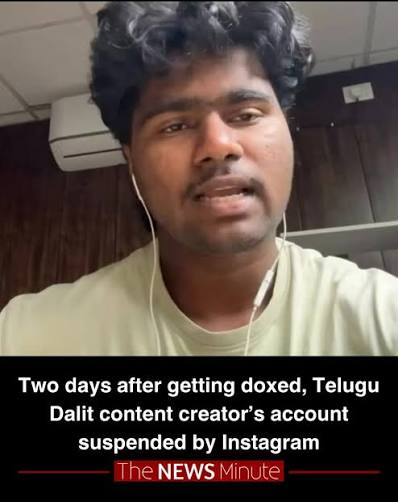
Following the doxing, Ajay approached the Panjagutta police station to register an FIR. While Ajay’s complaint petition has been noted, the FIR is yet to be lodged.
A day after Telugu content creator Ajay Radha Kumar was doxed by a Hindutva digital creator, his account was suspended by Instagram on Wednesday, August 5 for not following Instagram’s “Terms of Use on intellectual property.” Ajay, a 23-year-old content creator who has amassed over 1 lakh followers, is well known in the Telugu media landscape for posting feminist, Ambedkarite content.
Over the past few weeks, Ajay has been posting videos related to the Cockroach Janata Party (CJP) protests and public dissatisfaction with the Bharatiya Janata Party (BJP)-led Union government. He has also posted videos criticising the Telugu Desam Party (TDP) government’s push for data centres and the privatisation of medical colleges in Andhra Pradesh.
Since Saturday, August 1, a Hindutva digital creator identified as TD Rakesh Sharma has made a series of videos criticising Ajay.
“I can only assume this is in response to a video I did regarding posters at the CJP protest where PM Narendra Modi’s face was morphed and affixed on women’s bodies,” Ajay, a Dalit residing in Hyderabad, told TNM. In his video, Ajay is criticising the posters for the underlying sexism of correlating the Prime Minister’s inefficiency with womanhood.
In response to that video, Rakesh Sharma posted another stating that Ajay could lodge a complaint against him to the police if he wanted to. “But then you also have to explain how you justified PM Modi being presented as a woman,” Rakesh said. It is unclear how Rakesh arrived at this conclusion, as Ajay’s video does not justify the posters in question.
“He doesn’t seem to understand what I was saying. I spoke in Telugu, but still it was lost on him and other right-wing supporters,” Ajay said.
In a second video published on Sunday, August 2, Rakesh can be seen abusing Ajay for criticising PM Modi and Andhra Deputy CM Pawan Kalyan.
Things, however, took a turn on Monday, August 3, when Rakesh put out a reel on Instagram accusing him of duping women.
“He (Ajay) targeted women students at law colleges and converted one such Hindu woman in Badhrachalam into an atheist,” Rakesh can be seen saying. Ajay told TNM that the woman in question was a friend of his who had her own political views. Rakesh also accused Ajay of making ‘anti-Hindu videos’ and made casteist remarks against him.
But without stopping there, Rakesh put Ajay’s phone number on the video.
“On Monday evening alone between 6 pm and 12:30 am, I got at least 100-120 calls,” Ajay told TNM. “I started to block them because I kept getting calls and messages incessantly,” he said. TNM also saw a few screenshots sent to Ajay which included messages from strangers abusing Ajay, his family and making outright casteist and communal remarks.
Addressing the doxing, Ajay added that Rakesh had put out a lot of information about his identity. “A lot of information about me is factually incorrect. For instance, he said my mother is a Zilla Parishad Territorial Constituency (ZPTC) member, which is untrue, and made misleading statements about my family,” Ajay added.
Following the doxing, Ajay approached the Panjagutta police station to register an FIR. While Ajay’s complaint petition has been noted, the FIR is yet to be lodged. Rakesh also posted further videos accusing Ajay of “using women” and making further videos on Ajay’s caste location.
At the time of writing this article, Rakesh has posted 11 videos targeting Ajay.
Written by:Anjana Meenakshi
Edited by:Nandini Chandrashekar
Courtesy : TNM
వ్యక్తిగత వివరాలు బహిర్గతమైన రెండు రోజుల తర్వాత, తెలుగు దళిత కంటెంట్ క్రియేటర్ ఖాతాను ఇన్స్టాగ్రామ్ నిలిపివేసింది.
వ్యక్తిగత వివరాలు బహిర్గతమైన తర్వాత, అజయ్ ఎఫ్ఐఆర్ నమోదు చేయడానికి పంజాగుట్ట పోలీస్ స్టేషన్ను ఆశ్రయించాడు. అజయ్ ఫిర్యాదు పిటిషన్ను గమనించినప్పటికీ, ఎఫ్ఐఆర్ ఇంకా నమోదు కాలేదు.
ఒక హిందుత్వ డిజిటల్ క్రియేటర్, తెలుగు కంటెంట్ క్రియేటర్ అజయ్ రాధా కుమార్ వ్యక్తిగత వివరాలను బహిర్గతం చేసిన ఒక రోజు తర్వాత, "మేధో సంపత్తిపై వినియోగ నిబంధనలు" పాటించనందుకు ఆగస్టు 5, బుధవారం నాడు ఇన్స్టాగ్రామ్ అతని ఖాతాను నిలిపివేసింది. లక్షకు పైగా ఫాలోవర్లను సంపాదించుకున్న 23 ఏళ్ల కంటెంట్ క్రియేటర్ అయిన అజయ్, స్త్రీవాద, అంబేద్కర్ వాద కంటెంట్ను పోస్ట్ చేయడం ద్వారా తెలుగు మీడియా రంగంలో సుప్రసిద్ధుడు.
గత కొన్ని వారాలుగా, అజయ్ బొద్దింక జనతా పార్టీ (CJP) నిరసనలు మరియు భారతీయ జనతా పార్టీ (BJP) నేతృత్వంలోని కేంద్ర ప్రభుత్వంపై ప్రజల అసంతృప్తికి సంబంధించిన వీడియోలను పోస్ట్ చేస్తున్నాడు. అతను తెలుగు దేశం పార్టీ (TDP) ప్రభుత్వం డేటా సెంటర్లను ప్రోత్సహించడాన్ని మరియు ఆంధ్రప్రదేశ్లోని వైద్య కళాశాలల ప్రైవేటీకరణను విమర్శిస్తూ కూడా వీడియోలను పోస్ట్ చేశాడు.
ఆగస్టు 1, శనివారం నుంచి, టీడీ రాకేష్ శర్మగా గుర్తించబడిన ఒక హిందుత్వ డిజిటల్ క్రియేటర్, అజయ్ను విమర్శిస్తూ వరుస వీడియోలను రూపొందించారు.
"సీజేపీ నిరసన ప్రదర్శనలో ప్రధాని నరేంద్ర మోదీ ముఖాన్ని మార్ఫింగ్ చేసి మహిళల శరీరాలపై అతికించిన పోస్టర్ల గురించి నేను చేసిన వీడియోకు ప్రతిస్పందనగానే ఇది జరిగిందని నేను భావిస్తున్నాను," అని హైదరాబాద్లో నివసిస్తున్న దళితుడైన అజయ్ టీఎన్ఎమ్తో అన్నారు. తన వీడియోలో, ప్రధానమంత్రి అసమర్థతను స్త్రీత్వంతో ముడిపెట్టడంలో ఉన్న లింగవివక్షను అజయ్ ఆ పోస్టర్లపై విమర్శించారు.
ఆ వీడియోకు ప్రతిస్పందనగా, అజయ్ కావాలనుకుంటే తనపై పోలీసులకు ఫిర్యాదు చేయవచ్చని పేర్కొంటూ రాకేష్ శర్మ మరో పోస్ట్ పెట్టారు. "అయితే, ప్రధాని మోదీని ఒక మహిళగా చూపించడాన్ని మీరెందుకని సమర్థించుకున్నారో కూడా మీరు వివరించాలి," అని రాకేష్ అన్నారు. అజయ్ వీడియో సదరు పోస్టర్లను సమర్థించనందున, రాకేష్ ఈ నిర్ధారణకు ఎలా వచ్చారో స్పష్టంగా తెలియడం లేదు.
"నేను చెప్పింది అతనికి అర్థమైనట్టుంది. నేను తెలుగులో మాట్లాడినా కూడా, అతనికి, ఇతర మితవాద మద్దతుదారులకు అర్థం కాలేదు," అని అజయ్ అన్నాడు.
ఆగస్టు 2, ఆదివారం నాడు ప్రచురించిన రెండవ వీడియోలో, ప్రధాని మోదీని, ఆంధ్రప్రదేశ్ ఉప ముఖ్యమంత్రి పవన్ కళ్యాణ్ను విమర్శించినందుకు రాకేష్, అజయ్ను దూషిస్తూ కనిపించాడు.
అయితే, ఆగష్టు 3, సోమవారం నాడు, రాకేష్ అతను మహిళలను మోసం చేశాడని ఆరోపిస్తూ ఇన్స్టాగ్రామ్లో ఒక రీల్ను పోస్ట్ చేయడంతో పరిస్థితులు మారిపోయాయి.
"అతను (అజయ్) లా కాలేజీల్లోని మహిళా విద్యార్థులను లక్ష్యంగా చేసుకుని, భద్రాచలంలో ఒక హిందూ మహిళను నాస్తికురాలిగా మార్చాడు," అని రాకేష్ చెప్పడం చూడవచ్చు. సదరు మహిళ తన స్నేహితురాలని, ఆమెకు తనదైన రాజకీయ అభిప్రాయాలు ఉన్నాయని అజయ్ TNMకి చెప్పాడు. అజయ్ 'హిందూ వ్యతిరేక వీడియోలు' తీశాడని, తనపై కులపరమైన వ్యాఖ్యలు చేశాడని కూడా రాకేష్ ఆరోపించాడు.
కానీ అంతటితో ఆగకుండా, రాకేష్ ఆ వీడియోపై అజయ్ ఫోన్ నంబర్ను పెట్టాడు.
"సోమవారం సాయంత్రం ఒక్కరోజే, అంటే రాత్రి 6 గంటల నుంచి 12:30 గంటల మధ్య నాకు కనీసం 100-120 కాల్స్ వచ్చాయి," అని అజయ్ TNMతో చెప్పారు. "ఎడతెరిపి లేకుండా కాల్స్, మెసేజ్లు వస్తూనే ఉండటంతో నేను వాళ్లను బ్లాక్ చేయడం మొదలుపెట్టాను," అని ఆయన అన్నారు. అజయ్కు పంపిన కొన్ని స్క్రీన్షాట్లను కూడా TNM చూసింది. వాటిలో అపరిచితులు అజయ్ను, అతని కుటుంబాన్ని దూషిస్తూ, పూర్తిస్థాయి కుల, మతపరమైన వ్యాఖ్యలు చేస్తూ పంపిన మెసేజ్లు ఉన్నాయి.
డాక్సింగ్ గురించి ప్రస్తావిస్తూ, రాకేష్ తన గుర్తింపు గురించి చాలా సమాచారాన్ని బయటపెట్టాడని అజయ్ తెలిపారు. “నా గురించిన చాలా సమాచారం వాస్తవానికి తప్పు. ఉదాహరణకు, మా అమ్మ జిల్లా పరిషత్ ప్రాదేశిక నియోజకవర్గం (ZPTC) సభ్యురాలు అని అతను చెప్పాడు, అది అబద్ధం. అంతేకాక, మా కుటుంబం గురించి కూడా తప్పుదోవ పట్టించే ప్రకటనలు చేశాడు,” అని అజయ్ అన్నారు.
వ్యక్తిగత వివరాలు బయటపడిన తర్వాత, అజయ్ ఎఫ్ఐఆర్ నమోదు చేయడానికి పంజాగుట్ట పోలీస్ స్టేషన్ను ఆశ్రయించాడు. అజయ్ ఫిర్యాదు పిటిషన్ను గమనించినప్పటికీ, ఎఫ్ఐఆర్ ఇంకా నమోదు చేయలేదు. రాకేష్, అజయ్పై "మహిళలను వాడుకుంటున్నాడని" ఆరోపిస్తూ మరిన్ని వీడియోలను పోస్ట్ చేయడంతో పాటు, అజయ్ కుల స్థానంపై కూడా మరిన్ని వీడియోలను రూపొందించాడు.
ఈ కథనం రాసే సమయానికి, రాకేష్ అజయ్ను లక్ష్యంగా చేసుకుని 11 వీడియోలను పోస్ట్ చేశాడు.
రచన: అంజనా మీనాక్షి
సంపాదకత్వం: నందిని చంద్రశేఖర్
సౌజన్యం : టిఎన్ఎం
గమనిక: ఈ వార్త మొదట https:/thenewsminute.com/bha.
தனிப்பட்ட தகவல்கள் கசிந்த இரண்டு நாட்களுக்குப் பிறகு, தெலுங்கு தலித் உள்ளடக்கப் படைப்பாளரின் கணக்கை இன்ஸ்டாகிராம் முடக்கியுள்ளது.
டோக்சிங் சம்பவத்தைத் தொடர்ந்து, அஜய் முதல் தகவல் அறிக்கை பதிவு செய்வதற்காக பஞ்சகுட்டா காவல் நிலையத்தை அணுகினார். அஜய்யின் புகார் மனு கவனத்தில் கொள்ளப்பட்ட போதிலும், முதல் தகவல் அறிக்கை இன்னும் பதிவு செய்யப்படவில்லை.
இந்துத்துவா டிஜிட்டல் படைப்பாளி ஒருவரால் தெலுங்கு உள்ளடக்கப் படைப்பாளி அஜய் ராதாகுமரின் தனிப்பட்ட தகவல்கள் இணையத்தில் வெளியிடப்பட்ட ஒரு நாள் கழித்து, இன்ஸ்டாகிராமின் "அறிவுசார் சொத்துரிமைக்கான பயன்பாட்டு விதிமுறைகளைப்" பின்பற்றாத காரணத்தால், ஆகஸ்ட் 5, புதன்கிழமை அன்று அவரது கணக்கை இன்ஸ்டாகிராம் முடக்கியது. ஒரு லட்சத்திற்கும் அதிகமான பின்தொடர்பாளர்களைக் கொண்டுள்ள 23 வயதான உள்ளடக்கப் படைப்பாளியான அஜய், பெண்ணிய மற்றும் அம்பேத்கரிய உள்ளடக்கங்களை வெளியிடுவதன் மூலம் தெலுங்கு ஊடக உலகில் நன்கு அறியப்பட்டவர்.
கடந்த சில வாரங்களாக, அஜய் கரப்பான்பூச்சி ஜனதா கட்சியின் (CJP) போராட்டங்கள் மற்றும் பாரதிய ஜனதா கட்சி (BJP) தலைமையிலான மத்திய அரசின் மீதான பொதுமக்களின் அதிருப்தி தொடர்பான காணொளிகளைப் பதிவிட்டு வருகிறார். மேலும், ஆந்திரப் பிரதேசத்தில் தரவு மையங்களை அமைப்பதற்கும் மருத்துவக் கல்லூரிகளைத் தனியார்மயமாக்குவதற்கும் தெலுங்கு தேசம் கட்சி (TDP) அரசு மேற்கொண்டு வரும் முயற்சிகளை விமர்சித்தும் அவர் காணொளிகளைப் பதிவிட்டுள்ளார்.
ஆகஸ்ட் 1, சனிக்கிழமை முதல், டி.டி. ராகேஷ் சர்மா என அடையாளம் காணப்பட்ட ஒரு இந்துத்துவா டிஜிட்டல் படைப்பாளி, அஜயை விமர்சித்து தொடர்ச்சியான வீடியோக்களை வெளியிட்டுள்ளார்.
"தலைமை நீதிபதி போராட்டத்தில், பிரதமர் நரேந்திர மோடியின் முகத்தை மார்ஃபிங் செய்து பெண்களின் உடல்களில் ஒட்டியிருந்த சுவரொட்டிகள் குறித்து நான் வெளியிட்ட காணொளிக்கு பதிலடியாகவே இது இருக்கலாம் என நான் கருதுகிறேன்," என்று ஹைதராபாத்தில் வசிக்கும் தலித் சமூகத்தைச் சேர்ந்த அஜய், TNM-மிடம் கூறினார். தனது காணொளியில், பிரதமரின் திறமையின்மையை பெண்மையுடன் தொடர்புபடுத்தும் அந்த சுவரொட்டிகளில் உள்ள உள்ளார்ந்த பாலினப் பாகுபாட்டை அஜய் விமர்சிக்கிறார்.
அந்த வீடியோவிற்குப் பதிலளிக்கும் விதமாக, ராகேஷ் ஷர்மா மற்றொரு வீடியோவைப் பதிவிட்டு, அஜய் விரும்பினால் அவர் மீது காவல்துறையில் புகார் அளிக்கலாம் என்று கூறியிருந்தார். “ஆனால், பிரதமர் மோடியை ஒரு பெண்ணாகச் சித்தரித்ததை நீங்கள் எப்படி நியாயப்படுத்தினீர்கள் என்பதையும் விளக்க வேண்டும்,” என்று ராகேஷ் கூறினார். அஜய்யின் வீடியோ கேள்விக்குரிய சுவரொட்டிகளை நியாயப்படுத்தாததால், ராகேஷ் இந்த முடிவுக்கு எப்படி வந்தார் என்பது தெளிவாகத் தெரியவில்லை.
"நான் சொன்னது அவருக்குப் புரியவில்லை போலிருக்கிறது. நான் தெலுங்கில் பேசினேன், ஆனாலும் அது அவருக்கும் மற்ற வலதுசாரி ஆதரவாளர்களுக்கும் புரியவில்லை," என்று அஜய் கூறினார்.
ஆகஸ்ட் 2, ஞாயிற்றுக்கிழமை அன்று வெளியிடப்பட்ட இரண்டாவது காணொளி ஒன்றில், பிரதமர் மோடியையும் ஆந்திர துணை முதல்வர் பவன் கல்யாணையும் விமர்சித்ததற்காக அஜய்யை ராகேஷ் திட்டுவதைக் காண முடிகிறது.
இருப்பினும், ஆகஸ்ட் 3, திங்கட்கிழமை அன்று, ராகேஷ் இன்ஸ்டாகிராமில் ஒரு ரீலை வெளியிட்டு, அவர் பெண்களை ஏமாற்றியதாகக் குற்றம் சாட்டியபோது நிலைமை தலைகீழாக மாறியது.
"அவன் (அஜய்) சட்டக் கல்லூரிகளில் பயிலும் மாணவிகளை குறிவைத்து, பத்ராசலத்தில் உள்ள அத்தகைய ஒரு இந்துப் பெண்ணை நாத்திகராக மாற்றினான்," என்று ராகேஷ் கூறுவதைக் காண முடிகிறது. அந்தப் பெண் தனது தோழி என்றும், அவருக்குத் தனிப்பட்ட அரசியல் கருத்துக்கள் இருந்தன என்றும் அஜய் TNM-மிடம் கூறினார். மேலும், அஜய் 'இந்துக்களுக்கு எதிரான காணொளிகளை' உருவாக்குவதாகவும், அவருக்கு எதிராக சாதிய ரீதியான கருத்துக்களைத் தெரிவித்ததாகவும் ராகேஷ் குற்றம் சாட்டினார்.
ஆனால் அதோடு நிற்காமல், ராகேஷ் அந்த வீடியோவில் அஜய்யின் தொலைபேசி எண்ணைப் பதிவிட்டார்.
"திங்கட்கிழமை மாலை 6 மணி முதல் நள்ளிரவு 12:30 மணிக்குள் மட்டும், எனக்குக் குறைந்தது 100-120 அழைப்புகள் வந்தன," என்று அஜய் TNM-மிடம் கூறினார். "தொடர்ந்து அழைப்புகளும் குறுஞ்செய்திகளும் வந்துகொண்டிருந்ததால், நான் அவர்களைத் தடுக்கத் தொடங்கினேன்," என்றார் அவர். மேலும், அஜய்க்கு அனுப்பப்பட்ட சில ஸ்கிரீன்ஷாட்களையும் TNM பார்த்தது. அதில், அறிமுகமில்லாத நபர்கள் அஜய்யையும் அவரது குடும்பத்தினரையும் அவதூறாகப் பேசியும், அப்பட்டமான சாதிய மற்றும் மதவாதக் கருத்துக்களைத் தெரிவித்தும் அனுப்பியிருந்த செய்திகள் இடம்பெற்றிருந்தன.
தனிப்பட்ட தகவல்களை இணையத்தில் பரப்பியது குறித்துப் பேசிய அஜய், ராகேஷ் தனது அடையாளம் குறித்து ஏராளமான தகவல்களைப் பரப்பியதாகக் கூறினார். “என்னைப்பற்றிய பல தகவல்கள் உண்மையில் தவறானவை. உதாரணமாக, எனது தாயார் மாவட்டப் பஞ்சாயத்து பிராந்தியத் தொகுதி (ZPTC) உறுப்பினர் என்று அவர் கூறியது உண்மையல்ல. மேலும், எனது குடும்பத்தைப் பற்றியும் தவறான தகவல்களைக் கூறியுள்ளார்,” என்று அஜய் மேலும் கூறினார்.
தனிப்பட்ட தகவல்களை இணையத்தில் வெளியிட்டதைத் தொடர்ந்து, அஜய் முதல் தகவல் அறிக்கை பதிவு செய்வதற்காக பஞ்சகுட்டா காவல் நிலையத்தை அணுகினார். அஜய்யின் புகார் மனு கவனத்தில் கொள்ளப்பட்ட போதிலும், முதல் தகவல் அறிக்கை இன்னும் பதிவு செய்யப்படவில்லை. மேலும், ராகேஷ், அஜய் "பெண்களைப் பயன்படுத்துவதாகவும்", அஜய்யின் சாதி இருப்பிடம் குறித்து மேலும் காணொளிகளை உருவாக்கி வருவதாகவும் குற்றம் சாட்டி காணொளிகளைப் பதிவிட்டார்.
இந்தக் கட்டுரையை எழுதும் நேரத்தில், ராகேஷ் அஜயைக் குறிவைத்து 11 வீடியோக்களைப் பதிவிட்டுள்ளார்.
எழுதியவர்: அஞ்சனா மீனாட்சி
தொகுத்தது: நந்தினி சந்திரசேகர்
நன்றி : டிஎன்எம்


Brahmin association seeks representation in Cabinet, boards and corporations
Updated - August 09, 2026 08:12 am IST - KALABURAGI

Members of the Kalaburagi Zilla Brahmin Sangha staging a demonstration in Kalaburagi city on Saturday. | Photo Credit: ARUN KULKARNI
The Kalaburagi Zilla Brahmin Sangha staged a protest in the city on Saturday, demanding adequate representation for the Brahmin community in the State Cabinet and various government corporations and boards.
The community leaders and members gathered in front of the Deputy Commissioner’s office to express their displeasure over what they described as inadequate representation for the community in the D.K. Shivakumar-led State Cabinet.

 Dear brothers and sister s,In Chennai Shenoy Nagar government school, Kodambakkam government school, Sali gramam government school... Headmistress has requested us to provide guides for the 10th 11th and 12th students who belongs to poor SC.ST and Obc students.Our Canara Bank has already provided lot of guides and books for these government schools as donation. But now nobody is taking care of their guides and books. Therefore they requested us to help the poor students.


Comments
Post a Comment