09.08.2026.News Untouchable.(English, हिन्दी, தமிழ் )Voice of Sc.STs,Buddhists,Ambedkar ites,Anti SC.ST atrocity news,Employement news)by Sivaji Ayyayiram.9444917060.asivaji1962@gmail.com.FB.sivaji yoga Tiruvannamalai.x.shivajia479023
Get link
Facebook
X
Pinterest
Email
Other Apps
09.08.2026.
🇮🇳 Dalit • Adivasi • Buddhist • Ambedkarite Bulletin
09 August 2026 | State-wise | English • தமிழ் • हिन्दी
Special focus today: World Indigenous Peoples Day / Adivasi Divas.
August 9 is observed internationally as the International Day of the World's Indigenous Peoples. In India, it is widely observed as Adivasi/Janjati Diwas. �
Press Information Bureau
🌿 NATIONAL / தேசிய / राष्ट्रीय
🇬🇧 English
Adivasi Day 2026: Today's major focus is indigenous/tribal rights, identity, culture, education, livelihoods and self-governance. The Union government's tribal-development programmes cover education, health, agriculture, skills and livelihoods through the Development Action Plan for Scheduled Tribes (DAPST). �
Press Information Bureau
The Ministry of Culture also holds an All-India Tribal Writers' Meet every August 9, highlighting tribal languages, literature and oral traditions. �
Press Information Bureau
🇮🇳 தமிழ்
ஆதிவாசி தினம் 2026: இன்று பழங்குடியின மக்களின் உரிமைகள், அடையாளம், பண்பாடு, கல்வி, வாழ்வாதாரம் மற்றும் சுயநிர்ணயம் ஆகியவை முக்கியமாகப் பேசப்படும் நாள். DAPST திட்டத்தின் மூலம் கல்வி, சுகாதாரம், வேளாண்மை, திறன் மேம்பாடு, வாழ்வாதாரம் போன்ற துறைகளில் பழங்குடியினருக்கான திட்டங்கள் செயல்படுத்தப்படுகின்றன. �
Press Information Bureau
இந்தியாவின் பழங்குடியின மொழிகள் மற்றும் இலக்கியத்தைப் பாதுகாக்க All-India Tribal Writers' Meet ஆகஸ்ட் 9 அன்று நடத்தப்படுகிறது. �
Press Information Bureau
🇮🇳 हिन्दी
आदिवासी दिवस 2026: आज आदिवासी समुदायों के अधिकार, पहचान, संस्कृति, शिक्षा, आजीविका और स्वशासन पर विशेष ध्यान दिया जा रहा है। DAPST के माध्यम से शिक्षा, स्वास्थ्य, कृषि, कौशल और आजीविका के क्षेत्रों में जनजातीय विकास कार्यक्रम चलाए जा रहे हैं। �
Press Information Bureau
आदिवासी भाषाओं और साहित्य को बढ़ावा देने के लिए All-India Tribal Writers' Meet हर वर्ष 9 अगस्त को आयोजित किया जाता है। �
Press Information Bureau
🗺️ STATE-WISE
🟢 Andhra Pradesh
English: Tribal organisations have recently raised demands concerning the protection and development of agency/tribal areas, including a call for an AP Manayam Bandh. The issues include tribal rights and development in the agency areas. �
Sakshi Education
தமிழ்: பழங்குடியினர் அமைப்புகள் Agency பகுதிகளின் உரிமைகள் மற்றும் வளர்ச்சி தொடர்பான கோரிக்கைகளை முன்வைத்துள்ளன. �
Sakshi Education
हिन्दी: आदिवासी संगठनों ने एजेंसी क्षेत्रों के अधिकार और विकास से जुड़े मुद्दों को उठाया है। �
Sakshi Education
🟤 Chhattisgarh
English: Bastar remains a major centre of Adivasi cultural and development initiatives. Earlier this year, the state highlighted tribal education through a 100-seat hostel for higher education and research at the Tribal Research and Training Institute. �
The Times of India
தமிழ்: பஸ்தர் பகுதி ஆதிவாசி பண்பாடு மற்றும் வளர்ச்சியின் முக்கிய மையமாக உள்ளது. பழங்குடியின மாணவர்களின் உயர்கல்வி மற்றும் ஆராய்ச்சிக்காக 100 இருக்கைகள் கொண்ட விடுதி அமைக்கப்பட்டுள்ளது. �
The Times of India
हिन्दी: बस्तर आदिवासी संस्कृति और विकास का प्रमुख केंद्र बना हुआ है। आदिवासी विद्यार्थियों की उच्च शिक्षा और शोध के लिए 100 सीटों वाला छात्रावास स्थापित किया गया है। �
The Times of India
🟠 Jharkhand
English: August 9 has particular importance in Jharkhand because of its strong Adivasi cultural and political identity. Today's observance focuses on indigenous identity, language, land, forest rights and self-governance.
தமிழ்: ஜார்கண்டில் ஆகஸ்ட் 9 ஆதிவாசி அடையாளம், மொழி, நிலம், வன உரிமைகள் மற்றும் சுயநிர்வாகம் ஆகியவற்றுக்கு முக்கியமான நாளாகும்.
हिन्दी: झारखंड में 9 अगस्त आदिवासी पहचान, भाषा, भूमि, वन अधिकार और स्वशासन के लिए विशेष महत्व रखता है.
🔵 Maharashtra
English: Maharashtra is one of India's most important centres of both the Adivasi movement and Ambedkarite-Buddhist movement. Tribal Day highlights education, women's empowerment, employment and preservation of tribal culture.
தமிழ்: மகாராஷ்டிரா இந்தியாவின் முக்கிய ஆதிவாசி மற்றும் அம்பேத்கரிய–பௌத்த இயக்க மையங்களில் ஒன்றாகும். கல்வி, பெண்கள் முன்னேற்றம், வேலைவாய்ப்பு மற்றும் பழங்குடியின பண்பாட்டுப் பாதுகாப்பு முக்கிய அம்சங்களாக உள்ளன.
हिन्दी: महाराष्ट्र भारत के प्रमुख आदिवासी तथा आंबेडकरवादी-बौद्ध आंदोलन के केंद्रों में से एक है। शिक्षा, महिला सशक्तिकरण, रोजगार और आदिवासी संस्कृति का संरक्षण प्रमुख मुद्दे हैं.
🟣 Madhya Pradesh
English: Tribal communities are observing Adivasi Day with emphasis on cultural identity, education, forest and livelihood rights. MP is also one of the states with a large tribal population.
தமிழ்: மத்தியப் பிரதேசத்தில் ஆதிவாசி தினம் பண்பாட்டு அடையாளம், கல்வி, வன உரிமைகள் மற்றும் வாழ்வாதார உரிமைகள் ஆகியவற்றை முன்னிறுத்துகிறது.
हिन्दी: मध्य प्रदेश में आदिवासी दिवस पर सांस्कृतिक पहचान, शिक्षा, वन अधिकार और आजीविका अधिकार प्रमुख विषय हैं.
🟡 Rajasthan
English: Tribal identity remains particularly important in southern Rajasthan, especially the Bhil belt. The longstanding Bhil Pradesh demand has involved tribal communities from Rajasthan, Madhya Pradesh, Gujarat and Maharashtra. �
The Times of India
தமிழ்: தென் ராஜஸ்தானில், குறிப்பாக பில் பழங்குடியினர் பகுதிகளில், ஆதிவாசி அடையாளம் முக்கியமானதாக உள்ளது. ராஜஸ்தான், மத்தியப் பிரதேசம், குஜராத் மற்றும் மகாராஷ்டிரா பகுதிகளை உள்ளடக்கிய Bhil Pradesh கோரிக்கை நீண்டகாலமாக உள்ளது. �
The Times of India
हिन्दी: दक्षिणी राजस्थान, विशेषकर भील क्षेत्र में आदिवासी पहचान महत्वपूर्ण है। राजस्थान, मध्य प्रदेश, गुजरात और महाराष्ट्र के आदिवासी क्षेत्रों से भील प्रदेश की मांग लंबे समय से जुड़ी हुई है। �
The Times of India
🟢 Gujarat
English: The tribal belt of eastern Gujarat is closely connected with the wider Bhil/Adivasi identity movement across western India. Tribal self-governance, land, forest and development remain important issues.
தமிழ்: கிழக்கு குஜராத்தின் பழங்குடியினர் பகுதிகள் மேற்கு இந்தியாவின் பரந்த பில்/ஆதிவாசி அடையாள இயக்கத்துடன் தொடர்புடையவை. நிலம், வனம், சுயநிர்வாகம் மற்றும் வளர்ச்சி முக்கிய பிரச்சினைகள்.
हिन्दी: पूर्वी गुजरात का आदिवासी क्षेत्र पश्चिम भारत के व्यापक भील/आदिवासी पहचान आंदोलन से जुड़ा है। भूमि, वन, स्वशासन और विकास प्रमुख मुद्दे हैं.
🔴 Odisha
English: Odisha remains one of India's major tribal states. Tribal languages, forest rights, minor forest produce, education and livelihood opportunities remain key policy areas.
தமிழ்: ஒடிசா இந்தியாவின் முக்கிய பழங்குடியினர் மாநிலங்களில் ஒன்றாகும். பழங்குடியின மொழிகள், வன உரிமைகள், சிறு வன உற்பத்திப் பொருட்கள், கல்வி மற்றும் வாழ்வாதாரம் முக்கிய துறைகளாக உள்ளன.
हिन्दी: ओडिशा भारत के प्रमुख जनजातीय राज्यों में से एक है। आदिवासी भाषाएं, वन अधिकार, लघु वनोपज, शिक्षा और आजीविका प्रमुख विषय हैं.
🟦 Telangana
English: Tribal welfare continues to focus on education, residential schooling, livelihoods and implementation of protections applicable to Scheduled Tribes.
தமிழ்: தெலங்கானாவில் பழங்குடியின நலத்திட்டங்கள் கல்வி, குடியிருப்பு பள்ளிகள், வாழ்வாதாரம் மற்றும் ST பாதுகாப்புச் சட்டங்களின் செயல்பாடு ஆகியவற்றில் கவனம் செலுத்துகின்றன.
हिन्दी: तेलंगाना में जनजातीय कल्याण का ध्यान शिक्षा, आवासीय विद्यालय, आजीविका और ST सुरक्षा प्रावधानों के क्रियान्वयन पर है.
🟣 Tamil Nadu
English: Tamil Nadu's major tribal communities include Irula, Malayali, Toda, Kota, Kurumba, Paniya and others. Today's focus should include tribal education, scholarships, forest/community rights and employment.
தமிழ்: தமிழ்நாட்டின் முக்கிய பழங்குடியின சமூகங்களில் இருளர், மலையாளி, தோடர், கோத்தர், குறும்பர், பனியர் உள்ளிட்டோர் உள்ளனர். இன்று பழங்குடியின கல்வி, உதவித்தொகை, வன/சமூக உரிமைகள் மற்றும் வேலைவாய்ப்பு முக்கியமாக கவனிக்கப்பட வேண்டும்.
हिन्दी: तमिलनाडु में इरुला, मलयाली, टोडा, कोटा, कुरुम्बा, पनिया आदि जनजातीय समुदाय हैं। आज आदिवासी शिक्षा, छात्रवृत्ति, वन/सामुदायिक अधिकार और रोजगार पर ध्यान जरूरी है.
🎓 EDUCATION & SCHOLARSHIPS
ST students
The central government has highlighted Eklavya Model Residential Schools, scholarships and other tribal education programmes. The 2025 government backgrounder reported 479 EMRS schools educating about 1.38 lakh tribal students and substantial scholarship expenditure over 2019–20 to 2024–25. �
Press Information Bureau
SC students
SC students should check:
Post-Matric Scholarship
Top Class Education Scheme
National Overseas Scholarship
State-specific SC scholarship schemes.
☸️ BUDDHIST & AMBEDKARITE NEWS
English: August 9 is also an opportunity for Ambedkarite organisations to connect social justice, constitutional morality, education and Buddhist values with the question of equality and dignity.
தமிழ்: ஆகஸ்ட் 9 அன்று அம்பேத்கரிய அமைப்புகள் சமூகநீதி, அரசியலமைப்பு அறம், கல்வி மற்றும் பௌத்த மதிப்புகள் ஆகியவற்றை சமத்துவம் மற்றும் மனித கண்ணியத்துடன் இணைத்து செயல்படலாம்.
हिन्दी: 9 अगस्त आंबेडकरवादी संगठनों के लिए सामाजिक न्याय, संवैधानिक नैतिकता, शिक्षा और बौद्ध मूल्यों को समानता और गरिमा के प्रश्न से जोड़ने का अवसर है।
📌 09.08.2026 QUICK BULLETIN
State/Region
Main focus
🇮🇳 India
World Indigenous Peoples Day / Adivasi Diwas
Andhra Pradesh
Agency-area tribal rights
Chhattisgarh
Bastar tribal education & development
Jharkhand
Adivasi identity, land & forest rights
Maharashtra
Adivasi + Ambedkarite-Buddhist movements
Madhya Pradesh
Tribal education, forest & livelihood rights
Rajasthan
Bhil/Adivasi identity
Gujarat
Tribal self-governance & Bhil identity
Odisha
Tribal language, forest rights & livelihoods
Telangana
Tribal education & welfare
Tamil Nadu
Tribal education, scholarships & employment.
🌿 Today's message
English: Adivasi rights are not only about welfare—they include identity, land, forest, culture, education, representation and self-governance.
தமிழ்: ஆதிவாசி உரிமைகள் என்பது நலத்திட்டங்கள் மட்டுமல்ல; அடையாளம், நிலம், வனம், பண்பாடு, கல்வி, பிரதிநிதித்துவம் மற்றும் சுயநிர்வாகம் ஆகியவற்றையும் உள்ளடக்கியது.
हिन्दी: *आदिवासी अधिकार केवल कल्याण योजनाओं तक सीमित नहीं हैं; इनमें पहचान, भूमि, वन, संस्कृति, शिक्षा, प्रतिनिधित्व और स्वशासन भी शामिल हैं।*
🍎🍎🍎🍎🍎🍎🍎🍎🍎🍎🍎🍎🍎🍎🍎🍎🍎
Learning English.
*Macauley, the friend of the Shudras.....*
*Author ......*
*Shepherd Kancha Ilaiah.....*
........
A discussion is going on about the role of Macaulay, who had said that English-medium education should be started in government schools when the East India Company was ruling India. Brahmin, Bania, Kshatriya intellectuals, who have benefited from English education, have been abusing him for quite some time. During the crisis of the coronavirus pandemic, those who saved India from hunger and deaths from starvation
*The Shudras should understand that they will have to turn to English-medium education in order to become rulers in Delhi and end the dominance of Brahmanism in India.* The country is alive because of Shudra / Dalit farmers, who were deprived of modern English education. *There is only one way: English-medium education should be started in all government schools as Macaulay wanted.*
*Shudra Jats, Gurjars, Yadavs, Patels, Marathas, Kammas, Reddys, Lingayats, Vokkaligas, Naikers, Ezhavas and so on should realize that Macaulay's English will empower them and liberate all oppressed castes from modern slavery.*
Thomas Babington Macaulay (1800--1859) stayed in India for only four years, from 1834 to 1838. Yet he left unexpected foot prints on the soil of India. Many English-educated Indians may have abused him, for giving them that language and what they also call un-Indian English Culture. There are very few who, among those who are English educated, occasionally praise him. The list of abusers includes all schools of thought, right-wing, extremists, left-wing and centrist liberals. But the vast Indians, who are known as Indians English Airport and fly into the food producers of sky life - Shudra / Dalit / Adivasi are not troubled by them. For them, their local Hindi, Tamil, Telugu, Malayalam, Bengali, Marathi, Gujarati, even some tribal language and so on are the languages of schools and colleges. With its global reach, the English language is far away from them.
*Since the days of Pandit Nehru, the deliberately so-called ‘anti-national Macaulay English’ education has been restricted to private schools, where only very rich Dwijas can educate their children,* because it comes at a huge amount of money. Even rich Shudras remained hungry, unable to send their children to good English-medium schools. Many Dwijas, in fact, preferred English in Christian missionary schools.
Both critics and admirers of Macaulay are writers, English-speaking people who either study in foreign universities or Indian English-medium schools, colleges and universities or institutions like IITs and IIMs in India. All this debate around him is about India and *when he was in India, deploying government resources in school and college education and starting English language education. He argued for replacing Sanskrit and Persian-medium education, which continued under the East India Company rule even before the British Crown took over the Indian administration. Sanskrit and Persian schooling (there was hardly any modern college education in those two languages until 1834) was for Hindu Dwijas (Brahmins, Banias, Kshatriyas, Kayasthas and Khatris) and Muslim feudal lords, who were perhaps Pathans or Arabs or Dwijas. Converted during the long rule of the Mughals and so on. Neither Sanskrit nor Persian school education was available to the Shudras / Dalits / Adivasis of India, who were the main food producers then and now. Unlike Christians, Muslims also never allowed non-Muslim Shudras / Dalits into their schools. However, some Dwijas - mainly Brahmins - managed Persian education together with wealthy Muslims. Therefore, there were hardly any Shudras / Dalits in state employment in the Persian language when it was an official language, but many Brahmins were in the bureaucracy and legal system.
*In fact, the earliest missionary teaching of the English language to children was started, as a private relationship, by William Carey (1761-1834) with Rajarammohan Roy in Calcutta in 1817. He came to India in 1793 and died in 1834, the same year Macaulay arrived here. He established the first degree Serampore College in the English language in 1818. Which caste / class of youth took degrees? Were they Bengali Shudras and Namasudras? Absolutely not.*
What Macaulay proposed to the British administration was to make English education part of state education policy in place of Sanskrit and Persian-medium school education. He supported English instead of Persian as the official language. Indian Muslim feudal lords also separated their Persian and Urdu education and refused to send their children to English-medium schools, but the Brahmins of Bengal and Kerala were the first people who established their Sanskrit language and sent their children to English-medium schools.
Macaulay, who was a racial scholar, proposed teaching English in government schools and the caste authoritarians were also very happy to receive free English education. They wanted to become petitioners, officers and clerks, actually ‘middle men’ (there were no women in those days) in government offices between the British colonial rulers and the Indian Shudra-Ati-Shudras (to put it in Phule's language). It was expected.
The first Shudra to receive English-language education was Mahatma Jyotirao Phule. In the Bengal region, whether any Shudra, Namasudra was allowed to attend school - not even leaving English-medium schools is known. Unlike Maharashtra, where Phule and Ambedkar came from Marathi and English education, which spread among some Shudra and Dalit social forces in later years, in Bengal it is still a Bhadralok patronage. From Rajaram Mohan Roy to Jyoti Basu to Mamata Banerjee, English and power are only in their hands.
L K Advani, who, among other Hindutva figures, had also studied at St. Patrick's English-medium School in Karachi, had always favored calling secular (in a way, Congress) intellectuals Macaulayputras and Marxist intellectuals Marxputras. But neither the Marxist English-educated nor the Congress intellectuals called the Hindutva intellectuals Manupputras, because of their close relationship with Manu. This intellectual environment gave the Hindutva people another advantage.
After his Rath Yatra and the demolition of the Babri Masjid in the 1990s, Advani prescribed a cultural nationalist discourse without seeing the glass house in which he himself was living. The anti-English and anti-Macaulay campaign was part of that cultural nationalism. The leftists and liberals had no way to counter it. From Prime Minister Narendra Modi's Khan Market Lutyens discourse, the ball is in their court. Left-liberal people were always uncertain whether to support or oppose the Manuvadis. Once nationalism was connected with Sanskrit and Manu, that double-edged weapon countered Marx and Macaulay on all grounds. The hypocrisy over the English language - personally good at the national level in Bhadralok families - put the game in the way of Hindutva.
If we examine the autobiographies of Indian nationalist leaders, almost all of them came from English-medium school or college education. From Tilak (co-founder of the New English School in Poona), Mahatma Gandhi to Congress's Pandit Nehru were Macaulayputras. Allama Iqbal and Mohammed Ali Jinnah were also Macaulayputras. From Savarkar and Hedgewar (studied medicine in Calcutta) to Golwalkar (studied at Hislop College) were also Macaulayputras. From Dange to Jyoti Basu and many other communist leaders were Macaulayputras. Shudra / Dalit - Phule and Ambedkar-- who brought about a different transformation, were also Macaulayputras in a sense. India's only woman prime minister, Indira Gandhi, was a Macaulayputri.
*The top Shudra Congress leader Sardar Vallabhbhai Patel was only half a Macaulayputra. Although he also studied in English in England and refused to write in English, maintaining his peasant backwardness and leaving his masses backward. Today he proudly lives in the mother's culture as a true beggar in the anti-English camp. He never understood his historical relationship with English along with Sanskrit. When Sanskrit was ruling India, they remained illiterate food-producing slaves, now by staying outside English they behave like modern slaves.*
Shudra / Dalits believed in all Indian written history that they were ‘foot born’ and are now unable to learn Sanskrit in ancient and medieval times and English. Although Patel, who studied in England, left his people to their historical tradition. *Periyar Ramaswamy Naicker never wrote in English. Therefore Shudra / Dalit / Adivasis still believe that Macaulay is dangerous and English is anti-national.*
*Hypocrisy is India's intellectual tradition. That extreme hypocrisy saved Brahmanism and Dwij supremacy even after thousands of years. What is good for educated intellectuals is made to look bad for the nation only to deny that resource to the productive people*
- Shudra / OBC / Dalit / Adivasi. Even in post-independence India, Shudra / Dalit leaders such as Mulayam Singh Yadav, Lalu Prasad Yadav, Nitish Kumar, Mayawati, Chandrababu Naidu, who ruled their respective states through the power of their own parties, did not dare to introduce English as the medium of education. Kerala's OBC Communist Chief Minister Pinarayi Vijayan is afraid to introduce English as the medium of education in government schools. Congress's Sharad Pawar and Siddaramaiah were also afraid to take this step.
*For the first time Y.S. Jaganmohan Reddy broke the myth of Macaulay's English, that it is anti-national or non-Indian. He has decided to start English-medium teaching in all government schools. When the same Macaulayputras tried to oppose it, the village productive people shouted ‘You hypocritical people send your children to Sanskrit-medium schools, but our children need to study in English to teach you a lesson’. New philosophies are shining all around in the dense darkness of Hindutva's devilry. Now hope is trying to understand Macaulay by placing him like a mirror before them.*
*(Kancha Ilaiah Shepherd is a political theorist, social activist and writer) Kancha Ilaiah Shepherd's former director, Centre for the Study of Social Exclusion and Inclusive Policy, Maulana Azad National Urdu University, Gachibowli, Hyderabad -32*
*Main books by Shepherd Kancha Ilaiah -----*
*Why I Am Not a Hindu (English)*
*Why I Am Not a Hindu (Hindi)*
*Post Hindu India (English)*
*Hindutva Mukt Bharat (Hindi)*
*Buffalo Nationalism (English)*
*The Shudra's Vision Bar a New Path (English)*
*All books are available on Amazon, Flipkart and at book stalls.*
*சூத்திரர்களின் நண்பர் மெக்காலே.....*
*ஆசிரியர் ......*
*ஷெப்பர்ட் காஞ்சா இலையா.....*
அரசுப் பள்ளிகளில் ஆங்கில வழிக் கல்வியைத் தொடங்க வேண்டும் என்று கூறிய மெக்காலேவின் பங்கு குறித்து ஒரு விவாதம் நடைபெற்று வருகிறது; அப்போது கிழக்கிந்தியக் கம்பெனி இந்தியாவை ஆட்சி செய்து கொண்டிருந்தது. ஆங்கிலக் கல்வியால் பயனடைந்த பிராமணர், பனியா, க்ஷத்திரிய அறிவுஜீவிகள் நீண்ட காலமாக அவரைத் தவறாகப் பயன்படுத்தி வருகின்றனர். கொரோனா வைரஸ் தொற்றுநோய் நெருக்கடியின்போது பசி மற்றும் பட்டினியால் ஏற்படும் மரணங்களிலிருந்து இந்தியாவைக் காப்பாற்றிய
*சூத்திரர்கள், தில்லியில் ஆட்சியாளர்களாகவும், இந்தியாவில் பிராமணியத்தின் மேலாதிக்கத்தை முடிவுக்குக் கொண்டுவரவும் ஆங்கில வழிக் கல்வியை நோக்கித் திரும்ப வேண்டும் என்பதைப் புரிந்துகொள்ள வேண்டும்.* நாடு உயிருடன் இருப்பது சூத்திர / தலித் விவசாயிகளால்; அவர்கள் நவீன ஆங்கிலக் கல்வியிலிருந்து விலக்கப்பட்டிருந்தனர். *மெக்காலே விரும்பியபடி அனைத்து அரசுப் பள்ளிகளிலும் ஆங்கில வழிக் கல்வியைத் தொடங்குவதுதான் ஒரே வழி.*
*சூத்திர ஜாட்டுகள், குஜ்ஜர்கள், யாதவர்கள், படேல்கள், மராத்தாக்கள், கம்மாக்கள், ரெட்டிகள், லிங்காயத்துகள், வொக்கலிகர்கள், நாயக்கர்கள், ஈழவர்கள் மற்றும் பலர், மெக்காலேயின் ஆங்கிலம் தங்களுக்கு அதிகாரமளிக்கும் என்றும், ஒடுக்கப்பட்ட அனைத்து சாதிகளையும் நவீன அடிமைத்தனத்திலிருந்து விடுவிக்கும் என்றும் உணர வேண்டும்.*
தாமஸ் பாபிங்டன் மெக்காலே (1800--1859) 1834 முதல் 1838 வரை வெறும் நான்கு ஆண்டுகள் மட்டுமே இந்தியாவில் இருந்தார். இருந்தபோதிலும், அவர் இந்திய மண்ணில் எதிர்பாராத தடங்களை விட்டுச் சென்றார். பல ஆங்கிலம் கற்ற இந்தியர்கள், அந்த மொழியை அவர்களுக்கு வழங்கியதற்காகவும், அவர்கள் ‘இந்தியரல்லாத ஆங்கிலக் கலாச்சாரம்’ என்றும் அழைக்கும் ஒன்றை வழங்கியதற்காகவும் அவரைத் திட்டியிருக்கலாம். அதைப் பற்றி மிகக் குறைவாகவே பேசப்படுகிறது; ஆங்கிலம் கற்றவர்களில் சிலர் அவ்வப்போது அவரைப் பாராட்டவும் செய்கிறார்கள். அவரைத் துஷ்பிரயோகம் செய்பவர்களின் பட்டியலில் சிந்தனையின் அனைத்துப் பள்ளிகளும், வலதுசாரிகள், தீவிரவாதிகள், இடதுசாரிகள் மற்றும் மத்திய தாராளவாதிகள் ஆகியோரும் அடங்குவர். ஆனால் பெரும்பான்மையான இந்தியர்கள், ‘இந்தியர்கள் ஆங்கில விமான நிலையம்’ என்று அறியப்பட்டு, வானில் வாழ்க்கைக்கான உணவுப் பொருட்களை உற்பத்தி செய்பவர்களாகப் பறந்து கொண்டிருப்பவர்கள் - சூத்திர / தலித் / ஆதிவாசிகள் - அவர்களுக்காகக் கவலைப்படுவதில்லை. அவர்களுக்கு அவர்களின் உள்ளூர் இந்தி, தமிழ், தெலுங்கு, மலையாளம், பெங்காலி, மராத்தி, குஜராத்தி, மேலும் சில ஆதிவாசி மொழிகள் மற்றும் பல பள்ளி, கல்லூரி மொழிகளாக உள்ளன. அதன் உலகளாவிய அணுகலுடன் கூடிய ஆங்கில மொழி அவர்களிடமிருந்து வெகு தொலைவில் உள்ளது.
*பண்டித நேருவின் காலத்திலிருந்து, திட்டமிட்டு ‘தேசிய விரோத மெக்காலே ஆங்கில’க் கல்வி தனியார் பள்ளிகளுக்கு மட்டுமே வரையறுக்கப்பட்டுள்ளது; அங்கு மிகவும் பணக்கார த்விஜர்கள் மட்டுமே தங்கள் குழந்தைகளுக்கு கல்வி கற்பிக்க முடியும்,* ஏனெனில் அது பெருமளவு பணம் தேவைப்படுவதாக உள்ளது. பணக்கார சூத்திரர்கள்கூட பசியுடன் இருந்ததால், தங்கள் குழந்தைகளை நல்ல ஆங்கில வழிப் பள்ளிகளுக்கு அனுப்பவில்லை. பல த்விஜர்கள், உண்மையில், கிறிஸ்தவ மிஷனரி பள்ளிகளில் ஆங்கிலத்தை விரும்பினர்.
மெக்காலேயின் விமர்சகர்களும் ஆதரவாளர்களும் ஆங்கில மொழியில் பேசும் எழுத்தாளர்களே; அவர்கள் வெளிநாட்டுப் பல்கலைக்கழகங்களிலோ அல்லது இந்தியாவின் ஆங்கில வழிப் பள்ளிகள், கல்லூரிகள் மற்றும் பல்கலைக்கழகங்களிலோ அல்லது இந்தியாவில் உள்ள ஐஐடி மற்றும் ஐஐஎம் போன்ற நிறுவனங்களிலோ படிக்கிறார்கள். அவர்களைச் சுற்றியுள்ள இந்த முழு விவாதமும் இந்தியாவைப் பற்றியதும், *அவர்கள் இந்தியாவில் இருந்தபோது பள்ளி மற்றும் கல்லூரிக் கல்வியில் அரசாங்க வளங்களைப் பயன்படுத்தி ஆங்கில மொழிக் கல்வியைத் தொடங்குவதற்கானதுமாகும். இந்திய நிர்வாகத்தை பிரிட்டிஷ் கிரவுன் ஏற்றுக்கொள்வதற்கு முன்பும் கிழக்கிந்தியக் கம்பெனி ஆட்சியில் தொடர்ந்திருந்த சமஸ்கிருதம் மற்றும் பாரசீக வழிக் கல்விக்கு மாற்றாக இதை அவர் வாதிட்டார். சமஸ்கிருத மற்றும் பாரசீகப் பள்ளிக் கல்வி (1834 வரை அந்த இரண்டு மொழிகளிலும் நவீன கல்லூரிக் கல்வி அரிதாகவே இருந்தது) இந்து த்விஜர்களுக்கும் (பிராமணர், பனியா, க்ஷத்திரியர், காயஸ்தர் மற்றும் கத்திரி) மற்றும் முஸ்லிம் நிலப்பிரபுக்களுக்கும் உரியதாக இருந்தது; அவர்கள் முகலாயர்கள் போன்றோரின் நீண்ட ஆட்சிக் காலத்தில் பாதான் அல்லது அரபு அல்லது த்விஜர்களாக இருந்து மதம் மாறியவர்களாக இருக்கலாம். இந்தியாவின் சூத்திரர்கள் / தலித்துகள் / ஆதிவாசிகளுக்கு சமஸ்கிருதமோ பாரசீகமோ பள்ளிக் கல்வியாகக் கிடைக்கவில்லை; அப்போதும் இப்போதும் அவர்கள் முக்கிய உணவுப் பொருள் உற்பத்தியாளர்களாக இருந்தனர். கிறிஸ்தவர்களுக்கு மாறாக, முஸ்லிம்களும் தங்கள் பள்ளிகளில் முஸ்லிம் அல்லாத சூத்திரர்கள் / தலித்துகளை ஒருபோதும் அனுமதிக்கவில்லை. இருப்பினும், சில த்விஜர்கள் - முக்கியமாக பிராமணர்கள் - பணக்கார முஸ்லிம்களுடன் இணைந்து பாரசீகக் கல்வியை நிர்வகித்தனர். எனவே, பாரசீக மொழி அதிகாரப்பூர்வ மொழியாக இருந்தபோதும், அரசுப் பணியில் சூத்திரர்கள் / தலித்துகள் அரிதாகவே இருந்தனர்; ஆனால் அதிகாரத்துவ மற்றும் சட்ட அமைப்பில் பல பிராமணர்கள் இருந்தனர்.
*உண்மையில், குழந்தைகளுக்கான ஆங்கில மொழியின் முதல் மிஷனரி கற்பித்தல் 1817 ஆம் ஆண்டில் கல்கத்தாவில் வில்லியம் கேரி (1761-1834) அவர்களால் ராஜாராம்மோகன் ராயுடன் இணைந்து ஒரு தனிப்பட்ட முயற்சியாகத் தொடங்கப்பட்டது. அவர் 1793 இல் இந்தியா வந்தார்; மெக்காலே இங்கு வந்த அதே ஆண்டான 1834 இல் அவர் இறந்தார். 1818 இல் ஆங்கில மொழியில் முதல் பட்டப்படிப்புக் கல்லூரியான செராம்பூர் கல்லூரியை அவர் நிறுவினார். எந்தச் சாதி / வர்க்கத்தைச் சேர்ந்த இளைஞர்கள் பட்டம் பெற்றனர்? அவர்கள் வங்காள சூத்திரர்களும் நாமசூத்திரர்களுமா? முற்றிலும் இல்லை.*
மெக்காலே பிரிட்டிஷ் நிர்வாகத்துக்கு முன்வைத்த முன்மொழிவு, சமஸ்கிருதம் மற்றும் பாரசீக வழிப் பள்ளிக் கல்விக்குப் பதிலாக ஆங்கிலக் கல்வியை அரசின் கல்விக் கொள்கையின் ஒரு பகுதியாக மாற்றுவதாகும். பாரசீகத்திற்குப் பதிலாக ஆங்கிலத்தை அதிகாரப்பூர்வ மொழியாக அவர் ஆதரித்தார். இந்திய முஸ்லிம் நிலப்பிரபுக்களும் தங்கள் பாரசீக மற்றும் உருது கல்வியைத் தனியாக வைத்துக்கொண்டு, தங்கள் குழந்தைகளை ஆங்கில வழிப் பள்ளிகளுக்கு அனுப்ப மறுத்தனர்; ஆனால் வங்காளம் மற்றும் கேரளத்தின் பிராமணர்கள் முதலில் தங்கள் சமஸ்கிருத மொழியை நிலைநிறுத்தி, தங்கள் குழந்தைகளை ஆங்கில வழிப் பள்ளிகளுக்கு அனுப்பியவர்கள்.
இனவாத அறிஞராக இருந்த மெக்காலே, அரசுப் பள்ளிகளில் ஆங்கிலம் கற்பிக்க முன்மொழிந்தார்; சாதி ஆதிக்கவாதிகளும் இலவச ஆங்கிலக் கல்வியைப் பெறுவதில் மிகவும் மகிழ்ச்சியடைந்தனர். அவர்கள் பிரிட்டிஷ் காலனித்துவ ஆட்சியாளர்களுக்கும் இந்திய சூத்திர-அதி-சூத்திரர்களுக்கும் (பூலேவின் மொழியில் கூறுவதானால்) இடையில் அரசாங்க அலுவலகங்களில் உண்மையில் ‘இடைநிலை ஆண்களாக’ (அந்த நாட்களில் பெண்கள் யாரும் இல்லை) வாதாடுபவர்கள், அதிகாரிகள் மற்றும் எழுத்தர்களாக ஆக விரும்பினர். அது எதிர்பார்க்கப்பட்டது.
ஆங்கில மொழிக் கல்வியைப் பெற்ற முதல் சூத்திரர் மகாத்மா ஜோதிராவ் பூலே ஆவார். வங்காளப் பகுதியில், எந்தச் சூத்திரர், நாமசூத்திரர் பள்ளிக்குச் செல்ல அனுமதிக்கப்பட்டிருந்தாலும் - ஆங்கில வழிப் பள்ளியில் படித்தது அறியப்படவில்லை.
*शूद्रों का दोस्त मैकाले.....*
*लेखक ......*
*शेफर्ड कांचा इलैया.....*
मैकाले की भूमिका के बारे में एक चर्चा चल रही है जिसने सरकारी स्कूलों में अंग्रेजी माध्यम की शिक्षा शुरू करने के लिए कहा था जब ईस्ट इंडिया कंपनी भारत पर शासन कर रही थी। ब्राह्मण, बनिया, क्षत्रिय बुद्धिजीवी, जो अंग्रेजी शिक्षा से लाभान्वित हुए हैं, काफी समय से उनका दुरुपयोग कर रहे हैं। कोरोनवायरस महामारी के संकट के दौरान भूख और भुखमरी से होने वाली मौतों से भारत को बचाने वाले
*शूद्रों को समझना चाहिए कि उन्हें दिल्ली में शासक बनने और भारत में ब्राह्मणवाद के आधिपत्य को खत्म करने के लिए अंग्रेजी माध्यम की शिक्षा की ओर रुख करना होगा।* देश जीवित है शूद्र / दलित किसानों का, जो आधुनिक अंग्रेजी शिक्षा से वंचित थे। *केवल एक तरीका है कि सभी सरकारी स्कूलों में अंग्रेजी माध्यम की शिक्षा शुरू की जाए जैसा कि मैकाले चाहते थे।*
*शूद्र जाटों, गुर्जरों, यादवों, पटेलों, मराठों, कम्माओं, रेड्डीज, लिंगायतों, वक्कलिंगों, नाइकरों, एझवासों और इतने पर यह महसूस करते हैं कि मैकाले की अंग्रेजी उन्हें सशक्त बनाएगी और सभी उत्पीड़ित जातियों को आधुनिक गुलामी से मुक्त करेगी।*
थॉमस बबिंगटन मैकाले (1800--1859) 1834 से 1838 तक सिर्फ चार साल भारत में रहे। फिर भी उन्होंने भारत की धरती पर अनपेक्षित फुट प्रिंट छोड़ दिए। कई अंग्रेजी शिक्षित भारतीयों ने शायद उन्हें गाली दी, उस भाषा को उन्हें देने के लिए और जिसे वे अन-इंडियन इंग्लिश कल्चर भी कहते हैं। उस पर बहुत कम, जो अंग्रेजी पढ़े-लिखे हैं, वे भी कभी-कभार उनकी प्रशंसा करते हैं। दुर्व्यवहार करने वालों की सूची में विचार के सभी स्कूल, दक्षिणपंथी, चरम पंथी, वामपंथी और मध्य उदारवादी शामिल हैं। लेकिन जो विशाल भारतीय हैं, जो Indians इंग्लिश एयरपोर्ट के नाम से जाने जाते हैं और आकाश के जीवन के खाद्य उत्पादकों में उड़ान भरते हैं - शूद्र / दलित / आदिवासी उनके लिए परेशान नहीं हैं। उनके लिए उनकी स्थानीय हिंदी, तमिल, तेलुगु, मलयालम, बंगाली, मराठी, गुजराती, यहां तक कि कुछ आदिवासी भाषा और इसी तरह स्कूल और कॉलेज की भाषाएं हैं। अपनी वैश्विक पहुँच के साथ अंग्रेजी भाषा उनसे बहुत दूर है।
*पंडित नेहरू के दिनों से जानबूझकर तथाकथित national राष्ट्रविरोधी मैकाले अंग्रेजी ’की शिक्षा निजी स्कूलों तक सीमित है, जहां केवल बहुत अमीर द्विज अपने बच्चों को शिक्षित कर सकते हैं,* क्योंकि यह बड़ी मात्रा में धन के लिए आता है। यहां तक कि अमीर शूद्र भी भूखे रहते थे, अपने बच्चों को अच्छे अंग्रेजी माध्यम के स्कूल नहीं भेजते थे। कई द्विज, वास्तव में, ईसाई मिशनरी स्कूल अंग्रेजी पसंद करते थे।
मैकॉले के आलोचक और प्रशंसक दोनों ही लेखक हैं, अंग्रेजी भाषा में बोलने वाले या तो विदेशी विश्वविद्यालयों या भारतीय अंग्रेजी माध्यम के स्कूलों, कॉलेजों और विश्वविद्यालयों में पढ़ते हैं या भारत में आईआईटी और आईआईएम जैसे संस्थान हैं। उनके आस-पास यह सारी बहस भारत और *जब वे भारत में थे तब स्कूल और कॉलेज की शिक्षा में सरकारी संसाधनों को तैनात करके अंग्रेजी भाषा की शिक्षा शुरू करने के लिए है। उन्होंने संस्कृत और पारसियन माध्यम शिक्षा की जगह लेने का तर्क दिया जो ब्रिटिश क्राउन द्वारा भारतीय प्रशासन को संभालने से पहले ईस्ट इंडिया कम्पनी शासन में भी जारी था। संस्कृत और पारसियन स्कूली शिक्षा (1834 तक उन दो भाषाओं में शायद ही कोई आधुनिक कॉलेज शिक्षा थी) हिंदू द्विज (ब्राह्मण, बनिया, क्षत्रिय, कायस्थ और खत्री) और मुस्लिम सामंतों के लिए थी, जो शायद पठान या अरब या द्विज थे। मुगलों वगैरह के लंबे शासन के दौरान धर्मान्तरित। भारत के शूद्रों / दलितों / आदिवासियों के लिए न तो संस्कृत और न ही पारसी स्कूल शिक्षा उपलब्ध थी, जो तब और अब के मुख्य खाद्य उत्पादक थे। ईसाइयों के विपरीत मुसलमानों ने भी कभी अपने स्कूलों में गैर-मुस्लिम शूद्र / दलितों को अनुमति नहीं दी। हालाँकि, कुछ द्विज - मुख्य रूप से ब्राह्मणों ने - अमीर मुसलमानों के साथ मिलकर पारसियन शिक्षा का प्रबंधन किया। इसलिए फारसी भाषा के राज्य रोजगार में भी शायद ही कोई शूद्र / दलित था, जब यह एक आधिकारिक भाषा थी, लेकिन कई ब्राह्मण नौकरशाही और कानूनी व्यवस्था में थे।
*वास्तव में बच्चों को अंग्रेजी भाषा का सबसे पहला मिशनरी शिक्षण शुरू किया गया था, एक निजी संबंध के रूप में, विलियम कैरी (1761-1834) द्वारा 1817 में राजारमोहन रॉय के साथ कलकत्ता में। वह 1793 में भारत आए थे और 1834 में जिस साल मैकाले यहां पहुंचे, उसी वर्ष उनकी मृत्यु हो गई। उन्होंने 1818 में इंग्लिश लैंगगॉव में पहला डिग्री सिरमपुर कॉलेज स्थापित किया। किस जाति / वर्ग के युवाओं ने डिग्री ली? क्या यह बंगाली शूद्र और नामशूद्र थे? बिल्कुल नहीं।*
मैकाले ने ब्रिटिश प्रशासन को जो प्रस्ताव दिया वह संस्कृत और फारसी माध्यम की स्कूली शिक्षा की जगह अंग्रेजी शिक्षा को राज्य की शिक्षा नीति का हिस्सा बनाने के लिए था। उन्होंने पार्सियन की जगह अंग्रेजी को आधिकारिक लैंग्वेज के रूप में समर्थन दिया। भारतीय मुस्लिम सामंतों ने भी अपने पारसियन और उर्दू शिक्षा को अलग करके अपने बच्चों को अंग्रेजी माध्यम के स्कूलों में भेजने से मना कर दिया, लेकिन बंगाल और केरल के ब्राह्मण पहले लोग थे जिन्होंने अपनी संस्कृत भाषा को स्थापित किया और अपने बच्चों को अंग्रेजी माध्यम के स्कूलों में भेजा।
मैकाले जो कि एक नस्लीय विद्वान थे, ने सरकारी स्कूलों में अंग्रेजी पढ़ाने का प्रस्ताव रखा और जाति के अधिनायकवादी भी मुफ्त अंग्रेजी शिक्षा प्राप्त करने के लिए बहुत खुश थे। वे ब्रिटिश औपनिवेशिक शासकों और भारतीय शूद्र-अति-शूद्र (फुले भाषा में रखने के लिए) के रूप में सरकारी कार्यालयों में वास्तव में 'मध्यम पुरुष' (उन दिनों में कोई महिलाएं नहीं) के रूप में वादकारी, अधिकारी और क्लर्क बनना चाहते थे। उम्मीद की जा रही थी।
अंग्रेजी भाषा शिक्षा प्राप्त करने वाले पहले शूद्र महात्मा जोतीराव फुले थे। बंगाल क्षेत्र में, चाहे किसी भी शूद्र, नामशूद्र को स्कूल जाने की अनुमति दी गई हो - केवल अंग्रेजी माध्यम स्कूल छोड़ना ज्ञात नहीं है। महारास्ट्र के विपरीत, जहाँ फुले और अम्बेडकर मराठी और अंग्रेजी शिक्षा से आए थे, जो बाद के वर्षों में कुछ शूद्र और दलित सामाजिक शक्तियों के बीच फैल गया, बंगाल में यह अभी भी एक भद्रलोक संरक्षण बना हुआ है। राजाराममोहन राय से लेकर ज्योति बसु तक ममता बनर्जी अंग्रेजी और सत्ता केवल उनके हाथों में है।
एल के अडवानी, जो कि अन्य हिंदुत्ववादियों के अलावा, करांची के सेंटपैट्रिक इंग्लिश मीडियम स्कूल में भी पढ़े हुए थे, हमेशा से एक धर्मनिरपेक्ष (एक तरह से कांग्रेस) बुद्धिजीवियों को मैकालेपुत्र और मार्क्सवादी बुद्धिजीवियों को मार्क्सपुत्र कहने के पक्षधर थे। लेकिन न तो मार्क्सवादी अंग्रेजी ने शिक्षित किया और न ही कांग्रेस के बुद्धिजीवियों ने हिंदुत्व के बुद्धिजीवियों को मनुपुत्र कहा, क्योंकि उनका मनु के साथ घनिष्ठ संबंध था। इस बौद्धिक माहौल ने हिंदुत्ववादियों को एक और फायदा दिया।
1990 के दशक में उनकी रथयात्रा और बाबरी-मस्जिद विध्वंस के बाद आडवाणी ने जिस ग्लास हाउस में रह रहे थे, उसे देखे बिना सांस्कृतिक राष्ट्रवादी प्रवचन निर्धारित किया था। अंग्रेजी और मैकाले विरोधी कैंपेन उस सांस्कृतिक राष्ट्रवाद का हिस्सा था। वामपंथियों और उदारवादियों के पास उसका मुकाबला करने का कोई रास्ता नहीं था। प्रधानमंत्री नरेंद्र मोदी के खान मार्केट लुटियन के प्रवचन से लेकर गेंद उनके दरबार में है। वामपंथी उदारवादी हमेशा एक अनिश्चय में थे कि मनुवादियों का समर्थन करें या विरोध । एक बार जब राष्ट्रवाद संस्कृत और मनु से जुड़ा हुआ था कि डबल धारदार हथियार ने सभी आधारों पर मार्क्स और मैकाले का मुकाबला किया। अंग्रेजी भाषा पर हिपोक्रेसी - भद्रलोक परिवारों में व्यक्तिगत रूप से अच्छे राष्ट्रीय स्तर पर - खेल को हिंदुत्व के रास्ते में रखा गया।
अगर हम भारतीय राष्ट्रवादी नेताओं की आत्मकथाओं की जाँच करें तो उनमें से लगभग सभी अंग्रेजी माध्यम के स्कूल या कॉलेज की शिक्षा से आई हैं। तिलक (पूना में न्यू इंग्लिश स्कूल के सह-संस्थापक), महात्मा गांधी से लेकर कांग्रेस के पंडित नेहरू तक मैकालेपुत्र थे। अल्लामा इक़बाल और मोहम्मद अली जिन्ना भी मैकालेपुत्र थे। सावरकर और हेडगेवार (कलकत्ता में चिकित्सा का अध्ययन) से गोलवलकर (हिसलोप महाविद्यालय में अध्ययन) भी मैकालेपुत्र थे। डांगे से लेकर ज्योति बसु और कई अन्य कम्युनिस्ट नेता मैकालेपुत्र थे। शूद्र / दलित -फुले और अंबेडकर-- जिन्होंने एक अलग परिवर्तन किया, वे भी एक मायने में मैकालेपुत्र थे। भारत की एकमात्र महिला प्रधानमंत्री, इंदिरा गांधी, एक मैकालेपुत्री थीं।
*शीर्ष शूद्र कांग्रेस के नेता सरदार वल्लभाई पटेल केवल आधे मैकालेपुत्र थे। हालाँकि उन्होंने इंग्लैंड में अंग्रेजी में भी अध्ययन किया और अंग्रेजी में लिखने से इंकार कर अपने किसान पिछड़ेपन को बरकरार रखा और अपने जनसमूह को पिछड़ा छोड़ दिया। आज वे अंग्रेजी-विरोधी कैंप में एक सच्चे भिखारी के रूप में गर्व के साथ माँ की संस्कृति में रहते हैं। उन्होंने पहले कभी भी अंग्रेजी के साथ संस्कृत के साथ अपने ऐतिहासिक संबंधों को नहीं समझा। जब संस्कृत भारत पर शासन कर रही थी, तब वे अनपढ़ भोजन उत्पादक दास बने हुए थे, अब अंग्रेजी से बाहर रहकर वे आधुनिक दासों की तरह व्यवहार करते हैं।*
शूद्र / दलित सभी भारतीय लिखित इतिहास के साथ विश्वास करते थे कि वे Born फीट बॉर्न ’थे और अब प्राचीन और मध्ययुगीन और अंग्रेजी में संस्कृत सीखने में असमर्थ हैं। हालांकि इंग्लैंड में अध्ययनरत पटेल ने अपने लोगों को उनके ऐतिहासिक परम्परा पर छोड़ दिया। *पेरियार रामास्वामी नायकर ने कभी अंग्रेजी में नहीं लिखा। इसलिए शूद्र / दलित / आदिवासी आज भी इस बात पर विश्वास करते हैं कि मैकाले खतरनाक है और अंग्रेजी राष्ट्र-विरोधी है।*
*पाखंड भारत की बौद्धिक परंपरा है। उस अति पाखंडवाद ने हजारों सालों बाद भी ब्राह्मणवाद और द्विज सर्वोच्चतावाद को बचाया। शिक्षित बुद्धिजीवियों के लिए जो अच्छा है वह राष्ट्र के लिए केवल उस संसाधन को उत्पादक जनता को नकारने के लिए बुरा दिखाया जाता है*
- शूद्र / ओबीसी / दलित / आदिवासी। आजादी के बाद के भारत में भी शूद्र / दलित नेता जैसे मुलायम सिंह यादव, लालू प्रसाद यादव, नीतीश कुमार, मायावती, चंद्रबाबू नायडू, जिन्होंने अपनी ही पार्टी की सत्ता पर अपने-अपने राज्यों का शासन किया, ने शिक्षा के माध्यम के रूप में अंग्रेजी को शुरू करने की हिम्मत नहीं की। केरल के एक ओबीसी कम्युनिस्ट मुख्यमंत्री पिनाराई विजयन सरकारी स्कूलों में शिक्षा के माध्यम के रूप में अंग्रेजी शुरू करने से डरते हैं। कांग्रेस के शरद पवार और सिद्धारमैया भी यह कदम उठाने से डरते थे।
*पहली बार वाई.एस.जगनमोहन रेड्डी ने मैकाले के अंग्रेजी के मिथक को तोड़ा, वह राष्ट्र-विरोधी या भारतीय नहीं है। उन्होंने सभी सरकारी स्कूलों में अंग्रेजी माध्यम शिक्षण शुरू करने का फैसला किया है। जब वही मैकालेपुत्रों ने इसका विरोध करने की कोशिश की तो गाँव के उत्पादक लोगों ने चिल्लाया आप पाखंडी लोग अपने बच्चों को संस्कृत माध्यम के स्कूलों में भेजते हैं, लेकिन हमारे बच्चों को आपको सबक सिखाने के लिए अंग्रेजी में अध्ययन करने की आवश्यकता है ’। चारों तरफ हिंदुत्व के शैतानी के घने अंधेरे में नए दर्शन चमक रहे हैं। अब आशा मैकाले को उनके सामने आइने की तरह रखकर समझने की कोशिश कर रही है।*
*(कांचा इलैया शेफर्ड एक राजनीतिक सिद्धांतकार, सामाजिक कार्यकर्ता और लेखक हैं) कांचा इलैया शेफर्ड के प्रो पूर्व निदेशक, सामाजिक बहिष्कार और समावेशी नीति के अध्ययन के लिए केंद्र, मौलाना आज़ाद नेशनल उर्दू यूनिवर्सिटी, गचीबोवली, हैदराबाद -32*
*शेफर्ड कांचा इलैया की मुख्य किताबें -----*
*ह्वाई आई एम नाॅट हिन्दू (अंग्रेजी)*
*मैं हिन्दू क्यों नहीं हूं (हिन्दी)*
*पोस्ट हिन्दू इंडिया (अंग्रेजी)*
*हिन्दुत्व मुक्त भारत (हिन्दी)*
*बफैलो नेशनलिज्म (अंग्रेजी)*
*द शूद्राज विजन बार एक न्यू पाथ (अंग्रेजी)*
*सभी किताबें अमेजन, फ्लिपकार्ट एवं बुक स्टॉल पर उपलब्ध हैं।*
🔵🔵🔵🔵🔵🔵🔵🔵🔵🔵🔵🔵🔵🔵🔵🔵🔵🔵🔵
1️⃣🔴🔴🔴🔴🔴🔴1️⃣
Rajasthan State: ‘Justice’ Murdered in the Dangawas Dalit Massacre Case
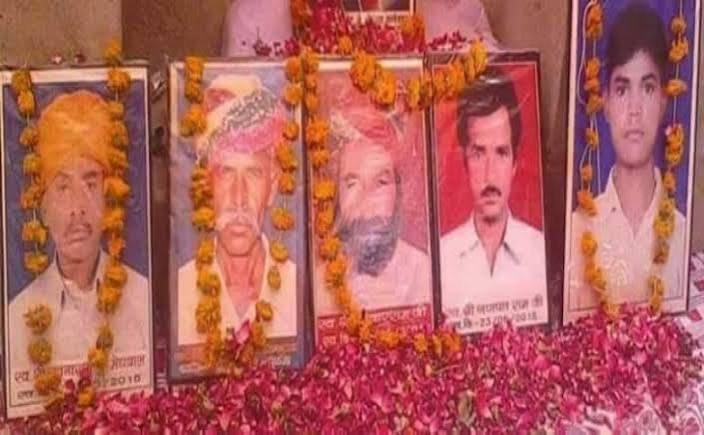
On August 5, 2026, the Special SC/ST Court in Merta acquitted all 40 accused in the case, granting them the benefit of the doubt. The court concluded that the incident was proven and its perpetrators were unproven. This single sentence from the court encapsulates the entire tragedy of the Dangawas Dalit massacre. Bhanwar Meghvanshi explains. First, let’s understand what happened that day in Dangawas, a village in Nagaur district, Rajasthan. How the violence that began with a land dispute escalated into a Dalit massacre, and how the search for justice became a long struggle. Finally, a court verdict, delivered 11 years later, now appears to be a case of injustice. To simply describe the Dangawas Dalit massacre as a land dispute between two parties would be an injustice to the entire incident. If we piece together the events, a horrific story emerges, in which an old land dispute, caste dominance, administrative inaction, open threats, the controversial role of the illegal village panchayat, armed mobs, tractor crushes, firing, alleged sexual and physical violence against women, and subsequent attacks on victims in the hospital all appear interconnected. The most important question is: was what happened on May 14, 2015, a sudden communal clash or a serious consequence of already building tensions and threats? Dangawas is a village in the Merta City area of Nagaur district. According to the 2011 census, the village had 1,578 families and a total population of approximately 7,470. Dalits constituted approximately 16.59 percent of the population. There had been a long-standing dispute in the village over the occupation of Dalit land by non-Dalits and tenancy rights. The land dispute that later became the backdrop for the Dangavas massacre is 23 bighas and 5 biswas of land. This land has been in the name of the Dalit Meghwal family since its inception in government records. Later, a dispute arose over its alleged purchase, sale, transfer, and possession. According to the occupying Jat family, they had purchased the land, but it was only in the Dalits’ names on paper. Meanwhile, the Dalit family claims the land was mortgaged and was reclaimed after making a reasonable payment. However, the Jat family continued to illegally occupy it, leading the aggrieved Dalit family to approach the courts and the administration. Ultimately, proceedings before the Sub-Divisional Officer resulted in a decision in favor of the Dalit family, ordering the transfer of physical possession. This is where the story becomes more serious. While the land belonged to the Dalits on paper, the land was in the hands of another party. The law stated one thing, while the powers that be asserted another. This cannot be explained by a single incident; it is a series of events. For example, on April 20, 2015, there was mention of an attempt to cut down trees and build a pond on the disputed land. Subsequently, on April 21, an incident of attempted rape and assault of a Dalit widow was reported. When the police failed to register a case, the victim had to go to court. Subsequently, threats against Dalits escalated. On May 11, Dalits sought protection from the local administration. Dalit families living on the disputed land were receiving threats of eviction, and several local administration officials were aware of the dispute. That same day, members of the Jat community submitted a memorandum to the local administration, demanding the removal of Dalit families from the land and threatening to remove them themselves if action was not taken. The Dalit families again sought protection from the local administration, but the local administration remained silent. This suggests that signs of danger were present before the violence of May 14. On the morning of May 14, 2015, members of the Jat community convened an illegal panchayat in the village regarding the disputed land, where a large number of people gathered. From there, this frenzied mob, armed with weapons, arrived on tractors, motorcycles, and other vehicles at the disputed land, where Dalit families were present with their relatives. A mob of hundreds of people targeted and began killing Dalit men and women present there. The violent mob not only surrounded the Dalits and hurled caste-related slurs at them, but also attacked them with sticks, rods, axes, and other weapons. Their huts and houses were set on fire. Their vehicles were burned. But the most horrific part of the violence was tractor justice. Tractors were driven over Dalits. Many were hit by the tractors. Two Dalits, Ratnaram and Pokharram, died on the spot, and nearly a dozen others were seriously injured. Pancharam also succumbed to his injuries later. Ganeshram and Ganpatram died while undergoing treatment in the hospital. Thus, five Dalits were killed in the mob lynching of May 14, 2015. To simply call the Dangawas incident a “murder” would be to minimize its full scale. Among those injured, many had broken limbs and head injuries. Several parts of their bodies also bore serious wounds and other injuries. When I visited the Dangawas victims after the incident, they also alleged that, in addition to caste-based slurs, women were assaulted, their clothes torn, and attempts were made to sexually assault them. This means that the attack wasn’t just on their bodies; their dignity and self-respect were also deeply hurt. Another horrific chapter of the Dangawas Dalit massacre involves hospitals in Merta City and Ajmer. After the incident, the injured were taken to hospitals, but due to the police’s late arrival at the scene and the tense situation at the hospital, the mob targeted the injured at Merta Hospital. Most importantly, those who should have been protected in the hospital were forced to endure fear even there. The case of Rampal Goswami’s gunshot death also came to light amid the violence on May 14th. Rampal’s family alleged that he was forcibly taken away by the mob. He later died of gunshot wounds. The Dalit community was blamed for the murder. According to the case report, the deceased Goswami had gone to Dangavas as an emissary of an illegal village council of villagers to convene Dalits and was shot by them. However, the CBI investigation failed to substantiate this allegation. Questions remain: how was Rampal Goswami killed? Who fired the shot? Where did the gun used to kill him go? Where was his body found? Why have his killers remained unidentified? The Dalit community alleges that an attempt was made to frame Dalit victims and their families as accused using Rampal Goswami’s murder as a basis. The CBI investigation later cleared the Dalits of Rampal Goswami’s murder charges. The Rajasthan Police initially initiated the Dangavas case, but the investigation was later handed over to the CID. However, after strong protests, protests, and public pressure, the state government handed over the investigation of the Dangavas incident to the CBI. The CBI investigation confirmed the recovery of sticks, iron rods, sharp weapons, and a gun hammer and loading mechanism from the scene. The CBI filed a charge sheet against those accused of murdering five Dalits. A total of 40 accused were charged. Of these, 13 were reported absconding, and 27 were arrested. Following the Rajasthan High Court’s intervention, all the accused were arrested and sent to jail. District and Sessions Court, Merta, Rajasthan (Photo courtesy: Pramod Indaliya) This fact is extremely important because it at least makes it clear that the CBI did not dismiss the incident as a minor dispute between two families. So who was claiming it was a “fight between two families”? Following the heinous Dangavas massacre, a narrative was rapidly spread through social media that this was not caste violence, but a land dispute between two parties. This raises the question: If it was a dispute between just two families, then which side represented hundreds of people, and why? Why did so many people carry weapons? Why were Dalits’ homes and huts burned? Why were tractors driven over their bodies? The existence of a land dispute does not prove that the violence was not caste-based; rather, it is necessary to examine which social forces were used against whom during the conflict. Serious questions also arise about the role of the Nagaur police and the Merta administration in the Dangavas Dalit massacre. The site of the attack on Dalits was just a few kilometers from the police station. The Dalit side claims that the police had already been informed in writing about the illegal panchayat being held in the village and the potential attack. Despite this, what could have been the reason for the police’s delay in arriving at the scene? Prior to this, on May 11th, Dalits had requested security, and this was because of the persistent tension in the village. Therefore, an important and uncomfortable question arises: was the Dalit massacre in Dangavas a sudden act or did the administration deliberately not prevent the violence? If Dalits were already being threatened, tensions were rife over land, there was a dispute in the Panchayat, the police administration had been informed and security had been sought, then where was the state police system on May 14? Dalits killed in the Dangawas Dalit massacre Following the incident, Dalit organizations, human rights groups, and progressive political organizations launched a massive movement. A sit-in was held outside the hospital in Ajmer. Demonstrations were held in various parts of the country, including Rajasthan. Memorandums and protests were held in Jaipur, Jodhpur, Nagaur, Barmer, and other places. The main demands of the movement were a CBI investigation, better treatment for the injured, compensation for the families of the deceased, arrest of the accused, and protection for Dalit families. Finally, on May 29, 2015, a notification from the central government paved the way for a CBI investigation. But did everything settle after the CBI investigation? Beyond immediate relief, the Vasundhara Raje Scindia government, then in power in the state, failed to address many of the victims’ demands. An 18-point agreement was reached between the protesters and the Rajasthan government. This included demands for a CBI investigation, compensation, rehabilitation, removal of land encroachments, security, arrest of the accused, accountability of police officers, and separate trials for violence against women. The struggle was not simply about who killed. The question also arose: who were those who repeatedly warned and threatened Dalits? Who were those who refused to protect them despite their pleas? Who were those who took no action on Dalit complaints and allowed the massacre of Dalits to occur? And who were those who later delayed providing justice to the oppressed Dalits? What would their accountability be? What is the true story of Dangavas? Undoubtedly, at its core was a land dispute, but it wasn’t just a land dispute. It was a conflict influenced by caste power relations. Forced occupation of Dalit land and social dominance were at its core. The violence did not occur suddenly. This is clear from the events described above. On May 14th, the violence escalated into mass violence. The use of mobs, weapons, tractors, arson, beatings, and sexual violence against Dalit women distinguished it from a normal conflict. The fight for justice that followed the incident was equally difficult. The initial police action, the direction of the allegations in the FIR, the events at the hospital, the administrative response, the subsequent CBI investigation, and now the decision of the Scheduled Castes and Tribes Special Court have further complicated the matter. The second chapter of this Dalit massacre began with the question of who should be accused and who should be spared. Several Dalits were accused in the Rampal Goswami murder case, but the CBI investigation acquitted 19 Dalits of those charges. On the other hand, a large number of other accused were charged in the murder of five Dalits. The case dragged on for nearly 11 years in the Scheduled Castes and Tribes Special Court. Now, this court has acquitted all the accused. Therefore, the greatest tragedy of Dangavas was not just the loss of life. The tragedy was also that those whose loved ones were killed had to fight a long battle to get justice, and ultimately, they were denied. Perhaps the biggest lesson from Dangavas is that when land grabs are determined not by law but by social power, when the administration doesn’t take threats seriously, when victims aren’t protected in a timely manner, and when even the justice process following violence is shrouded in doubt, then the massacre ceases to be merely a one-day event. It becomes a test of the system. The Dangavas Dalit massacre is crucial to remember so that it cannot be erased from history by calling it a “fight between two families.” Forgetting it isn’t just about forgetting the five victims. It’s about forgetting the entire question of when Dalits in this country will feel secure in their equal rights over their land, their bodies, and their lives. But on August 5, 2026, the SC/ST Special Court in Merta acquitted all 40 accused in the case, giving them the benefit of the doubt. The court concluded that the incident was proven, but its perpetrators were unproven. This single sentence of the court encapsulates the entire tragedy of the Dangavas Dalit massacre. This means that murders occurred, the court accepts. People died, this is proven. People were injured, mass violence occurred, this is also proven. But no one was found to kill them! So the question then is: who killed those six people, including five Dalits and one from a backward class, that day? Did Ratnaram, Pokharam, Pancharam, Ganpatram, Ganeshram (all Dalits), and Rampal Goswami (OBC) die spontaneously? Were the injuries on their bodies the work of an invisible hand? Was there no perpetrator of the violence in the fields? And if there were perpetrators, why couldn’t the police, CBI, and judicial process, which lasted for more than ten years, reach them? This is the question that is in the eyes of the families of Dangavas who lost their loved ones, and it should also be asked of the justice system of Indian democracy. The technicalities of the law have their place here. A person cannot be convicted based on mere suspicion. I don’t disagree with this principle, but my question goes beyond this: if the court has proven five deaths, established mass violence, and established serious injuries, then why did the investigating agencies not gather evidence that could lead to the real culprits of the violence? This question is more about the investigation and prosecution system than the court, because the court itself wrote in its decision that the prosecution’s failure was revealed by its own evidence. Several witnesses refused to identify the accused. Some said they did not know them beforehand. In some cases, the names were revealed later, and in the case of one accused, the prosecution witness himself admitted his false inclusion. So, the question arises: who was responsible for witness protection, identification, and evidence collection in such a large-scale mass murder? This was not a case where the local police merely performed the formalities and the matter was buried. Two FIRs were registered. Both cases were later handed over to the CBI. The CBI investigated and filed charge sheets. A total of 40 accused were tried in this case, but the situation before the court eleven years later is horrifying. The court found that many seizures could not be legally proven; serology was not conclusive; DNA testing was not conducted; there was no dye declaration, and there was no sufficient scientific link connecting the bloodstained weapons to the deaths. This is not just a failure of the prosecution; it questions the entire structure of the investigation. If, after eleven years, the court says that a scientific link has not been established in a major mass violence case, then it is the right of a democratic society to ask: who conducted the investigation? How was the investigation conducted? Was the investigation adequate? Were witnesses protected? Was the evidence preserved? And if not, who is accountable? This verdict on the Dangavas Dalit massacre reveals another horrifying truth: in India, the most vulnerable to justice are often those with the fewest resources. It is difficult for a poor Dalit family to even access the court. Fighting a case for years is difficult. It is difficult to secure witnesses. It is difficult to gather documents. It is difficult to monitor the investigation. And when the verdict finally comes and the accused are acquitted, what is left for the family? A few papers, a few post-mortem reports, some old photographs, a few testimonies, a few dates, and photographs of the deceased? Is this justice? Bhanwar Meghvanshi (Edited by: Naval/Anil)
Philosophy
About the Author
Bhanwar Meghwanshi is a writer, journalist, and socio-cultural activist. He began his public life as a volunteer with the RSS. His autobiography, “I Was a Kar Sevak,” was a major publication. An English translation of this book, titled “I Could Not Be a Hindu,” was recently published. Meghwanshi is currently the editor of “Shunyakaal.com.”_____________________________________ Forward Press, in addition to being a web portal, is also a publisher of books on Bahujan issues. These books, published under the name of FP Books, delve into the broader issues as well as the subtle aspects of the literature, culture and socio-politics of the Bahujan (Dalit, OBC, Tribal, Nomadic, Pasmanda community) sections. Courtesy: Hindi News
🟪🟪🟪🟪🟪🟪🟪🟪🟪🟪🟪🟪🟪🟪🟪🟪
2️⃣🔴🔴🔴🔴🔴🔴2️⃣
Kerala state:
Adivasi-Dalit groups to hold rights declaration, gathering for fresh push for justice in Muthanga case
Adivasi and Dalit organisations are demanding a comprehensive inquiry into the death of Yogi (Jogi), who was reportedly killed in police firing during the 2003 Muthanga land agitation and and the alleged human rights violations in connection with the stir
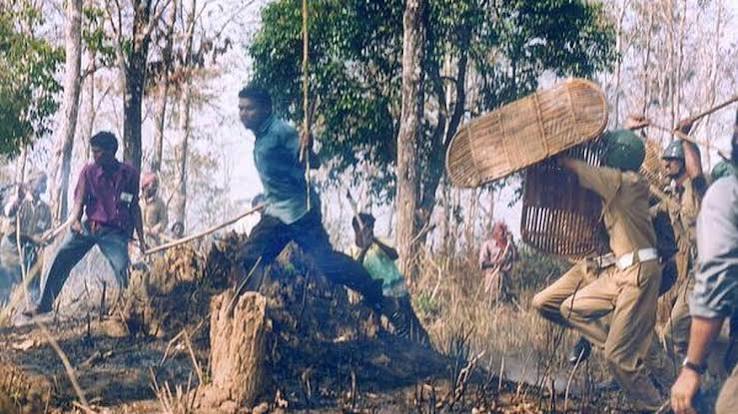
Adivasi and Dalit organisations will intensify protests demanding a comprehensive inquiry into the death of Yogi (Jogi), who was reportedly killed in police firing during the 2003 Muthanga land agitation and the alleged human rights violations in connection with the stir.
Discrimination& Identity Relations
An Adivasi-Dalit gathering and Declaration of Rights will be held at Municipal Town Hall in Sulthan Bathery (Jogi Nagar) on Sunday (August 9) on the occasion of the International Day of the World’s Indigenous Peoples. Bommi Amma of Cheeral, the oldest surviving participant in the Muthanga struggle, will inaugurate the gathering at 9 a.m. Sivan Yogi, son of Jogi, will preside over the event.
2003 Muthanga land struggle: two decades later, all accused who faced trial in constable murder case acquitted; Geethanandan, three others convicted in related offences
Cultural procession
The programme is being organised by the Muthanga Solidarity Committee, a collective of several organisations and individuals led by the Adivasi Gothra Mahasabha (AGMS) and the Ambedkarite Democratic Front (ADF). Participants in the Muthanga struggle will share their experiences at the meeting. A cultural procession will subsequently be taken out through the town, followed by a public meeting at Jogi Nagar (Town Hall) at 4 p.m. ADF State working chairperson K. Ambujakshan will inaugurate the public meeting, while AGMS general secretary P.G. Janardhanan will make the Declaration of Rights.
The Muthanga land agitation has returned to the limelight after the Kalpetta Principal Sessions Court, on July 31, acquitted all the accused who stood trial, including social activist M. Geethanandan, in the case relating to the murder of police constable K.V. Vinod. However, the court convicted Geethanandan and three others on other charges related to the case and sentenced each to five years of rigorous imprisonment.
Courts& Judiciary
In a joint statement issued on Saturday, the organisers said the programme was being held against the backdrop of nearly 25 years of struggles by indigenous communities for land, control over natural resources, self-governance and justice. They said that under the agreement reached following the historic Kudilketty Samaram in 2001, the government was bound to distribute between one and five acres of land to landless Adivasis. However, the failure to implement the agreement led to the Muthanga agitation, during which Adivasi families erected huts on their “ancestral land” inside the Muthanga Wildlife Sanctuary in Wayanad and launched a “peaceful” protest.
The subsequent police firing on and attack against the protesters, allegedly carried out without negotiations or warning, shocked the conscience of the world, the organisers said. Jogi, who was killed in the firing, was yet to receive justice as no proper investigation had been conducted into his death, they said. The organisers also alleged that around 55 people, including an eight-month-old child, died later after being subjected to police atrocities.
Ethics
They further said that even a direction issued by the then National Human Rights Commission to conduct a comprehensive probe into the alleged human rights violations, including those against women and children, was not implemented.
The Hindu Bureau
முத்தங்கா வழக்கில் நீதிக்கான புதிய உந்துதலுக்காக ஆதிவாசி-தலித் அமைப்புகள் உரிமைப் பிரகடனத்தையும், கூட்டத்தையும் நடத்தவுள்ளன.
2003-ஆம் ஆண்டு முத்தங்கா நிலப் போராட்டத்தின்போது காவல்துறை துப்பாக்கிச் சூட்டில் கொல்லப்பட்டதாகக் கூறப்படும் யோகி (ஜோகி) என்பவரின் மரணம் குறித்தும், அப்போராட்டம் தொடர்பாக நடந்ததாகக் கூறப்படும் மனித உரிமை மீறல்கள் குறித்தும் விரிவான விசாரணை நடத்த வேண்டும் என ஆதிவாசி மற்றும் தலித் அமைப்புகள் கோரிக்கை விடுத்துள்ளன.
2003-ஆம் ஆண்டு முத்தங்கா நிலப் போராட்டத்தின்போது காவல்துறை துப்பாக்கிச் சூட்டில் கொல்லப்பட்டதாகக் கூறப்படும் யோகி (ஜோகி) அவர்களின் மரணம் மற்றும் அப்போராட்டம் தொடர்பாக நடந்ததாகக் கூறப்படும் மனித உரிமை மீறல்கள் குறித்து விரிவான விசாரணை கோரி, ஆதிவாசி மற்றும் தலித் அமைப்புகள் போராட்டங்களைத் தீவிரப்படுத்தும்.
பாகுபாடுமற்றும் அடையாள உறவுகள்
உலகப் பழங்குடியினர் சர்வதேச தினத்தை முன்னிட்டு, சுல்தான் பத்தேரி (ஜோகி நகர்) நகராட்சி மன்றத்தில் ஞாயிற்றுக்கிழமை (ஆகஸ்ட் 9) அன்று ஆதிவாசி-தலித் மக்கள் ஒன்றுகூடல் மற்றும் உரிமைப் பிரகடன நிகழ்ச்சி நடைபெறும். முத்தங்கா போராட்டத்தில் பங்கேற்று உயிர் பிழைத்திருக்கும் மூத்தவரான சீரலைச் சேர்ந்த பொம்மி அம்மா, காலை 9 மணிக்கு இந்நிகழ்ச்சியைத் தொடங்கி வைப்பார். ஜோகியின் மகன் சிவன் யோகி இந்நிகழ்ச்சிக்குத் தலைமை தாங்குவார்.
2003 முத்தங்கா நிலப் போராட்டம்: இருபது ஆண்டுகளுக்குப் பிறகு, காவலர் கொலை வழக்கில் விசாரணைக்கு உட்படுத்தப்பட்ட குற்றம் சாட்டப்பட்ட அனைவரும் விடுவிக்கப்பட்டனர்; கீதானந்தன் மற்றும் மேலும் மூவர் தொடர்புடைய குற்றங்களுக்காகத் தண்டிக்கப்பட்டனர்.
கலாச்சார ஊர்வலம்
ஆதிவாசி கோத்ரா மகாசபை (AGMS) மற்றும் அம்பேத்கரிய ஜனநாயக முன்னணி (ADF) ஆகியவற்றின் தலைமையில் இயங்கும், பல அமைப்புகள் மற்றும் தனிநபர்களின் கூட்டமைப்பான முத்தங்கா ஒற்றுமைக் குழுவால் இந்த நிகழ்ச்சி ஏற்பாடு செய்யப்பட்டுள்ளது. முத்தங்கா போராட்டத்தில் பங்கேற்றவர்கள் இக்கூட்டத்தில் தங்கள் அனுபவங்களைப் பகிர்ந்துகொள்வார்கள். அதனைத் தொடர்ந்து, நகரம் முழுவதும் ஒரு கலாச்சார ஊர்வலம் நடத்தப்படும். பின்னர், மாலை 4 மணிக்கு ஜோகி நகரில் (நகர மண்டபம்) ஒரு பொதுக்கூட்டம் நடைபெறும். ADF மாநில செயல் தலைவர் கே. அம்புஜாக்ஷன் பொதுக்கூட்டத்தைத் தொடங்கி வைப்பார், அதே நேரத்தில் AGMS பொதுச் செயலாளர் பி.ஜி. ஜனார்த்தனன் உரிமைகள் பிரகடனத்தை வெளியிடுவார்.
காவலர் கே.வி. வினோத் கொலை தொடர்பான வழக்கில், சமூக ஆர்வலர் எம். கீதானந்தன் உட்பட விசாரணைக்கு உட்படுத்தப்பட்ட அனைத்துக் குற்றவாளிகளையும் கல்பெட்டா முதன்மை அமர்வு நீதிமன்றம் ஜூலை 31 அன்று விடுவித்ததைத் தொடர்ந்து, முத்தங்கா நிலப் போராட்டம் மீண்டும் வெளிச்சத்திற்கு வந்துள்ளது. இருப்பினும், இவ்வழக்கு தொடர்பான மற்ற குற்றச்சாட்டுகளுக்காக கீதானந்தன் மற்றும் மேலும் மூவரை நீதிமன்றம் குற்றவாளிகள் எனத் தீர்ப்பளித்து, ஒவ்வொருவருக்கும் ஐந்து ஆண்டுகள் கடுங்காவல் தண்டனை விதித்தது.
நீதிமன்றங்கள்& நீதித்துறை
சனிக்கிழமையன்று வெளியிடப்பட்ட ஒரு கூட்டறிக்கையில், நிலம், இயற்கை வளங்கள் மீதான கட்டுப்பாடு, தன்னாட்சி மற்றும் நீதிக்காக பழங்குடி சமூகங்கள் நடத்திய சுமார் 25 ஆண்டுகாலப் போராட்டங்களின் பின்னணியில் இந்த நிகழ்ச்சி நடத்தப்படுவதாக ஏற்பாட்டாளர்கள் தெரிவித்தனர். 2001-ஆம் ஆண்டு நடைபெற்ற வரலாற்றுச் சிறப்புமிக்க குடில்கெட்டி சமரத்தைத் தொடர்ந்து எட்டப்பட்ட ஒப்பந்தத்தின்படி, நிலமற்ற ஆதிவாசிகளுக்கு ஒன்று முதல் ஐந்து ஏக்கர் வரை நிலம் வழங்க அரசு கடமைப்பட்டிருந்தது என்றும் அவர்கள் கூறினர். இருப்பினும், அந்த ஒப்பந்தத்தைச் செயல்படுத்தத் தவறியது முத்தங்கா போராட்டத்திற்கு வழிவகுத்தது. அப்போரின்போது, வயநாட்டில் உள்ள முத்தங்கா வனவிலங்கு சரணாலயத்திற்குள், ஆதிவாசிக் குடும்பங்கள் தங்களின் "மூதாதையர் நிலத்தில்" குடிசைகளை அமைத்து, "அமைதியான" போராட்டத்தைத் தொடங்கினர்.
பேச்சுவார்த்தையோ அல்லது முன்னறிவிப்போ இன்றி, போராட்டக்காரர்கள் மீது காவல்துறை நடத்திய துப்பாக்கிச் சூடும் தாக்குதலும் உலகத்தின் மனசாட்சியை உலுக்கியதாக அமைப்பாளர்கள் தெரிவித்தனர். துப்பாக்கிச் சூட்டில் கொல்லப்பட்ட ஜோகியின் மரணம் குறித்து முறையான விசாரணை நடத்தப்படாததால், அவருக்கு இன்னும் நீதி கிடைக்கவில்லை என்றும் அவர்கள் கூறினர். மேலும், காவல்துறையின் அட்டூழியங்களுக்கு உள்ளான எட்டு மாதக் குழந்தை உட்பட சுமார் 55 பேர் பின்னர் உயிரிழந்ததாகவும் அமைப்பாளர்கள் குற்றம் சாட்டினர்.
நெறிமுறைகள்
பெண்கள் மற்றும் குழந்தைகளுக்கு எதிரானவை உட்பட, கூறப்படும் மனித உரிமை மீறல்கள் குறித்து விரிவான விசாரணை நடத்துமாறு அப்போதைய தேசிய மனித உரிமைகள் ஆணையம் பிறப்பித்த உத்தரவு கூட செயல்படுத்தப்படவில்லை என்று அவர்கள் மேலும் தெரிவித்தனர்.
இந்து பணியகம்
நன்றி : தி இந்து
..
What is Muthanga firing by Police in Kerala?
Muthanga Firing — 19 February 2003
The Muthanga firing was a major Adivasi land-rights confrontation in Wayanad, Kerala, on 19 February 2003. It arose from a long-running struggle by Adivasis for land promised to landless tribal families.
What happened?
Adivasi organisations, particularly the Adivasi Gothra Maha Sabha (AGMS), led a land occupation in the Muthanga forest area.
The movement was associated prominently with C. K. Janu and other Adivasi leaders.
The protesters argued that successive Kerala governments had failed to implement commitments to provide land to landless Adivasis.
On 19 February 2003, police and forest officials moved against the occupation, resulting in a violent confrontation and police firing. �
National Human Rights Commission +1
Police constable K. V. Vinod was also killed during the violence. The circumstances surrounding his death became the subject of a long-running criminal case.
The National Human Rights Commission (NHRC) received allegations that 16 people, including women and children, died. �
National Human Rights Commission
NHRC's important intervention
The NHRC was not satisfied with the initial reports from Kerala's Chief Secretary and DGP. It said that an independent inquiry was necessary to determine whether the firing was justified and whether excessive force had been used. It recommended an investigation by an independent agency, preferably the CBI. �
National Human Rights Commission
Interestingly, the subsequent CBI investigation reached a different conclusion: according to the NHRC's 2004–05 annual report, the CBI concluded that the police firing was necessitated by the circumstances and lawful, and recommended no action against the officials. �
National Human Rights Commission
Why Muthanga is historically important
Muthanga is important not simply as a police-firing incident but as a major chapter in the Adivasi struggle for land, dignity and implementation of land rights in Kerala. The dispute involved the failure to provide land to landless tribal families and the broader question of Adivasi control over traditional lands. �
ResearchGate
2026 legal development
There has also been a significant recent development. On 31 July 2026, the Kalpetta Principal Sessions Court acquitted 56 people, including AGMS co-founder M. Geethanandan, of the murder of police constable K. V. Vinod. However, Geethanandan and three others were convicted in a separate attempted-murder case connected with the incident. �
The Times of India
Muthanga therefore remains a key reference point in the history of Adivasi land rights movements in India.
🔴🔴🔴🔴🔴🔴🔴🔴🔴🔴🔴🔴🔴🔴🔴🔴
3️⃣🔵🔵🔵🔵🔵🔵3️⃣
Gujarat State:
Death threats to family in Soraon: Allegations of demolition of ancestral thatch, no action even after a week
Shyamlal, a Scheduled Caste resident of Abdalpur (Pakditar) village in the Soraon police station area, has alleged that his ancestral thatch was demolished, he was assaulted, and threatened with death. He has filed a complaint against the opposing party. The victim alleges that even after a week has passed, no action has been taken in the matter.
According to Shyamlal, a thatched house covered with cement sheets is located on his ancestral plot number 608. He stated that a settlement was not reached during the hearing in the SC/ST court on July 12th. Subsequently, at around 1 a.m. on July 31st, six people from the neighborhood entered his house and began demolishing the thatch and breaking the cement sheets.
Courts& Judiciary
When Shyamlal protested, it is alleged that the accused, armed with sticks, abused him and chased him with the intention of killing him. Shyamlal saved his life by running into his house. The victim also alleged that the next morning, when he went to lay bricks with his family, the same men returned and assaulted his daughter-in-law, Bachni Devi, and son, Kamlesh.
The victim immediately called the police on 112. After the police arrived, the family was able to escape safely. The accused fled the scene, threatening life and property.
Shyamlal alleges that after the incident, he filed several complaints with the Soraon police station and the Soraon Circle Officer. However, even after a week, neither the police arrived at the scene nor a case was registered. The victim has demanded immediate action and protection for his family.
In this regard, Inspector-in-Charge Deendayal Singh stated that the matter will be investigated seriously. Whoever is found guilty in the investigation will be prosecuted as per the law.
सोराओन में परिवार को जान से मारने की धमकियां: पुश्तैनी घर तोड़ने के आरोप, एक सप्ताह बीत जाने के बाद भी कोई कार्रवाई नहीं
सोरांव थाना क्षेत्र के अब्दालपुर (पकदितार) गांव के अनुसूचित जाति निवासी श्यामलाल ने आरोप लगाया है कि उनके पुश्तैनी घर को तोड़ दिया गया, उन पर हमला किया गया और जान से मारने की धमकी दी गई। उन्होंने विपक्षी पार्टी के खिलाफ शिकायत दर्ज कराई है। पीड़ित का आरोप है कि एक सप्ताह बीत जाने के बाद भी इस मामले में कोई कार्रवाई नहीं की गई है।
श्यामलाल के अनुसार, उनके पुश्तैनी भूखंड संख्या 608 पर सीमेंट की चादरों से ढका एक फूस का मकान स्थित है। उन्होंने बताया कि 12 जुलाई को अनुसूचित जाति/अनुसूचित जनजाति न्यायालय में सुनवाई के दौरान कोई समझौता नहीं हो सका। इसके बाद, 31 जुलाई को लगभग रात 1 बजे, पड़ोस के छह लोग उनके घर में घुस आए और फूस की छत को तोड़ना और सीमेंट की चादरों को फाड़ना शुरू कर दिया।
न्यायालयऔर न्यायपालिका
श्यामलाल के विरोध करने पर आरोप है कि आरोपियों ने लाठियों से लैस होकर उसे गाली दी और जान से मारने की नीयत से उसका पीछा किया। श्यामलाल अपने घर में भागकर अपनी जान बचाने में कामयाब रहा। पीड़ित ने यह भी आरोप लगाया कि अगली सुबह जब वह अपने परिवार के साथ ईंटें लगाने गया, तो वही लोग वापस आए और उसकी बहू बचनी देवी और बेटे कमलेश पर हमला किया।
पीड़ित ने तुरंत 112 पर पुलिस को फोन किया। पुलिस के पहुंचने के बाद परिवार सुरक्षित निकल निकला। आरोपी जान और माल को खतरा पहुंचाते हुए मौके से फरार हो गया।
श्यामलाल का आरोप है कि घटना के बाद उन्होंने सोरांव पुलिस स्टेशन और सोरांव सर्कल ऑफिसर के पास कई शिकायतें दर्ज कराईं। हालांकि, एक सप्ताह बीत जाने के बाद भी न तो पुलिस घटनास्थल पर पहुंची और न ही कोई मामला दर्ज किया गया। पीड़ित ने तत्काल कार्रवाई और अपने परिवार की सुरक्षा की मांग की है।
इस संबंध में प्रभारी निरीक्षक दीनदयाल सिंह ने कहा कि मामले की गंभीरतापूर्वक जांच की जाएगी। जांच में जो भी दोषी पाया जाएगा, उस पर कानून के अनुसार मुकदमा चलाया जाएगा।
Sivaji Ayyayi r kiam. UT News. The creamy layer concept, which excludes economically advanced individuals from reservation benefits, currently applies only to Other Backward Classes (OBCs) in India (typically those with family income above ₹8 lakh per year). It does not apply to Scheduled Castes (SC) and Scheduled Tribes (ST) reservations. Supreme Court Observations (August 2024) In a landmark 6:1 majority judgment in State of Punjab v. Davinder Singh (1 August 2024), a seven-judge Constitution Bench allowed states to sub-classify SC/ST groups to provide more targeted quotas to the most disadvantaged sub-groups. Several judges (including Justices B.R. Gavai, Vikram Nath, and others) observed that states should identify and exclude a "creamy layer" (socially/economically advanced sections) within SC/ST from reservation benefits, arguing this would ensure benefits reach the truly needy and achieve "real equality." They suggested criteria for SC/ST creamy ...
Dr Ambedkar through constitution paved the way to enter, 1)Power House...Parliament.Legislative Assembly.for empowerment under reservation. 2)Educational Institutions. for empowerment.under reservation. 3)Employement institutions.for empowerment.under reservation. 4)Promotion reservation. 5)Asset procurement.for empowerment. .... Political Map of SC.ST CMs.in various states. இந்தியாவில் உள்ள பட்டியலிடப்பட்ட சாதி (SC) சமூகங்களைச் சேர்ந்த முதல்வர்கள் 🟠 1. ஆந்திரப் பிரதேசம் தாமோதரம் சஞ்சீவய்யா ஆந்திரப் பிரதேசத்தின் 2வது முதலமைச்சராக (1960-1962) பணியாற்றினார். 2)பீகார். A)போலா பாஸ்வான் சாஸ்திரி 1968 மற்றும் 1972 க்கு இடையில் மூன்று முறை முதல்வராக பணியாற்றினார். B)ராம் சுந்தர் தாஸ்,cm. C)ஜிதன் ராம் மஞ்சி.cm ........ 3). உத்தரப் பிரதேசம் மாயாவதி உத்திரப் பிரதேசத்தின் முன்னாள் முதல்வர் மற்றும் இந்தியாவின் மிக முக்கியமான தலித் அரசியல்வாதிகளில் ஒருவர். ....... 4)இந்தியாவின் ஆரம்பகால எஸ்சி முதல்வர்களில் ஒருவர். 2010கள் பஞ்சாப் சரஞ்சித் சிங் சன்னி பஞ்சாப் முன்னாள் மு...







Comments
Post a Comment