10.08.2026.News Untouchable.(English, हिन्दी, தமிழ் )Voice of Sc.STs,Buddhists,Ambedkar ites,Anti SC.ST atrocity news,Employement news)by Sivaji Ayyayiram.9444917060.asivaji1962@gmail.com.FB.sivaji yoga Tiruvannamalai.x.shivajia479023


Adivasi-Dalit convention seeks justice for Jogi, Muthanga violence victims

Adivasi-Dalit convention and Declaration of Rights held at Sulthan Bathery in Wayanad on Sunday. Bommi Amma of Cheeral, the oldest surviving participant in the Muthanga struggle, inaugurated the gathering
Bommi Amma, the oldest surviving participant in the Muthanga agitation, inaugurating the Adivasi-Dalit gathering at Sulthan Bathery in Wayanad on August 9.
Bommi Amma, the oldest surviving participant in the Muthanga agitation, inaugurating the Adivasi-Dalit gathering at Sulthan Bathery in Wayanad on August 9. | Photo Credit: Special Arrangement
As part of intensifying protests demanding a comprehensive inquiry into the death of Yogi (Jogi), who was reportedly killed in police firing during the 2003 Muthanga land agitation and the alleged human rights violations in connection with the stir, an Adivasi-Dalit convention and Declaration of Rights were held at Sulthan Bathery in Wayanad on Sunday (August 9) on the occasion of the International Day of the World’s Indigenous Peoples.
The gathering was inaugurated by Bommi Amma of Cheeral, the oldest surviving participant in the Muthanga struggle.
Several people who participated in the land stir shared their experiences at the meeting, organised by the Adivasi Gothra Mahasabha (AGMS) and the Ambedkarite Democratic Front (ADF). In the evening, a cultural procession was taken out through the town under the leadership of the Adi Shakti Summer School, followed by a public meeting at the Municipal Town Hall. It was inaugurated by ADF State working chairperson K. Ambujakshan.
AGMS general secretary P.G. Janardhanan made the Declaration of Rights. The resolution demanded a fair investigation into Jogi’s death, implementation of the direction issued by the National Human Rights Commission calling for a comprehensive inquiry into the human rights violations during the Muthanga agitation and adequate compensation for all those affected by the violence.
Sivan Yogi, son of Jogi, and others attended.
The Muthanga land agitation has returned to the limelight after the Kalpetta Principal Sessions Court, on July 31, acquitted all the accused who stood trial, including social activist M. Geethanandan, in the case relating to the murder of police constable K.V. Vinod. However, the court convicted Geethanandan and three others on other charges related to the case and sentenced each to five years of rigorous imprisonment.
The Hindu Bureau
Courtesy : The Hindu
ஜோகி, முத்தங்கா வன்முறைப் பாதிக்கப்பட்டவர்களுக்கு நீதி கோரி பழங்குடியினர்-தலித் மாநாடு
வயநாடு மாவட்டம், சுல்தான் பத்தேரியில் ஞாயிற்றுக்கிழமையன்று ஆதிவாசி-தலித் மாநாடு மற்றும் உரிமைப் பிரகடனம் நடைபெற்றது. முத்தங்கா போராட்டத்தில் பங்கேற்று உயிர் பிழைத்திருக்கும் மூத்தவரான சீரலைச் சேர்ந்த பொம்மி அம்மா, இக்கூட்டத்தைத் தொடங்கி வைத்தார்.
முத்தங்கா போராட்டத்தில் உயிருடன் இருக்கும் பங்கேற்பாளர்களில் மிகவும் வயதானவரான பொம்மி அம்மா, ஆகஸ்ட் 9 அன்று வயநாடு, சுல்தான் பத்தேரியில் நடைபெற்ற ஆதிவாசி-தலித் கூட்டத்தைத் தொடங்கி வைத்தார்.
முத்தங்கா போராட்டத்தில் பங்கேற்று உயிர் பிழைத்திருக்கும் மூத்தவரான பொம்மி அம்மா, ஆகஸ்ட் 9 அன்று வயநாடு, சுல்தான் பத்தேரியில் நடைபெற்ற பழங்குடியினர்-தலித் மாநாட்டைத் தொடங்கி வைக்கிறார். | புகைப்பட உதவி: சிறப்பு ஏற்பாடு
2003-ஆம் ஆண்டு முத்தங்கா நிலப் போராட்டத்தின்போது காவல்துறை துப்பாக்கிச் சூட்டில் கொல்லப்பட்டதாகக் கூறப்படும் யோகி (ஜோகி) அவர்களின் மரணம் மற்றும் அந்தப் போராட்டம் தொடர்பாக நடந்ததாகக் கூறப்படும் மனித உரிமை மீறல்கள் குறித்து விரிவான விசாரணை கோரி தீவிரமடைந்து வரும் போராட்டங்களின் ஒரு பகுதியாக, உலகப் பழங்குடியினர் சர்வதேச தினத்தை முன்னிட்டு, வயநாடு மாவட்டம் சுல்தான் பத்தேரியில் ஞாயிற்றுக்கிழமை (ஆகஸ்ட் 9) அன்று பழங்குடியினர்-தலித் மாநாடு மற்றும் உரிமைப் பிரகடனம் நடைபெற்றது.
முத்தங்கா போராட்டத்தில் பங்கேற்று உயிர் பிழைத்திருக்கும் மூத்தவரான சீராலைச் சேர்ந்த பொம்மி அம்மா, இக்கூட்டத்தைத் தொடங்கி வைத்தார்.
ஆதிவாசி கோத்ரா மகாசபை (AGMS) மற்றும் அம்பேத்கரிய ஜனநாயக முன்னணி (ADF) இணைந்து ஏற்பாடு செய்திருந்த கூட்டத்தில், நிலப் போராட்டத்தில் பங்கேற்ற பலரும் தங்களது அனுபவங்களைப் பகிர்ந்துகொண்டனர். மாலையில், ஆதி சக்தி கோடைகாலப் பள்ளியின் தலைமையில் நகரம் முழுவதும் ஒரு கலாச்சார ஊர்வலம் நடைபெற்றது. அதனைத் தொடர்ந்து நகராட்சி நகர மண்டபத்தில் ஒரு பொதுக்கூட்டம் நடந்தது. அக்கூட்டத்தை ADF மாநில செயல் தலைவர் கே. அம்புஜாக்ஷன் தொடங்கி வைத்தார்.
ஏஜிஎம்எஸ் பொதுச் செயலாளர் பி.ஜி. ஜனார்த்தனன் உரிமைகள் பிரகடனத்தை முன்மொழிந்தார். ஜோகியின் மரணம் குறித்து நியாயமான விசாரணை நடத்தவும், முத்தங்கா போராட்டத்தின் போது நடந்த மனித உரிமை மீறல்கள் குறித்து விரிவான விசாரணை நடத்தக் கோரி தேசிய மனித உரிமைகள் ஆணைக்குழு பிறப்பித்த உத்தரவைச் செயல்படுத்தவும், வன்முறையால் பாதிக்கப்பட்ட அனைவருக்கும் போதுமான இழப்பீடு வழங்கவும் அந்தத் தீர்மானம் வலியுறுத்தியது.
ஜோகியின் மகனான சிவன் யோகியும் மற்றவர்களும் கலந்துகொண்டனர்.
காவலர் கே.வி. வினோத் கொலை தொடர்பான வழக்கில், சமூக ஆர்வலர் எம். கீதானந்தன் உட்பட விசாரணைக்கு உட்படுத்தப்பட்ட அனைத்துக் குற்றவாளிகளையும் கல்பெட்டா முதன்மை அமர்வு நீதிமன்றம் ஜூலை 31 அன்று விடுவித்ததைத் தொடர்ந்து, முத்தங்கா நிலப் போராட்டம் மீண்டும் வெளிச்சத்திற்கு வந்துள்ளது. இருப்பினும், இவ்வழக்கு தொடர்பான மற்ற குற்றச்சாட்டுகளுக்காக கீதானந்தன் மற்றும் மேலும் மூவரை நீதிமன்றம் குற்றவாளிகள் எனத் தீர்ப்பளித்து, ஒவ்வொருவருக்கும் ஐந்து ஆண்டுகள் கடுங்காவல் தண்டனை விதித்தது.
இந்து பணியகம்
நன்றி : தி இந்து
💐🍎💐🍎💐🍎💐🍎💐🍎💐🍎💐🍎💐🍎💐🍎
3️⃣💐🍎💐🍎💐3️⃣

15-year-old girl missing in Umri Begamganj: Case registered based on father’s complaint
A case of kidnapping of a 15-year-old Dalit girl has come to light in the Umri Begamganj police station area. Based on the girl’s father’s complaint, police have registered a case against Vishram Chauhan, son of Shyamu Chauhan, a resident of Umri, and have begun an investigation.
Family members stated that after the girl went missing, they searched for her extensively, but no trace of her was found. Following this, the father submitted a written complaint to the police, demanding action.
Station House Officer Pawan Mishra informed that a case has been registered in this matter. Police are searching for the girl based on the location of the accused’s mobile phone. He also stated that the girl will be recovered soon and the accused will be arrested.
Ravi Prakash Mishra | Belsar (Gonda), Gonda
उमरी बेगमगंज में 15 वर्षीय लड़की लापता: पिता की शिकायत के आधार पर मामला दर्ज किया गया
उमरी बेगमगंज थाना क्षेत्र में 15 वर्षीय दलित लड़की के अपहरण का मामला सामने आया है। लड़की के पिता की शिकायत के आधार पर पुलिस ने उमरी निवासी श्यामू चौहान के पुत्र विश्राम चौहान के खिलाफ मामला दर्ज कर जांच शुरू कर दी है।
परिवार के सदस्यों ने बताया कि लड़की के लापता होने के बाद उन्होंने उसकी व्यापक खोजबीन की, लेकिन उसका कोई सुराग नहीं मिला। इसके बाद पिता ने पुलिस में लिखित शिकायत दर्ज कराकर कार्रवाई की मांग की।
स्टेशन हाउस ऑफिसर पवन मिश्रा ने बताया कि इस मामले में केस दर्ज कर लिया गया है। पुलिस आरोपी के मोबाइल फोन की लोकेशन के आधार पर लड़की की तलाश कर रही है। उन्होंने यह भी बताया कि लड़की जल्द ही बरामद कर ली जाएगी और आरोपी को गिरफ्तार कर लिया जाएगा।
रवि प्रकाश मिश्र | बेलसर (गोण्डा), गोण्डा
உம்ரி பேகம்கஞ்சில் 15 வயது சிறுமி காணாமல் போனார்: தந்தையின் புகாரின் பேரில் வழக்கு பதிவு செய்யப்பட்டது.
உம்ரி பேகம்கஞ்ச் காவல் நிலையப் பகுதியில் 15 வயது தலித் சிறுமி கடத்தப்பட்ட சம்பவம் வெளிச்சத்திற்கு வந்துள்ளது. சிறுமியின் தந்தை அளித்த புகாரின் அடிப்படையில், உம்ரியைச் சேர்ந்த ஷ்யாமு சௌஹானின் மகன் விஷ்ராம் சௌஹான் மீது போலீசார் வழக்குப் பதிவு செய்து விசாரணையைத் தொடங்கியுள்ளனர்.
சிறுமி காணாமல் போன பிறகு, தாங்கள் அவளைப் பற்றி விரிவாகத் தேடியும், அவளைப் பற்றிய எந்தத் தடயமும் கிடைக்கவில்லை என்று குடும்பத்தினர் தெரிவித்தனர். இதைத் தொடர்ந்து, தந்தை நடவடிக்கை எடுக்கக் கோரி காவல்துறையிடம் எழுத்துப்பூர்வமாகப் புகார் அளித்தார்.
இந்த விவகாரத்தில் வழக்கு பதிவு செய்யப்பட்டுள்ளதாக காவல் நிலைய அதிகாரி பவன் மிஸ்ரா தெரிவித்தார். குற்றம் சாட்டப்பட்டவரின் கைபேசியின் இருப்பிடத்தின் அடிப்படையில் போலீசார் சிறுமியைத் தேடி வருகின்றனர். மேலும், சிறுமி விரைவில் மீட்கப்படுவார் என்றும், குற்றம் சாட்டப்பட்டவர் கைது செய்யப்படுவார் என்றும் அவர் கூறினார்.
ரவி பிரகாஷ் மிஸ்ரா | பெல்சார் (கோண்டா), கோண்டா

TM Special | IRS officer Netra Pal’s 10 arguments against the ‘creamy layer’ and generational reservation ban for SC/STs: What do the data reveal?
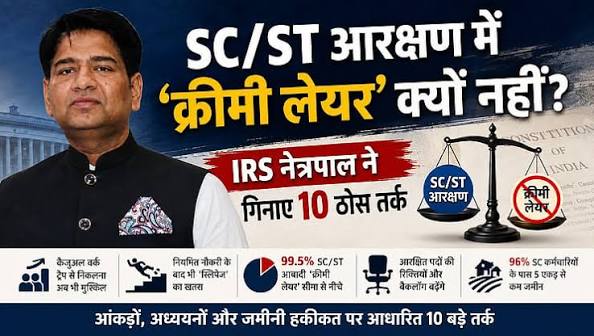
The claim that wealthy Dalits are enjoying the benefits of reservation is not supported by statistics. The Bihar Caste Census revealed that 99.5 percent of the Scheduled Caste/Tribe population is below the economic creamy layer threshold. Even in national income tax data, the number of people earning more than ₹1 crore is negligible in the total population; this number is statistically almost zero in the Scheduled Caste/Tribe community.
New Delhi – Amidst the debate over implementing a ‘creamy layer’ in reservations for Scheduled Castes (SC) and Scheduled Tribes (STs) and excluding the next generation from reservation benefits after one generation of a family has received it, senior IRS officer Netra Pal has put forward 10 key arguments against it. He argues that the socio-economic status of the SC/ST community cannot be judged solely on the basis of current income, employment, or success of a single individual.
The data he cites draws attention to factors such as intergenerational employment, the possibility of moving from regular jobs to the informal sector, lack of assets, a high share of casual employment, social differences in higher education, and vacancies in reserved positions. Netrapal argues that before implementing a “creamy layer” or generational restriction, it is important to understand its impact based on solid empirical data.
Escape from the “Casual Work Trap” Remains Effortless
Netrapal’s first argument is based on intergenerational employment data provided in the “State of Working India 2023.” The report clearly demonstrates caste-wise differences in the distribution of the workforce and income, where social identity impacts labor market outcomes.
In 2018, among SC/ST men who worked as daily wage laborers, 75.6% of their sons also worked as daily wage laborers. According to these data, in 2018, among “other” caste groups, if the father was a casual worker, the probability of his son also remaining a casual worker had decreased to approximately 53 percent. In contrast, among the SC/ST community, this probability was approximately 75 percent.
In comparison, this figure was 86.5% in 2004, suggesting that the sons of SC/ST daily wage laborers have now moved into other forms of employment, especially informal, regularly paid work, but this growth is very slow.
According to Netrapal, this difference indicates that it remains more difficult for SC/ST families to break the cycle of casual and temporary employment than for other social groups. Without continued government support, such as reservations, the cycle of manual labor and irregular employment is difficult to break.
He argues that if one generation gains access to employment and education through government support or reservations, then the next generation is excluded from reservations, the true nature of this intergenerational mobility may be overlooked.
The risk of ‘slippage’ even after achieving regular employment
The second argument is that a member of an SC/ST family securing a regular salaried job does not in itself guarantee lasting socio-economic security.
According to data provided by Netrapal, even children of SC/ST parents who achieve regular employment are at risk of moving into the informal sector, casual work, or self-employment.
This means that regular employment for one generation does not guarantee the continuation of that status for the next generation. Limiting reservation to one generation ignores the fragility of this social climb for Dalits.
On this basis, Netrapal argues that excluding the next generation from reservation based solely on the first generation’s access to regular employment may ignore the instability of social progress.
How large is the ‘creamy layer’?
The argument in favor of implementing a creamy layer in reservation is that economically well-off SC/ST families are consistently benefiting from reservation.
Netrapal, in response, questions the actual size of the creamy layer.
He cites data from the Bihar Caste Survey, which shows that 99.5 percent of the SC/ST population falls below the creamy layer threshold. Furthermore, the national income tax data also shows a very low number of people with incomes exceeding ₹1 crore compared to the total population. According to Netrapal, the number of people falling within this income bracket within the SC/ST community is even more limited.
On this basis, he argues that the presence of a very small economic group should not be used as a basis for limiting reservation eligibility for the entire SC/ST community.
The Creamy Layer Threatens to Increase Vacancies in Reserved Positions
Netrapal’s fourth argument relates to the vacancies in reserved positions and seats.
According to him, the problem of many positions and seats remaining vacant within reserved categories already exists. In such a situation, if creamy layer or second-generation candidates are excluded from reservation, the pool of eligible candidates will narrow further.
This could reduce the number of candidates available for reserved positions and increase backlog vacancies.
According to Netrapal, before limiting the scope of reservation beneficiaries, it is important to assess how many reserved positions are being filled and how many are vacant under the current system.
Increasing income does not necessarily mean generational wealth
According to Netrapal, it is not appropriate to consider the current income of SC/ST employees as an indicator of their family’s generational wealth.
He cites a study on government employees. According to this, 96 percent of SC employees owned less than five acres of land.
Similarly, among rural SC graduates, 82 percent owned less than 1.23 acres of land.
Based on these data, Netrapal argues that many SC employees who have entered government service come from families that do not own large amounts of land or family property.
Therefore, a person’s current income and their family’s generational wealth cannot be viewed on the same scale.
Reserved categories already face a crisis of vacant seats. Excluding the so-called creamy layer or second-generation educated youth will further shrink the pool of eligible graduates. This is likely to further increase backlog vacancies, defeating the very purpose of representation.
Casual employment is very high among SC workers
Netrapal’s sixth argument relates to the employment patterns of the SC community.
According to 2021-22 data, approximately 40 percent of SC workers were in casual employment. In comparison, the share of casual employment among ‘other’ social groups was approximately 13 percent.
Based on these data, Netrapal argues that regular salaried employment is still not widespread for the SC community.
Therefore, exclusion from reservation based on economic grounds will focus on the relatively small segment that has accessed regular employment, while the vast majority of the community remains in casual employment.
Social gaps persist even after admission to institutions like IITs
Netrapal also includes studies on the backgrounds of SC/ST students admitted to higher education in his arguments.
Surveys of higher education institutions like IITs show that SC/ST students come from different social backgrounds than other groups.
These students are less likely to attend English-medium schools. Their parents are also less likely to have received a college-level education.
Additionally, differences are also evident in cultural capital, such as social confidence and certain social skills needed to navigate the institutional environment.
Netrapal argues that a student’s admission to a prestigious institution does not automatically eliminate these social and educational gaps.
The example of a few successful individuals cannot be used to judge the entire community.
Netrapal also questions the “merit” argument that cites examples of successful students or toppers from the SC/ST community.
He argues that these are statistical outliers. The exceptional success of a few individuals cannot be considered representative of the socio-economic status of the entire community.
According to him, broader data also reveals issues such as dropout and suicide in higher education among SC/ST students.
Therefore, the exceptional success of a few SC/ST students in an examination or institution cannot be considered proof that the community has completely overcome social and educational barriers.
The root of the problem lies in a weak educational pipeline.
According to Netrapal, understanding the problem of representation requires looking at the initial stages of education, rather than just the upper levels of higher education and government jobs.
He argues that the lack of quality primary education, especially English-medium education, for SC/ST children limits the pool of graduate candidates available for higher education.
If the pool of qualified candidates is insufficient, further restricting eligibility at the top level of reservation will not solve the representation problem.
Therefore, Netrapal emphasizes strengthening the foundation of education rather than narrowing the scope of reservation, so that a sufficient number of candidates from SC/ST communities can be prepared for higher education and employment.
Comprehensive ethnic and social data is essential before policy change.
Netrapal’s tenth argument is that major changes to SC/ST reservations, such as the creamy layer, sub-categorization, or generational restrictions, should be based on solid data, not on assumptions.
According to him, the government should first comprehensively investigate the true state of employment, education, income, property, land ownership, and intergenerational social mobility within the SC/ST community.
It should also be studied what impact excluding some individuals from reservations based on economic or generational factors would have on the vacancies and backlog of reserved seats and government positions.
According to Netrapal, without a comprehensive caste census and related socio-economic data, it would be difficult to accurately assess the potential impact of such policies.
What questions need to be answered before the ‘creamy layer’ is considered?
Considering Netrapal’s ten arguments, his main question is on what basis can an improvement in the economic status of an individual or family within the SC/ST community be considered sustainable social progress.
The data presented by him paints a picture of three distinct dimensions: on the one hand, there is a high share of casual employment and weak intergenerational mobility within the SC/ST community, and on the other, there is a significant lack of intergenerational wealth even among those who have access to government or regular employment. Third, differences in social and educational backgrounds have been reported among students entering higher education.
On this basis, Netrapal concludes that mere access to government jobs or higher education by one generation of a family cannot be considered definitive proof of social equality.
He emphasizes that before any changes to SC/ST reservations, such as the creamy layer or intergenerational restrictions, comprehensive and community-specific data should be used to determine the actual impact of such exclusions, particularly on reserved seats, government positions, backlogs, and social representation.
Summary
Reservation is not merely financial assistance, but a tool for representation against historical discrimination and social exclusion. Measures like the creamy layer and intergenerational restrictions will weaken this tool. Until there is genuine improvement in the conditions of a large section of the community, the focus should be on strengthening and making reservations more effective rather than limiting them.
Geetha Sunil Pillai
டிஎம் ஸ்பெஷல் | பட்டியல் சாதியினர் மற்றும் பழங்குடியினருக்கான 'கிரீமி லேயர்' மற்றும் தலைமுறை இட ஒதுக்கீட்டுத் தடைக்கு எதிராக ஐஆர்எஸ் அதிகாரி நேத்ரா பால் முன்வைத்த 10 வாதங்கள்: தரவுகள் என்ன வெளிப்படுத்துகின்றன?
செல்வந்த தலித்துகள் இட ஒதுக்கீட்டின் பலன்களை அனுபவித்து வருகிறார்கள் என்ற கூற்றுக்கு புள்ளிவிவரங்கள் ஆதரவளிக்கவில்லை. பீகார் சாதி கணக்கெடுப்பின்படி, பட்டியல் சாதி/பழங்குடி மக்களில் 99.5 சதவீதம் பேர் பொருளாதார ரீதியாக வசதி படைத்தோர் பிரிவின் தகுதி வரம்பிற்குக் கீழே உள்ளனர் என்பது தெரியவந்துள்ளது. தேசிய வருமான வரித் தரவுகளில்கூட, மொத்த மக்கள் தொகையில் ₹1 கோடிக்கு மேல் சம்பாதிப்பவர்களின் எண்ணிக்கை மிகக் குறைவு; பட்டியல் சாதி/பழங்குடி சமூகத்தில் இந்த எண்ணிக்கை புள்ளிவிவரப்படி கிட்டத்தட்ட பூஜ்ஜியமாக உள்ளது.
புது தில்லி – பட்டியல் சாதியினர் (SC) மற்றும் பழங்குடியினருக்கான (ST) இட ஒதுக்கீட்டில் 'கிரீமி லேயர்' முறையை அமல்படுத்துவது மற்றும் ஒரு குடும்பத்தில் ஒரு தலைமுறை இட ஒதுக்கீட்டுப் பலன்களைப் பெற்ற பிறகு, அடுத்த தலைமுறையை அதிலிருந்து விலக்குவது குறித்த விவாதங்களுக்கு மத்தியில், மூத்த IRS அதிகாரி நேத்ரா பால் அதற்கு எதிராக 10 முக்கிய வாதங்களை முன்வைத்துள்ளார். ஒரு தனிநபரின் தற்போதைய வருமானம், வேலைவாய்ப்பு அல்லது வெற்றியை மட்டும் கொண்டு பட்டியல் சாதியினர்/பழங்குடியினர் சமூகத்தின் சமூக-பொருளாதார நிலையை மதிப்பிட முடியாது என்று அவர் வாதிடுகிறார்.
அவர் மேற்கோள் காட்டும் தரவுகள், தலைமுறை தலைமுறையாகத் தொடரும் வேலைவாய்ப்பு, வழக்கமான வேலைகளிலிருந்து முறைசாராத் துறைக்கு மாறும் வாய்ப்பு, சொத்துக்களின் பற்றாக்குறை, தற்காலிக வேலைவாய்ப்பின் அதிகப் பங்கு, உயர்கல்வியில் உள்ள சமூக வேறுபாடுகள் மற்றும் ஒதுக்கப்பட்ட பதவிகளில் உள்ள காலி இடங்கள் போன்ற காரணிகளின் மீது கவனத்தை ஈர்க்கின்றன. ஒரு "மேல்மட்ட ஊழியர்" அல்லது தலைமுறைக் கட்டுப்பாட்டைச் செயல்படுத்துவதற்கு முன்பு, உறுதியான அனுபவத் தரவுகளின் அடிப்படையில் அதன் தாக்கத்தைப் புரிந்துகொள்வது முக்கியம் என்று நேத்ரபால் வாதிடுகிறார்.
"சாதாரண வேலைப் பொறியில்" இருந்து தப்பிப்பது சிரமமின்றியே உள்ளது.
நேத்ரபாலின் முதல் வாதம், “இந்தியாவின் உழைக்கும் நிலை 2023” அறிக்கையில் வழங்கப்பட்டுள்ள தலைமுறை தலைமுறையாக வரும் வேலைவாய்ப்புத் தரவுகளை அடிப்படையாகக் கொண்டது. தொழிலாளர் சக்தி மற்றும் வருமானப் பங்கீட்டில் சாதி வாரியான வேறுபாடுகள் இருப்பதையும், சமூக அடையாளம் தொழிலாளர் சந்தையின் விளைவுகளில் தாக்கத்தை ஏற்படுத்துவதையும் அந்த அறிக்கை தெளிவாகக் காட்டுகிறது.
2018-ஆம் ஆண்டில், தினக்கூலித் தொழிலாளர்களாகப் பணிபுரிந்த பட்டியல் சாதி/பழங்குடியின ஆண்களில், 75.6% பேரின் மகன்களும் தினக்கூலித் தொழிலாளர்களாகவே பணிபுரிந்தனர். இந்தத் தரவுகளின்படி, 2018-ஆம் ஆண்டில், 'இதர' சாதிப் பிரிவினரிடையே, தந்தை ஒரு தற்காலிகத் தொழிலாளியாக இருந்தால், அவரது மகனும் அதேபோன்று தற்காலிகத் தொழிலாளியாகத் தொடர்வதற்கான நிகழ்தகவு ஏறத்தாழ 53 சதவீதமாகக் குறைந்திருந்தது. இதற்கு மாறாக, பட்டியல் சாதி/பழங்குடியின சமூகத்தினரிடையே இந்த நிகழ்தகவு ஏறத்தாழ 75 சதவீதமாக இருந்தது.
ஒப்பிடுகையில், 2004-ல் இந்த எண்ணிக்கை 86.5% ஆக இருந்தது. இது, பட்டியல் சாதி மற்றும் பழங்குடியின தினக்கூலித் தொழிலாளர்களின் மகன்கள் தற்போது மற்ற வகை வேலைகளுக்கு, குறிப்பாக முறைசாரா, வழக்கமான ஊதியம் பெறும் வேலைகளுக்கு மாறியுள்ளனர் என்பதைக் காட்டுகிறது, ஆனால் இந்த வளர்ச்சி மிகவும் மெதுவாக உள்ளது.
நேத்ராபாலின் கூற்றுப்படி, மற்ற சமூகக் குழுக்களைக் காட்டிலும் பட்டியல் சாதியினர் மற்றும் பழங்குடியினக் குடும்பங்களுக்கு தற்காலிக மற்றும் ஒப்பந்த அடிப்படையிலான வேலைவாய்ப்புச் சுழற்சியை உடைப்பது மிகவும் கடினமாக உள்ளது என்பதை இந்த வேறுபாடு சுட்டிக்காட்டுகிறது. இட ஒதுக்கீடு போன்ற தொடர்ச்சியான அரசாங்க ஆதரவு இல்லாமல், உடல் உழைப்பு மற்றும் முறைசாரா வேலைவாய்ப்புச் சுழற்சியை உடைப்பது கடினம்.
அரசு ஆதரவு அல்லது இட ஒதுக்கீட்டின் மூலம் ஒரு தலைமுறைக்கு வேலைவாய்ப்பும் கல்வியும் கிடைக்கும்போது, அடுத்த தலைமுறைக்கு இட ஒதுக்கீடு மறுக்கப்பட்டால், இந்தத் தலைமுறைகளுக்கிடையேயான முன்னேற்றத்தின் உண்மையான தன்மை கவனிக்கப்படாமல் போகக்கூடும் என்று அவர் வாதிடுகிறார்.
நிரந்தர வேலை கிடைத்த பிறகும் 'சறுக்கல்' ஏற்படுவதற்கான ஆபத்து
இரண்டாவது வாதம் என்னவென்றால், ஒரு பட்டியல் சாதி/பழங்குடியினக் குடும்ப உறுப்பினர் ஒரு வழக்கமான சம்பள வேலையைப் பெறுவது மட்டுமே நீடித்த சமூக-பொருளாதாரப் பாதுகாப்பிற்கு உத்தரவாதம் அளிக்காது என்பதாகும்.
நேத்ராபால் வழங்கிய தரவுகளின்படி, பட்டியல் சாதி/பழங்குடியினப் பெற்றோரின் பிள்ளைகள் நிரந்தர வேலைவாய்ப்பைப் பெற்றாலும்கூட, அவர்கள் முறைசாராத் துறை, தற்காலிக வேலை அல்லது சுயதொழில் போன்றவற்றிற்குச் செல்லும் அபாயத்தில் உள்ளனர்.
இதன் பொருள், ஒரு தலைமுறைக்கான வழக்கமான வேலைவாய்ப்பு, அடுத்த தலைமுறைக்கும் அந்த நிலை தொடரும் என்பதற்கு உத்தரவாதம் அளிக்காது என்பதாகும். இட ஒதுக்கீட்டை ஒரு தலைமுறைக்கு மட்டும் கட்டுப்படுத்துவது, தலித்துகளின் இந்த சமூக முன்னேற்றத்தின் நிலையற்ற தன்மையைப் புறக்கணிக்கிறது.
இதன் அடிப்படையில், முதல் தலைமுறையினருக்குக் கிடைக்கும் வழக்கமான வேலைவாய்ப்பை மட்டுமே கொண்டு அடுத்த தலைமுறையினரை இட ஒதுக்கீட்டிலிருந்து விலக்குவது, சமூக முன்னேற்றத்தின் நிலையற்ற தன்மையைப் புறக்கணிக்கக்கூடும் என்று நேத்ரபால் வாதிடுகிறார்.
'கிரீமி லேயர்' எவ்வளவு பெரியது?
இட ஒதுக்கீட்டில் ஒரு வசதி படைத்த பிரிவைச் செயல்படுத்துவதற்கு ஆதரவான வாதம் என்னவென்றால், பொருளாதார ரீதியாக வசதி படைத்த பட்டியல் சாதி/பழங்குடியினக் குடும்பங்கள் இட ஒதுக்கீட்டின் மூலம் தொடர்ந்து பயனடைந்து வருகின்றன என்பதே.
இதற்குப் பதிலளிக்கும் விதமாக, நேத்ரபால் அந்த கிரீம் போன்ற அடுக்கின் உண்மையான அளவு குறித்துக் கேள்வி எழுப்புகிறார்.
பீகார் சாதி கணக்கெடுப்பின் தரவுகளை அவர் மேற்கோள் காட்டுகிறார், அதன்படி பட்டியல் சாதியினர் மற்றும் பழங்குடியினரில் 99.5 சதவீதத்தினர் 'கிரீமி லேயர்' வரம்பிற்குக் கீழே உள்ளனர். மேலும், தேசிய வருமான வரித் தரவுகளும், மொத்த மக்கள்தொகையுடன் ஒப்பிடும்போது ₹1 கோடிக்கு மேல் வருமானம் ஈட்டும் மக்களின் எண்ணிக்கை மிகக் குறைவாக இருப்பதைக் காட்டுகிறது. நேத்ரபாலின் கூற்றுப்படி, பட்டியல் சாதியினர் மற்றும் பழங்குடியினர் சமூகத்தில் இந்த வருமான வரம்பிற்குள் வரும் மக்களின் எண்ணிக்கை இன்னும் குறைவாகவே உள்ளது.
இதன் அடிப்படையில், மிகச் சிறிய பொருளாதாரக் குழுவின் இருப்பை, ஒட்டுமொத்த பட்டியல் சாதியினர் மற்றும் பழங்குடியினர் சமூகத்தினருக்கான இட ஒதுக்கீட்டுத் தகுதியைக் கட்டுப்படுத்துவதற்கான அடிப்படையாகப் பயன்படுத்தக் கூடாது என்று அவர் வாதிடுகிறார்.
உயர் மட்டப் பதவிகளில் உள்ளவர்கள், ஒதுக்கப்பட்ட பதவிகளில் காலியிடங்களை அதிகரிக்க அச்சுறுத்துகின்றனர்.
நேத்ராபாலின் நான்காவது வாதம், ஒதுக்கப்பட்ட பதவிகள் மற்றும் இடங்களில் உள்ள காலி இடங்கள் தொடர்பானது.
அவரைப் பொறுத்தவரை, இட ஒதுக்கீட்டுப் பிரிவுகளில் பல பதவிகளும் இடங்களும் காலியாக இருக்கும் பிரச்சினை ஏற்கனவே நிலவுகிறது. இத்தகைய சூழ்நிலையில், வசதி படைத்தவர்கள் அல்லது இரண்டாம் தலைமுறை வேட்பாளர்கள் இட ஒதுக்கீட்டிலிருந்து விலக்கப்பட்டால், தகுதியான வேட்பாளர்களின் எண்ணிக்கை மேலும் குறையும்.
இது, ஒதுக்கப்பட்ட பதவிகளுக்கான விண்ணப்பதாரர்களின் எண்ணிக்கையைக் குறைத்து, நிலுவையில் உள்ள காலிப் பணியிடங்களை அதிகரிக்கக்கூடும்.
நேத்ராபாலின் கூற்றுப்படி, இட ஒதுக்கீட்டுப் பயனாளிகளின் வரம்பைக் குறைப்பதற்கு முன்பு, தற்போதைய அமைப்பின் கீழ் எத்தனை ஒதுக்கப்பட்ட இடங்கள் நிரப்பப்படுகின்றன, எத்தனை காலியாக உள்ளன என்பதை மதிப்பிடுவது அவசியம்.
வருமானம் அதிகரிப்பது என்பது தலைமுறை தலைமுறையாகச் செல்வம் நீடிப்பதைக் குறிக்காது.
நேத்ராபாலின் கூற்றுப்படி, பட்டியல் சாதி மற்றும் பழங்குடியின ஊழியர்களின் தற்போதைய வருமானத்தை, அவர்களின் குடும்பத்தின் தலைமுறை செல்வத்திற்கான ஒரு குறியீடாகக் கருதுவது பொருத்தமற்றது.
அவர் அரசு ஊழியர்கள் குறித்த ஒரு ஆய்வை மேற்கோள் காட்டுகிறார். அதன்படி, உச்ச நீதிமன்ற ஊழியர்களில் 96 சதவீதம் பேர் ஐந்து ஏக்கருக்கும் குறைவான நிலத்தையே சொந்தமாகக் கொண்டிருந்தனர்.
அதேபோல், தென் கரோலினாவின் கிராமப்புற பட்டதாரிகளில் 82 சதவீதம் பேர் 1.23 ஏக்கருக்கும் குறைவான நிலத்தை வைத்திருந்தனர்.
இந்தத் தரவுகளின் அடிப்படையில், அரசுப் பணியில் சேர்ந்த பல தென் கரோலினா ஊழியர்கள், அதிக அளவு நிலம் அல்லது குடும்பச் சொத்துக்களைச் சொந்தமாகக் கொண்டிராத குடும்பங்களிலிருந்து வருகிறார்கள் என்று நெத்ரபால் வாதிடுகிறார்.
எனவே, ஒருவரின் தற்போதைய வருமானத்தையும் அவரது குடும்பத்தின் தலைமுறை செல்வத்தையும் ஒரே அளவுகோலில் பார்க்க முடியாது.
இட ஒதுக்கீட்டுப் பிரிவுகள் ஏற்கனவே காலி இடங்கள் பற்றாக்குறை நெருக்கடியை எதிர்கொண்டுள்ளன. வசதி படைத்தவர்கள் அல்லது இரண்டாம் தலைமுறை படித்த இளைஞர்கள் என்று அழைக்கப்படுபவர்களை விலக்குவது, தகுதியுள்ள பட்டதாரிகளின் எண்ணிக்கையை மேலும் சுருக்கிவிடும். இது, நிலுவையில் உள்ள காலி இடங்களை மேலும் அதிகரித்து, பிரதிநிதித்துவத்தின் நோக்கத்தையே முறியடிக்கக்கூடும்.
பட்டியல் சாதியினரிடையே தற்காலிக வேலைவாய்ப்பு மிக அதிகமாக உள்ளது.
நேத்ரபாலின் ஆறாவது வாதம், பட்டியல் சாதியினரின் வேலைவாய்ப்பு முறைகள் தொடர்பானது.
2021-22 ஆம் ஆண்டு தரவுகளின்படி, பட்டியல் சாதித் தொழிலாளர்களில் சுமார் 40 சதவீதம் பேர் தற்காலிகப் பணியில் இருந்தனர். ஒப்பிடுகையில், 'மற்ற' சமூகக் குழுக்களிடையே தற்காலிகப் பணியின் பங்கு சுமார் 13 சதவீதமாக இருந்தது.
இந்தத் தரவுகளின் அடிப்படையில், பட்டியல் சாதி சமூகத்தினரிடையே வழக்கமான சம்பள வேலைவாய்ப்பு இன்னும் பரவலாக இல்லை என்று நெத்ரபால் வாதிடுகிறார்.
எனவே, பொருளாதாரக் காரணங்களின் அடிப்படையில் இட ஒதுக்கீட்டிலிருந்து விலக்கப்படுவது, நிரந்தர வேலைவாய்ப்பைப் பெற்ற ஒப்பீட்டளவில் சிறிய பிரிவினரை மட்டுமே மையமாகக் கொண்டிருக்கும், அதே வேளையில் சமூகத்தின் பெரும்பான்மையானோர் தற்காலிக வேலைவாய்ப்பிலேயே நீடிக்கின்றனர்.
ஐஐடி போன்ற கல்வி நிறுவனங்களில் சேர்க்கை பெற்ற பிறகும் சமூக இடைவெளிகள் நீடிக்கின்றன.
நேத்ரபால் தனது வாதங்களில், உயர்கல்வியில் சேர்க்கப்பட்ட பட்டியல் சாதி/பழங்குடியின மாணவர்களின் பின்னணிகள் குறித்த ஆய்வுகளையும் சேர்த்துள்ளார்.
ஐஐடி போன்ற உயர்கல்வி நிறுவனங்களில் நடத்தப்பட்ட ஆய்வுகள், பட்டியல் சாதி மற்றும் பழங்குடியின மாணவர்கள் மற்ற குழுக்களை விட வேறுபட்ட சமூகப் பின்னணியிலிருந்து வருவதைக் காட்டுகின்றன.
இந்த மாணவர்கள் ஆங்கில வழிப் பள்ளிகளில் சேர்வதற்கான வாய்ப்பு குறைவாக உள்ளது. அவர்களின் பெற்றோரும் கல்லூரி அளவிலான கல்வியைப் பெற்றிருப்பதற்கான வாய்ப்பும் குறைவாகவே உள்ளது.
மேலும், சமூக நம்பிக்கை மற்றும் நிறுவனச் சூழலைச் சமாளிக்கத் தேவையான சில சமூகத் திறன்கள் போன்ற கலாச்சார மூலதனத்திலும் வேறுபாடுகள் தெளிவாகக் காணப்படுகின்றன.
ஒரு மாணவர் மதிப்புமிக்க கல்வி நிறுவனத்தில் சேர்வது, இந்த சமூக மற்றும் கல்வி இடைவெளிகளைத் தானாகவே நீக்கிவிடாது என்று நேத்ரபால் வாதிடுகிறார்.
ஒரு சில வெற்றிகரமான தனிநபர்களின் உதாரணத்தைக் கொண்டு முழு சமூகத்தையும் மதிப்பிட முடியாது.
பட்டியல் சாதி/பழங்குடியினர் சமூகத்தைச் சேர்ந்த வெற்றிகரமான மாணவர்கள் அல்லது முதலிடம் பெற்றவர்களின் உதாரணங்களை மேற்கோள் காட்டும் “தகுதி” வாதத்தையும் நேத்ரபால் கேள்விக்குள்ளாக்குகிறார்.
இவை புள்ளிவிவர ரீதியான விதிவிலக்குகள் என்று அவர் வாதிடுகிறார். ஒரு சில தனிநபர்களின் அசாதாரண வெற்றியை, முழு சமூகத்தின் சமூக-பொருளாதார நிலையின் பிரதிநிதியாகக் கருத முடியாது.
அவரைப் பொறுத்தவரை, பட்டியல் சாதி மற்றும் பழங்குடியின மாணவர்களிடையே உயர்கல்வி இடைநிற்றல் மற்றும் தற்கொலை போன்ற பிரச்சினைகளையும் விரிவான தரவுகள் வெளிப்படுத்துகின்றன.
எனவே, ஒரு தேர்விலோ அல்லது கல்வி நிறுவனத்திலோ ஒரு சில பட்டியல் சாதி/பழங்குடியின மாணவர்கள் பெறும் அசாதாரண வெற்றியை, அச்சமூகம் சமூக மற்றும் கல்வித் தடைகளை முழுமையாகக் கடந்துவிட்டது என்பதற்கான சான்றாகக் கருத முடியாது.
இந்தப் பிரச்சனையின் மூல காரணம், பலவீனமான கல்விப் பாதையில்தான் உள்ளது.
நேத்ராபாலின் கூற்றுப்படி, பிரதிநிதித்துவப் பிரச்சனையைப் புரிந்துகொள்ள, உயர்கல்வியின் உயர் நிலைகளையும் அரசுப் பணிகளையும் மட்டும் பார்க்காமல், கல்வியின் ஆரம்பக் கட்டங்களையும் ஆராய வேண்டும்.
பட்டியல் சாதி மற்றும் பழங்குடியினக் குழந்தைகளுக்குத் தரமான தொடக்கக் கல்வி, குறிப்பாக ஆங்கில வழிக் கல்வி கிடைக்காதது, உயர்கல்விக்குத் தகுதிபெறும் பட்டதாரிகளின் எண்ணிக்கையைக் கட்டுப்படுத்துகிறது என்று அவர் வாதிடுகிறார்.
தகுதியான விண்ணப்பதாரர்களின் எண்ணிக்கை போதுமானதாக இல்லாத பட்சத்தில், இட ஒதுக்கீட்டின் உயர் மட்டத்தில் தகுதியை மேலும் கட்டுப்படுத்துவது பிரதிநிதித்துவப் பிரச்சினையைத் தீர்க்காது.
எனவே, பட்டியல் சாதியினர் மற்றும் பழங்குடியினர் சமூகங்களைச் சேர்ந்த போதுமான எண்ணிக்கையிலான விண்ணப்பதாரர்களை உயர்கல்விக்கும் வேலைவாய்ப்புக்கும் தயார்படுத்தும் வகையில், இட ஒதுக்கீட்டின் வரம்பைக் குறைப்பதை விட கல்வியின் அடித்தளத்தை வலுப்படுத்துவதையே நேத்ராபால் வலியுறுத்துகிறது.
கொள்கை மாற்றத்திற்கு முன்னர் விரிவான இன மற்றும் சமூகத் தரவுகள் அவசியமாகும்.
பட்டியல் சாதியினர் மற்றும் பழங்குடியினருக்கான இட ஒதுக்கீட்டில், 'கிரீமி லேயர்' (அதிக வருமானம் ஈட்டும் பிரிவினர்), துணைப் பிரிவுகளாகப் பிரித்தல் அல்லது தலைமுறை சார்ந்த கட்டுப்பாடுகள் போன்ற முக்கிய மாற்றங்கள், அனுமானங்களின் அடிப்படையில் அல்லாமல், உறுதியான தரவுகளின் அடிப்படையில் அமைய வேண்டும் என்பதே நேத்ரபாலின் பத்தாவது வாதமாகும்.
அவரைப் பொறுத்தவரை, பட்டியல் சாதியினர் மற்றும் பழங்குடியினர் சமூகத்தினரிடையே நிலவும் வேலைவாய்ப்பு, கல்வி, வருமானம், சொத்து, நில உரிமை மற்றும் தலைமுறை தலைமுறையாக நிகழும் சமூக முன்னேற்றம் ஆகியவற்றின் உண்மையான நிலையை அரசாங்கம் முதலில் முழுமையாக விசாரிக்க வேண்டும்.
பொருளாதார அல்லது தலைமுறைக் காரணிகளின் அடிப்படையில் சில தனிநபர்களை இட ஒதுக்கீட்டிலிருந்து விலக்குவது, ஒதுக்கப்பட்ட இடங்கள் மற்றும் அரசுப் பதவிகளில் உள்ள காலி இடங்கள் மற்றும் நிலுவைகளின் மீது என்ன தாக்கத்தை ஏற்படுத்தும் என்பதும் ஆய்வு செய்யப்பட வேண்டும்.
நேத்ரபாலின் கூற்றுப்படி, ஒரு விரிவான சாதி கணக்கெடுப்பு மற்றும் அது தொடர்பான சமூக-பொருளாதாரத் தரவுகள் இல்லாமல், அத்தகைய கொள்கைகளின் சாத்தியமான தாக்கத்தை துல்லியமாக மதிப்பிடுவது கடினமாக இருக்கும்.
'கிரீமி லேயர்' எனக் கருதப்படுவதற்கு முன்பு என்னென்ன கேள்விகளுக்குப் பதிலளிக்கப்பட வேண்டும்?
நேத்ரபாலின் பத்து வாதங்களைக் கருத்தில் கொள்ளும்போது, பட்டியல் சாதியினர் மற்றும் பழங்குடியினர் சமூகத்திற்குள் ஒரு தனிநபர் அல்லது குடும்பத்தின் பொருளாதார நிலையில் ஏற்படும் முன்னேற்றத்தை எந்த அடிப்படையில் நீடித்த சமூக முன்னேற்றமாகக் கருதலாம் என்பதே அவருடைய முக்கியக் கேள்வியாகும்.
அவர் வழங்கிய தரவுகள் மூன்று தனித்துவமான பரிமாணங்களைக் காட்டுகின்றன: ஒருபுறம், பட்டியல் சாதியினர் மற்றும் பழங்குடியினர் சமூகத்தினரிடையே தற்காலிக வேலைவாய்ப்பின் பங்கு அதிகமாகவும், தலைமுறைகளுக்கு இடையேயான முன்னேற்றம் பலவீனமாகவும் உள்ளது; மறுபுறம், அரசு அல்லது நிரந்தர வேலைவாய்ப்பைப் பெற்றவர்களிடையே கூட, தலைமுறைகளுக்கு இடையேயான செல்வம் கணிசமாகக் குறைவாக உள்ளது. மூன்றாவதாக, உயர்கல்வியில் நுழையும் மாணவர்களிடையே சமூக மற்றும் கல்விப் பின்னணிகளில் வேறுபாடுகள் காணப்படுவதாகத் தெரிவிக்கப்பட்டுள்ளது.
இதன் அடிப்படையில், ஒரு குடும்பத்தின் ஒரு தலைமுறைக்கு அரசு வேலைகள் அல்லது உயர்கல்விக்கான அணுகல் கிடைப்பதை மட்டும் சமூக சமத்துவத்திற்கான உறுதியான சான்றாகக் கருத முடியாது என்று நேத்ரபால் முடிவு செய்கிறார்.
பட்டியல் சாதியினர் மற்றும் பழங்குடியினருக்கான இட ஒதுக்கீட்டில், 'கிரீமி லேயர்' அல்லது தலைமுறை இடைவெளிக் கட்டுப்பாடுகள் போன்ற எந்த மாற்றங்களையும் செய்வதற்கு முன்பு, அத்தகைய விலக்குகளின் உண்மையான தாக்கத்தை, குறிப்பாக ஒதுக்கப்பட்ட இடங்கள், அரசுப் பதவிகள், நிலுவைகள் மற்றும் சமூகப் பிரதிநிதித்துவம் ஆகியவற்றின் மீது கண்டறிய, விரிவான மற்றும் சமூகம் சார்ந்த தரவுகள் பயன்படுத்தப்பட வேண்டும் என்று அவர் வலியுறுத்துகிறார்.
சுருக்கம்
இட ஒதுக்கீடு என்பது வெறும் நிதி உதவி மட்டுமல்ல, அது வரலாற்று ரீதியான பாகுபாடு மற்றும் சமூகப் புறக்கணிப்புக்கு எதிரான பிரதிநிதித்துவத்திற்கான ஒரு கருவியாகும். 'கிரீமி லேயர்' மற்றும் தலைமுறைகளுக்கு இடையேயான கட்டுப்பாடுகள் போன்ற நடவடிக்கைகள் இந்தக் கருவியை பலவீனப்படுத்தும். சமூகத்தின் ஒரு பெரும் பிரிவினரின் நிலைமைகளில் உண்மையான முன்னேற்றம் ஏற்படும் வரை, இட ஒதுக்கீடுகளைக் கட்டுப்படுத்துவதை விட, அவற்றை வலுப்படுத்துவதிலும் மேலும் திறம்படச் செய்வதிலும் கவனம் செலுத்தப்பட வேண்டும்.
கீதா சுனில் பிள்ளை
टीएम स्पेशल | आईआरएस अधिकारी नेत्र पाल के अनुसूचित जाति/अनुसूचित जनजाति के लिए 'क्रीमी लेयर' और पीढ़ीगत आरक्षण प्रतिबंध के खिलाफ 10 तर्क: आंकड़े क्या दर्शाते हैं?
यह दावा कि धनी दलित आरक्षण का लाभ उठा रहे हैं, आंकड़ों से समर्थित नहीं है। बिहार की जाति जनगणना से पता चला है कि अनुसूचित जाति/जनजाति की 99.5 प्रतिशत आबादी आर्थिक रूप से निम्न स्तर से नीचे है। यहां तक कि राष्ट्रीय आयकर आंकड़ों में भी, कुल जनसंख्या में 1 करोड़ रुपये से अधिक कमाने वाले लोगों की संख्या नगण्य है; अनुसूचित जाति/जनजाति समुदाय में तो यह संख्या सांख्यिकीय रूप से लगभग शून्य है।
नई दिल्ली – अनुसूचित जाति (एससी) और अनुसूचित जनजाति (एसटी) के लिए आरक्षण में 'क्रीमी लेयर' लागू करने और परिवार की एक पीढ़ी को आरक्षण का लाभ मिलने के बाद अगली पीढ़ी को इससे वंचित करने को लेकर चल रही बहस के बीच, वरिष्ठ आईआरएस अधिकारी नेत्र पाल ने इसके विरोध में 10 प्रमुख तर्क प्रस्तुत किए हैं। उनका तर्क है कि अनुसूचित जाति/एसटी समुदाय की सामाजिक-आर्थिक स्थिति का आकलन केवल वर्तमान आय, रोजगार या किसी एक व्यक्ति की सफलता के आधार पर नहीं किया जा सकता।
उनके द्वारा उद्धृत आंकड़े अंतरपीढ़ीगत रोजगार, नियमित नौकरियों से अनौपचारिक क्षेत्र में जाने की संभावना, संपत्ति की कमी, आकस्मिक रोजगार की उच्च हिस्सेदारी, उच्च शिक्षा में सामाजिक असमानता और आरक्षित पदों में रिक्तियों जैसे कारकों की ओर ध्यान आकर्षित करते हैं। नेत्रपाल का तर्क है कि "क्रीमी लेयर" या पीढ़ीगत प्रतिबंध लागू करने से पहले, ठोस अनुभवजन्य आंकड़ों के आधार पर इसके प्रभाव को समझना महत्वपूर्ण है।
“कैजुअल वर्क ट्रैप” से छुटकारा पाना बेहद आसान है।
नेत्रपाल का पहला तर्क "स्टेट ऑफ वर्किंग इंडिया 2023" में दिए गए अंतरपीढ़ीगत रोजगार आंकड़ों पर आधारित है। रिपोर्ट स्पष्ट रूप से कार्यबल और आय के वितरण में जाति-वार अंतर को दर्शाती है, जहां सामाजिक पहचान श्रम बाजार के परिणामों को प्रभावित करती है।
2018 में, दैनिक वेतन भोगी पुरुषों में से 75.6% के बेटे भी दैनिक वेतन भोगी थे। इन आंकड़ों के अनुसार, 2018 में अन्य जाति समूहों में, यदि पिता दिहाड़ी मजदूर थे, तो उनके बेटे के भी दिहाड़ी मजदूर बने रहने की संभावना लगभग 53 प्रतिशत तक कम हो गई थी। इसके विपरीत, अनुसूचित जाति/अनुसूचित जनजाति समुदाय में यह संभावना लगभग 75 प्रतिशत थी।
तुलनात्मक रूप से, 2004 में यह आंकड़ा 86.5% था, जो दर्शाता है कि अनुसूचित जाति/अनुसूचित जनजाति के दिहाड़ी मजदूरों के बेटे अब रोजगार के अन्य रूपों में, विशेष रूप से अनौपचारिक, नियमित रूप से भुगतान वाले काम में चले गए हैं, लेकिन यह वृद्धि बहुत धीमी है।
नेत्रपाल के अनुसार, यह अंतर दर्शाता है कि अन्य सामाजिक समूहों की तुलना में अनुसूचित जाति/अनुसूचित जनजाति परिवारों के लिए अस्थायी और आकस्मिक रोजगार के दुष्चक्र को तोड़ना अधिक कठिन है। आरक्षण जैसी सरकारी सहायता के बिना, शारीरिक श्रम और अनियमित रोजगार के इस दुष्चक्र को तोड़ना मुश्किल है।
उनका तर्क है कि यदि एक पीढ़ी को सरकारी सहायता या आरक्षण के माध्यम से रोजगार और शिक्षा तक पहुंच प्राप्त होती है, तो अगली पीढ़ी को आरक्षण से वंचित कर दिया जाता है, जिससे इस अंतरपीढ़ीगत गतिशीलता की वास्तविक प्रकृति को नजरअंदाज किया जा सकता है।
नियमित रोजगार प्राप्त करने के बाद भी 'छूट जाने' का जोखिम
दूसरा तर्क यह है कि अनुसूचित जाति/अनुसूचित जनजाति परिवार के किसी सदस्य को नियमित वेतन वाली नौकरी मिलना अपने आप में स्थायी सामाजिक-आर्थिक सुरक्षा की गारंटी नहीं देता है।
नेत्रपाल द्वारा उपलब्ध कराए गए आंकड़ों के अनुसार, अनुसूचित जाति/अनुसूचित जनजाति के माता-पिता के वे बच्चे भी, जिन्हें नियमित रोजगार मिल जाता है, अनौपचारिक क्षेत्र, आकस्मिक काम या स्वरोजगार में जाने के जोखिम में होते हैं।
इसका अर्थ यह है कि एक पीढ़ी के लिए नियमित रोजगार अगली पीढ़ी के लिए उस स्थिति की निरंतरता की गारंटी नहीं देता है। आरक्षण को एक पीढ़ी तक सीमित करना दलितों के लिए इस सामाजिक उत्थान की नाजुकता को नजरअंदाज करना है।
इसी आधार पर नेत्रपाल का तर्क है कि पहली पीढ़ी की नियमित रोजगार तक पहुंच के आधार पर अगली पीढ़ी को आरक्षण से बाहर करना सामाजिक प्रगति की अस्थिरता को नजरअंदाज कर सकता है।
'मलाईदार परत' कितनी मोटी है?
आरक्षण में क्रीमी लेयर लागू करने के पक्ष में तर्क यह है कि आर्थिक रूप से संपन्न अनुसूचित जाति/अनुसूचित जनजाति के परिवार लगातार आरक्षण से लाभान्वित हो रहे हैं।
इसके जवाब में नेत्रपाल ने मलाईदार परत के वास्तविक आकार पर सवाल उठाया।
वे बिहार जाति सर्वेक्षण के आंकड़ों का हवाला देते हैं, जिससे पता चलता है कि अनुसूचित जाति/अनुसूचित जनजाति की 99.5 प्रतिशत आबादी क्रीमी लेयर की सीमा से नीचे आती है। इसके अलावा, राष्ट्रीय आयकर के आंकड़ों से भी पता चलता है कि कुल जनसंख्या की तुलना में 1 करोड़ रुपये से अधिक आय वाले लोगों की संख्या बहुत कम है। नेत्रपाल के अनुसार, अनुसूचित जाति/अनुसूचित जनजाति समुदाय में इस आय वर्ग में आने वाले लोगों की संख्या और भी कम है।
इसी आधार पर उनका तर्क है कि एक बहुत छोटे आर्थिक समूह की उपस्थिति को पूरे अनुसूचित जाति/अनुसूचित जनजाति समुदाय के लिए आरक्षण पात्रता को सीमित करने के आधार के रूप में इस्तेमाल नहीं किया जाना चाहिए।
उच्च वर्ग के दबदबे से आरक्षित पदों में रिक्तियों की संख्या बढ़ने का खतरा है।
नेत्रपाल का चौथा तर्क आरक्षित पदों और सीटों में रिक्तियों से संबंधित है।
उनके अनुसार, आरक्षित श्रेणियों में कई पद और सीटें खाली रहने की समस्या पहले से ही मौजूद है। ऐसे में, यदि क्रीमी लेयर या दूसरी पीढ़ी के उम्मीदवारों को आरक्षण से बाहर कर दिया जाता है, तो योग्य उम्मीदवारों की संख्या और भी कम हो जाएगी।
इससे आरक्षित पदों के लिए उपलब्ध उम्मीदवारों की संख्या कम हो सकती है और रिक्त पदों का बैकलॉग बढ़ सकता है।
नेत्रपाल के अनुसार, आरक्षण लाभार्थियों के दायरे को सीमित करने से पहले, यह आकलन करना महत्वपूर्ण है कि वर्तमान प्रणाली के तहत कितने आरक्षित पद भरे जा रहे हैं और कितने रिक्त हैं।
आय में वृद्धि का मतलब यह नहीं है कि पीढ़ियों तक धन बना रहेगा।
नेत्रपाल के अनुसार, अनुसूचित जाति/अनुसूचित जनजाति के कर्मचारियों की वर्तमान आय को उनके परिवार की पीढ़ीगत संपत्ति का सूचक मानना उचित नहीं है।
उन्होंने सरकारी कर्मचारियों पर किए गए एक अध्ययन का हवाला दिया। इसके अनुसार, दक्षिण कैरोलिना के 96 प्रतिशत कर्मचारियों के पास पांच एकड़ से कम जमीन थी।
इसी प्रकार, ग्रामीण क्षेत्रों के अनुसूचित जाति के स्नातकों में से 82 प्रतिशत के पास 1.23 एकड़ से कम भूमि थी।
इन आंकड़ों के आधार पर, नेत्रपाल का तर्क है कि सरकारी सेवा में शामिल होने वाले कई एससी कर्मचारी ऐसे परिवारों से आते हैं जिनके पास बड़ी मात्रा में जमीन या पारिवारिक संपत्ति नहीं होती है।
इसलिए, किसी व्यक्ति की वर्तमान आय और उसके परिवार की पीढ़ियों से चली आ रही संपत्ति को एक ही पैमाने पर नहीं देखा जा सकता है।
आरक्षित श्रेणियों में पहले से ही रिक्त सीटों का संकट है। तथाकथित उच्च वर्ग या दूसरी पीढ़ी के शिक्षित युवाओं को बाहर करने से योग्य स्नातकों की संख्या और भी कम हो जाएगी। इससे रिक्त पदों की संख्या में और वृद्धि होने की संभावना है, जिससे प्रतिनिधित्व का मूल उद्देश्य ही विफल हो जाएगा।
अनुसूचित जाति के श्रमिकों में आकस्मिक रोजगार की दर बहुत अधिक है।
नेत्रपाल का छठा तर्क अनुसूचित जाति समुदाय के रोजगार के पैटर्न से संबंधित है।
2021-22 के आंकड़ों के अनुसार, अनुसूचित जाति के लगभग 40 प्रतिशत श्रमिक अस्थायी रोजगार में थे। इसकी तुलना में, 'अन्य' सामाजिक समूहों में अस्थायी रोजगार का हिस्सा लगभग 13 प्रतिशत था।
इन आंकड़ों के आधार पर, नेत्रपाल का तर्क है कि अनुसूचित जाति समुदाय के लिए नियमित वेतनभोगी रोजगार अभी भी व्यापक रूप से उपलब्ध नहीं है।
इसलिए, आर्थिक आधार पर आरक्षण से बाहर रखे जाने का असर उस अपेक्षाकृत छोटे वर्ग पर पड़ेगा जिसने नियमित रोजगार प्राप्त कर लिया है, जबकि समुदाय का विशाल बहुमत आकस्मिक रोजगार में बना हुआ है।
आईआईटी जैसे संस्थानों में प्रवेश के बाद भी सामाजिक असमानताएं बनी रहती हैं।
नेत्रपाल ने अपने तर्कों में उच्च शिक्षा में प्रवेश पाने वाले अनुसूचित जाति/अनुसूचित जनजाति के छात्रों की पृष्ठभूमि पर किए गए अध्ययनों को भी शामिल किया है।
आईआईटी जैसे उच्च शिक्षा संस्थानों के सर्वेक्षणों से पता चलता है कि अनुसूचित जाति/अनुसूचित जनजाति के छात्र अन्य समूहों की तुलना में अलग-अलग सामाजिक पृष्ठभूमि से आते हैं।
इन छात्रों के अंग्रेजी माध्यम के स्कूलों में पढ़ने की संभावना कम है। इनके माता-पिता के भी कॉलेज स्तर की शिक्षा प्राप्त करने की संभावना कम है।
इसके अतिरिक्त, सांस्कृतिक पूंजी में भी अंतर स्पष्ट रूप से दिखाई देते हैं, जैसे कि सामाजिक आत्मविश्वास और संस्थागत वातावरण में तालमेल बिठाने के लिए आवश्यक कुछ सामाजिक कौशल।
नेत्रपाल का तर्क है कि किसी छात्र का प्रतिष्ठित संस्थान में प्रवेश इन सामाजिक और शैक्षिक अंतरों को स्वतः समाप्त नहीं कर देता है।
कुछ सफल व्यक्तियों के उदाहरण के आधार पर पूरे समुदाय का मूल्यांकन नहीं किया जा सकता है।
नेत्रपाल ने अनुसूचित जाति/अनुसूचित जनजाति समुदाय के सफल छात्रों या टॉपर्स के उदाहरणों का हवाला देते हुए दिए जाने वाले "योग्यता" के तर्क पर भी सवाल उठाया है।
उनका तर्क है कि ये सांख्यिकीय अपवाद हैं। कुछ व्यक्तियों की असाधारण सफलता को पूरे समुदाय की सामाजिक-आर्थिक स्थिति का प्रतिनिधि नहीं माना जा सकता।
उनके अनुसार, व्यापक आंकड़ों से अनुसूचित जाति/अनुसूचित जनजाति के छात्रों के बीच उच्च शिक्षा में पढ़ाई छोड़ने और आत्महत्या जैसी समस्याएं भी सामने आती हैं।
इसलिए, किसी परीक्षा या संस्थान में कुछ अनुसूचित जाति/अनुसूचित जनजाति के छात्रों की असाधारण सफलता को इस बात का प्रमाण नहीं माना जा सकता कि समुदाय ने सामाजिक और शैक्षिक बाधाओं को पूरी तरह से पार कर लिया है।
इस समस्या की जड़ कमजोर शैक्षिक व्यवस्था में निहित है।
नेत्रपाल के अनुसार, प्रतिनिधित्व की समस्या को समझने के लिए उच्च शिक्षा के ऊपरी स्तरों और सरकारी नौकरियों तक ही सीमित रहने के बजाय, शिक्षा के प्रारंभिक चरणों पर ध्यान देना आवश्यक है।
उनका तर्क है कि अनुसूचित जाति/अनुसूचित जनजाति के बच्चों के लिए गुणवत्तापूर्ण प्राथमिक शिक्षा, विशेष रूप से अंग्रेजी माध्यम की शिक्षा की कमी, उच्च शिक्षा के लिए उपलब्ध स्नातक उम्मीदवारों की संख्या को सीमित करती है।
यदि योग्य उम्मीदवारों की संख्या अपर्याप्त है, तो आरक्षण के शीर्ष स्तर पर पात्रता को और अधिक प्रतिबंधित करने से प्रतिनिधित्व की समस्या का समाधान नहीं होगा।
इसलिए, नेत्रपाल आरक्षण के दायरे को सीमित करने के बजाय शिक्षा की नींव को मजबूत करने पर जोर देता है, ताकि अनुसूचित जाति/अनुसूचित जनजाति समुदायों के पर्याप्त संख्या में उम्मीदवारों को उच्च शिक्षा और रोजगार के लिए तैयार किया जा सके।
नीति में बदलाव से पहले व्यापक जातीय और सामाजिक डेटा आवश्यक है।
नेत्रपाल का दसवां तर्क यह है कि अनुसूचित जाति/अनुसूचित जनजाति आरक्षण में बड़े बदलाव, जैसे कि क्रीमी लेयर, उप-वर्गीकरण या पीढ़ीगत प्रतिबंध, ठोस आंकड़ों पर आधारित होने चाहिए, न कि अनुमानों पर।
उनके अनुसार, सरकार को सबसे पहले अनुसूचित जाति/अनुसूचित जनजाति समुदाय के भीतर रोजगार, शिक्षा, आय, संपत्ति, भूमि स्वामित्व और अंतरपीढ़ीगत सामाजिक गतिशीलता की वास्तविक स्थिति की व्यापक जांच करनी चाहिए।
इस बात का भी अध्ययन किया जाना चाहिए कि आर्थिक या पीढ़ीगत कारकों के आधार पर कुछ व्यक्तियों को आरक्षण से बाहर रखने का आरक्षित सीटों और सरकारी पदों की रिक्तियों और लंबित पदों पर क्या प्रभाव पड़ेगा।
नेत्रपाल के अनुसार, व्यापक जाति जनगणना और संबंधित सामाजिक-आर्थिक आंकड़ों के बिना, ऐसी नीतियों के संभावित प्रभाव का सटीक आकलन करना मुश्किल होगा।
'क्रीमी लेयर' पर विचार करने से पहले किन सवालों के जवाब देने की आवश्यकता है?
नेत्रपाल के दस तर्कों पर विचार करते हुए, उनका मुख्य प्रश्न यह है कि अनुसूचित जाति/अनुसूचित जनजाति समुदाय के भीतर किसी व्यक्ति या परिवार की आर्थिक स्थिति में सुधार को किस आधार पर स्थायी सामाजिक प्रगति माना जा सकता है।
उनके द्वारा प्रस्तुत आंकड़ों से तीन विशिष्ट आयाम सामने आते हैं: एक ओर, अनुसूचित जाति/अनुसूचित जनजाति समुदाय में अस्थायी रोजगार का उच्च अनुपात और अंतरपीढ़ीगत गतिशीलता की कमजोरी है, और दूसरी ओर, सरकारी या नियमित रोजगार प्राप्त करने वालों में भी अंतरपीढ़ीगत धन का उल्लेखनीय अभाव है। तीसरा, उच्च शिक्षा में प्रवेश करने वाले छात्रों के सामाजिक और शैक्षिक पृष्ठभूमि में अंतर देखा गया है।
इसी आधार पर नेत्रपाल का निष्कर्ष है कि किसी परिवार की एक पीढ़ी द्वारा सरकारी नौकरियों या उच्च शिक्षा तक पहुंच मात्र को सामाजिक समानता का निर्णायक प्रमाण नहीं माना जा सकता है।
वह इस बात पर जोर देते हैं कि अनुसूचित जाति/अनुसूचित जनजाति आरक्षण में किसी भी प्रकार के बदलाव, जैसे कि क्रीमी लेयर या अंतर-पीढ़ीगत प्रतिबंध, से पहले व्यापक और समुदाय-विशिष्ट डेटा का उपयोग करके ऐसे बहिष्करणों के वास्तविक प्रभाव का निर्धारण किया जाना चाहिए, विशेष रूप से आरक्षित सीटों, सरकारी पदों, लंबित पदों और सामाजिक प्रतिनिधित्व पर।
सारांश
आरक्षण महज वित्तीय सहायता नहीं है, बल्कि ऐतिहासिक भेदभाव और सामाजिक बहिष्कार के खिलाफ प्रतिनिधित्व का एक साधन है। क्रीमी लेयर और अंतर-पीढ़ीगत प्रतिबंध जैसे उपाय इस साधन को कमजोर कर देंगे। जब तक समुदाय के एक बड़े हिस्से की स्थिति में वास्तविक सुधार नहीं होता, तब तक आरक्षण को सीमित करने के बजाय उसे मजबूत और अधिक प्रभावी बनाने पर ध्यान केंद्रित किया जाना चाहिए।
गीता सुनील पिल्लई
सौजन्य: हिंदी समाचार

Yavatmal Murder Case | Dalit woman elected Sarpanch on a general seat, then murdered her husband out of enmity: Bombay High Court upholds life imprisonment for 10 convicts!
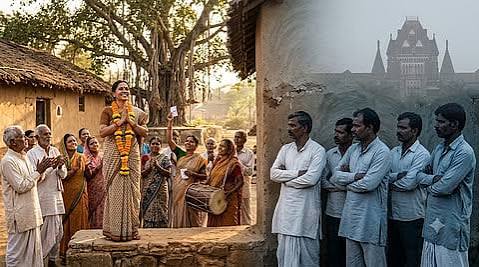
The division bench stated in its 179-page judgment that a comprehensive consideration of the oral evidence, medical and forensic evidence, and other proven facts establishes beyond reasonable doubt that the accused assembled unlawfully and, with a common objective, committed the murder of Mahesh Gawande out of political enmity.
Yavatmal – The Nagpur bench of the Bombay High Court has delivered a major verdict in the highly publicized 2018 Sarpanch-husband murder case in Parwa village, Yavatmal district. The division bench of Justice Urmila Joshi-Phalke and Justice Nivedita Mehta dismissed the appeals of the ten convicts, upholding the life imprisonment sentences awarded by the Special (Prevention of Atrocities) Court in Yavatmal. The verdict was delivered on August 4. The murder of a woman’s husband in broad daylight by multiple assailants in a village political battle, and the subsequent eight-year legal battle, has reached a crucial juncture with this High Court decision.
What is the whole matter?
Nalini Gawande, a resident of Parwa village in Yavatmal district, was elected as a Gram Panchayat member in April 2015. In January 2016, after a no-confidence motion was passed against the then Sarpanch, Rama Chimurkar. The post of Sarpanch was reserved for the general category, and Nalini, who belonged to the Dalit Buddhist community, became Sarpanch, a move opposed by a faction in the village. Munna Thakur, a prominent among the accused, openly objected to this election, and since then, a continuous conflict has erupted between the two factions.
In December 2017, the accused abused Nalini’s husband, Mahesh Gawande, on the basis of caste, while in January 2018, a dispute erupted again over the distribution of hand pumps in the village. On January 27, 2018, accused Munna Thakur directly threatened over the phone that “her husband would be killed.” The very next day, on January 28, the accused attacked Nalini’s home, vandalized household items, and also assaulted Prafull Shabarkar. Fed up with this constant harassment, Nalini Gawande and her family moved to Yavatmal city.
Murder in broad daylight
On March 27, 2018, at around 1 p.m., Nalini returned to Parwa village with her husband Mahesh, son Mayur, and nephew Samyak to carry out repairs. At around 1 p.m., Mahesh Gawande left the house to have a snack with Sheikh Imran and Sheikh Israel, the repairmen. Mahesh was talking to Prashant Shabarkar, Nitin Lokhande, Raju Kawale, and Prakash Bhagat, who were playing cards near the Anganwadi, when the accused, armed with deadly weapons, formed an unlawful assembly and attacked Mahesh Gawande.
Hearing the noise, son Mayur and nephew Samyak rushed to inform Nalini of the incident. Nalini then rushed to the scene and witnessed the accused attacking her husband with weapons. She screamed for help, which drew a crowd, and the accused fled the scene. Police arrived at the scene, and Mahesh was rushed to the Yavatmal District Hospital, where he had already died by the time they arrived. Nalini filed a police complaint that evening.
According to the post-mortem report, a total of seventeen wounds were found on Mahesh Gawande’s body, including stab wounds near the left eye, on the cheek, on the jaw, on the forehead, on the chest, and on the abdomen, and a slit wound was also found. Medical officials concluded that these wounds were caused by sharp and sharp weapons, such as a knife, chopper, sword, and sickle, and determined the cause of death to be multiple stabbings and slashing of the throat.
What the Investigation Revealed
During the investigation, police recovered swords, sickles, and other weapons from the accused. The chain of custody of these weapons was established by the police through various panchnamas. Samples of soil collected from the crime scene and the nails of the body matched, which was confirmed by forensic examination and strengthened the eyewitness testimony. A total of eighteen witnesses were examined during the investigation, including Nalini Gawande, her son Mayur, and key eyewitnesses Sharda Narayane and Prashant Shabkar.
Following the completion of the investigation, the police filed a charge sheet, and the trial was held in the Special (Prevention of Atrocities) Court of Additional Sessions Judge-2 in Yavatmal under Special Case No. 18/2018.
On January 20, 2020, the Sessions Court convicted the accused under sections 302 (murder), 149 (unlawful assembly, offence committed with common intention), 120-B (conspiracy), 143, 147, 148, and 201 of the Indian Penal Code and sentenced them to life imprisonment.
The accused appealed to the High Court.
Ten convicts—Sunil Deotale, Hanuman Pendor, Shubham Tekam, Raj Thakur, Munna Thakur, Vinod Chapriya, Sumit alias Pandya alias Sumedh Meshram, Praveen Bhagat, Bhimrao Awathare, and Swapnil Kumbhekar—filed five separate criminal appeals against the Sessions Court’s decision. Defense lawyers argued that there were inconsistencies in the eyewitnesses’ statements, that their testimony was unreliable because they were relatives of the complainant, and that the guilt of the accused had not been proven beyond a reasonable doubt.
However, the High Court rejected these arguments. The court noted that eyewitness Nalini Gawande, a woman from a rural background, could not be expected to provide an accurate and photographic account of an incident that unfolded over a few minutes when multiple attackers were attacking with deadly weapons. Citing the Supreme Court’s decision in State of Punjab vs. Hakam Singh, the division bench clarified that minor inconsistencies are not appropriate when evaluating the testimony of rural witnesses.
The bench also elaborated on the thirteen principles of evidence evaluation laid down in the Supreme Court’s decision in Balu Sudam Khalde v. State of Maharashtra (2023). The court stated that the testimonies of Nalini Gawande, Mayur Gawande, Sharda Narayane, and Prashant Shabkar were corroborative, consistent, and reliable, and that minor discrepancies, despite their existence, did not affect the fundamental facts of the case.
The judgment noted that the post of Sarpanch was held by the general category, and Nalini belonged to the Scheduled Castes. The accused party opposed her election as Sarpanch. This background was seen as the origin of the political rivalry that arose in the case.
The court’s observations on unlawful assembly and common purpose
The judgment detailed the provisions of Sections 141 (unlawful assembly), 146 (rioting), 148 (rioting with deadly weapons), and 149 (offence committed with common purpose) of the Indian Penal Code. Citing the recent Supreme Court decision in Jainul v. State of Bihar (2025), the bench stated that the common purpose of an assembly is established by its composition, the weapons possessed by its members, and their behavior before and during the incident. Once a common purpose is established, it is not necessary to prove that each member directly participated in the crime.
Based on these principles, the court concluded that all the accused, including Munna Thakur and Vinod Chapriya, were members of an unlawful assembly and, out of a political rivalry, committed the murder of Mahesh Gawande. While acknowledging that there was a long-standing political rivalry between the victim and the accused, the court clarified that a prior animosity alone does not invalidate a conviction based on evidence.
The bench concluded its 179-page judgment by stating that a comprehensive consideration of the oral evidence, medical evidence, scientific (forensic) evidence, and other proven facts establishes beyond reasonable doubt that the accused were members of an unlawful assembly and, out of a common purpose, committed the murder of Mahesh Gawande out of a political rivalry. Therefore, all five criminal appeals were dismissed, upholding the Sessions Court’s conviction and life sentence, and the appeals were disposed of.
The Parwa village case thus traces the dispute that began in 2016 after a Dalit woman was elected to the general category sarpanch seat, to the murder of her husband, Mahesh Gawande, in 2018, and now to the High Court’s upholding of the convicts’ life sentences. The court’s judgment examines in detail all the aspects of caste, panchayat politics, past disputes, alleged threats, the murder, eyewitness testimony, and forensic evidence. While the court did not definitively call the murder a “caste murder,” the mention of caste-related disputes and Nalini’s belonging to a Scheduled Caste in the record of the judgment is an important part of the background of the case.
ACJP’s Active Role
In a conversation with The Mooknayak, Nagsen Sonare, National President of the Ambedkar Centre for Justice and Peace (ACJP), said, “The organization was involved in this case from the very beginning – from registering the FIR to filing the charge sheet, ensuring justice for the victim’s family during the trial, providing them with police protection, financial assistance, and helping the deceased Mahesh Gawande’s daughter find a job. In November 2022, the case was also raised before the UN High Commissioner for Human Rights in Geneva, urging the UN to direct India to take immediate action to prevent caste atrocities. Our ACJP team, led by the Maharashtra Secretary, monitored the case from the very beginning, and lawyer Pradeep Rathod fought the case on behalf of the victim and did a great job in securing justice. Congratulations to Vinod Tatke and the ACJP Maharashtra team for securing justice for the late Mahesh Gawande.”
Geetha Sunil Pillai

Huge rally in Nanded against Scheduled Caste sub-classification
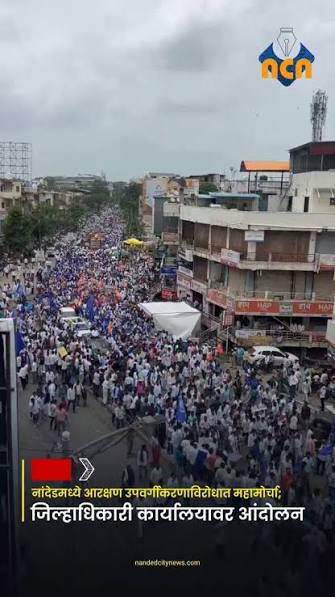
Chhatrapati Sambhajinagar: A massive rally opposing the alleged move to sub-classify the Scheduled Caste (SC) category was held in Nanded on Sunday, with Dalit activists accusing state govt of trying to divide the community and warning of intensified protests if the proposal goes ahead.
The rally, attended by several Dalit and social leaders, culminated in a public meeting where speakers expressed strong opposition to reservation sub-categorisation and called for unity among SC communities.
Republican Sena functionary Anandraj Ambedkar alleged that govt was creating social divisions under the pretext of implementing a Supreme Court ruling. “We are not fighting against any elements of the society, but govt. To achieve the success, we have to remain united,” Ambedkar said.
He further accused chief minister Devendra Fadnavis of misleading people on the issue of reservation sub-categorisation.
Former minister Chandrakant Handore said the move would create divisions within the Dalit community and warned of stronger resistance if govt failed to reconsider its stand.
Courtesy : TOI
अनुसूचित जाति उप-वर्गीकरण के खिलाफ नांदेड़ में विशाल रैली
छत्रपति संभाजीनगर: अनुसूचित जाति (एससी) श्रेणी को उप-वर्गीकृत करने के कथित कदम के विरोध में रविवार को नांदेड़ में एक विशाल रैली आयोजित की गई, जिसमें दलित कार्यकर्ताओं ने राज्य सरकार पर समुदाय को विभाजित करने का प्रयास करने का आरोप लगाया और चेतावनी दी कि यदि प्रस्ताव आगे बढ़ता है तो विरोध प्रदर्शन और तीव्र किए जाएंगे।
कई दलित और सामाजिक नेताओं की उपस्थिति में आयोजित रैली का समापन एक सार्वजनिक सभा में हुआ, जहां वक्ताओं ने आरक्षण के उप-वर्गीकरण का कड़ा विरोध व्यक्त किया और अनुसूचित जाति समुदायों के बीच एकता का आह्वान किया।
रिपब्लिकन सेना के पदाधिकारी आनंदराज अंबेडकर ने आरोप लगाया कि सरकार सुप्रीम कोर्ट के फैसले को लागू करने के बहाने सामाजिक विभाजन पैदा कर रही है। अंबेडकर ने कहा, “हम समाज के किसी भी वर्ग के खिलाफ नहीं, बल्कि सरकार के खिलाफ लड़ रहे हैं। सफलता पाने के लिए हमें एकजुट रहना होगा।”
उन्होंने मुख्यमंत्री देवेंद्र फडणवीस पर आरक्षण के उप-वर्गीकरण के मुद्दे पर लोगों को गुमराह करने का भी आरोप लगाया।
पूर्व मंत्री चंद्रकांत हांडोरे ने कहा कि इस कदम से दलित समुदाय के भीतर विभाजन पैदा होगा और चेतावनी दी कि अगर सरकार अपने रुख पर पुनर्विचार करने में विफल रहती है तो और भी कड़ा विरोध किया जाएगा।
सौजन्य: टीओआई
नोट: यह समाचार मूल रूप से
பட்டியல் சாதி துணைப் பிரிவுக்கு எதிராக நாந்தேடில் மாபெரும் பேரணி
சத்ரபதி சம்பாஜிநகர்: பட்டியல் சாதியினரை (SC) மேலும் உட்பிரிவுகளாகப் பிரிக்கும் நடவடிக்கைக்கு எதிர்ப்பு தெரிவித்து, நாந்தேடில் ஞாயிற்றுக்கிழமை மாபெரும் பேரணி நடைபெற்றது. இதில், மாநில அரசு சமூகத்தைப் பிளவுபடுத்த முயற்சிப்பதாக தலித் ஆர்வலர்கள் குற்றம் சாட்டியதுடன், இந்தத் திட்டம் முன்னெடுக்கப்பட்டால் போராட்டங்கள் தீவிரப்படுத்தப்படும் என்றும் எச்சரித்தனர்.
பல தலித் மற்றும் சமூகத் தலைவர்கள் கலந்துகொண்ட இந்தப் பேரணி, ஒரு பொதுக்கூட்டத்துடன் நிறைவடைந்தது. அதில் பேசியவர்கள், இட ஒதுக்கீட்டின் துணைப் பிரிவுகளுக்கு எதிராகத் தங்கள் கடும் எதிர்ப்பைத் தெரிவித்ததோடு, பட்டியல் சாதி சமூகங்களிடையே ஒற்றுமை நிலவவும் அழைப்பு விடுத்தனர்.
உச்ச நீதிமன்றத் தீர்ப்பை அமல்படுத்துவதாகக் கூறி அரசு சமூகப் பிரிவினைகளை உருவாக்குவதாக குடியரசு சேனா நிர்வாகி ஆனந்தராஜ் அம்பேத்கர் குற்றம் சாட்டினார். “நாங்கள் சமூகத்தின் எந்தவொரு பிரிவினருக்கும் எதிராகப் போராடவில்லை, மாறாக அரசுக்கு எதிராகவே போராடுகிறோம். வெற்றியை அடைய, நாம் ஒற்றுமையாக இருக்க வேண்டும்,” என்று அம்பேத்கர் கூறினார்.
இட ஒதுக்கீட்டின் துணைப் பிரிவுகள் தொடர்பான விவகாரத்தில் முதலமைச்சர் தேவேந்திர ஃபட்னாவிஸ் மக்களைத் தவறாக வழிநடத்துவதாக அவர் மேலும் குற்றம் சாட்டினார்.
இந்த நடவடிக்கை தலித் சமூகத்திற்குள் பிளவுகளை உருவாக்கும் என்றும், அரசு தனது நிலைப்பாட்டை மறுபரிசீலனை செய்யத் தவறினால் வலுவான எதிர்ப்பு கிளம்பும் என்றும் முன்னாள் அமைச்சர் சந்திரகாந்த் ஹண்டோர் எச்சரித்தார்.
நன்றி : டைம்ஸ் ஆஃப் இந்தியா


Dear bros,sisters and friends,
Every one of us used to celebrate,
Our Birthdays,son and daughters birthdays
Marriage aniversary.
New year celebrations
and lot of festivals.
During such celebrations we will donate lot of money to temples and spend lot of money to knowns unknowns in the name of party or dinner.Ok.
In such occasions,we the reservation users,educated and employed because of Reservations GenZ why can't we spend a little Amount towards our less fortunate fellow students.
Every year we used to provide Varma/Sharma Guides to our students 10th and 12th who are studying in Govt schools.State govt is providing Books,note books,Laptop etc.
But no body is supporting in providing Good Guidebooks for extra study.
ENGLISH
MATHS
PHYSICS,
CHEMISTRY
COMPUTER SCIENCE
GENERAL SCIENCE,BIOLOGU
COMMERCE
ECONOMICS
BUSINESS MATHS.
HISTORY
MOTHER LANGUAGE.
Each of the guide cost more than Rs 300 to 400 Rs.
Kodambakkam govt HS school,
Saligramam govt HS School
Koyambedu Govt HS school
Ashoknagar pudur Govt HS school.
and many Govt Schools are there in all India level.
We request our friends to extend your helping hands by providing One guide to a needy poor student.
Inform the details of the book /guide by whatsapp to 9444917060,so that we can send you the name and address of the student and you can directly send the book to them.
In case in your area any student requires Guides,please inform us the name and address of the school to provide guides to them.Let us start a good work👍
In case if you are unable to purchase guides,please contribute a little by Gpay or Phone pay to 9444917060.Sivaji UT News(From Rs 10 to any amount)so that some of our team members will do the work and inform you the details of students.
Jai bhim.!
Brotherly,
Sivaji A.
9444917060.


Comments
Post a Comment