17.08.2026.Daily.News Untouchable.(English, हिन्दी, தமிழ்,తెలుగు ,ಕನ್ನಡ)Voice of SC.STs,Buddhists,Ambedkar ites,Anti SC.ST atrocity news,Employement news)by Sivaji Ayyayiram.9444917060.asivaji1962@gmail.com.FB.sivaji yoga Tiruvannamalai.x.shivajia479023.


Dear bros,sisters and friends,
Every one of us used to celebrate,
Our Birthdays,son and daughters birthdays
Marriage aniversary.
New year celebrations
and lot of festivals.
During such celebrations we will donate lot of money to temples and spend lot of money to knowns unknowns in the name of party or dinner.Ok.
In such occasions,we the reservation users,educated and employed because of Reservations GenZ why can't we spend a little Amount towards our less fortunate fellow students.
Every year we used to provide Varma/Sharma Guides to our students 10th and 12th who are studying in Govt schools.State govt is providing Books,note books,Laptop etc.
But no body is supporting in providing Good Guidebooks for extra study.
ENGLISH
MATHS
PHYSICS,
CHEMISTRY
COMPUTER SCIENCE
GENERAL SCIENCE,BIOLOGY
COMMERCE
ECONOMICS
BUSINESS MATHS.
HISTORY
MOTHER LANGUAGE.
Each of the guide cost more than Rs 300 to 400 Rs.
Kodambakkam govt HS school,
Saligramam govt HS School
Koyambedu Govt HS school
Ashoknagar pudur Govt HS school.
and many Govt Schools are there in all India level.
We request our friends to extend your helping hands by providing One guide to a needy poor student.
Try to purchase and inform the details of the book /guide by whatsapp to 9444917060,so that we can send you the name and address of the student and you can directly send the book to them.
In case in your area any student requires Guides,please inform us the name and address of the school to provide guides to them.Let us start a good work👍
In case if you are unable to purchase guides,please contribute a little by Gpay or Phone pay to 9444917060.Sivaji UT News(From Rs 10 to any amount)so that some of our team members will do the work and inform you the details of students.
Jai bhim.!
Brotherly,
Sivaji A.
9444917060.
Thank you for Your support.All over India response is highly excellent for Education.
சமூகத்திற்குத் திருப்பி அளிப்போம்.
............
அன்புள்ள சகோதர சகோதரிகளே மற்றும் நண்பர்களே,
நம்மில் பலரும் பிறந்தநாள், பிள்ளைகளின் பிறந்தநாள், திருமண நாள், புத்தாண்டு மற்றும் பல பண்டிகைகளைக் கொண்டாடுகிறோம்.
அத்தகைய கொண்டாட்டங்களின்போது, கோவில்களுக்கு நன்கொடை அளிப்பதிலும், விருந்து அல்லது பார்ட்டி என்ற பெயரில் தெரிந்த மற்றும் தெரியாதவர்களுக்குப் பணம் செலவழிப்பதிலும் நாம் தாராளமாக இருக்கிறோம். சரி.
இப்போது, இடஒதுக்கீட்டு முறையின் மூலம் கல்வி மற்றும் வேலைவாய்ப்பைப் பெற்ற நாம், வசதி வாய்ப்புகள் குறைந்த சக மாணவர்களுக்காகச் சிறிய தொகையைச் செலவிடலாமே?
அரசுப் பள்ளிகளில் 10 மற்றும் 12-ஆம் வகுப்பு பயிலும் மாணவர்களுக்கு, ஒவ்வொரு ஆண்டும் நாங்கள் 'வர்மா' (Varma) அல்லது 'சர்மா' (Sharma) போன்ற வழிகாட்டி நூல்களை (Guides) வழங்கி வருகிறோம். மாநில அரசு பாடப்புத்தகங்கள், நோட்டுப் புத்தகங்கள் மற்றும் மடிக்கணினி போன்றவற்றை வழங்குகிறது.
ஆனால், கூடுதல் பயிற்சிக்கான சிறந்த வழிகாட்டி நூல்களை வழங்குவதில் யாரும் பெரிதாக உதவுவதில்லை.
ஆங்கிலம், கணிதம், இயற்பியல், வேதியியல், கணினி அறிவியல், பொது அறிவியல், உயிரியல், வணிகவியல், பொருளாதாரம், வணிகக் கணிதம், வரலாறு மற்றும் தாய்மொழி ஆகிய பாடங்களுக்கான வழிகாட்டிகள் இதில் அடங்கும்.
ஒவ்வொரு வழிகாட்டி நூலின் விலையும் ரூ. 300 முதல் ரூ. 400 வரை இருக்கும்.
கோடம்பாக்கம் அரசு உயர்நிலைப் பள்ளி,
சாலிகிராமம் அரசு உயர்நிலைப் பள்ளி,
கோயம்பேடு அரசு உயர்நிலைப் பள்ளி,
அசோக் நகர் புதூர் அரசு உயர்நிலைப் பள்ளி
மற்றும் இந்தியா முழுவதும் உள்ள பல அரசுப் பள்ளிகள் உள்ளன.
தேவைப்படும் ஒரு ஏழை மாணவருக்கு ஒரு வழிகாட்டி நூலை வழங்கி உதவுமாறு எங்கள் நண்பர்களைக் கேட்டுக்கொள்கிறோம்.
புத்தகத்தை வாங்கிவிட்டு, அதன் விவரங்களை 9444917060 என்ற எண்ணிற்கு வாட்ஸ்அப் (WhatsApp) மூலம் தெரியப்படுத்தவும். அப்போது நாங்கள் அந்த மாணவரின் பெயர் மற்றும் முகவரியை உங்களுக்கு அனுப்புவோம்; நீங்கள் நேரடியாக அந்தப் புத்தகத்தை அவர்களுக்கு அனுப்பலாம்.
உங்கள் பகுதியில் ஏதேனும் மாணவர்களுக்கு வழிகாட்டி நூல்கள் தேவைப்பட்டால், அந்தப் பள்ளியின் பெயர் மற்றும் முகவரியை எங்களுக்குத் தெரியப்படுத்துங்கள். ஒரு நல்ல பணியைத் தொடங்குவோம். 👍
ஒருவேளை உங்களால் வழிகாட்டி நூல்களை வாங்க இயலவில்லை என்றால், 9444917060 என்ற எண்ணிற்கு (Sivaji UT News) Gpay அல்லது PhonePe மூலம் சிறிய தொகையை (ரூ. 10 முதல் எவ்வளவு வேண்டுமானாலும்) நன்கொடையாக அளிக்கலாம். எங்கள் குழு உறுப்பினர்கள் அந்தப் பணியைச் செய்து, மாணவர்களின் விவரங்களை உங்களுக்குத் தெரிவிப்பார்கள்.
ஜெய் பீம்! அன்புடன்,
சிவாஜி ஏ.
9444917060.
உங்கள் ஆதரவிற்கு நன்றி. கல்வித் துறை சார்ந்த முயற்சிகளுக்கு இந்தியா முழுவதும் மிகச் சிறப்பான வரவேற்பு கிடைத்துள்ளது.
समाज को कुछ वापस दें।
............
प्रिय भाइयों, बहनों और दोस्तों,
हम सभी अपना जन्मदिन, अपने बेटे-बेटियों का जन्मदिन,
शादी की सालगिरह,
नए साल का जश्न
और कई त्योहार मनाते हैं।
ऐसे मौकों पर हम मंदिरों में बहुत सारा दान देते हैं और पार्टी या डिनर के नाम पर जान-पहचान वालों या अनजान लोगों पर बहुत पैसा खर्च करते हैं। ठीक है।
ऐसे मौकों पर, हम जो रिज़र्वेशन (आरक्षण) का फ़ायदा उठाकर पढ़े-लिखे और नौकरी कर रहे हैं, क्यों न अपने उन साथी छात्रों की मदद के लिए थोड़ी रकम खर्च करें जो उतने खुशकिस्मत नहीं हैं?
हर साल हम सरकारी स्कूलों में पढ़ने वाले 10वीं और 12वीं के छात्रों को वर्मा/शर्मा गाइड (पढ़ाई की किताबें) देते हैं। राज्य सरकार किताबें, नोटबुक, लैपटॉप वगैरह तो देती है,
लेकिन अतिरिक्त पढ़ाई के लिए अच्छी गाइडबुक देने में कोई मदद नहीं करता।
अंग्रेज़ी
गणित
भौतिकी (Physics),
रसायन विज्ञान (Chemistry)
कंप्यूटर साइंस
सामान्य विज्ञान, जीव विज्ञान (Biology)
कॉमर्स
अर्थशास्त्र
बिज़नेस मैथ
इतिहास
मातृभाषा।
हर गाइड की कीमत 300 से 400 रुपये से ज़्यादा होती है।
कोडंबक्कम सरकारी हाई स्कूल,
सालिग्रामम सरकारी हाई स्कूल
कोयम्बेडु सरकारी हाई स्कूल
अशोकनगर पुदुर सरकारी हाई स्कूल।
और पूरे भारत में ऐसे कई सरकारी स्कूल हैं।
हम अपने दोस्तों से गुज़ारिश करते हैं कि वे किसी ज़रूरतमंद गरीब छात्र को एक गाइड देकर मदद का हाथ बढ़ाएँ।
गाइड खरीदें और किताब/गाइड की जानकारी 9444917060 पर WhatsApp करें, ताकि हम आपको छात्र का नाम और पता भेज सकें और आप सीधे उन्हें किताब भेज सकें।
अगर आपके इलाके में किसी छात्र को गाइड की ज़रूरत हो, तो कृपया हमें स्कूल का नाम और पता बताएँ ताकि उन्हें गाइड दी जा सके। आइए एक अच्छा काम शुरू करें👍
अगर आप गाइड नहीं खरीद सकते, तो कृपया 9444917060 पर GPay या PhonePe के ज़रिए थोड़ा योगदान दें (10 रुपये से लेकर कोई भी रकम)। इससे हमारी टीम के कुछ सदस्य यह काम कर पाएँगे और आपको छात्रों की जानकारी दे पाएँगे।
जय भीम! भाई के नाते,
शिवाजी ए.
9444917060.
आपके सहयोग के लिए धन्यवाद। पूरे भारत में शिक्षा के क्षेत्र में बहुत अच्छा रिस्पॉन्स मिल रहा है।.
..
సమాజానికి తిరిగి ఇవ్వండి (Pay Back to the Society).
............
ప్రియమైన సోదర సోదరీమణులు మరియు మిత్రులారా,
మనలో ప్రతి ఒక్కరూ పుట్టినరోజులు (మనవి మరియు మన పిల్లలవి), వివాహ వార్షికోత్సవాలు, నూతన సంవత్సర వేడుకలు మరియు అనేక పండుగలను ఘనంగా జరుపుకుంటాము.
అటువంటి సందర్భాలలో, మనం దేవాలయాలకు భారీగా విరాళాలు ఇస్తుంటాము, అలాగే తెలిసిన వారికి లేదా తెలియని వారికి విందులు (పార్టీలు) ఏర్పాటు చేసి డబ్బు ఖర్చు చేస్తుంటాము. ఇది మంచిదే.
అయితే, రిజర్వేషన్ల వల్ల విద్యావంతులై, ఉద్యోగాలు సాధించిన మనం (ముఖ్యంగా GenZ తరం వారు), ఆర్థికంగా వెనుకబడిన తోటి విద్యార్థుల కోసం కొంత మొత్తాన్ని ఎందుకు ఖర్చు చేయకూడదు?
ప్రభుత్వ పాఠశాలల్లో 10 మరియు 12వ తరగతులు చదువుతున్న విద్యార్థులకు మేము ప్రతి సంవత్సరం 'వర్మ/శర్మ' (Varma/Sharma) గైడ్లను అందిస్తుంటాము. రాష్ట్ర ప్రభుత్వం పాఠ్యపుస్తకాలు, నోట్బుక్లు, ల్యాప్టాప్లు వంటివి అందిస్తోంది.
కానీ, అదనపు అధ్యయనం కోసం మంచి గైడ్బుక్లను అందించడంలో ఎవరూ పెద్దగా సహకరించడం లేదు.
ఇంగ్లీష్, గణితం, భౌతికశాస్త్రం, రసాయనశాస్త్రం, కంప్యూటర్ సైన్స్, జనరల్ సైన్స్/జీవశాస్త్రం, కామర్స్, అర్థశాస్త్రం, బిజినెస్ మ్యాథ్స్, చరిత్ర మరియు మాతృభాష వంటి సబ్జెక్టులకు గైడ్లు అవసరం.
ఒక్కో గైడ్ ధర సుమారు రూ. 300 నుండి రూ. 400 వరకు ఉంటుంది.
కోడంబాక్కం ప్రభుత్వ హైస్కూల్, సాలిగ్రామం ప్రభుత్వ హైస్కూల్, కోయంబేడు ప్రభుత్వ హైస్కూల్, అశోక్ నగర్ పుదుర్ ప్రభుత్వ హైస్కూల్ వంటి అనేక పాఠశాలలు ఉన్నాయి (దేశవ్యాప్తంగా ఇలాంటివి ఎన్నో ఉన్నాయి).
అవసరంలో ఉన్న ఒక పేద విద్యార్థికి కనీసం ఒక గైడ్ను అందించడం ద్వారా సహాయం చేయవలసిందిగా మిత్రులను కోరుతున్నాము.
మీరు గైడ్ను కొనుగోలు చేసి, ఆ వివరాలను 9444917060 నంబర్కు వాట్సాప్ (WhatsApp) ద్వారా తెలియజేయండి. తద్వారా మేము ఆ విద్యార్థి పేరు మరియు చిరునామాను మీకు పంపిస్తాము, మీరు నేరుగా ఆ పుస్తకాన్ని వారికి పంపవచ్చు.
ఒకవేళ మీ ప్రాంతంలో ఏదైనా పాఠశాల విద్యార్థులకు గైడ్లు అవసరమైతే, దయచేసి ఆ పాఠశాల పేరు మరియు చిరునామాను మాకు తెలియజేయండి. మనం ఒక మంచి పనిని ప్రారంభిద్దాం 👍
ఒకవేళ మీరు స్వయంగా గైడ్లను కొనుగోలు చేయలేకపోతే, 9444917060 నంబర్కు GPay లేదా PhonePe ద్వారా కొంత మొత్తాన్ని (రూ. 10 నుండి ఎంతైనా సరే) 'Sivaji UT News'కు విరాళంగా పంపవచ్చు. తద్వారా మా బృంద సభ్యులు ఆ పనిని పూర్తి చేసి, విద్యార్థుల వివరాలను మీకు తెలియజేస్తారు.
జై భీమ్! సోదరభావంతో,
శివాజీ ఎ.
9444917060.
మీ మద్దతుకు ధన్యవాదాలు. విద్య విషయంలో భారతదేశం అంతటా అద్భుతమైన స్పందన లభిస్తోంది.
.............
ಸಮಾಜಕ್ಕೆ ಪ್ರತಿಫಲ ನೀಡಿ.
............
ಆತ್ಮೀಯ ಸಹೋದರರೇ, ಸಹೋದರಿಯರೇ ಮತ್ತು ಸ್ನೇಹಿತರೇ,
ನಾವೆಲ್ಲರೂ ಆಚರಿಸುತ್ತಿದ್ದೆವು,
ನಮ್ಮ ಜನ್ಮದಿನಗಳು, ಮಗ ಮತ್ತು ಹೆಣ್ಣುಮಕ್ಕಳ ಹುಟ್ಟುಹಬ್ಬಗಳು
ಮದುವೆ ವಾರ್ಷಿಕೋತ್ಸವ.
ಹೊಸ ವರ್ಷದ ಆಚರಣೆಗಳು
ಮತ್ತು ಅನೇಕ ಹಬ್ಬಗಳು.
ಅಂತಹ ಆಚರಣೆಗಳ ಸಮಯದಲ್ಲಿ ನಾವು ದೇವಾಲಯಗಳಿಗೆ ಸಾಕಷ್ಟು ಹಣವನ್ನು ದಾನ ಮಾಡುತ್ತೇವೆ ಮತ್ತು ಪಾರ್ಟಿ ಅಥವಾ ಭೋಜನದ ಹೆಸರಿನಲ್ಲಿ ತಿಳಿದಿರುವ ಅಪರಿಚಿತರಿಗೆ ಸಾಕಷ್ಟು ಹಣವನ್ನು ಖರ್ಚು ಮಾಡುತ್ತೇವೆ. ಸರಿ.
ಅಂತಹ ಸಂದರ್ಭಗಳಲ್ಲಿ, ನಾವು ಮೀಸಲಾತಿ ಬಳಕೆದಾರರು, ಮೀಸಲಾತಿ GenZ ಕಾರಣದಿಂದಾಗಿ ಶಿಕ್ಷಣ ಪಡೆದವರು ಮತ್ತು ಉದ್ಯೋಗದಲ್ಲಿರುವವರು, ನಮ್ಮ ಬಡ ಸಹಪಾಠಿಗಳಿಗೆ ಸ್ವಲ್ಪ ಹಣವನ್ನು ಏಕೆ ಖರ್ಚು ಮಾಡಬಾರದು.
ಪ್ರತಿ ವರ್ಷ ನಾವು ಸರ್ಕಾರಿ ಶಾಲೆಗಳಲ್ಲಿ ಓದುತ್ತಿರುವ 10 ಮತ್ತು 12 ನೇ ತರಗತಿಯ ವಿದ್ಯಾರ್ಥಿಗಳಿಗೆ ವರ್ಮಾ/ಶರ್ಮಾ ಮಾರ್ಗದರ್ಶಿಗಳನ್ನು ನೀಡುತ್ತಿದ್ದೆವು. ರಾಜ್ಯ ಸರ್ಕಾರವು ಪುಸ್ತಕಗಳು, ನೋಟ್ ಪುಸ್ತಕಗಳು, ಲ್ಯಾಪ್ಟಾಪ್ ಇತ್ಯಾದಿಗಳನ್ನು ಒದಗಿಸುತ್ತಿದೆ.
ಆದರೆ ಯಾವುದೇ ಸಂಸ್ಥೆಯು ಹೆಚ್ಚುವರಿ ಅಧ್ಯಯನಕ್ಕಾಗಿ ಉತ್ತಮ ಮಾರ್ಗದರ್ಶಿ ಪುಸ್ತಕಗಳನ್ನು ಒದಗಿಸಲು ಬೆಂಬಲಿಸುವುದಿಲ್ಲ.
ಇಂಗ್ಲಿಷ್
ಗಣಿತ
ಭೌತಶಾಸ್ತ್ರ,
ರಸಾಯನಶಾಸ್ತ್ರ
ಕಂಪ್ಯೂಟರ್ ವಿಜ್ಞಾನ
ಸಾಮಾನ್ಯ ವಿಜ್ಞಾನ, ಜೀವಶಾಸ್ತ್ರ
ವಾಣಿಜ್ಯ
ಅರ್ಥಶಾಸ್ತ್ರ
ವ್ಯಾಪಾರ ಗಣಿತ.
ಇತಿಹಾಸ
ಮಾತೃ ಭಾಷೆ.
ಪ್ರತಿಯೊಂದು ಮಾರ್ಗದರ್ಶಿಯ ಬೆಲೆ ರೂ. 300 ರಿಂದ 400 ಕ್ಕಿಂತ ಹೆಚ್ಚು.
ಕೊಡಂಬಕ್ಕಂ ಸರ್ಕಾರಿ ಪ್ರೌಢಶಾಲೆ,
ಸಾಲಿಗ್ರಾಮ ಸರ್ಕಾರಿ ಪ್ರೌಢಶಾಲೆ
ಕೊಯಂಬೀಡು ಸರ್ಕಾರಿ ಪ್ರೌಢಶಾಲೆ
ಅಶೋಕನಗರ ಪುದೂರು ಸರ್ಕಾರಿ ಪ್ರೌಢಶಾಲೆ.
ಮತ್ತು ಅನೇಕ ಸರ್ಕಾರಿ ಶಾಲೆಗಳು ಅಖಿಲ ಭಾರತ ಮಟ್ಟದಲ್ಲಿವೆ.
ನಮ್ಮ ಸ್ನೇಹಿತರು ಅಗತ್ಯವಿರುವ ಬಡ ವಿದ್ಯಾರ್ಥಿಗೆ ಒಂದು ಮಾರ್ಗದರ್ಶಿಯನ್ನು ಒದಗಿಸುವ ಮೂಲಕ ನಿಮ್ಮ ಸಹಾಯ ಹಸ್ತಗಳನ್ನು ಚಾಚಬೇಕೆಂದು ನಾವು ವಿನಂತಿಸುತ್ತೇವೆ.
ಪುಸ್ತಕ / ಮಾರ್ಗದರ್ಶಿಯ ವಿವರಗಳನ್ನು 9444917060 ಗೆ ವಾಟ್ಸಾಪ್ ಮೂಲಕ ಖರೀದಿಸಲು ಮತ್ತು ತಿಳಿಸಲು ಪ್ರಯತ್ನಿಸಿ, ಇದರಿಂದ ನಾವು ವಿದ್ಯಾರ್ಥಿಯ ಹೆಸರು ಮತ್ತು ವಿಳಾಸವನ್ನು ನಿಮಗೆ ಕಳುಹಿಸಬಹುದು ಮತ್ತು ನೀವು ನೇರವಾಗಿ ಅವರಿಗೆ ಪುಸ್ತಕವನ್ನು ಕಳುಹಿಸಬಹುದು.
ನಿಮ್ಮ ಪ್ರದೇಶದಲ್ಲಿ ಯಾವುದೇ ವಿದ್ಯಾರ್ಥಿಗೆ ಮಾರ್ಗದರ್ಶಿಗಳ ಅಗತ್ಯವಿದ್ದರೆ, ದಯವಿಟ್ಟು ಶಾಲೆಯ ಹೆಸರು ಮತ್ತು ವಿಳಾಸವನ್ನು ನಮಗೆ ತಿಳಿಸಿ ಅವರಿಗೆ ಮಾರ್ಗದರ್ಶಿಗಳನ್ನು ಒದಗಿಸಿ. ನಾವು ಒಂದು ಒಳ್ಳೆಯ ಕೆಲಸವನ್ನು ಪ್ರಾರಂಭಿಸೋಣ👍
ನೀವು ಮಾರ್ಗದರ್ಶಿಗಳನ್ನು ಖರೀದಿಸಲು ಸಾಧ್ಯವಾಗದಿದ್ದರೆ, ದಯವಿಟ್ಟು Gpay ಅಥವಾ ಫೋನ್ ಪೇ ಮೂಲಕ 9444917060 ಗೆ ಸ್ವಲ್ಪ ಕೊಡುಗೆ ನೀಡಿ. ಶಿವಾಜಿ ಯುಟಿ ನ್ಯೂಸ್ (ರೂ. 10 ರಿಂದ ಯಾವುದೇ ಮೊತ್ತದವರೆಗೆ) ಇದರಿಂದ ನಮ್ಮ ತಂಡದ ಕೆಲವು ಸದಸ್ಯರು ಕೆಲಸವನ್ನು ಮಾಡುತ್ತಾರೆ ಮತ್ತು ವಿದ್ಯಾರ್ಥಿಗಳ ವಿವರಗಳನ್ನು ನಿಮಗೆ ತಿಳಿಸುತ್ತಾರೆ.
ಜೈ ಭೀಮ್.!
ಸಹೋದರರೇ,
ಶಿವಾಜಿ ಎ.
9444917060.
ನಿಮ್ಮ ಬೆಂಬಲಕ್ಕೆ ಧನ್ಯವಾದಗಳು. ಶಿಕ್ಷಣಕ್ಕೆ ಭಾರತದಾದ್ಯಂತ ಪ್ರತಿಕ್ರಿಯೆ ಅತ್ಯುತ್ತಮವಾಗಿದೆ.

Abolition of caste means ending the social system in which people are treated as superior or inferior because of their birth, and eliminating caste-based discrimination, exclusion, untouchability, segregation, and hereditary social barriers.
It is important to distinguish abolishing caste as a social institution from merely abolishing untouchability. Article 17 of the Indian Constitution abolishes untouchability, but caste discrimination can continue in many other forms. A deeper transformation requires changing social attitudes, economic structures, institutions, and everyday practices.
Dr. B.R. Ambedkar's approach
Dr.Ambedkar argued that caste survives because it is a system of graded inequality and because caste groups reproduce themselves through social separation. In Annihilation of Caste, he emphasized that political and economic reform alone would not be enough without social reform.
His approach can be understood through several major methods:
1)Inter-caste marriage
Encourage and socially support marriages across caste boundaries. DrAmbedkar regarded inter-caste marriage as one of the most powerful ways of breaking caste endogamy.
2)Common education
Children from different communities should study together, participate together, and learn constitutional values of equality and fraternity.
3)End caste-based segregation.
Eliminate separate housing, dining, temples/religious spaces, burial grounds, community facilities, and other practices that enforce social separation.
4)Economic equality and opportunity
Land, education, employment, credit, entrepreneurship and public resources must be accessible without caste discrimination. Extreme economic inequality can reinforce caste power.
5)Strong enforcement of anti-discrimination laws
Laws against untouchability, atrocities, discrimination and exclusion must be implemented effectively. Victims need accessible police, courts, legal aid and protection.
6)Representation in institutions
Until historical inequalities are substantially reduced, constitutional reservations and other affirmative-action measures are important tools for ensuring representation of historically excluded communities.
7)Destroy caste-based occupations
A person's occupation should not be determined by birth. Every person should have genuine freedom to choose education, employment and profession.
8)Challenge caste ideology
Schools, universities, media and civil society should critically examine beliefs that establish hereditary superiority or inferiority.
9)Promote constitutional morality
Equality, liberty, fraternity, dignity and justice should become everyday social values—not merely constitutional words.
10)Build common organizations and movements
Workers, students, women, farmers and disadvantaged communities can cooperate across caste boundaries around common democratic and economic interests.
What should be avoided?
Abolishing caste does not mean abolishing the identity or history of communities by force. Nor should it mean removing protections before discrimination and inequality have actually disappeared.
The goal should be:
Birth should not determine a person's status, occupation, education, marriage prospects, political power, dignity or opportunities.
A practical 5-level strategy
Level
What can be done?
1)Family
Reject caste prejudice; encourage friendships and marriages across caste
2)School/college
Common education, anti-discrimination education, mixed activities
3)Village/community
End segregation; common facilities and community programmes
4)Government
Enforce laws, reservations, land/education/employment measures and legal protection
5)National level
Reduce structural inequality and build constitutional fraternity
Ultimately, caste cannot be abolished simply by passing one law. It requires a long-term combination of social integration + education + economic justice + political representation + legal enforcement + inter-caste marriage + constitutional morality.
DrAmbedkar's central insight remains particularly important: a society can have political democracy while remaining socially undemocratic. The deeper objective is therefore not merely changing the legal name of caste, but creating a society in which every person is treated as an equal human being regardless of birth.
சாதி ஒழிப்பு என்றால் என்ன?
சாதி ஒழிப்பு என்பது சாதிப் பெயர்களை மட்டும் நீக்குவது அல்ல. ஒருவர் எந்தக் குடும்பத்தில் அல்லது சாதியில் பிறந்தார் என்பதன் அடிப்படையில் அவருக்கு உயர்வு–தாழ்வு, தீண்டாமை, பாகுபாடு, சமூகத் தடை, கல்வி மற்றும் வேலை வாய்ப்புத் தடைகள் ஏற்படும் சமூக அமைப்பையே மாற்றுவதாகும்.
பி.ஆர். அம்பேத்கர் சாதி அமைப்பை ஆழமாக விமர்சித்தார். அவரது Annihilation of Caste என்ற நூலின் மையக் கருத்து, சாதி ஒழிப்பிற்கு சமூக சமத்துவமும் சகோதரத்துவமும் அவசியம் என்பதாகும்.
சாதியை ஒழிப்பதற்கான முக்கிய வழிமுறைகள்
1. சாதி மறுப்பு திருமணங்களை ஊக்குவித்தல்
சாதி அமைப்பின் முக்கிய அடிப்படை சாதிக்குள் திருமணம் செய்வது (endogamy). எனவே சாதி கடந்து திருமணம் செய்வதை சமூக ரீதியாக ஆதரிப்பது மிகவும் முக்கியமான வழியாகும்.
2. ஒருங்கிணைந்த கல்வி
பல்வேறு சாதிகளைச் சேர்ந்த குழந்தைகள் ஒன்றாகப் படித்து, விளையாடி, உணவருந்தி, செயல்படும் சூழலை உருவாக்க வேண்டும்.
3. தீண்டாமை மற்றும் சமூகப் பிரிவினையை முற்றிலும் ஒழித்தல்
தனி குடியிருப்பு, தனிக் கிணறு, தனி உணவிடம், தனி சுடுகாடு போன்ற சமூகப் பிரிவினைகள் முடிவுக்கு வர வேண்டும்.
4. பொருளாதார சமத்துவம்
நிலம், கல்வி, வேலை, தொழில், கடன், தொழில் முனைவோர் வாய்ப்பு போன்றவற்றில் வரலாற்று ரீதியாக ஒடுக்கப்பட்ட மக்களுக்கு சம வாய்ப்பு கிடைக்க வேண்டும்.
5. சட்டங்களை வலிமையாக அமல்படுத்துதல்
இந்திய அரசியலமைப்பின் 17-வது பிரிவு தீண்டாமையை ஒழிக்கிறது. சாதி அடிப்படையிலான வன்முறை மற்றும் பாகுபாட்டுக்கு எதிரான சட்டங்கள் நடைமுறையில் திறம்பட அமல்படுத்தப்பட வேண்டும்.
6. இடஒதுக்கீடு மற்றும் பிரதிநிதித்துவம்
வரலாற்று ரீதியாக பின்தங்கிய சமூகங்களுக்கு கல்வி, அரசு வேலை மற்றும் அரசியல் பிரதிநிதித்துவத்தில் அரசியலமைப்புச் சட்டப் பாதுகாப்புகள் தொடர வேண்டும்; சமத்துவ நிலை உண்மையில் உருவாகும் வரை இவை முக்கியமான கருவிகள்.
7. பிறப்பால் தொழில் நிர்ணயிக்கும் முறையை ஒழித்தல்
“இந்த சாதியில் பிறந்தவர் இந்தத் தொழில்தான் செய்ய வேண்டும்” என்ற எண்ணம் முற்றிலும் நீங்க வேண்டும். ஒவ்வொருவருக்கும் தமது கல்வி மற்றும் தொழிலைத் தாங்களே தேர்வு செய்யும் சுதந்திரம் இருக்க வேண்டும்.
8. சாதி உயர்வு–தாழ்வு சிந்தனையை எதிர்த்தல்
குடும்பம், பள்ளி, ஊடகம், மத/சமூக அமைப்புகள் ஆகிய அனைத்திலும் மனித சமத்துவம் பற்றிய கல்வி வழங்கப்பட வேண்டும்.
9. அரசியலமைப்பு அறநெறியை வளர்த்தல்
சுதந்திரம், சமத்துவம், சகோதரத்துவம், நீதி, மனித கண்ணியம் ஆகியவை நடைமுறை வாழ்க்கையின் அடிப்படை மதிப்புகளாக வேண்டும்.
10. சாதிகளைக் கடந்து ஒன்றுபட்ட சமூக இயக்கம்
தொழிலாளர்கள், மாணவர்கள், பெண்கள், விவசாயிகள் மற்றும் ஒடுக்கப்பட்ட சமூகங்கள் பொதுவான உரிமைகள் மற்றும் ஜனநாயக நோக்கங்களுக்காக ஒன்றிணைய வேண்டும்.
சாதி ஒழிப்புக்கான நடைமுறைத் திட்டம்
குடும்பம் → பள்ளி → கிராமம்/நகரம் → அரசு → சமூகம்
குடும்பத்தில் சாதிப் பாகுபாட்டை மறுப்பது
பள்ளிகளில் சமத்துவக் கல்வி
சாதிகளைக் கடந்து நட்பு மற்றும் திருமணங்களை ஆதரித்தல்
பொதுவான குடிநீர், உணவு, வழிபாடு மற்றும் சமூக வசதிகள்
சாதிப் பாகுபாட்டுக்கு எதிரான சட்டங்களை கடுமையாக அமல்படுத்துதல்
கல்வி மற்றும் வேலை வாய்ப்பில் சமத்துவம்
நிலம் மற்றும் பொருளாதார வளங்களில் நியாயமான அணுகல்
அரசியலமைப்புச் சிந்தனையை மக்களிடம் கொண்டு செல்வது
மிக முக்கியமான கருத்து
சாதி ஒழிப்பு என்பது சாதிப் பெயர்களை மட்டும் அழிப்பது அல்ல; சாதி காரணமாக உருவாகும் அதிகாரம், பாகுபாடு, உயர்வு–தாழ்வு, சமூகத் தடைகள் மற்றும் வாய்ப்புச் சமமின்மையை ஒழிப்பதாகும்.
அதன் இறுதி இலக்கு:
“பிறப்பு ஒருவரின் சமூக மதிப்பு, கல்வி, தொழில், திருமணம், அரசியல் அதிகாரம் அல்லது மனித கண்ணியத்தை தீர்மானிக்காத சமூகம்.”
இதுவே சாதி ஒழிப்பின் ஆழமான பொருள்.
जाति उन्मूलन क्या है?
जाति उन्मूलन का अर्थ केवल जाति के नाम या पहचान को समाप्त करना नहीं है। इसका अर्थ उस सामाजिक व्यवस्था को समाप्त करना है जिसमें किसी व्यक्ति की जन्म-आधारित जाति उसके सम्मान, सामाजिक स्थिति, शिक्षा, रोजगार, विवाह, अधिकार और अवसरों को निर्धारित करती है।
डॉ. बी.आर. आंबेडकर ने जाति का विनाश (Annihilation of Caste) में जाति व्यवस्था की गहरी आलोचना की और सामाजिक समानता तथा बंधुत्व को आवश्यक माना।
जाति उन्मूलन के प्रमुख उपाय
1. अंतरजातीय विवाह को बढ़ावा देना
जाति व्यवस्था का एक महत्वपूर्ण आधार अपनी ही जाति में विवाह है। इसलिए अंतरजातीय विवाहों को सामाजिक समर्थन और सुरक्षा देना जाति की सीमाओं को तोड़ने का प्रभावी तरीका है।
2. समान और साझा शिक्षा
विभिन्न जातियों के बच्चे एक साथ पढ़ें, खेलें, भोजन करें और सामाजिक गतिविधियों में भाग लें। बचपन से ही समानता और मानव गरिमा की शिक्षा दी जानी चाहिए।
3. छुआछूत और सामाजिक अलगाव समाप्त करना
अलग बस्ती, अलग कुआँ, अलग भोजन व्यवस्था, अलग श्मशान/कब्रिस्तान या सार्वजनिक सुविधाओं में जाति के आधार पर अलगाव समाप्त होना चाहिए।
4. आर्थिक समानता और अवसर
भूमि, शिक्षा, रोजगार, ऋण, व्यवसाय और उद्यमिता के अवसरों तक ऐतिहासिक रूप से वंचित समुदायों की वास्तविक पहुंच सुनिश्चित करनी चाहिए।
5. कानूनों का प्रभावी पालन
भारतीय संविधान का अनुच्छेद 17 छुआछूत को समाप्त करता है। जाति-आधारित हिंसा और भेदभाव के विरुद्ध कानूनों को प्रभावी ढंग से लागू करना आवश्यक है।
6. आरक्षण और प्रतिनिधित्व
ऐतिहासिक रूप से वंचित समुदायों को शिक्षा, सरकारी रोजगार और राजनीतिक संस्थाओं में संवैधानिक प्रतिनिधित्व और सुरक्षा मिलनी चाहिए। जब तक वास्तविक समानता स्थापित नहीं होती, सकारात्मक कार्रवाई महत्वपूर्ण है।
7. जन्म-आधारित पेशे की व्यवस्था समाप्त करना
किसी व्यक्ति का पेशा उसकी जाति से निर्धारित नहीं होना चाहिए। प्रत्येक व्यक्ति को अपनी शिक्षा और व्यवसाय चुनने की स्वतंत्रता होनी चाहिए।
8. जातिगत श्रेष्ठता की विचारधारा को चुनौती देना
परिवार, विद्यालय, विश्वविद्यालय, मीडिया और सामाजिक संस्थाओं में जातिगत ऊंच-नीच के विचारों के विरुद्ध वैज्ञानिक, मानवीय और संवैधानिक सोच विकसित करनी चाहिए।
9. संवैधानिक नैतिकता को मजबूत करना
स्वतंत्रता, समानता, बंधुत्व, न्याय और मानव गरिमा को केवल संविधान के शब्द नहीं, बल्कि दैनिक जीवन के मूल्य बनाना चाहिए।
10. जाति से ऊपर सामाजिक एकता
छात्रों, मजदूरों, किसानों, महिलाओं और विभिन्न सामाजिक समुदायों को साझा अधिकारों और लोकतांत्रिक मूल्यों के लिए जाति की सीमाओं से ऊपर उठकर सहयोग करना चाहिए।
जाति उन्मूलन का व्यावहारिक रास्ता
परिवार → विद्यालय → समुदाय → सरकार → व्यापक समाज
परिवार में जातिगत भेदभाव को अस्वीकार करना
स्कूलों में समानता और संवैधानिक मूल्यों की शिक्षा
अंतरजातीय मित्रता और विवाह को सामाजिक समर्थन
सार्वजनिक सुविधाओं में पूर्ण समानता
जाति-आधारित भेदभाव के विरुद्ध कानूनों का कठोर पालन
शिक्षा और रोजगार में समान अवसर
आर्थिक और भूमि संबंधी असमानताओं को कम करना
लोकतांत्रिक और संवैधानिक मूल्यों को मजबूत करना
सबसे महत्वपूर्ण बात
जाति उन्मूलन का अर्थ जाति के नाम मिटाना मात्र नहीं है; जाति के आधार पर होने वाली ऊंच-नीच, भेदभाव, सामाजिक अलगाव, सत्ता-असमानता और अवसरों की असमानता को समाप्त करना है।
अंतिम लक्ष्य ऐसी व्यवस्था बनाना है जिसमें:
“किसी व्यक्ति का जन्म उसके सामाजिक सम्मान, शिक्षा, रोजगार, विवाह, राजनीतिक अधिकार या मानव गरिमा को निर्धारित न करे।”
यही वास्तविक जाति उन्मूलन का लक्ष्य है।
Kannada
ಜಾತಿ ನಿರ್ಮೂಲನೆ ಎಂದರೇನು?
ಜಾತಿ ನಿರ್ಮೂಲನೆ ಎಂದರೆ ಕೇವಲ ಜಾತಿಯ ಹೆಸರು ಅಥವಾ ಗುರುತನ್ನು ಅಳಿಸುವುದಲ್ಲ. ವ್ಯಕ್ತಿಯ ಜನ್ಮದಿಂದ ಬಂದ ಜಾತಿಯ ಆಧಾರದ ಮೇಲೆ ಅವನ/ಅವಳ ಗೌರವ, ಸಾಮಾಜಿಕ ಸ್ಥಾನಮಾನ, ಶಿಕ್ಷಣ, ಉದ್ಯೋಗ, ವಿವಾಹ, ಹಕ್ಕುಗಳು ಮತ್ತು ಅವಕಾಶಗಳು ನಿರ್ಧಾರವಾಗುವ ವ್ಯವಸ್ಥೆಯನ್ನು ಕೊನೆಗೊಳಿಸುವುದಾಗಿದೆ.
ಅವರು ಜಾತಿ ನಿರ್ಮೂಲನೆ (Annihilation of Caste) ಕೃತಿಯಲ್ಲಿ ಜಾತಿ ವ್ಯವಸ್ಥೆಯನ್ನು ಆಳವಾಗಿ ವಿಮರ್ಶಿಸಿದರು. ಅವರ ದೃಷ್ಟಿಯಲ್ಲಿ ಸಮಾನತೆ, ಸ್ವಾತಂತ್ರ್ಯ ಮತ್ತು ಸಹೋದರತ್ವ ಇರುವ ಸಮಾಜ ನಿರ್ಮಾಣ ಅತ್ಯಗತ್ಯ.
ಜಾತಿ ನಿರ್ಮೂಲನೆಗೆ ಪ್ರಮುಖ ಮಾರ್ಗಗಳು
1. ಅಂತರ್ಜಾತಿ ವಿವಾಹಗಳಿಗೆ ಪ್ರೋತ್ಸಾಹ
ಜಾತಿ ವ್ಯವಸ್ಥೆಯ ಪ್ರಮುಖ ಆಧಾರಗಳಲ್ಲಿ ಒಂದು ತನ್ನದೇ ಜಾತಿಯೊಳಗಿನ ವಿವಾಹ. ಆದ್ದರಿಂದ ಅಂತರ್ಜಾತಿ ವಿವಾಹಗಳಿಗೆ ಸಾಮಾಜಿಕ ಬೆಂಬಲ ಮತ್ತು ರಕ್ಷಣೆ ನೀಡುವುದು ಜಾತಿಯ ಗೋಡೆಗಳನ್ನು ದುರ್ಬಲಗೊಳಿಸುವ ಪ್ರಮುಖ ಮಾರ್ಗವಾಗಿದೆ.
2. ಸಮಾನ ಶಿಕ್ಷಣ
ಎಲ್ಲಾ ಜಾತಿಗಳ ಮಕ್ಕಳು ಒಟ್ಟಿಗೆ ಕಲಿಯಬೇಕು, ಆಟವಾಡಬೇಕು, ಊಟ ಮಾಡಬೇಕು ಮತ್ತು ಸಾಮಾಜಿಕ ಚಟುವಟಿಕೆಗಳಲ್ಲಿ ಭಾಗವಹಿಸಬೇಕು. ಬಾಲ್ಯದಿಂದಲೇ ಸಮಾನತೆ ಮತ್ತು ಮಾನವ ಗೌರವದ ಶಿಕ್ಷಣ ನೀಡಬೇಕು.
3. ಅಸ್ಪೃಶ್ಯತೆ ಮತ್ತು ಸಾಮಾಜಿಕ ಪ್ರತ್ಯೇಕತೆಯ ನಿರ್ಮೂಲನೆ
ಪ್ರತ್ಯೇಕ ಬಡಾವಣೆ, ಪ್ರತ್ಯೇಕ ಬಾವಿ, ಪ್ರತ್ಯೇಕ ಊಟದ ವ್ಯವಸ್ಥೆ, ಸಾರ್ವಜನಿಕ ಸ್ಥಳಗಳಲ್ಲಿ ಜಾತಿ ಆಧಾರಿತ ಪ್ರತ್ಯೇಕತೆ ಮುಂತಾದವು ಸಂಪೂರ್ಣವಾಗಿ ಕೊನೆಗೊಳ್ಳಬೇಕು.
4. ಆರ್ಥಿಕ ಸಮಾನತೆ
ಭೂಮಿ, ಶಿಕ್ಷಣ, ಉದ್ಯೋಗ, ಸಾಲ, ಉದ್ಯಮ ಮತ್ತು ಆರ್ಥಿಕ ಸಂಪನ್ಮೂಲಗಳಿಗೆ ಐತಿಹಾಸಿಕವಾಗಿ ವಂಚಿತ ಸಮುದಾಯಗಳಿಗೂ ನ್ಯಾಯಯುತ ಅವಕಾಶ ದೊರೆಯಬೇಕು.
5. ಕಾನೂನುಗಳ ಕಟ್ಟುನಿಟ್ಟಿನ ಅನುಷ್ಠಾನ
ಭಾರತೀಯ ಸಂವಿಧಾನದ 17ನೇ ವಿಧಿಯು ಅಸ್ಪೃಶ್ಯತೆಯನ್ನು ರದ್ದುಗೊಳಿಸಿದೆ. ಜಾತಿ ಆಧಾರಿತ ಭೇದಭಾವ, ಹಿಂಸೆ ಮತ್ತು ದೌರ್ಜನ್ಯದ ವಿರುದ್ಧ ಇರುವ ಕಾನೂನುಗಳನ್ನು ಪರಿಣಾಮಕಾರಿಯಾಗಿ ಜಾರಿಗೊಳಿಸಬೇಕು.
6. ಮೀಸಲಾತಿ ಮತ್ತು ಪ್ರತಿನಿಧಿತ್ವ
ಐತಿಹಾಸಿಕವಾಗಿ ಹಿಂದುಳಿದ ಸಮುದಾಯಗಳಿಗೆ ಶಿಕ್ಷಣ, ಸರ್ಕಾರಿ ಉದ್ಯೋಗ ಮತ್ತು ರಾಜಕೀಯ ಸಂಸ್ಥೆಗಳಲ್ಲಿ ಸಂವಿಧಾನಾತ್ಮಕ ಮೀಸಲಾತಿ ಹಾಗೂ ಪ್ರತಿನಿಧಿತ್ವದ ವ್ಯವಸ್ಥೆ ಅಗತ್ಯವಾಗಿದೆ. ವಾಸ್ತವಿಕ ಸಮಾನತೆ ಸಾಧಿಸುವವರೆಗೆ ಇವು ಸಾಮಾಜಿಕ ನ್ಯಾಯದ ಪ್ರಮುಖ ಸಾಧನಗಳಾಗಿವೆ.
7. ಜನ್ಮಾಧಾರಿತ ವೃತ್ತಿ ವ್ಯವಸ್ಥೆಯ ಅಂತ್ಯ
“ಈ ಜಾತಿಯಲ್ಲಿ ಹುಟ್ಟಿದವರು ಈ ವೃತ್ತಿಯನ್ನೇ ಮಾಡಬೇಕು” ಎಂಬ ಕಲ್ಪನೆ ಸಂಪೂರ್ಣವಾಗಿ ಕೊನೆಗೊಳ್ಳಬೇಕು. ಪ್ರತಿಯೊಬ್ಬರಿಗೂ ತಮ್ಮ ಶಿಕ್ಷಣ ಮತ್ತು ವೃತ್ತಿಯನ್ನು ಸ್ವತಂತ್ರವಾಗಿ ಆಯ್ಕೆ ಮಾಡುವ ಹಕ್ಕು ಇರಬೇಕು.
8. ಜಾತಿ ಶ್ರೇಷ್ಠತೆ–ಕೀಳರಿಮೆ ಮನೋಭಾವದ ವಿರುದ್ಧ ಹೋರಾಟ
ಕುಟುಂಬ, ಶಾಲೆ, ವಿಶ್ವವಿದ್ಯಾಲಯ, ಮಾಧ್ಯಮ ಮತ್ತು ಸಾಮಾಜಿಕ ಸಂಸ್ಥೆಗಳಲ್ಲಿ ಜಾತಿ ಆಧಾರಿತ ಮೇಲು–ಕೀಳು ಭಾವನೆಯನ್ನು ಪ್ರಶ್ನಿಸಿ, ವೈಜ್ಞಾನಿಕ ಮತ್ತು ಸಂವಿಧಾನಾತ್ಮಕ ಚಿಂತನೆ ಬೆಳೆಸಬೇಕು.
9. ಸಂವಿಧಾನಾತ್ಮಕ ನೈತಿಕತೆಯನ್ನು ಬೆಳೆಸುವುದು
ಸ್ವಾತಂತ್ರ್ಯ, ಸಮಾನತೆ, ಸಹೋದರತ್ವ, ನ್ಯಾಯ ಮತ್ತು ಮಾನವ ಘನತೆಗಳು ಕೇವಲ ಸಂವಿಧಾನದ ಪದಗಳಾಗಿರದೆ, ದೈನಂದಿನ ಜೀವನದ ಮೌಲ್ಯಗಳಾಗಬೇಕು.
10. ಜಾತಿಯನ್ನು ಮೀರಿ ಸಾಮಾಜಿಕ ಏಕತೆ
ವಿದ್ಯಾರ್ಥಿಗಳು, ಕಾರ್ಮಿಕರು, ರೈತರು, ಮಹಿಳೆಯರು ಮತ್ತು ವಿವಿಧ ಸಮುದಾಯಗಳು ತಮ್ಮ ಸಾಮಾನ್ಯ ಹಕ್ಕುಗಳು ಮತ್ತು ಪ್ರಜಾಪ್ರಭುತ್ವದ ಮೌಲ್ಯಗಳಿಗಾಗಿ ಜಾತಿಯ ಗಡಿಗಳನ್ನು ಮೀರಿ ಒಗ್ಗೂಡಬೇಕು.
ಪ್ರಾಯೋಗಿಕ ಜಾತಿ ನಿರ್ಮೂಲನೆ ಕಾರ್ಯಕ್ರಮ
ಕುಟುಂಬ → ಶಾಲೆ → ಗ್ರಾಮ/ನಗರ → ಸರ್ಕಾರ → ಸಮಾಜ
- ಕುಟುಂಬದಲ್ಲಿ ಜಾತಿ ಭೇದಭಾವವನ್ನು ನಿರಾಕರಿಸುವುದು
- ಶಾಲೆಗಳಲ್ಲಿ ಸಮಾನತೆ ಮತ್ತು ಸಂವಿಧಾನದ ಮೌಲ್ಯಗಳ ಶಿಕ್ಷಣ
- ಅಂತರ್ಜಾತಿ ಸ್ನೇಹ ಮತ್ತು ವಿವಾಹಗಳಿಗೆ ಬೆಂಬಲ
- ಸಾರ್ವಜನಿಕ ಸೌಲಭ್ಯಗಳಲ್ಲಿ ಸಂಪೂರ್ಣ ಸಮಾನತೆ
- ಜಾತಿ ಆಧಾರಿತ ಭೇದಭಾವದ ವಿರುದ್ಧ ಕಾನೂನುಗಳ ಪರಿಣಾಮಕಾರಿ ಅನುಷ್ಠಾನ
- ಶಿಕ್ಷಣ ಮತ್ತು ಉದ್ಯೋಗದಲ್ಲಿ ಸಮಾನ ಅವಕಾಶ
- ಆರ್ಥಿಕ ಮತ್ತು ಭೂಮಿ ಸಂಬಂಧಿತ ಅಸಮಾನತೆಗಳನ್ನು ಕಡಿಮೆ ಮಾಡುವುದು
- ಸಂವಿಧಾನಾತ್ಮಕ ಪ್ರಜಾಪ್ರಭುತ್ವ ಮತ್ತು ಸಹೋದರತ್ವವನ್ನು ಬಲಪಡಿಸುವುದು
ಅಂತಿಮ ಗುರಿ
ಜಾತಿ ನಿರ್ಮೂಲನೆ ಎಂದರೆ ಜಾತಿಯ ಹೆಸರುಗಳನ್ನು ಅಳಿಸುವುದು ಮಾತ್ರವಲ್ಲ; ಜಾತಿಯ ಆಧಾರದ ಮೇಲೆ ನಡೆಯುವ ಮೇಲು–ಕೀಳು, ಭೇದಭಾವ, ಅಸ್ಪೃಶ್ಯತೆ, ಸಾಮಾಜಿಕ ಪ್ರತ್ಯೇಕತೆ ಮತ್ತು ಅವಕಾಶಗಳ ಅಸಮಾನತೆಯನ್ನು ನಿರ್ಮೂಲನೆ ಮಾಡುವುದು.
ಅಂತಿಮವಾಗಿ:
“ಒಬ್ಬ ವ್ಯಕ್ತಿಯ ಜನ್ಮವು ಅವನ/ಅವಳ ಸಾಮಾಜಿಕ ಗೌರವ, ಶಿಕ್ಷಣ, ಉದ್ಯೋಗ, ವಿವಾಹ, ರಾಜಕೀಯ ಹಕ್ಕುಗಳು ಅಥವಾ ಮಾನವ ಘನತೆಯನ್ನು ನಿರ್ಧರಿಸದ ಸಮಾಜವನ್ನು ನಿರ್ಮಿಸುವುದು.”
ಇದೇ ನಿಜವಾದ ಜಾತಿ ನಿರ್ಮೂಲನೆಯ ಗುರಿ.
Telugu.
కుల నిర్మూలన అంటే ఏమిటి?
కుల నిర్మూలన అంటే కేవలం కులం పేరును తొలగించడం కాదు. ఒక వ్యక్తి ఏ కులంలో పుట్టాడనే కారణంతో అతని/ఆమె గౌరవం, సామాజిక స్థానం, విద్య, ఉద్యోగం, వివాహం, హక్కులు, అవకాశాలు నిర్ణయించబడే వ్యవస్థను పూర్తిగా మార్చడం.
గారు *Annihilation of Caste (కుల నిర్మూలన)*లో కులవ్యవస్థను తీవ్రంగా విమర్శించారు. ఆయన దృష్టిలో స్వేచ్ఛ, సమానత్వం, సౌభ్రాతృత్వం ఆధారంగా సమాజాన్ని నిర్మించడం అత్యంత ముఖ్యమైనది.
కుల నిర్మూలనకు ప్రధాన మార్గాలు
1. కులాంతర వివాహాలను ప్రోత్సహించాలి
కులవ్యవస్థకు ప్రధాన ఆధారాలలో ఒకటి తమ కులంలోనే వివాహం చేసుకోవడం. కాబట్టి కులాంతర వివాహాలకు సామాజిక మద్దతు, రక్షణ కల్పించడం కుల గోడలను బలహీనపరచే ముఖ్యమైన మార్గం.
2. సమాన విద్య
అన్ని కులాలకు చెందిన పిల్లలు కలిసి చదవాలి, ఆడుకోవాలి, భోజనం చేయాలి, సామాజిక కార్యక్రమాల్లో పాల్గొనాలి. చిన్నప్పటి నుంచే సమానత్వం, మానవ గౌరవం గురించి విద్య ఇవ్వాలి.
3. అంటరానితనం మరియు సామాజిక వేరుపును నిర్మూలించాలి
ప్రత్యేక కాలనీలు, ప్రత్యేక బావులు, ప్రత్యేక భోజన ఏర్పాట్లు, ప్రజా ప్రదేశాల్లో కుల ఆధారిత విభజన వంటి పద్ధతులు పూర్తిగా అంతం కావాలి.
4. ఆర్థిక సమానత్వం
భూమి, విద్య, ఉద్యోగం, రుణాలు, వ్యాపారం మరియు ఇతర ఆర్థిక వనరులకు చారిత్రకంగా వెనుకబడిన వర్గాలకు న్యాయమైన అవకాశాలు కల్పించాలి.
5. చట్టాలను సమర్థంగా అమలు చేయాలి
భారత రాజ్యాంగంలోని ఆర్టికల్ 17 అంటరానితనాన్ని రద్దు చేసింది. కుల వివక్ష, హింస, దౌర్జన్యాలకు వ్యతిరేకంగా ఉన్న చట్టాలను కఠినంగా, నిష్పక్షపాతంగా అమలు చేయాలి.
6. రిజర్వేషన్లు మరియు ప్రాతినిధ్యం
చారిత్రకంగా అణచివేయబడిన వర్గాలకు విద్య, ప్రభుత్వ ఉద్యోగాలు మరియు రాజకీయ సంస్థల్లో రాజ్యాంగబద్ధమైన రిజర్వేషన్లు, ప్రాతినిధ్యం అవసరం. వాస్తవిక సమానత్వం ఏర్పడే వరకు ఇవి సామాజిక న్యాయానికి ముఖ్యమైన సాధనాలు.
7. జన్మ ఆధారిత వృత్తి వ్యవస్థను అంతం చేయాలి
“ఈ కులంలో పుట్టినవారు ఈ వృత్తినే చేయాలి” అనే భావన పూర్తిగా తొలగాలి. ప్రతి వ్యక్తికి తన విద్యను, వృత్తిని స్వేచ్ఛగా ఎంచుకునే హక్కు ఉండాలి.
8. కుల ఆధిపత్య భావజాలాన్ని ప్రశ్నించాలి
కుటుంబం, పాఠశాల, విశ్వవిద్యాలయం, మీడియా మరియు సామాజిక సంస్థల్లో కులపరమైన హెచ్చుతగ్గుల భావనకు వ్యతిరేకంగా శాస్త్రీయ, మానవతా మరియు రాజ్యాంగ విలువలను పెంపొందించాలి.
9. రాజ్యాంగ నైతికతను పెంపొందించాలి
స్వేచ్ఛ, సమానత్వం, సౌభ్రాతృత్వం, న్యాయం, మానవ గౌరవం రోజువారీ జీవితంలో ఆచరించాల్సిన విలువలుగా మారాలి.
10. కులాలకు అతీతమైన సామాజిక ఐక్యత
విద్యార్థులు, కార్మికులు, రైతులు, మహిళలు మరియు వివిధ సామాజిక వర్గాలు కుల గోడలను దాటి తమ సాధారణ హక్కులు, ప్రజాస్వామ్య విలువల కోసం ఐక్యంగా పనిచేయాలి.
ఆచరణలో కుల నిర్మూలన కార్యక్రమం
కుటుంబం → పాఠశాల → గ్రామం/పట్టణం → ప్రభుత్వం → సమాజం
- కుటుంబంలో కుల వివక్షను తిరస్కరించడం
- పాఠశాలల్లో సమానత్వం, రాజ్యాంగ విలువల బోధన
- కులాంతర స్నేహాలు, వివాహాలకు మద్దతు
- ప్రజా సౌకర్యాల్లో సంపూర్ణ సమానత్వం
- కుల వివక్షకు వ్యతిరేకంగా చట్టాల సమర్థవంతమైన అమలు
- విద్య, ఉద్యోగాల్లో సమాన అవకాశాలు
- ఆర్థిక, భూసంబంధిత అసమానతలను తగ్గించడం
- రాజ్యాంగ విలువలు మరియు సౌభ్రాతృత్వాన్ని బలోపేతం చేయడం
అంతిమ లక్ష్యం
కుల నిర్మూలన అంటే కుల పేర్లను మాత్రమే తొలగించడం కాదు; కులం ఆధారంగా ఏర్పడిన అగ్ర–అధమ భావన, వివక్ష, అంటరానితనం, సామాజిక వేరుపు, అధికార అసమానతలు మరియు అవకాశాల అసమానతలను నిర్మూలించడం.
“ఒక వ్యక్తి పుట్టుక అతని/ఆమె సామాజిక గౌరవం, విద్య, ఉద్యోగం, వివాహం, రాజకీయ హక్కులు లేదా మానవ గౌరవాన్ని నిర్ణయించని సమాజాన్ని నిర్మించడం.”
ఇదే నిజమైన కుల నిర్మూలన లక్ష్యం.

🇮🇳 Dalit–Adivasi–SC/ST–Buddhist–Ambedkar & SC/ST Atrocity News Bulletin
17 August 2026 — State-wise | English • हिन्दी • తెలుగు • தமிழ் • ಕನ್ನಡ
I checked current reports published on 17 August 2026 and the immediately preceding days. The available reporting is not sufficient to responsibly claim a major verified story from every Indian state today. Therefore, I am listing verified/current items and clearly marking continuing developments rather than filling gaps with unverified news.
1. Tamil Nadu — SC/ST Sub-Plan
English: A report published on 17 August says Tamil Nadu has taken legal backing for its SC/ST Sub-Plan, with the development described as coming after decades of demand for stronger statutory protection for SC/ST welfare allocations. �
The New Indian Express
हिन्दी: तमिलनाडु में SC/ST सब-प्लान को कानूनी आधार देने की पहल पर 17 अगस्त को रिपोर्ट प्रकाशित हुई। इसे SC/ST कल्याण योजनाओं के लिए लंबे समय से चली आ रही मांग के बाद महत्वपूर्ण कदम बताया गया है। �
The New Indian Express
తెలుగు: తమిళనాడులో SC/ST సబ్-ప్లాన్కు చట్టపరమైన బలం కల్పించే చర్యపై ఆగస్టు 17న నివేదిక వెలువడింది. SC/ST సంక్షేమ నిధులకు దీర్ఘకాలిక రక్షణ కల్పించే దిశగా ఇది ముఖ్యమైన పరిణామంగా పేర్కొనబడింది. �
The New Indian Express
தமிழ்: தமிழ்நாட்டில் SC/ST துணைத் திட்டத்திற்கு சட்டபூர்வ ஆதரவு வழங்கப்பட்டிருப்பது குறித்து ஆகஸ்ட் 17 அன்று செய்தி வெளியாகியுள்ளது. SC/ST நலத்திட்ட நிதிக்கு நீண்டகால பாதுகாப்பு வழங்கும் முயற்சியாக இது பார்க்கப்படுகிறது. �
The New Indian Express
ಕನ್ನಡ: ತಮಿಳುನಾಡಿನಲ್ಲಿ SC/ST ಉಪಯೋಜನೆಗೆ ಕಾನೂನುಬದ್ಧ ಬೆಂಬಲ ನೀಡಿರುವ ಕುರಿತು ಆಗಸ್ಟ್ 17ರಂದು ವರದಿ ಪ್ರಕಟವಾಗಿದೆ. SC/ST ಕಲ್ಯಾಣ ನಿಧಿಗಳಿಗೆ ದೀರ್ಘಕಾಲಿಕ ರಕ್ಷಣೆಯ ದಿಕ್ಕಿನಲ್ಲಿ ಇದು ಮಹತ್ವದ ಬೆಳವಣಿಗೆಯಾಗಿದೆ. �
The New Indian Express
2. Kerala — Dalit scholar caste-discrimination allegation
English: In Malappuram, a Dalit scholar at Malayalam University has alleged caste discrimination. A protest over the allegations is expected to intensify, with the Campaign Against Casteism (CJP) indicating it may join the agitation. These are allegations and should not be treated as a proven finding until investigated. �
Onmanorama
हिन्दी: मलप्पुरम में मलयालम विश्वविद्यालय के एक दलित शोधार्थी ने जातिगत भेदभाव के आरोप लगाए हैं। इन आरोपों को लेकर विरोध तेज होने की संभावना है। �
Onmanorama
తెలుగు: మലപ്പുറംలో మలయాళం విశ్వవిద్యాలయానికి చెందిన ఒక దళిత పరిశోధకుడు కుల వివక్ష ఆరోపణలు చేశారు. ఈ ఆరోపణలపై నిరసన మరింత ఉధృతం కావచ్చని సమాచారం. �
Onmanorama
தமிழ்: மலப்புரத்தில் மலையாளப் பல்கலைக்கழக தலித் ஆய்வாளர் ஒருவர் சாதி பாகுபாடு குறித்த குற்றச்சாட்டுகளை முன்வைத்துள்ளார். இதனைத் தொடர்ந்து போராட்டம் தீவிரமடையலாம் என தகவல்கள் தெரிவிக்கின்றன. �
Onmanorama
ಕನ್ನಡ: ಮലപ്പುರಂನಲ್ಲಿ ಮಲಯಾಳಂ ವಿಶ್ವವಿದ್ಯಾಲಯದ ದಲಿತ ಸಂಶೋಧಕರು ಜಾತಿ ಆಧಾರಿತ ತಾರತಮ್ಯದ ಆರೋಪ ಮಾಡಿದ್ದಾರೆ. ಈ ಆರೋಪಗಳ ವಿರುದ್ಧದ ಪ್ರತಿಭಟನೆ ಮತ್ತಷ್ಟು ತೀವ್ರಗೊಳ್ಳುವ ಸಾಧ್ಯತೆ ಇದೆ. �
Onmanorama
3. Telangana — Dalit Bandhu
English: Telangana’s Dalit Bandhu scheme has completed five years. A current report says the scheme was designed to provide ₹12 lakh assistance per SC/ST family over five years, while political debate continues over implementation and fulfilment of promises. �
Telangana Today
हिन्दी: तेलंगाना की दलित बंधु योजना के पांच वर्ष पूरे हुए हैं। योजना के तहत SC/ST परिवारों को पांच वर्षों में ₹12 लाख तक सहायता देने का प्रावधान बताया गया है; इसके क्रियान्वयन को लेकर राजनीतिक बहस जारी है। �
Telangana Today
తెలుగు: తెలంగాణ దళిత బంధు పథకం ఐదేళ్లు పూర్తి చేసుకుంది. SC/ST కుటుంబానికి ఐదేళ్లలో ₹12 లక్షల ఆర్థిక సహాయం అందించాలనే లక్ష్యంతో ఈ పథకం రూపొందించబడింది; అమలుపై రాజకీయ చర్చ కొనసాగుతోంది. �
Telangana Today
தமிழ்: தெலங்கானாவின் தலித் பந்து திட்டம் ஐந்து ஆண்டுகளை நிறைவு செய்துள்ளது. SC/ST குடும்பங்களுக்கு ஐந்து ஆண்டுகளில் ₹12 லட்சம் வரை நிதியுதவி வழங்கும் நோக்கத்துடன் திட்டம் செயல்படுத்தப்பட்டது. �
Telangana Today
ಕನ್ನಡ: ತೆಲಂಗಾಣದ ದಲಿತ ಬಂಧು ಯೋಜನೆ ಐದು ವರ್ಷಗಳನ್ನು ಪೂರೈಸಿದೆ. SC/ST ಕುಟುಂಬಕ್ಕೆ ಐದು ವರ್ಷಗಳಲ್ಲಿ ₹12 ಲಕ್ಷದವರೆಗೆ ಆರ್ಥಿಕ ನೆರವು ನೀಡುವುದು ಯೋಜನೆಯ ಉದ್ದೇಶವಾಗಿತ್ತು. �
Telangana Today
4. Maharashtra — SC reservation/sub-classification
English: A recent Maharashtra development concerns SC reservation sub-classification. Anandraj Ambedkar has warned of possible agitation/assembly gherao if the proposed arrangement proceeds, arguing that it could divide SC communities and dilute reservation benefits. �
The Times of India
हिन्दी: महाराष्ट्र में SC आरक्षण के उप-वर्गीकरण का मुद्दा चर्चा में है। आनंद राज आंबेडकर ने प्रस्ताव के विरोध में आंदोलन और विधानसभा घेराव की चेतावनी दी है। �
The Times of India
తెలుగు: మహారాష్ట్రలో SC రిజర్వేషన్ ఉపవర్గీకరణ అంశంపై వివాదం కొనసాగుతోంది. ఆనందరాజ్ అంబేడ్కర్ ప్రతిపాదనకు వ్యతిరేకంగా ఆందోళనకు హెచ్చరిక చేశారు. �
The Times of India
தமிழ்: மகாராஷ்டிராவில் SC இடஒதுக்கீடு உள்வகைப்பாடு தொடர்பாக சர்ச்சை நீடிக்கிறது. ஆனந்த்ராஜ் அம்பேத்கர் இதற்கு எதிராக போராட்டம் நடத்தப்படும் என எச்சரித்துள்ளார். �
The Times of India
ಕನ್ನಡ: ಮಹಾರಾಷ್ಟ್ರದಲ್ಲಿ SC ಮೀಸಲಾತಿ ಒಳವರ್ಗೀಕರಣ ಕುರಿತು ವಿವಾದ ಮುಂದುವರಿದಿದೆ. ಆನಂದರಾಜ್ ಅಂಬೇಡ್ಕರ್ ಪ್ರಸ್ತಾವನೆ ವಿರುದ್ಧ ಪ್ರತಿಭಟನೆ ನಡೆಸುವ ಎಚ್ಚರಿಕೆ ನೀಡಿದ್ದಾರೆ. �
The Times of India
5. Uttar Pradesh — Ambedkar statue vandalism
English: In Etawah, a 33-year-old Ambedkar statue was found vandalised in Kothi hamlet, Chandanpur village. Police investigation and community response are expected. �
The Times of India
हिन्दी: उत्तर प्रदेश के इटावा में चंदनपुर गांव के कोठी मजरे में डॉ. आंबेडकर की पुरानी प्रतिमा को क्षतिग्रस्त पाया गया। मामले की जांच की जा रही है। �
The Times of India
తెలుగు: ఉత్తరప్రదేశ్లోని ఇటావాలో చందన్పూర్ గ్రామంలోని కోఠి ప్రాంతంలో డా. అంబేడ్కర్ విగ్రహం ధ్వంసమైన స్థితిలో కనిపించింది. పోలీసులు దర్యాప్తు చేస్తున్నారు. �
The Times of India
தமிழ்: உத்தரப் பிரதேசத்தின் இடாவாவில் சந்தன்பூர் கிராமத்தில் டாக்டர் அம்பேத்கர் சிலை சேதப்படுத்தப்பட்ட நிலையில் கண்டுபிடிக்கப்பட்டது. விசாரணை நடைபெற்று வருகிறது. �
The Times of India
ಕನ್ನಡ: ಉತ್ತರ ಪ್ರದೇಶದ ಇಟಾವಾದ ಚಂದನಪುರ ಗ್ರಾಮದಲ್ಲಿ ಡಾ. ಅಂಬೇಡ್ಕರ್ ಪ್ರತಿಮೆ ಧ್ವಂಸಗೊಂಡ ಸ್ಥಿತಿಯಲ್ಲಿ ಪತ್ತೆಯಾಗಿದೆ. ಪೊಲೀಸರು ತನಿಖೆ ನಡೆಸುತ್ತಿದ್ದಾರೆ. �
The Times of India
6. Karnataka — Dalit family/forest officials allegation
English: In Mysuru, a Dalit family has accused forest officials of assault and harassment. The allegations have triggered demands for investigation and accountability. They remain allegations pending a formal determination. �
The Times of India
हिन्दी: मैसूर में एक दलित परिवार ने वन अधिकारियों पर मारपीट और उत्पीड़न के आरोप लगाए हैं। मामले में जांच और जवाबदेही की मांग की गई है। �
The Times of India
తెలుగు: మైసూరులో ఒక దళిత కుటుంబం అటవీ అధికారులపై దాడి, వేధింపుల ఆరోపణలు చేసింది. దీనిపై సమగ్ర దర్యాప్తు, బాధ్యత నిర్ధారణకు డిమాండ్లు వచ్చాయి. �
The Times of India
தமிழ்: மைசூரில் ஒரு தலித் குடும்பம் வனத்துறை அதிகாரிகள் மீது தாக்குதல் மற்றும் துன்புறுத்தல் குற்றச்சாட்டுகளை முன்வைத்துள்ளது. விசாரணை மற்றும் பொறுப்புக்கூறல் கோரப்பட்டுள்ளது. �
The Times of India
ಕನ್ನಡ: ಮೈಸೂರಿನಲ್ಲಿ ಒಂದು ದಲಿತ ಕುಟುಂಬವು ಅರಣ್ಯ ಅಧಿಕಾರಿಗಳ ವಿರುದ್ಧ ಹಲ್ಲೆ ಮತ್ತು ಕಿರುಕುಳದ ಆರೋಪ ಮಾಡಿದೆ. ತನಿಖೆ ಮತ್ತು ಹೊಣೆಗಾರಿಕೆಗಾಗಿ ಒತ್ತಾಯಿಸಲಾಗಿದೆ. �
The Times of India
7. Tamil Nadu — Dalit rights / SC-ST Act
A continuing Tamil Nadu case involves 41 people booked under the SC/ST (Prevention of Atrocities) Act after allegations that Dalits were prevented from participating in a temple car festival in Pudukkottai district. The case was registered on 31 July and remains relevant to the current SC/ST-rights news cycle. �
The Times of India
8. National — SC/ST atrocity compensation proposal
The Union government has recently been reported to have proposed raising SC/ST atrocity compensation by more than 40%, up to ₹12 lakh, along with support for dedicated police stations and courts. This is a proposal, not a statement that the increased amount has already become universally applicable. �
Navbharat Times +1
9. National — SC/ST reservation and “creamy layer”
The Centre recently told the Supreme Court that the creamy-layer principle should not be applied to SC/ST reservation, opposing petitions seeking an income-based exclusion within SC/ST reservation. �
The Tribune
10. Buddhist / Ambedkarite developments
Current searches for 17 August 2026 did not produce enough high-confidence, India-wide Buddhist/Ambedkarite organisational news to justify inventing a state-wise list. One current cultural report discusses books covering Ambedkarite thought, Dalit literature, poetry and music. �
Homegrown
The Government of India’s official Ambedkar page also identifies Dr. B.R. Ambedkar as the chairman of the Constituent Assembly’s Drafting Committee and independent India’s first Law and Justice Minister. �
Ministry of External Affairs
State-wise quick index
State
17 Aug/current issue
Tamil Nadu
SC/ST Sub-Plan legal backing; SC/ST rights
Kerala
Dalit scholar caste-discrimination allegation
Telangana
Dalit Bandhu five-year review
Maharashtra
SC reservation sub-classification controversy
Uttar Pradesh
Ambedkar statue vandalism in Etawah
Karnataka
Dalit family alleges assault/harassment by forest officials
Odisha
Continuing SC/ST/caste-justice developments
Madhya Pradesh
Continuing Dalit/SC-related legal cases
Rajasthan
SC/ST welfare and Dalit-Adivasi entrepreneurship developments
National
SC/ST atrocity compensation proposal; SC/ST reservation creamy-layer issue

SC/ST Employment News — 17 August 2026
India, state-wise | English
I checked current recruitment information for 17 August 2026. The important point is that many jobs are not exclusively for SC/ST candidates, but they provide SC/ST reservation, age relaxation, fee concessions, or special/backlog recruitment.
1. Uttar Pradesh — UPSSSC Forensic Science Laboratory
- Posts: 208 Scientific Assistant & Lab Assistant
- SC/ST vacancies: Scientific Assistant — 28 SC + 2 ST under general selection; special selection — 5 SC + 2 ST. Lab Assistant — 12 SC + 1 ST under general selection; special selection — 2 SC.
- Application period: 27 July–17 August 2026.
- Qualification: Relevant B.Sc./B.Tech/Computer Science qualifications depending on post.
- Important: SC/ST candidates receive applicable age relaxation under UP rules.
- Status on 17 Aug: Last date to apply.
2. Kerala — Special Recruitment for SC/ST
The lists Administrative Assistant — Special Recruitment for SC/ST in the Kerala Police Department, Category No. 293/25. The August programme also contains other direct-recruitment examinations, including statewide posts.
Particularly relevant for ST candidates, KPSC's August schedule lists Supervisor (ICDS), Special Recruitment from among ST women candidates, statewide, with the examination scheduled for 18 August 2026.
3. Telangana — TGPSC Assistant Director, Town Planning
- Vacancies: 10
- Application closing: 17 August 2026, 5:00 PM
- SC/ST/PwD application fee: ₹500 + examination fee as applicable.
- Local reservation: 95% for the multi-zonal post.
- Qualification: Relevant planning/architecture/engineering qualification.
4. Gujarat — Sanitary Inspector, Class III
- Recruiting body: Gujarat Subordinate Service Selection Board (GSSSB)
- Posts: 22
- Applications: 17–31 August 2026
- Qualification: HSC + relevant Health/Sanitary Inspector diploma or ITI qualification.
- Salary: ₹26,000 fixed/month for five years; subsequently Pay Level-4.
- SC/ST candidates can claim reservation/relaxations according to Gujarat rules.
5. Karnataka — City Civil Court Recruitment
The Bengaluru City Civil Court has recruitment for Drivers and Peons under the Residual Parent Cadre. The official recruitment page specifically provides a Government Order concerning sub-categories and caste details in the SC category, which is important for SC applicants.
6. Punjab — Lecturer Recruitment
Punjab has 1,013 Lecturer Cadre vacancies. The recruitment has become particularly relevant to SC candidates because the Punjab State Scheduled Castes Commission ordered a halt over discrepancies in the roster register. The reported last date had been extended to 27 August 2026.
7. Chhattisgarh — Assistant Teacher
Chhattisgarh's Assistant Teacher recruitment provides a reduced application fee for SC/ST/Divyang candidates.
- Applications are being processed in August 2026.
- SC/ST/Divyang applicants: ₹200 application fee according to the recruitment information.
8. Karnataka / Tamil Nadu / Kerala / Andhra Pradesh / Maharashtra / Gujarat — ISRO Scientist/Engineer
ISRO's 2026 recruitment is a major opportunity for engineering graduates, including SC/ST candidates.
- Post: Scientist/Engineer 'SC'
- Vacancies: approximately 92–93
- Qualification: BE/B.Tech or equivalent + valid GATE score in the relevant discipline.
- Age: 28 years as on 17 August 2026.
- SC/ST age relaxation: applicable under Government of India rules.
- Centres/units include locations in Karnataka, Kerala, Andhra Pradesh, Tamil Nadu, Maharashtra and Gujarat.
9. All India — SBI Clerk Special Recruitment Drive
This is particularly important for SC/ST job seekers.
reports that the State Bank of India has released 1,538 backlog vacancies through a Special Recruitment Drive for SC/ST/OBC candidates.
This is one of the most significant directly relevant SC/ST employment opportunities in the current recruitment cycle.
10. All India — RITES Assistant Manager
- Post: Assistant Manager — Mechanical
- Vacancies: 24
- Last date: 17 August 2026
- SC/ST age relaxation: 5 years
- Qualification: Engineering degree in relevant disciplines + prescribed experience.
- Pay: ₹40,000–₹1,40,000.
11. All India — ISRO/LPSC Recruitment
The Liquid Propulsion Systems Centre (ISRO) issued Advertisement No. LPSC/02/2026 dated 15 August 2026 for posts at its Thiruvananthapuram and Bengaluru units. SC/ST reservation and applicable Government of India concessions apply.
12. All India — NPCC
The National Projects Construction Corporation (NPCC) recruitment page shows several positions with a last date of 17 August 2026, including ED, JGM, Manager and Deputy Manager positions.
Quick SC/ST Employment Table — 17 Aug 2026
| State/Area | Recruitment | Vacancies | SC/ST benefit |
|---|---|---|---|
| Uttar Pradesh | UPSSSC FSL | 208 | SC/ST reserved vacancies + special selection |
| Kerala | Police Administrative Assistant | — | Special recruitment for SC/ST |
| Kerala | ICDS Supervisor | — | Special recruitment for ST women |
| Telangana | TGPSC Assistant Director | 10 | SC/ST fee concession |
| Gujarat | Sanitary Inspector | 22 | Reservation/relaxations |
| Karnataka | City Civil Court | Drivers/Peons | SC sub-category provisions |
| Punjab | Lecturer Cadre | 1,013 | SC roster issue under review |
| Chhattisgarh | Assistant Teacher | — | Reduced SC/ST fee |
| Multiple states | ISRO Scientist/Engineer | ~92–93 | SC/ST age relaxation |
| All India | SBI Clerk backlog | 1,538 | Special SC/ST/OBC backlog drive |
| All India | RITES Assistant Manager | 24 | 5-year SC/ST age relaxation |
Kerala/Karnataka
Winds of change in Muzrai dept as Dalit takes over as minister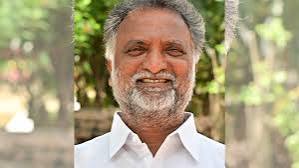 The Mayakonda MLA hails from a humble background and grew up amidst hardship as the son of civic workers Sangappa Pailwan and Hanumakka. Bengaluru: In 2020, senior Congressman G Parameshwara offered the Legislative Assembly a chilling account of caste-based discrimination. History “I became an MLA for the first time in 1989. While going on a victory round, they took us to a village which naturally will have temples and Ramesh Kumar (in an apparent reference to fellow Congress leader Ramesh Kumar, a Brahmin) must be there. They took me into the Hanuman temple, I saluted the deity, took the Mangalarathi and came out. After I left, there was a fight as to how could I have been taken inside the temple”. Narrating this, Parameshwara, who hails from Dalit (right) community, said thereafter, he avoids entering temples with discriminatory practices and instead, does the rituals outside the premises on some pretext. Six years later, the Congress government, with Parameshwara as deputy CM, has taken a progressive step by appointing first-time MLA K S Basavanthappa from Dalit (left) community as minister for Muzrai department, which manages Hindu temples. Discrimination& Identity Relations The Mayakonda MLA hails from a humble background and grew up amidst hardship as the son of civic workers Sangappa Pailwan and Hanumakka. His appointment is being interpreted as a powerful counter to the despicable practice of caste-based discrimination in some temples. Though Rudrappa Lamani also held Muzrai portfolio in previous Congress government during 2016-18 (he hails from Lambani sub-sect among scheduled castes), Basavanthappa is the first from among SC (left)/SC (right) communities, which are comparatively more marginalised, to do so. On Aug 10, right-wing outfit Shri Ram Sena Dharmarth Seva Nyas performed Shuddhikaran (‘purification’), after AICC president Mallikarjun Kharge’s speech at Ramlila maidan at Haldwani, Uttarakhand on Aug 8. A senior minister told DH that the government believed in 12th-century social reformer and anti-caste crusader Basavanna’s principle of ‘Kayakave Kailasa’ (work is worship). “There is a quote inscribed at the entrance of Vidhana Soudha that says ‘Government work is God’s work’. Ultimately, it’s about carrying out the responsibility bestowed on an individual by the party. If an atheist is handed over the responsibility of the muzrai or minorities welfare department, he or she should still undertake the duty,” he said. Leader of the Opposition in the Council Chalavadi Narayanaswamy said one way of looking at it would be to appreciate the decision. But, he also wondered if “upper castes” were ready for such a development. The BJP leader, who hails from SC (right) community, felt the decision could be a “test case” to gauge society’s reaction. Sujay B M DHNS Courtesy : DH దళితుడు మంత్రిగా బాధ్యతలు స్వీకరించడంతో ముజ్రాయ్ శాఖలో మార్పు పవనాలు వీస్తున్నాయి.మాయకొండ ఎమ్మెల్యే ఒక నిరుపేద కుటుంబ నేపథ్యం నుండి వచ్చారు మరియు పౌర కార్యకర్తలైన సంగప్ప పైల్వాన్, హనుమక్కల కుమారుడిగా కష్టాల మధ్య పెరిగారు. బెంగళూరు: 2020లో, సీనియర్ కాంగ్రెస్ నాయకుడు జి. పరమేశ్వర శాసనసభకు కుల ఆధారిత వివక్షపై ఒక భయంకరమైన వివరణ ఇచ్చారు. చరిత్ర నేను 1989లో మొదటిసారి ఎమ్మెల్యే అయ్యాను. విజయ యాత్రకు వెళ్తుండగా, వారు మమ్మల్ని ఒక గ్రామానికి తీసుకెళ్లారు. అక్కడ సహజంగానే దేవాలయాలు ఉంటాయి, అలాగే తోటి కాంగ్రెస్ నాయకుడు, బ్రాహ్మణుడైన రమేష్ కుమార్ కూడా ఉంటారు. వారు నన్ను హనుమాన్ గుడిలోకి తీసుకెళ్లారు, నేను దేవుడికి నమస్కరించి, మంగళారతి తీసుకుని బయటకు వచ్చాను. నేను వెళ్ళిపోయిన తర్వాత, నన్ను గుడి లోపలికి ఎలా తీసుకెళ్లారని గొడవ జరిగింది. ఈ విషయాన్ని వివరిస్తూ, దళిత (కుడి) వర్గానికి చెందిన పరమేశ్వర, ఆ తర్వాత తాను వివక్షాపూరిత పద్ధతులున్న దేవాలయాల్లోకి ప్రవేశించకుండా, బదులుగా ఏదో ఒక సాకుతో ప్రాంగణం బయటే ఆచారాలు నిర్వహిస్తున్నానని చెప్పారు. ఆరేళ్ల తర్వాత, పరమేశ్వర ఉప ముఖ్యమంత్రిగా ఉన్న కాంగ్రెస్ ప్రభుత్వం, హిందూ దేవాలయాలను నిర్వహించే ముజ్రాయ్ శాఖకు మంత్రిగా దళిత (వామపక్ష) వర్గానికి చెందిన తొలిసారి ఎమ్మెల్యే అయిన కేఎస్ బసవంతప్పను నియమించి ఒక ప్రగతిశీల చర్య తీసుకుంది. వివక్ష& గుర్తింపు సంబంధాలు మాయకొండ ఎమ్మెల్యే ఒక నిరుపేద కుటుంబ నేపథ్యం నుండి వచ్చారు మరియు పౌర కార్యకర్తలైన సంగప్ప పైల్వాన్, హనుమక్కల కుమారుడిగా కష్టాల మధ్య పెరిగారు. కొన్ని దేవాలయాలలో జరుగుతున్న హేయమైన కుల వివక్షా విధానానికి ఆయన నియామకం ఒక బలమైన ప్రతిఘటనగా పరిగణించబడుతోంది. 2016-18 మధ్యకాలంలో గత కాంగ్రెస్ ప్రభుత్వంలో రుద్రప్ప లమాని కూడా ముజ్రాయ్ పోర్ట్ఫోలియోను నిర్వహించినప్పటికీ (ఆయన షెడ్యూల్డ్ కులాలలో లంబాని ఉప-విభాగానికి చెందినవారు), సాపేక్షంగా మరింత అణగారిన వర్గాలైన ఎస్సీ (ఎడమ)/ఎస్సీ (కుడి) వర్గాల నుండి ఈ పదవిని చేపట్టిన మొదటి వ్యక్తి బసవంతప్ప. ఆగస్ట్ 8న ఉత్తరాఖండ్లోని హల్ద్వానీలోని రాంలీలా మైదానంలో ఏఐసీసీ అధ్యక్షుడు మల్లికార్జున్ ఖర్గే ప్రసంగం తర్వాత ఆగస్ట్ 10న, రైట్-వింగ్ సంస్థ శ్రీ రామ్ సేన ధర్మార్థ్ సేవా న్యాస్ శుద్ధీకరణ ('శుద్ధి') నిర్వహించింది. 12వ శతాబ్దపు సంఘ సంస్కర్త, కులతత్వ వ్యతిరేక యోధుడు బసవన్న యొక్క 'కాయకవే కైలాస' (పనియే పూజ) అనే సూత్రాన్ని ప్రభుత్వం విశ్వసిస్తుందని ఒక సీనియర్ మంత్రి డీహెచ్తో చెప్పారు. “విధాన సౌధ ప్రవేశ ద్వారం వద్ద 'ప్రభుత్వ పని దైవకార్యం' అని ఒక సూక్తి లిఖించబడి ఉంది.” అంతిమంగా, ఇది పార్టీ ఒక వ్యక్తికి అప్పగించిన బాధ్యతను నిర్వర్తించడానికే సంబంధించినది. ఒకవేళ నాస్తికుడికి ముజ్రాయ్ లేదా మైనారిటీల సంక్షేమ శాఖ బాధ్యత అప్పగించినా, వారు ఆ విధిని చేపట్టాలి,” అని ఆయన అన్నారు. మండలిలో ప్రతిపక్ష నాయకుడు చలవాడి నారాయణస్వామి మాట్లాడుతూ, ఈ నిర్ణయాన్ని అభినందించడం ఒక విధంగా చూడవచ్చని అన్నారు. అయితే, ఇలాంటి పరిణామానికి "అగ్ర కులాలు" సిద్ధంగా ఉన్నాయా అని కూడా ఆయన సందేహం వ్యక్తం చేశారు. ఎస్సీ (కుడి) వర్గానికి చెందిన ఆ బీజేపీ నాయకుడు, సమాజ స్పందనను అంచనా వేయడానికి ఈ నిర్ణయం ఒక “పరీక్షా కేసు” కాగలదని భావించారు. సుజయ్ BM DHNS సౌజన్యం : డిహెచ్ గమనిక: ఈ వార్త వాస్తవానికి https:/deccanherald.com/bha లో ప్రచురించబడింది మరియు ఇది పూర్తిగా లాభాపేక్ష లేని/వాణిజ్యేతర ప్రయోజనాల కోసం, ముఖ్యంగా మానవ హక్కుల కోసం ఉపయోగించబడుతుంది. दलित के मंत्री बनने से मुजराई विभाग में बदलाव की हवाएं चल रही हैं।मायाकोंडा के विधायक एक साधारण परिवार से आते हैं और नगर निगम कार्यकर्ता संगप्पा पैलवान और हनुमक्का के बेटे के रूप में कठिनाइयों के बीच पले-बढ़े हैं। बेंगलुरु: 2020 में, वरिष्ठ कांग्रेसी नेता जी परमेश्वर ने विधानसभा को जाति आधारित भेदभाव का एक भयावह विवरण प्रस्तुत किया था। इतिहास “मैं पहली बार 1989 में विधायक बना। विजय यात्रा के दौरान, वे हमें एक ऐसे गाँव में ले गए जहाँ स्वाभाविक रूप से मंदिर होंगे और रमेश कुमार (स्पष्ट रूप से कांग्रेस के साथी नेता रमेश कुमार, जो एक ब्राह्मण हैं, का जिक्र करते हुए) वहाँ मौजूद होंगे। वे मुझे हनुमान मंदिर में ले गए, मैंने देवता को प्रणाम किया, मंगला आरती ली और बाहर आ गया। मेरे जाने के बाद, इस बात पर बहस छिड़ गई कि मुझे मंदिर के अंदर कैसे ले जाया गया।” इस घटना का वर्णन करते हुए, दलित (दक्षिणपंथी) समुदाय से आने वाले परमेश्वर ने कहा कि इसके बाद से, वह भेदभावपूर्ण प्रथाओं वाले मंदिरों में प्रवेश करने से बचते हैं और इसके बजाय, किसी बहाने से मंदिर परिसर के बाहर ही अनुष्ठान करते हैं। छह साल बाद, परमेश्वर के उपमुख्यमंत्री रहते हुए कांग्रेस सरकार ने दलित (वामपंथी) समुदाय से पहली बार विधायक बने केएस बसवंथप्पा को हिंदू मंदिरों का प्रबंधन करने वाले मुजराई विभाग का मंत्री नियुक्त करके एक प्रगतिशील कदम उठाया है। भेदभावऔर पहचान संबंध मायाकोंडा के विधायक एक साधारण परिवार से आते हैं और नगर निगम कार्यकर्ता संगप्पा पैलवान और हनुमक्का के बेटे के रूप में कठिनाइयों के बीच पले-बढ़े हैं। उनकी नियुक्ति को कुछ मंदिरों में जाति आधारित भेदभाव की घृणित प्रथा के खिलाफ एक शक्तिशाली जवाब के रूप में देखा जा रहा है। हालांकि रुद्रप्पा लमानी ने 2016-18 के दौरान पिछली कांग्रेस सरकार में मुजराई मंत्रालय का कार्यभार भी संभाला था (वे अनुसूचित जातियों के लम्बानी उप-समुदाय से आते हैं), लेकिन बसवंथप्पा अनुसूचित जाति (वामपंथी)/अनुसूचित जाति (दक्षिणपंथी) समुदायों में से ऐसा करने वाले पहले व्यक्ति हैं, जो तुलनात्मक रूप से अधिक हाशिए पर हैं। 8 अगस्त को उत्तराखंड के हलद्वानी में रामलीला मैदान में एआईसीसी अध्यक्ष मल्लिकार्जुन खड़गे के भाषण के बाद, 10 अगस्त को दक्षिणपंथी संगठन श्री राम सेना धर्मार्थ सेवा न्यास ने शुद्धिकरण ('शुद्धिकरण') किया। एक वरिष्ठ मंत्री ने डीएच को बताया कि सरकार 12वीं शताब्दी के समाज सुधारक और जाति-विरोधी योद्धा बसवन्ना के 'कयाकवे कैलाश' (कर्म ही पूजा है) के सिद्धांत में विश्वास करती है। उन्होंने कहा, "विधान सौधा के प्रवेश द्वार पर एक उद्धरण अंकित है जिसमें लिखा है, 'सरकारी कार्य ईश्वर का कार्य है'।" अंततः, यह पार्टी द्वारा किसी व्यक्ति को सौंपी गई जिम्मेदारी को निभाने के बारे में है। यदि किसी नास्तिक को मुजराई या अल्पसंख्यक कल्याण विभाग की जिम्मेदारी सौंपी जाती है, तो भी उसे अपना कर्तव्य निभाना चाहिए," उन्होंने कहा। विधानसभा में विपक्ष के नेता चालवाड़ी नारायणस्वामी ने कहा कि इस फैसले की सराहना करना एक दृष्टिकोण हो सकता है। लेकिन, उन्होंने यह भी सवाल उठाया कि क्या "उच्च जातियां" इस तरह के बदलाव के लिए तैयार हैं। अनुसूचित जाति (दक्षिणपंथी) समुदाय से आने वाले भाजपा नेता ने महसूस किया कि यह निर्णय समाज की प्रतिक्रिया का आकलन करने के लिए एक "परीक्षण मामला" हो सकता है। सुजय बीएम डीएचएनएस सौजन्य: डीएच नोट: यह समाचार मूल रूप से https://deccanherald.com/bha पर प्रकाशित हुआ है और इसका उपयोग विशुद्ध रूप से गैर-लाभकारी/गैर-व्यावसायिक उद्देश्यों, विशेष रूप से मानवाधिकारों के लिए தலித் அமைச்சராகப் பொறுப்பேற்றதால் முஜராய் துறையில் மாற்றத்தின் காற்று வீசுகிறது.மாயகொண்டா சட்டமன்ற உறுப்பினர், அரசுப் பணியாளர்களான சங்கப்பா பைல்வான் மற்றும் ஹனுமக்கா ஆகியோரின் மகனாக, எளிய குடும்பப் பின்னணியில் இருந்து வந்து, மிகுந்த இன்னல்களுக்கு மத்தியில் வளர்ந்தார். பெங்களூரு: 2020-ஆம் ஆண்டில், மூத்த காங்கிரஸ் தலைவர் ஜி. பரமேஸ்வரா, சாதி அடிப்படையிலான பாகுபாடு குறித்த ஒரு அதிர்ச்சியூட்டும் விவரத்தை சட்டமன்றத்தில் முன்வைத்தார். வரலாறு நான் 1989-ல் முதன்முறையாக சட்டமன்ற உறுப்பினரானேன். வெற்றிச் சுற்றுப்பயணம் மேற்கொண்டபோது, எங்களை ஒரு கிராமத்திற்கு அழைத்துச் சென்றார்கள். அங்கே இயல்பாகவே கோவில்கள் இருக்கும், மேலும் ரமேஷ் குமாரும் (சக காங்கிரஸ் தலைவரும் பிராமணருமான ரமேஷ் குமாரைக் குறிப்பிடுவது போல) நிச்சயம் இருப்பார். அவர்கள் என்னை அனுமன் கோவிலுக்குள் அழைத்துச் சென்றார்கள். நான் தெய்வத்தை வணங்கி, மங்களாரத்தியை வாங்கிக்கொண்டு வெளியே வந்தேன். நான் வெளியேறிய பிறகு, என்னை எப்படி கோவிலுக்குள் அழைத்துச் சென்றார்கள் என்பது குறித்து ஒரு சண்டை மூண்டது. இதை விவரித்த, தலித் (வலதுசாரி) சமூகத்தைச் சேர்ந்த பரமேஸ்வரா, அதன் பிறகு, பாகுபாடு காட்டப்படும் நடைமுறைகளைக் கொண்ட கோயில்களுக்குள் நுழைவதைத் தவிர்த்து, அதற்குப் பதிலாக ஏதேனும் ஒரு காரணத்தைக் கூறி கோயில் வளாகத்திற்கு வெளியே சடங்குகளைச் செய்வதாகக் கூறினார். ஆறு ஆண்டுகளுக்குப் பிறகு, பரமேஸ்வரா துணை முதல்வராக உள்ள காங்கிரஸ் அரசு, இந்து கோவில்களை நிர்வகிக்கும் முஜராய் துறைக்கு, தலித் (இடதுசாரி) சமூகத்தைச் சேர்ந்த முதல் முறை சட்டமன்ற உறுப்பினரான கே.எஸ். பசவந்தப்பாவை அமைச்சராக நியமித்து ஒரு முற்போக்கான நடவடிக்கையை எடுத்துள்ளது. பாகுபாடுமற்றும் அடையாள உறவுகள் மாயகொண்டா சட்டமன்ற உறுப்பினர், அரசுப் பணியாளர்களான சங்கப்பா பைல்வான் மற்றும் ஹனுமக்கா ஆகியோரின் மகனாக, எளிய குடும்பப் பின்னணியில் இருந்து வந்து, மிகுந்த இன்னல்களுக்கு மத்தியில் வளர்ந்தார். அவரது நியமனம், சில கோயில்களில் நிலவும் சாதி அடிப்படையிலான பாகுபாட்டின் இழிவான நடைமுறைக்கு எதிரான ஒரு சக்திவாய்ந்த எதிர் நடவடிக்கையாகக் கருதப்படுகிறது. 2016-18 காலகட்டத்தில் முந்தைய காங்கிரஸ் அரசில் ருத்ரப்பா லமானியும் முஜராய் பொறுப்பை வகித்திருந்தபோதிலும் (அவர் பட்டியல் சாதியினரிடையே உள்ள லம்பானி உட்பிரிவைச் சேர்ந்தவர்), ஒப்பீட்டளவில் மிகவும் விளிம்புநிலைக்குத் தள்ளப்பட்ட பட்டியல் சாதியினர் (இடது)/பட்டியல் சாதியினர் (வலது) சமூகங்களிலிருந்து அவ்வாறு செய்பவர் பசவந்தப்பாவே ஆவார். ஆகஸ்ட் 10 அன்று, வலதுசாரி அமைப்பான ஸ்ரீ ராம் சேனா தர்மார்த் சேவா னியாஸ், ஆகஸ்ட் 8 அன்று உத்தரகாண்ட், ஹல்த்வானியில் உள்ள ராம்லீலா மைதானத்தில் AICC தலைவர் மல்லிகார்ஜுன் கார்கேயின் உரைக்குப் பிறகு சுத்திகரனை ('சுத்திகரிப்பு') நிகழ்த்தியது. 12-ஆம் நூற்றாண்டின் சமூக சீர்திருத்தவாதியும், சாதி எதிர்ப்புப் போராளியுமான பசவண்ணாவின் 'காயகவே கைலாசம்' (செயலே வழிபாடு) என்ற கொள்கையை அரசாங்கம் நம்புவதாக ஒரு மூத்த அமைச்சர் டி.ஹெச்-யிடம் தெரிவித்தார். “விதான் சௌதாவின் நுழைவாயிலில், 'அரசாங்கப் பணி கடவுளின் பணி' என்று ஒரு மேற்கோள் பொறிக்கப்பட்டுள்ளது.” இறுதியில், இது கட்சியால் ஒரு தனிநபருக்கு வழங்கப்பட்ட பொறுப்பை நிறைவேற்றுவதைப் பற்றியது. ஒரு நாத்திகரிடம் முஜாஹிதீன் அல்லது சிறுபான்மையினர் நலத்துறையின் பொறுப்பு ஒப்படைக்கப்பட்டாலும், அவர் அந்தக் கடமையை ஆற்றியே ஆக வேண்டும்,” என்று அவர் கூறினார். சட்டசபையின் எதிர்க்கட்சித் தலைவர் சாலவாடி நாராயணசாமி, இந்த முடிவைப் பாராட்டுவது ஒரு கோணமாக இருக்கும் என்று கூறினார். ஆனால், இத்தகைய ஒரு வளர்ச்சிக்கு “உயர் சாதியினர்” தயாராக இருக்கிறார்களா என்றும் அவர் வியந்தார். பட்டியல் சாதி (வலது) சமூகத்தைச் சேர்ந்த பாஜக தலைவர், சமூகத்தின் எதிர்வினையை அளவிடுவதற்கான ஒரு “சோதனை நிகழ்வாக” இந்த முடிவு அமையக்கூடும் என்று கருதினார். சுஜய் பிஎம் டிஹெச்என்எஸ் நன்றி : டிஹெச் குறிப்பு: இந்தச் செய்தி முதலில் https:/deccanherald.com/bha என்ற இணையதளத்தில் வெளியிடப்பட்டது. இது முற்றிலும் இலாப நோக்கற்ற/வணிக நோக்கமற்ற பயன்பாட்டிற்காக, குறிப்பாக மனித உரிமைகளுக்காகப் பயன்படுத்தப்படுகிறது.  ದಲಿತರು ಸಚಿವರಾಗಿ ಅಧಿಕಾರ ವಹಿಸಿಕೊಂಡ ನಂತರ ಮುಜರಾಯಿ ಇಲಾಖೆಯಲ್ಲಿ ಬದಲಾವಣೆಯ ಗಾಳಿ ಬೀಸುತ್ತಿದೆ.ಮಾಯಕೊಂಡ ಶಾಸಕರು ಬಡ ಕುಟುಂಬದಿಂದ ಬಂದವರಾಗಿದ್ದು, ಪೌರಕಾರ್ಮಿಕರಾದ ಸಂಗಪ್ಪ ಪೈಲ್ವಾನ್ ಮತ್ತು ಹನುಮಕ್ಕ ಅವರ ಮಗನಾಗಿ ಕಷ್ಟದ ನಡುವೆ ಬೆಳೆದರು. ಬೆಂಗಳೂರು: 2020 ರಲ್ಲಿ, ಹಿರಿಯ ಕಾಂಗ್ರೆಸ್ಸಿಗ ಜಿ ಪರಮೇಶ್ವರ ಅವರು ಶಾಸಕಾಂಗ ಸಭೆಗೆ ಜಾತಿ ಆಧಾರಿತ ತಾರತಮ್ಯದ ಬಗ್ಗೆ ಒಂದು ಭಯಾನಕ ವರದಿಯನ್ನು ನೀಡಿದರು. ಇತಿಹಾಸ "ನಾನು 1989 ರಲ್ಲಿ ಮೊದಲ ಬಾರಿಗೆ ಶಾಸಕನಾದೆ. ವಿಜಯೋತ್ಸವದ ಸುತ್ತಿನಲ್ಲಿ ಹೋಗುತ್ತಿದ್ದಾಗ, ಅವರು ನಮ್ಮನ್ನು ಒಂದು ಹಳ್ಳಿಗೆ ಕರೆದೊಯ್ದರು, ಅಲ್ಲಿ ಸ್ವಾಭಾವಿಕವಾಗಿ ದೇವಾಲಯಗಳಿವೆ ಮತ್ತು ರಮೇಶ್ ಕುಮಾರ್ (ಕಾಂಗ್ರೆಸ್ ನಾಯಕ ರಮೇಶ್ ಕುಮಾರ್, ಬ್ರಾಹ್ಮಣರನ್ನು ಉಲ್ಲೇಖಿಸಿ) ಅಲ್ಲಿರಬೇಕು. ಅವರು ನನ್ನನ್ನು ಹನುಮಾನ್ ದೇವಸ್ಥಾನಕ್ಕೆ ಕರೆದೊಯ್ದರು, ನಾನು ದೇವರಿಗೆ ನಮಸ್ಕರಿಸಿ, ಮಂಗಳಾರತಿ ತೆಗೆದುಕೊಂಡು ಹೊರಬಂದೆ. ನಾನು ಹೋದ ನಂತರ, ನನ್ನನ್ನು ದೇವಸ್ಥಾನದೊಳಗೆ ಹೇಗೆ ಕರೆದೊಯ್ಯಬಹುದೆಂಬ ಬಗ್ಗೆ ಜಗಳವಾಯಿತು". ಇದನ್ನು ವಿವರಿಸುತ್ತಾ, ದಲಿತ (ಬಲ) ಸಮುದಾಯದಿಂದ ಬಂದ ಪರಮೇಶ್ವರ, ನಂತರ, ಅವರು ತಾರತಮ್ಯದ ಪದ್ಧತಿಗಳೊಂದಿಗೆ ದೇವಾಲಯಗಳನ್ನು ಪ್ರವೇಶಿಸುವುದನ್ನು ತಪ್ಪಿಸುತ್ತಾರೆ ಮತ್ತು ಬದಲಾಗಿ, ಯಾವುದೋ ನೆಪವನ್ನು ಮುಂದಿಟ್ಟುಕೊಂಡು ಆವರಣದ ಹೊರಗೆ ಆಚರಣೆಗಳನ್ನು ಮಾಡುತ್ತಾರೆ ಎಂದು ಹೇಳಿದರು. ಆರು ವರ್ಷಗಳ ನಂತರ, ಪರಮೇಶ್ವರ ಅವರನ್ನು ಉಪಮುಖ್ಯಮಂತ್ರಿಯಾಗಿ ನೇಮಿಸಿದ ಕಾಂಗ್ರೆಸ್ ಸರ್ಕಾರ, ದಲಿತ (ಎಡ) ಸಮುದಾಯದ ಮೊದಲ ಬಾರಿಗೆ ಶಾಸಕರಾದ ಕೆ.ಎಸ್. ಬಸವಂತಪ್ಪ ಅವರನ್ನು ಹಿಂದೂ ದೇವಾಲಯಗಳನ್ನು ನಿರ್ವಹಿಸುವ ಮುಜರಾಯಿ ಇಲಾಖೆಯ ಸಚಿವರನ್ನಾಗಿ ನೇಮಿಸುವ ಮೂಲಕ ಪ್ರಗತಿಪರ ಹೆಜ್ಜೆ ಇಟ್ಟಿದೆ. ತಾರತಮ್ಯ&ಗುರುತಿನ ಸಂಬಂಧಗಳು ಮಾಯಕೊಂಡ ಶಾಸಕರು ಬಡ ಕುಟುಂಬದಿಂದ ಬಂದವರಾಗಿದ್ದು, ಪೌರಕಾರ್ಮಿಕರಾದ ಸಂಗಪ್ಪ ಪೈಲ್ವಾನ್ ಮತ್ತು ಹನುಮಕ್ಕ ಅವರ ಮಗನಾಗಿ ಕಷ್ಟದ ನಡುವೆ ಬೆಳೆದರು. ಅವರ ನೇಮಕಾತಿಯನ್ನು ಕೆಲವು ದೇವಾಲಯಗಳಲ್ಲಿ ಜಾತಿ ಆಧಾರಿತ ತಾರತಮ್ಯದ ಹೇಯ ಆಚರಣೆಗೆ ಪ್ರಬಲ ಪ್ರತಿವಾದ ಎಂದು ವ್ಯಾಖ್ಯಾನಿಸಲಾಗುತ್ತಿದೆ. 2016-18ರ ಅವಧಿಯಲ್ಲಿ ಹಿಂದಿನ ಕಾಂಗ್ರೆಸ್ ಸರ್ಕಾರದಲ್ಲಿ ರುದ್ರಪ್ಪ ಲಮಾಣಿ ಅವರು ಮುಜರಾಯಿ ಖಾತೆಯನ್ನು ಹೊಂದಿದ್ದರು (ಅವರು ಪರಿಶಿಷ್ಟ ಜಾತಿಗಳಲ್ಲಿ ಲಂಬಾಣಿ ಉಪ-ಪಂಗಡದಿಂದ ಬಂದವರು), ತುಲನಾತ್ಮಕವಾಗಿ ಹೆಚ್ಚು ಅಂಚಿನಲ್ಲಿರುವ ಎಸ್ಸಿ (ಎಡ)/ಎಸ್ಸಿ (ಬಲ) ಸಮುದಾಯಗಳಲ್ಲಿ ಬಸವಂತಪ್ಪ ಮೊದಲಿಗರು. ಆಗಸ್ಟ್ 8 ರಂದು ಉತ್ತರಾಖಂಡದ ಹಲ್ದ್ವಾನಿಯಲ್ಲಿರುವ ರಾಮಲೀಲಾ ಮೈದಾನದಲ್ಲಿ ಎಐಸಿಸಿ ಅಧ್ಯಕ್ಷ ಮಲ್ಲಿಕಾರ್ಜುನ ಖರ್ಗೆ ಅವರ ಭಾಷಣದ ನಂತರ, ಆ.10 ರಂದು ಬಲಪಂಥೀಯ ಸಂಘಟನೆಯಾದ ಶ್ರೀ ರಾಮಸೇನೆ ಧರ್ಮಾರ್ಥ ಸೇವಾ ನ್ಯಾಸ್ ಶುದ್ಧೀಕರಣವನ್ನು ('ಶುದ್ಧೀಕರಣ') ನಡೆಸಿತು. 12 ನೇ ಶತಮಾನದ ಸಮಾಜ ಸುಧಾರಕ ಮತ್ತು ಜಾತಿ ವಿರೋಧಿ ಹೋರಾಟಗಾರ ಬಸವಣ್ಣನವರ 'ಕಾಯಕವೇ ಕೈಲಾಸ' (ಕೆಲಸವೇ ಪೂಜೆ) ತತ್ವದಲ್ಲಿ ಸರ್ಕಾರ ನಂಬಿಕೆ ಇಟ್ಟಿದೆ ಎಂದು ಹಿರಿಯ ಸಚಿವರೊಬ್ಬರು ಡಿಎಚ್ಗೆ ತಿಳಿಸಿದರು. "ವಿಧಾನಸೌಧದ ಪ್ರವೇಶದ್ವಾರದಲ್ಲಿ 'ಸರ್ಕಾರಿ ಕೆಲಸ ದೇವರ ಕೆಲಸ' ಎಂದು ಹೇಳುವ ಒಂದು ಉಲ್ಲೇಖವಿದೆ. "ಕೊನೆಯದಾಗಿ, ಇದು ಪಕ್ಷವು ಒಬ್ಬ ವ್ಯಕ್ತಿಗೆ ವಹಿಸಿರುವ ಜವಾಬ್ದಾರಿಯನ್ನು ನಿರ್ವಹಿಸುವುದರ ಬಗ್ಗೆ. ನಾಸ್ತಿಕರಿಗೆ ಮುಜರಾಯಿ ಅಥವಾ ಅಲ್ಪಸಂಖ್ಯಾತರ ಕಲ್ಯಾಣ ಇಲಾಖೆಯ ಜವಾಬ್ದಾರಿಯನ್ನು ವಹಿಸಿದರೂ, ಅವನು ಅಥವಾ ಅವಳು ಇನ್ನೂ ಕರ್ತವ್ಯವನ್ನು ನಿರ್ವಹಿಸಬೇಕು, ”ಎಂದು ಅವರು ಹೇಳಿದರು. ಪರಿಷತ್ತಿನ ವಿರೋಧ ಪಕ್ಷದ ನಾಯಕ ಛಲವಾದಿ ನಾರಾಯಣಸ್ವಾಮಿ, ಇದನ್ನು ನೋಡುವ ಒಂದು ಮಾರ್ಗವೆಂದರೆ ನಿರ್ಧಾರವನ್ನು ಪ್ರಶಂಸಿಸುವುದು ಎಂದು ಹೇಳಿದರು. ಆದರೆ, "ಮೇಲ್ಜಾತಿಗಳು" ಅಂತಹ ಬೆಳವಣಿಗೆಗೆ ಸಿದ್ಧರಿದ್ದಾರೆಯೇ ಎಂದು ಅವರು ಆಶ್ಚರ್ಯಪಟ್ಟರು. ಎಸ್ಸಿ (ಬಲ) ಸಮುದಾಯದಿಂದ ಬಂದಿರುವ ಬಿಜೆಪಿ ನಾಯಕ, ಈ ನಿರ್ಧಾರವು ಸಮಾಜದ ಪ್ರತಿಕ್ರಿಯೆಯನ್ನು ಅಳೆಯಲು ಒಂದು "ಪರೀಕ್ಷಾ ಪ್ರಕರಣ"ವಾಗಬಹುದು ಎಂದು ಭಾವಿಸಿದರು. ಸುಜಯ್ ಬಿಎಂ ಡಿಎಚ್ಎನ್ಎಸ್ ಕೃಪೆ: ಡಿಹೆಚ್ ಗಮನಿಸಿ: ಈ ಸುದ್ದಿಯನ್ನು ಮೂಲತಃ https://deccanherald.com/bha ನಲ್ಲಿ ಪ್ರಕಟಿಸಲಾಗಿದೆ ಮತ್ತು ಇದನ್ನು ಸಂಪೂರ್ಣವಾಗಿ ಲಾಭರಹಿತ/ವಾಣಿಜ್ಯೇತರ ಉದ್ದೇಶಗಳಿಗಾಗಿ, ವಿಶೇಷವಾಗಿ ಮಾನವ ಹಕ್ಕುಗಳಿಗಾಗಿ ಬಳಸಲಾಗುತ್ತದೆ. 
| |||
Delhi BJPwants Kejriwal, Bharadwaj to ensure justice for AAP’s Dalit worker in property dispute 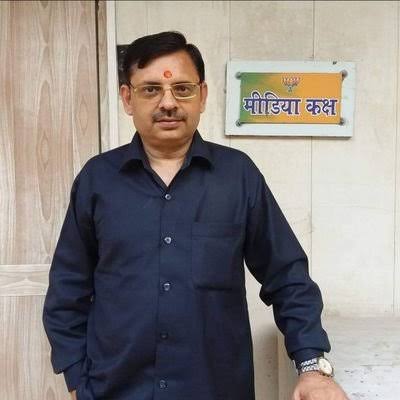 Delhi BJP spokespersons Praveen Shankar Kapoor and Dr. Anil Gupta on Sunday strongly condemned the alleged attempt by an Aam Aadmi Party national council member and Jaitpur councillor spouse, regarding possession of a house built on a plot belonging to his own party’s Dalit worker, Rakesh Kumar.Politics Politics Delhi BJP spokespersons Praveen Shankar Kapoor and Dr. Anil Gupta on Sunday strongly condemned the alleged attempt by an Aam Aadmi Party national council member and Jaitpur councillor spouse, regarding possession of a house built on a plot belonging to his own party’s Dalit worker, Rakesh Kumar. The BJP leaders demanded that AAP leaders, including Arvind Kejriwal and Saurabh Bhardwaj, immediately look into the matter and ensure justice for their party’s Dalit worker by restoring possession of the premises. They also sought the expulsion of the accused and his spouse from the party. According to Kapoor, the AAP leader concerned has been directly associated with Kejriwal since the party’s formative days, contested the MCD election from Jaitpur in 2017, and his wife is currently serving as a municipal councilor. According to the BJP leader, an FIR has also been registered in this connection, wherein the complainant, Kumar has alleged that he had given the premises back in 2019, in view of setting up a private political office, however, when asked to have the premises back, the alleged person was delaying to do so until 2022.Politics Politics As mentioned in the FIR, the accused person was allegedly denying handing over the property back to Rakesh Kumar. As per the BJP leader, the alleged harassment of Dalit worker only stopped after an FIR was registered at a police station around two weeks ago. In July 2026, when Shri Rakesh Kumar sought to have an electricity meter installed on the first floor of his house, Shri Shrichand Vohra allegedly stopped the electricity department from carrying out the installation. Following a police probe, relevant sections of the law relating to an alleged conspiracy to take possession of the premises have been added to the matter. The Delhi BJP leaders said that AAP leaders, including Kejriwal and Bhardwaj, who frequently make strong statements about morality, must now come forward and ensure that their party’s Dalit worker gets justice. Politics Courtesy : The Statesman

Dalit e-rickshaw driver dies after assault over daughter’s marriage in Amroha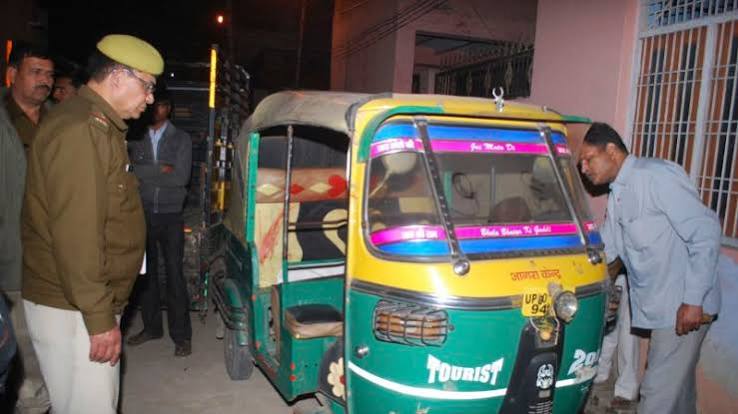 Bijnor: A Dalit e-rickshaw driver died in Amroha after he was allegedly assaulted by his neighbour and four others during a dispute linked to his daughter’s marriage, police said. The incident took place in Rathraula Hashampur village under Gajraula police station limits, around 28km from the district headquarters. Discrimination& Identity Relations Sanjay Kumar, 55, was the sole breadwinner of his family. His wife Suman Devi alleged that their neighbour Imran, 25, had taken away their 20-year-old daughter about a year ago. “My daughter was brought back with help from members of Hindu organisations. After that, we arranged her marriage elsewhere, but Imran kept a grudge against us,” she alleged. Suman said Imran reached their house on Saturday afternoon and tried to steal Sanjay’s Platina motorcycle. “My husband saw him inserting the key into the motorcycle and raised an alarm. Imran then fled from the spot,” she said. Later, Sanjay went to Imran’s house with his wife and brother to complain about the alleged theft attempt. Suman alleged that Imran abused them outside his house and then attacked Sanjay along with his brother-in-law and three nephews. “They beat him with sticks and clubs. He suffered a serious head injury,” she said. Villagers intervened, took Sanjay to a private doctor for first aid, and then brought him home. His condition worsened later and he died on Sunday morning. Death& Tragedy Gajraula circle officer Anjali Kataria said an FIR had been registered on Suman’s complaint. “A case has been registered against five people — Mukhtar Ali, Zulfiqar, Isteqar, Jabbar Ali and Imran. Two suspects have been detained for questioning and further investigation is underway,” Kataria said. Police said they were examining the alleged dispute over the daughter’s marriage, the attempted motorcycle theft claim and the assault that led to Sanjay’s death. Further action will be based on the post-mortem report, witness statements and evidence collected during investigation. Courtesy : TOI
ಅಮ್ರೋಹಾದಲ್ಲಿ ಮಗಳ ಮದುವೆಗೆ ಹಲ್ಲೆ: ದಲಿತ ಇ-ರಿಕ್ಷಾ ಚಾಲಕ ಸಾವುಬಿಜ್ನೋರ್: ಮಗಳ ಮದುವೆಗೆ ಸಂಬಂಧಿಸಿದ ವಿವಾದದಲ್ಲಿ ನೆರೆಮನೆಯವರು ಮತ್ತು ಇತರ ನಾಲ್ವರು ದಲಿತ ಇ-ರಿಕ್ಷಾ ಚಾಲಕನ ಮೇಲೆ ಹಲ್ಲೆ ನಡೆಸಿದ್ದು, ಅಮ್ರೋಹಾದಲ್ಲಿ ಸಾವನ್ನಪ್ಪಿದ್ದಾರೆ ಎಂದು ಪೊಲೀಸರು ತಿಳಿಸಿದ್ದಾರೆ. ಜಿಲ್ಲಾ ಕೇಂದ್ರದಿಂದ ಸುಮಾರು 28 ಕಿ.ಮೀ ದೂರದಲ್ಲಿರುವ ಗಜ್ರೌಲಾ ಪೊಲೀಸ್ ಠಾಣೆ ವ್ಯಾಪ್ತಿಯ ರಾತ್ರೌಲಾ ಹಶಂಪುರ ಗ್ರಾಮದಲ್ಲಿ ಈ ಘಟನೆ ನಡೆದಿದೆ. ದಕ್ಷಿಣಏಷ್ಯನ್ನರು ಮತ್ತು ವಲಸೆಗಾರರು 55 ವರ್ಷದ ಸಂಜಯ್ ಕುಮಾರ್ ಅವರ ಕುಟುಂಬದ ಏಕೈಕ ಜೀವನಾಧಾರವಾಗಿದ್ದರು. ಅವರ ಪತ್ನಿ ಸುಮನ್ ದೇವಿ ಅವರ ನೆರೆಮನೆಯ 25 ವರ್ಷದ ಇಮ್ರಾನ್ ಸುಮಾರು ಒಂದು ವರ್ಷದ ಹಿಂದೆ ತಮ್ಮ 20 ವರ್ಷದ ಮಗಳನ್ನು ಕರೆದುಕೊಂಡು ಹೋಗಿದ್ದರು ಎಂದು ಆರೋಪಿಸಿದ್ದಾರೆ. "ನನ್ನ ಮಗಳನ್ನು ಹಿಂದೂ ಸಂಘಟನೆಗಳ ಸದಸ್ಯರ ಸಹಾಯದಿಂದ ಹಿಂತಿರುಗಿಸಲಾಯಿತು. ಅದರ ನಂತರ, ನಾವು ಅವಳ ಮದುವೆಯನ್ನು ಬೇರೆಡೆ ಏರ್ಪಡಿಸಿದೆವು, ಆದರೆ ಇಮ್ರಾನ್ ನಮ್ಮ ಮೇಲೆ ದ್ವೇಷ ಇಟ್ಟುಕೊಂಡಿದ್ದರು" ಎಂದು ಅವರು ಆರೋಪಿಸಿದ್ದಾರೆ. ಶನಿವಾರ ಮಧ್ಯಾಹ್ನ ಇಮ್ರಾನ್ ತಮ್ಮ ಮನೆಗೆ ತಲುಪಿ ಸಂಜಯ್ ಅವರ ಪ್ಲಾಟಿನಾ ಮೋಟಾರ್ ಸೈಕಲ್ ಅನ್ನು ಕದಿಯಲು ಪ್ರಯತ್ನಿಸಿದರು ಎಂದು ಸುಮನ್ ಹೇಳಿದರು. "ನನ್ನ ಪತಿ ಅವರು ಮೋಟಾರ್ ಸೈಕಲ್ಗೆ ಕೀಲಿಯನ್ನು ಸೇರಿಸುವುದನ್ನು ನೋಡಿ ಎಚ್ಚರಿಕೆ ನೀಡಿದರು. ನಂತರ ಇಮ್ರಾನ್ ಸ್ಥಳದಿಂದ ಓಡಿಹೋದರು" ಎಂದು ಅವರು ಹೇಳಿದರು. ನಂತರ, ಸಂಜಯ್ ತನ್ನ ಹೆಂಡತಿ ಮತ್ತು ಸಹೋದರನೊಂದಿಗೆ ಇಮ್ರಾನ್ ಮನೆಗೆ ಹೋಗಿ ಕಳ್ಳತನ ಯತ್ನದ ಬಗ್ಗೆ ದೂರು ನೀಡಿದ್ದಾನೆ. ಇಮ್ರಾನ್ ತನ್ನ ಮನೆಯ ಹೊರಗೆ ಅವರನ್ನು ನಿಂದಿಸಿ ನಂತರ ಸಂಜಯ್ ಮತ್ತು ಅವನ ಸೋದರ ಮಾವ ಮತ್ತು ಮೂವರು ಸೋದರಳಿಯರ ಮೇಲೆ ಹಲ್ಲೆ ನಡೆಸಿದ್ದಾನೆ ಎಂದು ಸುಮನ್ ಆರೋಪಿಸಿದ್ದಾರೆ. "ಅವರು ಅವನನ್ನು ಕೋಲು ಮತ್ತು ದೊಣ್ಣೆಗಳಿಂದ ಹೊಡೆದರು. ಅವನ ತಲೆಗೆ ಗಂಭೀರ ಗಾಯವಾಯಿತು" ಎಂದು ಅವರು ಹೇಳಿದರು. ಗ್ರಾಮಸ್ಥರು ಮಧ್ಯಪ್ರವೇಶಿಸಿ, ಸಂಜಯ್ ಅವರನ್ನು ಖಾಸಗಿ ವೈದ್ಯರ ಬಳಿಗೆ ಪ್ರಥಮ ಚಿಕಿತ್ಸೆಗಾಗಿ ಕರೆದೊಯ್ದು, ನಂತರ ಮನೆಗೆ ಕರೆತಂದರು. ನಂತರ ಅವರ ಸ್ಥಿತಿ ಹದಗೆಟ್ಟಿತು ಮತ್ತು ಅವರು ಭಾನುವಾರ ಬೆಳಿಗ್ಗೆ ನಿಧನರಾದರು. ಸಾವು& ದುರಂತ ಸುಮನ್ ಅವರ ದೂರಿನ ಮೇರೆಗೆ ಎಫ್ಐಆರ್ ದಾಖಲಿಸಲಾಗಿದೆ ಎಂದು ಗಜ್ರೌಲಾ ವೃತ್ತ ಅಧಿಕಾರಿ ಅಂಜಲಿ ಕಟಾರಿಯಾ ತಿಳಿಸಿದ್ದಾರೆ. "ಮುಖ್ತಾರ್ ಅಲಿ, ಜುಲ್ಫಿಕರ್, ಇಸ್ತೇಕರ್, ಜಬ್ಬಾರ್ ಅಲಿ ಮತ್ತು ಇಮ್ರಾನ್ - ಐದು ಜನರ ವಿರುದ್ಧ ಪ್ರಕರಣ ದಾಖಲಿಸಲಾಗಿದೆ. ಇಬ್ಬರು ಶಂಕಿತರನ್ನು ವಿಚಾರಣೆಗಾಗಿ ವಶಕ್ಕೆ ಪಡೆಯಲಾಗಿದೆ ಮತ್ತು ಹೆಚ್ಚಿನ ತನಿಖೆ ನಡೆಯುತ್ತಿದೆ" ಎಂದು ಕಟಾರಿಯಾ ಹೇಳಿದರು. ಮಗಳ ಮದುವೆಗೆ ಸಂಬಂಧಿಸಿದ ವಿವಾದ, ಮೋಟಾರ್ ಸೈಕಲ್ ಕಳ್ಳತನಕ್ಕೆ ಯತ್ನಿಸಿದ ಆರೋಪ ಮತ್ತು ಸಂಜಯ್ ಸಾವಿಗೆ ಕಾರಣವಾದ ಹಲ್ಲೆಯನ್ನು ಪರಿಶೀಲಿಸುತ್ತಿದ್ದೇವೆ ಎಂದು ಪೊಲೀಸರು ತಿಳಿಸಿದ್ದಾರೆ. ಮರಣೋತ್ತರ ಪರೀಕ್ಷೆಯ ವರದಿ, ಸಾಕ್ಷಿಗಳ ಹೇಳಿಕೆಗಳು ಮತ್ತು ತನಿಖೆಯ ಸಮಯದಲ್ಲಿ ಸಂಗ್ರಹಿಸಿದ ಸಾಕ್ಷ್ಯಗಳನ್ನು ಆಧರಿಸಿ ಮುಂದಿನ ಕ್ರಮ ಕೈಗೊಳ್ಳಲಾಗುವುದು. ಸೌಜನ್ಯ: TOI ಗಮನಿಸಿ: ಈ ಸುದ್ದಿಯನ್ನು ಮೂಲತಃ https:/timesofindia.com/bha ನಲ್ಲಿ ಪ್ರಕಟಿಸಲಾಗಿದೆ ಮತ್ತು ಇದನ್ನು ಸಂಪೂರ್ಣವಾಗಿ ಲಾಭರಹಿತ/ವಾಣಿಜ್ಯೇತರ ಉದ್ದೇಶಗಳಿಗಾಗಿ, ವಿಶೇಷವಾಗಿ ಮಾನವ ಹಕ್ಕುಗಳಿಗಾಗಿ ಬಳಸಲಾಗುತ್ತದೆ. अमरोहा में बेटी की शादी को लेकर हुए हमले में दलित ई-रिक्शा चालक की मौत हो गई।बिजनौर: पुलिस ने बताया कि अमरोहा में एक दलित ई-रिक्शा चालक की कथित तौर पर उसके पड़ोसी और चार अन्य लोगों द्वारा उसकी बेटी की शादी से जुड़े विवाद के दौरान मारपीट करने के बाद मौत हो गई। यह घटना जिला मुख्यालय से लगभग 28 किलोमीटर दूर गजराउला पुलिस थाना क्षेत्र के रथराउला हाशमपुर गांव में हुई। दक्षिणएशियाई और प्रवासी 55 वर्षीय संजय कुमार अपने परिवार के इकलौते कमाने वाले थे। उनकी पत्नी सुमन देवी का आरोप है कि उनके पड़ोसी इमरान (25) ने लगभग एक साल पहले उनकी 20 वर्षीय बेटी को अगवा कर लिया था। सुमन ने बताया, “हिंदू संगठनों के सदस्यों की मदद से मेरी बेटी वापस आ गई। उसके बाद हमने उसकी शादी कहीं और कर दी, लेकिन इमरान हमसे दुश्मनी रखता था।” सुमन ने बताया कि शनिवार दोपहर को इमरान उनके घर आया और संजय की प्लैटिना मोटरसाइकिल चुराने की कोशिश की। उन्होंने कहा, “मेरे पति ने उसे मोटरसाइकिल में चाबी लगाते हुए देख लिया और शोर मचाया। इसके बाद इमरान मौके से फरार हो गया।” बाद में संजय अपनी पत्नी और भाई के साथ इमरान के घर चोरी की कथित कोशिश की शिकायत करने गए। सुमन ने आरोप लगाया कि इमरान ने घर के बाहर उन्हें गाली दी और फिर संजय पर उसके साले और तीन भतीजों के साथ हमला कर दिया। उसने बताया, “उन्होंने उसे लाठियों और डंडों से पीटा। उसके सिर में गंभीर चोट आई।” ग्रामीणों ने बीच-बचाव किया और संजय को प्राथमिक उपचार के लिए एक निजी डॉक्टर के पास ले गए और फिर उसे घर ले आए। बाद में उसकी हालत बिगड़ गई और रविवार सुबह उसकी मौत हो गई। मौत& त्रासदी गजराउला सर्कल ऑफिसर अंजली कटारिया ने बताया कि सुमन की शिकायत पर एफआईआर दर्ज कर ली गई है। कटारिया ने कहा, “मुख्तार अली, जुल्फिकार, इस्तेकार, जब्बार अली और इमरान समेत पांच लोगों के खिलाफ मामला दर्ज किया गया है। दो संदिग्धों को पूछताछ के लिए हिरासत में लिया गया है और आगे की जांच जारी है।” पुलिस ने बताया कि वे बेटी की शादी को लेकर हुए कथित विवाद, मोटरसाइकिल चोरी के प्रयास के दावे और संजय की मौत का कारण बने हमले की जांच कर रहे हैं। आगे की कार्रवाई पोस्टमार्टम रिपोर्ट, गवाहों के बयानों और जांच के दौरान जुटाए गए सबूतों के आधार पर की जाएगी। सौजन्य: टीओआई नोट: यह समाचार मूल रूप से https://timesofindia.com/bha पर प्रकाशित हुआ है और इसका उपयोग विशुद्ध रूप से गैर-लाभकारी/गैर-व्यावसायिक उद्देश्यों, विशेष रूप से मानवाधिकारों के लिए किया गया है। 
Behold Gandhi the Hindu: How Sanatana Dharma Shaped India’s Independence Movement and NationalismLast Updated: Share He tackled Jinnah, Ambedkar and the Christian missionaries with philosophical panache when his belief in Hinduism came to be directly challenged  (Illustration: Saurabh Singh) INDIA’S INDEPENDENCE MOVEMENT in the 20th century was a fascinating saga. A very interesting and less talked about aspect of it is the Hindu cultural and religious influence on it. Adversaries like Jinnah openly challenged it describing the Indian National Congress as a “Hindu party”. Fellow travellers like BR Ambedkar acknowledged it. And, finally, insiders like Jawaharlal Nehru abhorred it. But it remained an important undercurrent of the movement until the end. The “extremist” leaders of the Indian National Congress in the early 20th century, including Bal Gangadhar Tilak, Lala Lajpat Rai and Aurobindo Ghosh, were all traditionalists committed to the supremacy of Hindu culture and customs. Their anti-imperialism was blended with Hindu nationalism. Tilak was the leading light of this faction, who firmly believed that religion could unite people and Indian nationalism should draw inspiration from ancient Hindu culture and traditions. He started public celebration of festivals like Ganesh Chaturthi and Shivaji Jayanti, transforming those household religious events into massive public festivals. He sought to invoke a strong sense of identity and stir up patriotism and anti-colonialism in the masses through these festivals. In his famous commentary on the sacred Hindu text of Bhagawad Gita, Gita Rahasya–The Inner Meaning of Gita, Tilak presented duty, activism and sacrifice for the nation as the core message of the Gita, thus kindling nationalist spirit using religious symbolism. Tilak’s ardent supporter and colleague in Punjab and a member of the extremist faction, Lala Lajpat Rai, came from a strong Arya Samaj background and committed to Hindu cultural identity as enunciated by Dayananda Saraswati. Lajpat Rai opposed Khilafat Movement and openly criticised Gandhi for championing it. He was also critical of the Moplah Rebellion—a tragic violent movement by Moplah Muslims in Kerala in 1921. He remained an active leader of the Hindu Mahasabha faction of Congress and presided over it in 1925. The third important leader of the extremist faction was Bipin Chandra Pal of Bengal. Born in a Vaishnava Hindu family in Sylhet (in Bangladesh now), Pal was initially influenced by the Brahmo Samaj. He joined the extremists in Congress and insisted that self-respect and self-reliance should be the way and Swarajya should be demanded, not begged. The role played by the extremist trio of Lal-Bal-Pal during the historic Vande Mataram Movement was an important page in the annals of the story of Independence. Another important leader, who enhanced the “Hindu flavour” of the Congress movement, was Aurobindo Ghosh. Soon after his release from jail in the Alipore bomb case, he delivered the historic “Uttarpara Address” on May 30, 1909, with a profound message about nationalism that became a mantra for many nationalists in the following decades of the freedom movement. “I say no longer that nationalism is a creed, a religion, a faith; I say that it is the Sanatana Dharma which for us is nationalism. This Hindu nation was born with the Sanatana Dharma, with it, it moves and with it, it grows. When the Sanatana Dharma declines, then the nation declines, and if the Sanatana Dharma were capable of perishing, with the Sanatana Dharma, it would perish. The Sanatana Dharma, that is nationalism.” MOHANDAS KARAMCHAND GANDHI entered the Indian political scene in 1915, a few years after the withdrawal of Aurobindo into spiritual sadhana in 1910 and played a crucial role in the Independence movement. Gandhi, too, was seeped in religion and described himself as a Sanatani Hindu several times. In an earlier article in Young India, he declared, “Every fibre of my being is Hindu.” Through the years of struggle for independence, Gandhi had three interesting encounters when his belief in Hinduism came to be directly challenged. The first was during his encounters with Muhammad Ali Jinnah. Jinnah used to constantly taunt Gandhi that he was just a leader of the Hindus. Responding to this accusation, Gandhi said, “My Hinduism is not sectarian. It includes all that I know to be the best in Islam, Christianity, Buddhism, and Zoroastrianism. I approach politics as everything else in a religious spirit. The truth is my religion and Ahimsa is the only way of its realisation.” This very inclusive approach of Gandhi made him more Hindu in the eyes of Jinnah and his colleagues. “In his efforts to appeal to Muslim opinion, Gandhi only increased his Hindu image. For example, he often claimed to be as much a Muslim or a Jew as a Hindu, because his faith embraced all religions. Such a contention unmistakably reflected the absorptive and transcendent characteristics typical of Hinduism but largely absent in Islam. Thus, the very nature of his attempts to gain Muslim sympathy marked Gandhi as a Hindu,” observed American author Alan Hayes Merriam. Gandhi dissected and demolished Jinnah’s contention that Muslims of India constituted a separate nation by arguing that the ancestors of Indian Muslims were Hindus only. “Millions of Mussalmans in this country come from Hindu stock. How can their homeland be any other than India? My eldest son embraced Islam some years back. What would his homeland be—Porbandar or the Punjab? I ask the Mussalmans: ‘If India is not your homeland, what other country do you belong to?’” he argued. In his letter to Jinnah in September 1944, Gandhi rebuked his theory saying, “I find no parallel in history for a body of converts and their descendants claiming to be a nation apart from parent stock. If India was one nation before the advent of Islam, it must remain one in spite of the change of faith of a very large body of her children.” He told the American journalist Louis Fischer, “Every Muslim is merely a Hindu who has accepted Islam,” adding, “every Muslim will have a Hindu name if he goes back far enough in his family history.” GANDHI’S NEXT DEBATE was with BR Ambedkar, as the leader of the depressed classes. Ambedkar was born into a family of the so-called untouchables and faced severe discrimination during the early decades of his life. On the other hand, Gandhi was born into a so-called upper-caste family but rebelled against social evils like untouchability right from his childhood. He once narrated his childhood experience at a Suppressed Classes Conference in Ahmedabad. “I was hardly yet 12,” he recounted, “when this idea had dawned on me. A scavenger named Uka, an ‘untouchable’, used to attend our house for cleaning latrines. Often, I would ask my mother… why I was forbidden to touch him? If I accidentally touched Uka, I was asked to perform the ablutions, and though I naturally obeyed, it was not without smilingly protesting… I often had tussles [with my parents] on this matter.”  BR Ambedkar as a Buddhist monk, 1935 (Photo: Alamy) Ambedkar believed that the varna dharma was at the root of the problem. He demanded that Hindus produce some ‘sacred authority’ for removing it, not just superficial changes like temple entry or co-dining After his return to India in 1915, the cause of the untouchables became the mission of his life. When he faced attacks from the orthodox Hindus, his response was forthright. “I shall continue to be my own guru… It is no good quoting verses from Manu Smriti and other scriptures in defence of this orthodoxy. A number of verses are apocryphal, a number of them quite meaningless,” he told his orthodox critics warning that scriptures should not be above reason and morality. These convictions made Gandhi initially see Ambedkar’s efforts like the Mahad Satyagraha of March 1927 in a positive light. During the Mahad Satyagraha, when hundreds of people of the depressed classes entered Chavdar Tank in Mahad town of Maharashtra to drink water, they were attacked by some orthodox sections of the Hindu society. Ambedkar asked his followers not to react or resist, winning Gandhi’s appreciation. In an article published in Young India a month later, Gandhi praised the “exemplary self-restraint” of the agitators and criticised the “orthodox party” for indulging in “sheer brute force.” “Dr Ambedkar was fully justified in advising the so-called untouchables to go to the tank to quench their thirst,” he wrote, urging “every Hindu opposed to untouchability” to publicly defend the courageous action of the depressed classes of Mahad, “even at the risk of getting his head broken.” But this bonhomie was to remain short-lived. The status of “untouchables” became the main bone of contention. For Ambedkar, it was essentially a political question, and he was dismissive about the social dimensions of the problem. “The untouchables have become so conscious of the fact that temple-going is of no consequence at all,” he insisted, and believed that there were “other things which are far more important, namely, they should have the same status in the country and they should have the opportunity to hold high office.” Not only would this enhance their “dignity”, but they would also get “strategic positions”, he argued. In essence, while Ambedkar wanted political action to ameliorate the sufferings of the “untouchables”, Gandhi advocated social and soul reform. Ambedkar wanted that philosophical foundation, in the form of the four-fold segregation of society, sanctioned by the Hindu scriptures, to go. But Gandhi, at least in principle, was more inclined to go with Swami Dayananda Saraswati, the founder of Arya Samaj in 1875. “Caste, insofar as it is based on untouchability, is an institution of the devil, and we must get rid of it at any cost. But I have explained repeatedly that caste expressed as varna dharma is an eternal law which we may not break except at our own risk …. The law of varna was discovered by our ancestors ages ago; and … it has appeared to me a wholly beneficent law,” Gandhi wrote in 1934. Ambedkar was not convinced. He believed that the varna dharma was at the root of the problem. He demanded that the Hindus produce some “sacred authority” for removing it, not just superficial changes like temple entry or co-dining. He told the depressed classes to not regard Gandhi as their friend since he “wishes to retain caste [varna] and abolish untouchability.” “The underlying idea that caste and untouchability are two different things is founded on a fallacy. The two are one and inseparable,” he insisted. At the Third Round Table Conference in 1932 in London, Gandhi and Ambedkar had their famous disagreement over the issue of separate electorates for the untouchables. Ambedkar had consistently pushed for it and argued that if Sikhs, Muslims and Europeans in India could secure them, why not the depressed classes? Gandhi firmly rejected both the proposal and the argument. “Sikhs may remain as such in perpetuity, so may Mohammedans, so may Europeans. Will untouchables remain untouchables in perpetuity?” was his counterargument. When the British government announced the Communal Award under which separate electorates were promised to the depressed classes, Gandhi entered into a fast unto death. Gandhi’s fast did have an impact. “Across India, goaded by Gandhi’s fast, temples closed for centuries to the ‘untouchables’ opened their doors. Brahmins invited Dalits to meals in their homes. The empire, on its part, opened the doors of Yeravada prison, and Ambedkar went in to confer with Gandhi,” writes Rajmohan Gandhi. A compromise formula, known as the Poona Pact, was worked out. Gandhi agreed to separate electorates at the primary level, while Ambedkar agreed to reserved seats for “untouchable” castes under joint electorates for the Assemblies. Ambedkar was not fully satisfied, but he saw it as the first major political concession pending a major reform in the Hindu caste system. A close scrutiny of the discussions leading to the Poona Pact reveals that while there were significant and fundamental differences between Gandhi and Ambedkar, a certain optimism drove both to conclude the matter. On October 13, 1935, in an emotional address at Yeola in Nashik district, Maharashtra, when Ambedkar told his audience that while he was born a Hindu, “I solemnly assure you that I will not die a Hindu,” Gandhi was rattled. Describing Ambedkar as “high-souled” and “highly educated”, Gandhi urged him to reconsider the decision because “despite isolated events”, untouchability was “on its last legs”. He also insisted that Ambedkar should examine “his ancestral religion” on its own merits, and not through the weaknesses of its “unfaithful followers”. Ambedkar disagreed with Gandhi on that fundamental premise. While Gandhi blamed the faithful, Ambedkar blamed the teachings of Hinduism. For him, as long as caste and varna existed, there was no freedom for “untouchables”. A Franciscan missionary in Mylapore village in the 1930s (Photo: Getty Images) Gandhi’s objection to conversion was based on his perception that ‘Christianity has become synonymous with Western culture,’ which may be fittingly described as ‘Christian culture.’ He added that ‘Indian culture would certainly be described as Hindu culture’ ALONGSIDE THE POLITICAL dialogue he had with Jinnah and the social dialogue with Ambedkar, Gandhi also ran an intense religious dialogue with the Christian missionaries during the same period. Gandhi’s face-off with the missionaries began very early in life. He confessed that he “developed a sort of dislike” for Christianity as a school student at Rajkot. “In those days, Christian missionaries used to stand in a corner near the high school and hold forth, pouring abuse on Hindus and their gods. I could not endure this. I must have stood there to hear them once only, but that was enough to dissuade me from repeating the experience,” he wrote. Another early experience that put him off was the news about the well-known Hindu convert who ate beef and drank liquor at the time of baptism and started wearing clothes like a European. In England, Gandhi devoured religious literature, among which was the New Testament. The Sermon on the Mount went straight to my heart, he confided. But he also developed some firm views about the Christian doctrine. “It was more than I could believe that Jesus was the only incarnate son of God, and that only he who believed in him would have everlasting life. If God could have sons, all of us were his sons. If Jesus was like God or God Himself, then all men were like God and could be God Himself. I could accept Jesus as a martyr, as an embodiment of sacrifice and a divine teacher, but not as the most perfect man ever born,” he wrote. “Philosophically, there was nothing extraordinary in Christian principles. From the point of view of sacrifice, it seemed that the Hindus greatly surpassed the Christians. It was impossible for me to regard Christianity as a perfect religion or the greatest of all religions,” he noted. Gandhi raised serious objection over the proselytising activities of the Christian missionaries. When a student from the US sought his frank opinion on the work of the Christian missionaries in India, Gandhi replied, “In my opinion, Christian missionaries have done good to us indirectly. Their direct contribution is probably more harmful than otherwise. I am against the modern method of proselytising. Years of experience of proselytising, both in South Africa and India, has convinced me that it has not raised the general moral tone of the converts who have imbibed the superficialities of European civilisation and have missed the teaching of Jesus.” When an American evangelist John R Mott suggested that Christian missionaries could be of great help in building a mass movement for the eradication of untouchability, Gandhi said, “I distrust mass movements of this nature. They have as their object not the uplift of the untouchables, but their ultimate conversion. This motive of mass proselytisation lurking at the back in my opinion vitiates missionary effort.” Gandhi held radical views on the future of missionary activity in India after Independence. At a media interview in March 1931, a journalist asked him whether he would favour the retention of foreign missionaries in India after Independence. Gandhi’s forthright reply was: “If instead of confining themselves purely to humanitarian work and material service to the poor, they do proselytising by means of medical aid, education etc, I would certainly ask them to withdraw. Every nation’s religion is as good as any other. Certainly, India’s religions are adequate for her people. We need no converting spirituality.” In an interview given to a missionary nurse, published in Harijan, dated May 11, 1935, Gandhi categorically stated, “If I had power and could legislate, I should certainly stop all proselytising.” Gandhi’s objection to conversion was based on his perception that “Christianity has become synonymous with Western culture”, which “may be fittingly described as Christian culture.” He added that “Indian culture would certainly be described as Hindu culture.” But Gandhi had always upheld the principle of equal respect to all religions. He was respectful towards the Christians always. The evening before Christmas, on December 24, 1947, he addressed a prayer meeting in Delhi. “Tomorrow is Christmas. I offer greetings to Christians in India and abroad. I want that all the Christians in and outside India should become free in the true sense. Let them exercise self-restraint and pursue the path of sacrifice and martyrdom shown by Jesus Christ. Let them be free and increase the area of freedom in the world,” he said. BRITISH ADMINISTRATOR AND writer Edward Penderel Moon opined that Gandhi promoted and symbolised “Hinduising of the national movement”, adding, “His basic concepts, his moral values and ideals, even his fads and foibles, were of Hindu origin; in his writings and speeches, he constantly employed language, imagery and symbolism undisguisedly derived from Hindu sources; and he often appeared to evince as much interest in the reform of Hinduism as in the attainment of independence, and indeed more or less to equate them.” Gandhian ideals, which were a continuation of the political ideals of earlier leaders like Tilak, Rai and Aurobindo, were a great influence on a section of the Congressmen, including Sardar Patel. But soon they found a challenger in Jawaharlal Nehru, who openly confessed to his disagreement with, if not disrespect, to those ideals. Nehru prevailed over Gandhi after Independence. And the mantle of Tilak-Rai-Aurobindo-Gandhi was to be carried forward by some other political force in the post-Independence era. That was the premise on which the Hindu nationalist movement had emerged in the country after Independence and occupied the national centrestage seven. decades later. NEXT STORY Hemant Soren Cancels JSSC-CGL Exam, Scraps All TDPL-Linked Recruitment Activity in JharkhandLast Updated: Share The Jharkhand government will annul examinations, results and selections involving TSR Data Processing as a sweeping investigation probes alleged recruitment irregularities dating back to 2014  Hemant Soren pulled the plug on JSSC-CGL and every recruitment process linked to TDPL. Now comes the bigger test: cleaning up a system under a cloud since 2014 Credits: Getty The axe has finally fallen on Jharkhand’s controversy-ridden recruitment process. Chief Minister Hemant Soren on Monday announced the cancellation of the JSSC-CGL examinations and ordered the state government to scrap every recruitment-related activity involving TSR Data Processing Private Limited, or TDPL. The decision covers examinations conducted by the company, results declared, candidates selected and other associated processes, Soren told reporters at Ranchi’s Jaipal Singh Stadium after a Cabinet meeting. ADVERTISEMENT Sign up for Open Magazine's ad-free experience Enjoy uninterrupted access to premium content and insights.The announcement delivers a major victory to students who have protested for 24 days against alleged irregularities in examinations conducted by the Jharkhand Staff Selection Commission and the Jharkhand Public Service Commission. NEXT STORY India Made UPI Free. Now Comes the Hard Part: Who Pays to Keep It Running?Last Updated: Share UPI transformed everything from a ₹20 chai payment to a ₹20,000 purchase. Now India is opening the door to merchant fees — but the government says ordinary users and small traders will remain protected.  UPI may stay free for users, but India is preparing to put a price on parts of the payment system Credits: AI-generated image Think about the last time you paid for something in India. You probably did not pull out cash. You may not even have carried your wallet. You scanned a QR code, entered a PIN and walked away. No card machine. No cash. Usually, no visible fee. That tiny ritual is now one of the biggest digital-payment stories in the world. And after years of making UPI effectively free, India is preparing to change one important part of the equation. ADVERTISEMENT Sign up for Open Magazine's ad-free experience Enjoy uninterrupted access to premium content and insights.Someone may finally have to pay for the system. The development comes after Parliament cleared changes that create a legal route for charges on a limited set of merchant transactions. But there is an important catch: this does not mean consumers will suddenly start paying for every UPI transfer. NEXT STORY Robot waiter at Murthal dhaba: How Resham Dhaba is serving parathas with a tech twistLast Updated: Share Murthal is famous for its parathas. Now one of its best-known highway eateries has added a robot waiter to the experience — and customers are reaching for their phones before their plates.  At a Murthal dhaba, a robot waiter is rolling up to tables with hot parathas and turning a highway pit stop into a glimpse of the future Credits: AI-Generated Image Imagine stopping at a Murthal dhaba for a hot paratha. You sit down. You wait. And then, instead of a waiter walking towards your table, a robot rolls up carrying your food. That is now happening at Resham Dhaba in Murthal, Sonipat, where a robot waiter has become the latest attraction at the popular highway eatery. Videos of the robot serving customers is drawing attention online at the moment. ADVERTISEMENT Sign up for Open Magazine's ad-free experience Enjoy uninterrupted access to premium content and insights.So, how exactly does this robot waiter work — and is it really replacing human staff? What is the robot doing at the Murthal dhaba? The job is fairly simple: carrying food from the kitchen to customers' tables. NEXT STORY Why ‘dimagi’ Naxals are not a mental illusionLast Updated: Share Prime Minister Narendra Modi’s reference in the backdrop of violent clashes during the Cockroach Janata Party’s July 20 protest underline a theme he has returned to time and again. The bitter opposition of Left groups and a section of activists to the Bharatiya Janata Party (BJP) has spilled into street violence.  Prime Minister Narendra Modi addresses the nation from the ramparts of Red Fort on 80th Independence Day, New Delhi, August 15, 2026 (Photo: ANI) Credits: ANI It is not incidental that Prime Minister Narendra Modi’s reference to “dimagi Naxals (Naxal mindsets)” during his Independence Day address came not long after violence during Cockroach Janata Party (CJP) protests turned central Delhi into a war zone for several hours on July 20. The chain of events was very similar to a string of protests and incidents of rioting that have occurred in the Capital since the Modi government assumed office in May, 2014. ADVERTISEMENT Sign up for Open Magazine's ad-free experience Enjoy uninterrupted access to premium content and insights.The common link in the events? The role of Left student organisations AISA (All India Students’ Association), SFI (Students Federation of India) and AISF (All India Students’ Federation) in mobilizing street power in accordance to a toolkit that have worked well for them. The use of social media and WhatsApp to coordinate action on the ground, use of wet blankets and towels to suppress tear gas shells, the assault on police barriers to precipitate a showdown and thereafter claims to being victims of government highhandedness.  Open Magazine Latest Edition is Out Now! Freedom Issue 202614 Aug 2026 - Vol 05 | Issue 33 Shashi Tharoor on being radical liberal | Ram Madhav on how Gandhi used his Hinduism | TCA Raghavan on a diplomat's travels in history | Sumana Roy on the novel beyond the Booker | Carlo Pizzati on the dissolution of Borders Read NowFreedom Issue 2026 The violence on the streets is never a one-off instance. Protests such as those against the withdrawn farm laws and the anti-Citizenship Amendment Act rioting followed a similar toolkit with a strong participation of Left organisations. Rioters at Jama Millia in December, 2019, came prepared with wet blankets and towels to suppress tear gas shells and petrol bombs to hurl at the police. The mixed narrative in the media as to who is to “blame” for the violence was just what the protestors wanted and it created ambiguity over their actions. The violence receives cover fire from an entire ecosystem that presents the case for the violence as a justified “popular” protest for a legitimate cause. The web of sympathisers is widespread and includes not just academics and civil activists but also elements in the administration unhappy with the current government. The Left stranglehold on elite institutions has ensured official thinking remained shackled to concepts and ideas that were treated like the Holy Grail. Departing from norm was not only difficult but came with serious penalties such as being relegated to the boondocks. 
 400 students stranded as floodwaters enter Odisha schoolShare Sun, 16 August 2026 17:16 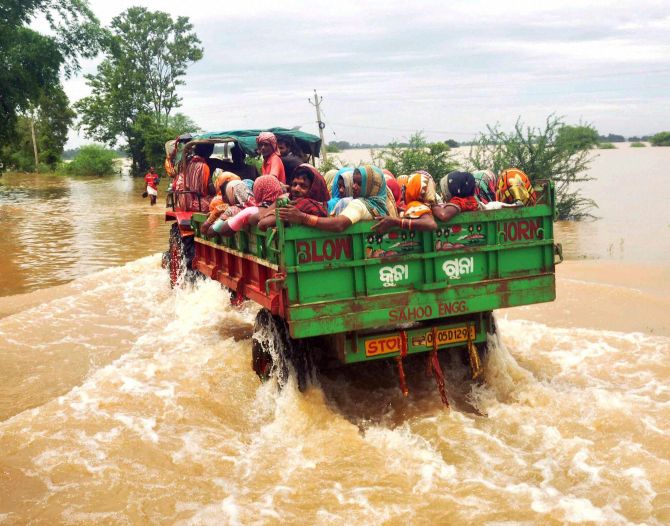 File image Around 400 students, including 150 girls, were left stranded at a government-run residential school in Odisha's Kendrapara district after floodwater entered the campus on Sunday, an official said. The school is located in a low-lying area at Kulasahi village under Penthapala gram panchayat in Pattamundai block. Fresh flooding was reported in several low-lying areas of the district as the Brahmani river was flowing above the danger mark. The district had witnessed flooding barely a fortnight ago. The two-storey school houses around 400 Scheduled Caste and Scheduled Tribe students, including 150 girls. "As the girl students are housed on the ground floor, the local administration has started evacuating them to another residential school at Aul. Motorised boats have been pressed into service for the evacuation," Pattamundai block development officer Sheetal Agarwal said. Around 250 boys staying on the first floor are comparatively safe and are being closely monitored. 
|




Comments
Post a Comment