21.08.2026.Sivaji's Daily.News Untouchable.(English, हिन्दी, தமிழ்,తెలుగు ,ಕನ್ನಡ)Voice of SC.STs,Buddhists,Ambedkar ites,Anti SC.ST atrocity news,Employement news)by Sivaji Ayyayiram.9444917060.asivaji1962@gmail.com.FB.sivaji yoga Tiruvannamalai.x.shivajia479023.


SC/ST Employment News — 21 August 2026
State-wise | English
I checked recruitment information specifically relevant to 21 August 2026, with emphasis on vacancies where SC/ST reservation, age relaxation, fee concession, or explicitly reserved SC/ST posts are available. I have not treated every general job as an SC/ST-specific job.
| State / Region | Employment opportunity | Total posts | SC/ST benefit / reserved posts | Important date |
|---|---|---|---|---|
| Karnataka | Sainik School Kodagu — PGT/TGT/General Employee | 5 | SC: 1; ST: 2. SC/ST fee ₹350 vs ₹500 for General/OBC | Last date 21 Aug; later extended to 11 Sep |
| Madhya Pradesh | MPESB Patwari, Assistant & other posts | 2,306 | SC/ST age relaxation applicable; recruitment includes multiple departments | Application deadline 21 Aug |
| Odisha | Nabarangpur District Court — Junior Clerk, Stenographer, Junior Typist | 15 | ST: 9; SC: 0 in the published vacancy table | Notification 21 Aug; last date 21 Sep |
| Odisha | East Coast Railway Act Apprentices | 1,599 | SC/ST age relaxation applicable | Applications opened 21 Aug; last date 15 Sep |
| Odisha | OPSC Assistant Public Prosecutor | 172 | SC/ST reservation/relaxation as prescribed by Odisha rules | Notification 21 Aug; check OPSC schedule |
| Tamil Nadu | One Stop Centre, Attur — Case Worker/Security Guard | 4 | No application fee for SC/ST | Last date 21 Aug |
| Tamil Nadu | TNSRLM Theni — Manager | — | Government recruitment; category benefits subject to notification | Last date 21 Aug |
| Tamil Nadu | Annamalai University — JRF/Project Fellow etc. | 3 | Category concessions subject to individual notification | Last date 21 Aug |
| Assam | Dhubri DEO/Copyist recruitment | — | SC/ST age relaxation up to 45 years | Walk-in/skill test 21 Aug |
| Karnataka | DC Office Bengaluru — Helper/Cleaner | 142 | SC/ST reservation/relaxation subject to applicable rules | Last date 21 Aug |
| Maharashtra | ICDS Maharashtra Supervisor | 272 | Reservation/category rules apply | Last date 21 Aug |
| All India | IBPS Customer Service Associate/Clerk XVI | 11,403 | SC: 1,910; ST: 942 nationally; SC/ST fee ₹175 | Last date 21 Aug |
1. Karnataka — Sainik School Kodagu: direct SC/ST vacancies
This is one of the strongest SC/ST-specific opportunities identified for 21 August.
Sainik School Kodagu advertised five regular posts:
- PGT Chemistry — 1 ST
- TGT English — 1 SC
- TGT Hindi — 1 ST
- TGT Social Science — 1 OBC
- General Employee — 1 UR
Thus, 3 of the 5 posts were specifically earmarked for SC/ST candidates. The SC/ST application fee was ₹350 compared with ₹500 for General/OBC. The original closing date was 21 August, subsequently extended to 11 September 2026.
Official website:
2. Madhya Pradesh — MPESB: 2,306 posts
The Madhya Pradesh Employees Selection Board recruitment covers Patwari, Assistant Sub-Inspector and several other departmental positions. The application period closed on 21 August 2026. SC/ST candidates receive applicable government-rule age relaxation.
Official website:
3. Odisha — Nabarangpur District Court
A new District Court recruitment was advertised on 21 August 2026 for 15 Group-C posts:
| Post | UR | ST | SC | Total |
|---|---|---|---|---|
| Junior Clerk-cum-Copist | 4 | 6 | — | 10 |
| Stenographer Grade III | 1 | 1 | — | 3 |
| Junior Typist | — | 2 | — | 2 |
| Total | 5 | 9 | — | 15 |
Therefore, 9 of the 15 posts are shown as ST vacancies in the published vacancy table. There is no SC vacancy in that particular recruitment. The application deadline is 21 September 2026, 5:00 PM.
Official website:
4. Odisha — East Coast Railway: 1,599 Apprentices
The Railway Recruitment Cell, Bhubaneswar / East Coast Railway opened applications on 21 August 2026 for 1,599 Act Apprentice positions.
Minimum qualification is generally 10th with 50% + relevant ITI, with SC/ST age relaxation applicable under the recruitment rules. The last date is 15 September 2026.
Official railway recruitment portal:
5. Tamil Nadu — Attur One Stop Centre
The Attur One Stop Centre announced 4 posts:
- Case Worker — 3
- Security Guard — 1
Qualifications range from 10th/12th to BSW/MSW, depending on the post. Importantly for this bulletin, the recruitment information states no application fee for SC/ST candidates. The last date was 21 August 2026.
Official district website:
6. Assam — Dhubri recruitment
A Dhubri recruitment involving DEO/Copyist work had a walk-in/skill test on 21 August 2026. The cited recruitment information provides an upper-age limit of 45 years for SC/ST candidates, compared with the lower general limit.
7. All India — IBPS Clerk/Customer Service Associate
This was a particularly important national opportunity on 21 August.
IBPS CSA-XVI: 11,403 posts
The national category distribution reported was:
- SC — 1,910
- ST — 942
- OBC — 2,815
- EWS — 996
- UR — 4,740
SC/ST/PwBD candidates were eligible for the reduced ₹175 application fee, while the general fee was ₹850. The application deadline was 21 August 2026.
Official website:
Key SC/ST employment highlights — 21 August 2026
Highest explicitly reserved SC/ST opportunity:
➡️ Sainik School Kodagu — 3 SC/ST posts out of 5.
Largest apprenticeship opportunity:
➡️ East Coast Railway — 1,599 apprentices, with SC/ST age relaxation.
Largest national recruitment:
➡️ IBPS CSA — 11,403 posts, including 1,910 SC + 942 ST nationally.
Largest MP recruitment:
➡️ MPESB — 2,306 posts, with SC/ST age relaxation.
Strong Odisha ST opportunity:
➡️ Nabarangpur District Court — 9 ST posts out of 15.
Tamil Nadu SC/ST fee benefit:
➡️ Attur One Stop Centre — SC/ST application fee ₹0.
Caution: For an SC/ST employment bulletin, it is important to distinguish reserved vacancies from ordinary vacancies where SC/ST candidates merely receive age relaxation or fee exemption. The figures above are presented separately for that reason.

🇮🇳 UT NEWS — BUDDHIST NEWS OF INDIA
Date: 21 August 2026
State-wise | English • தமிழ் • తెలుగు • हिन्दी • ಕನ್ನಡ
I checked current web results specifically for 21 August 2026. The number of genuinely Buddhist-specific reports published on that exact date is limited, so I have not invented state-wise stories. The following bulletin includes verified developments and clearly identifies items where the report concerns Buddhist heritage, pilgrimage, Tibetan Buddhist activity, or Buddhist cultural affairs.
1. बिहार — BIHAR
English:
Bodh Gaya Temple Management Committee notification delayed. On 21 August, a report said the Bihar government had not yet notified the new Bodh Gaya Temple Management Committee after the previous committee's tenure ended on 16 August. This was significant because the 2026–27 Buddhist spiritual calendar was scheduled to begin on 27 August, with 37 events planned.
தமிழ்:
போத்கயா கோயில் நிர்வாகக் குழு அறிவிப்பு தாமதம். முந்தைய குழுவின் பதவிக்காலம் ஆகஸ்ட் 16 அன்று முடிந்த நிலையில், புதிய போத்கயா கோயில் நிர்வாகக் குழுவை பீகார் அரசு இன்னும் அறிவிக்கவில்லை. 2026–27 புத்த சமய ஆன்மிக காலண்டர் ஆகஸ்ட் 27 அன்று தொடங்க உள்ளதால் இந்த தாமதம் முக்கியத்துவம் பெற்றுள்ளது.
తెలుగు:
బోధ్ గయ ఆలయ నిర్వహణ కమిటీ ప్రకటనలో జాప్యం. పాత కమిటీ పదవీకాలం ఆగస్టు 16న ముగిసినప్పటికీ, కొత్త బోధ్ గయ ఆలయ నిర్వహణ కమిటీని బీహార్ ప్రభుత్వం ఇంకా ప్రకటించలేదు. 2026–27 బౌద్ధ ఆధ్యాత్మిక క్యాలెండర్ ఆగస్టు 27న ప్రారంభం కానున్న నేపథ్యంలో ఈ జాప్యం ప్రాధాన్యం సంతరించుకుంది.
हिन्दी:
बोधगया मंदिर प्रबंधन समिति के गठन में देरी। पिछली समिति का कार्यकाल 16 अगस्त को समाप्त हो गया, लेकिन बिहार सरकार ने नई बोधगया मंदिर प्रबंधन समिति की अधिसूचना अभी तक जारी नहीं की थी। 2026–27 का बौद्ध आध्यात्मिक कैलेंडर 27 अगस्त से शुरू होना है।
ಕನ್ನಡ:
ಬೋಧಗಯಾ ದೇವಾಲಯ ನಿರ್ವಹಣಾ ಸಮಿತಿ ರಚನೆಯಲ್ಲಿ ವಿಳಂಬ. ಹಿಂದಿನ ಸಮಿತಿಯ ಅವಧಿ ಆಗಸ್ಟ್ 16ರಂದು ಮುಗಿದಿದ್ದರೂ, ಹೊಸ ಬೋಧಗಯಾ ದೇವಾಲಯ ನಿರ್ವಹಣಾ ಸಮಿತಿಯನ್ನು ಬಿಹಾರ ಸರ್ಕಾರ ಇನ್ನೂ ಅಧಿಸೂಚಿಸಿಲ್ಲ. 2026–27ರ ಬೌದ್ಧ ಆಧ್ಯಾತ್ಮಿಕ ಕ್ಯಾಲೆಂಡರ್ ಆಗಸ್ಟ್ 27ರಿಂದ ಆರಂಭವಾಗಲಿದೆ.
2. उत्तर प्रदेश — UTTAR PRADESH
English:
Tibetan Buddhist parliamentary delegation in Varanasi. Tibetan Parliament-in-Exile parliamentarians Lopon Thubten Gyaltsen and Sonam Norbu Ratsa arrived in Varanasi on 21 August after visiting Bodh Gaya. Their programme included the Central Institute of Higher Tibetan Studies and meetings with academic staff and students.
தமிழ்:
வாரணாசியில் திபெத்திய புத்த சமய நாடாளுமன்ற பிரதிநிதிகள். லோபோன் துப்டென் கியால்ட்சென் மற்றும் சோனம் நார்பு ராட்சா ஆகிய திபெத்திய நாடாளுமன்ற பிரதிநிதிகள் ஆகஸ்ட் 21 அன்று போத்கயாவிலிருந்து வாரணாசி சென்றனர். மத்திய உயர் திபெத்திய கல்வி நிறுவனத்திற்கும் அவர்கள் சென்றனர்.
తెలుగు:
వారణాసిలో టిబెటన్ బౌద్ధ ప్రతినిధుల పర్యటన. టిబెటన్ పార్లమెంట్-ఇన్-ఎగ్జైల్ సభ్యులు లోపోన్ థుబ్టెన్ గ్యాల్ట్సెన్, సోనం నోర్బు రాట్సా ఆగస్టు 21న బోధ్ గయా నుంచి వారణాసికి చేరుకున్నారు. వారు సెంట్రల్ ఇన్స్టిట్యూట్ ఆఫ్ హయ్యర్ టిబెటన్ స్టడీస్ను సందర్శించారు.
हिन्दी:
वाराणसी में तिब्बती बौद्ध प्रतिनिधिमंडल। तिब्बती संसद-निर्वासित के प्रतिनिधि लोपोन थुबतेन ग्याल्त्सेन और सोनम नोरबू रत्सा 21 अगस्त को बोधगया के बाद वाराणसी पहुँचे। उन्होंने केंद्रीय उच्च तिब्बती अध्ययन संस्थान का दौरा किया और शिक्षकों तथा विद्यार्थियों से संवाद किया।
ಕನ್ನಡ:
ವಾರಾಣಸಿಯಲ್ಲಿ ಟಿಬೆಟಿಯನ್ ಬೌದ್ಧ ಪ್ರತಿನಿಧಿಗಳ ಭೇಟಿ. ಟಿಬೆಟಿಯನ್ ಪಾರ್ಲಿಮೆಂಟ್-ಇನ್-ಎಕ್ಸೈಲ್ ಸದಸ್ಯರಾದ ಲೋಪೋನ್ ತುಬ್ಟೆನ್ ಗ್ಯಾಲ್ಟ್ಸೆನ್ ಮತ್ತು ಸೋನಂ ನೊರ್ಬು ರಾಟ್ಸಾ ಆಗಸ್ಟ್ 21ರಂದು ಬೋಧಗಯಾದ ನಂತರ ವಾರಾಣಸಿಗೆ ಆಗಮಿಸಿದರು. ಅವರು ಸೆಂಟ್ರಲ್ ಇನ್ಸ್ಟಿಟ್ಯೂಟ್ ಆಫ್ ಹೈಯರ್ ಟಿಬೆಟಿಯನ್ ಸ್ಟಡೀಸ್ಗೆ ಭೇಟಿ ನೀಡಿದರು.
3. ARUNACHAL PRADESH
English:
Union Minister Kiren Rijiju's 21 August message to Arunachal Pradesh Chief Minister Pema Khandu invoked Lord Buddha's blessings, reflecting the importance of Buddhist cultural identity in the state.
தமிழ்:
அருணாசலப் பிரதேச முதலமைச்சர் பெமா காண்டுவுக்கு ஆகஸ்ட் 21 அன்று மத்திய அமைச்சர் கிரண் ரிஜிஜு வாழ்த்து தெரிவித்தார். அந்தச் செய்தியில் புத்தரின் அருள் குறிப்பிடப்பட்டது; இது மாநிலத்தின் புத்த கலாச்சார அடையாளத்தை பிரதிபலிக்கிறது.
తెలుగు:
అరుణాచల్ ప్రదేశ్ ముఖ్యమంత్రి పెమా ఖండుకు కేంద్ర మంత్రి కిరణ్ రిజిజు ఆగస్టు 21న శుభాకాంక్షలు తెలిపారు. ఆయన సందేశంలో బుద్ధుని ఆశీస్సులు ప్రస్తావించబడ్డాయి.
हिन्दी:
अरुणाचल प्रदेश के मुख्यमंत्री पेमा खांडू को केंद्रीय मंत्री किरेन रिजिजू ने 21 अगस्त को शुभकामनाएँ दीं और अपने संदेश में भगवान बुद्ध के आशीर्वाद का उल्लेख किया।
ಕನ್ನಡ:
ಅರುಣಾಚಲ ಪ್ರದೇಶದ ಮುಖ್ಯಮಂತ್ರಿ ಪೆಮಾ ಖಂಡು ಅವರಿಗೆ ಕೇಂದ್ರ ಸಚಿವ ಕಿರಣ್ ರಿಜಿಜು ಆಗಸ್ಟ್ 21ರಂದು ಶುಭಾಶಯ ಕೋರಿದರು. ಅವರ ಸಂದೇಶದಲ್ಲಿ ಭಗವಾನ್ ಬುದ್ಧನ ಆಶೀರ್ವಾದವನ್ನು ಉಲ್ಲೇಖಿಸಲಾಯಿತು.
4. LADAKH
English:
Ladakh continues to be an important centre of Tibetan Buddhist religious activity. Current 2026 reporting also highlights sacred Buddha relic exhibitions and monastic activity in the region.
தமிழ்:
லடாக் தொடர்ந்து திபெத்திய புத்த சமயத்தின் முக்கிய மையமாக உள்ளது. 2026ஆம் ஆண்டின் செய்திகளில் புத்தரின் புனித நினைவுச் சின்னங்கள் மற்றும் மடாலய நடவடிக்கைகள் தொடர்பான நிகழ்வுகள் குறிப்பிடப்பட்டுள்ளன.
తెలుగు:
లడఖ్ టిబెటన్ బౌద్ధ ఆధ్యాత్మిక కార్యకలాపాలకు ముఖ్య కేంద్రంగా కొనసాగుతోంది. 2026లో బుద్ధుని పవిత్ర అవశేషాల ప్రదర్శనలు, మఠాల కార్యక్రమాలు ప్రాధాన్యం పొందాయి.
हिन्दी:
लद्दाख तिब्बती बौद्ध धार्मिक गतिविधियों का महत्वपूर्ण केंद्र बना हुआ है। 2026 में भगवान बुद्ध के पवित्र अवशेषों की प्रदर्शनी और मठों से जुड़ी गतिविधियाँ भी सामने आई हैं।
ಕನ್ನಡ:
ಲಡಾಖ್ ಟಿಬೆಟಿಯನ್ ಬೌದ್ಧ ಧಾರ್ಮಿಕ ಚಟುವಟಿಕೆಗಳ ಪ್ರಮುಖ ಕೇಂದ್ರವಾಗಿದೆ. 2026ರಲ್ಲಿ ಬುದ್ಧನ ಪವಿತ್ರ ಅವಶೇಷಗಳ ಪ್ರದರ್ಶನಗಳು ಮತ್ತು ಮಠಗಳ ಚಟುವಟಿಕೆಗಳು ಗಮನ ಸೆಳೆದಿವೆ.
5. DELHI — NATIONAL BUDDHIST NEWS
English:
The International Buddhist Confederation (IBC) and the Ministry of Culture remain important national institutions promoting Buddhist cooperation and heritage. The 2026 Global Buddhist Summit was organised in New Delhi in January, bringing Buddhist organisations together around collective wisdom, coexistence and peace.
தமிழ்:
சர்வதேச புத்த சமயக் கூட்டமைப்பு (IBC) மற்றும் மத்திய கலாச்சார அமைச்சகம் இந்தியாவில் புத்த சமய ஒத்துழைப்பு மற்றும் பாரம்பரியத்தை முன்னெடுத்து வருகின்றன. 2026 உலக புத்த சமய உச்சி மாநாடு ஜனவரியில் புதுதில்லியில் நடைபெற்றது.
తెలుగు:
ఇంటర్నేషనల్ బౌద్ధ కాన్ఫెడరేషన్ (IBC) మరియు కేంద్ర సాంస్కృతిక మంత్రిత్వ శాఖ బౌద్ధ వారసత్వం, సహకారం మరియు శాంతిని ప్రోత్సహిస్తున్నాయి. 2026 గ్లోబల్ బౌద్ధ సమ్మిట్ జనవరిలో న్యూఢిల్లీలో జరిగింది.
हिन्दी:
इंटरनेशनल बुद्धिस्ट कॉन्फेडरेशन (IBC) और संस्कृति मंत्रालय भारत में बौद्ध विरासत तथा अंतरराष्ट्रीय बौद्ध सहयोग को बढ़ावा दे रहे हैं। 2026 का ग्लोबल बुद्धिस्ट समिट जनवरी में नई दिल्ली में आयोजित किया गया।
ಕನ್ನಡ:
ಇಂಟರ್ನ್ಯಾಷನಲ್ ಬುದ್ಧಿಸ್ಟ್ ಕಾನ್ಫೆಡರೇಷನ್ (IBC) ಮತ್ತು ಸಂಸ್ಕೃತಿ ಸಚಿವಾಲಯವು ಬೌದ್ಧ ಪರಂಪರೆ ಹಾಗೂ ಅಂತರರಾಷ್ಟ್ರೀಯ ಬೌದ್ಧ ಸಹಕಾರವನ್ನು ಉತ್ತೇಜಿಸುತ್ತಿವೆ. 2026ರ ಗ್ಲೋಬಲ್ ಬುದ್ಧಿಸ್ಟ್ ಸಮಿಟ್ ಜನವರಿಯಲ್ಲಿ ನವದೆಹಲಿಯಲ್ಲಿ ನಡೆಯಿತು.
📰 UT NEWS — 21.08.2026 KEY HEADLINES
| State/Region | Buddhist development on/around 21 Aug 2026 |
|---|---|
| Bihar | Bodh Gaya Temple Management Committee notification delayed |
| Uttar Pradesh | Tibetan Buddhist parliamentary delegation visits Varanasi |
| Arunachal Pradesh | Buddhist cultural identity highlighted in public message |
| Ladakh | Tibetan Buddhist religious/heritage activities |
| Delhi | National-level Buddhist cooperation through IBC and Ministry of Culture |
| Maharashtra | Major Ambedkarite-Buddhist cultural centre; no sufficiently verified 21-Aug report found |
| Telangana | Buddhist heritage/tourism significance, including Buddhavanam; no sufficiently verified 21-Aug report found |
| Andhra Pradesh | Amaravati/Nagarjunakonda Buddhist heritage; no sufficiently verified 21-Aug report found |
| Karnataka | Tibetan Buddhist/monastic heritage, including Mundgod; no sufficiently verified 21-Aug report found |
| Tamil Nadu | Buddhist heritage activity; no sufficiently verified 21-Aug report found |
Editorial note: I have deliberately marked states where I could not verify a substantive Buddhist news report dated 21 August 2026, rather than presenting older or unrelated material as that day's news. The strongest exact-date reports I found are from Bihar and Uttar Pradesh, with additional Buddhist-cultural references for Arunachal Pradesh and the national/Tibetan Buddhist sphere.


The women India continues to ignore
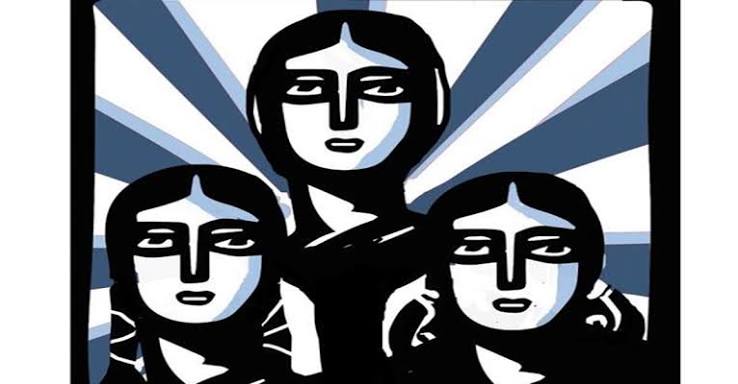
It is 76 years into the adoption of the Indian Constitution. However, the fundamental promises of equality and dignity remain elusive for many communities – none more so than Dalit women. What is even starker is the sheer indifference of institutions towards their plight. This piece aims to highlight how the understanding of “women” does not mechanically encompass Dalit women and accentuate the underlying forces that precludes the empowerment of women from the most downtrodden sections of Indian society.
The year 2024 will long be infamous for the gruesome rape and murder of a young doctor at the RG Kar Medical College in Kolkata. It rightfully sparked nationwide outrage and sustained public mobilisation. Yet around the same time a 14-year-old Dalit girl was gang raped, mutilated and murdered in Bihar’s Muzaffarpur district for refusing a marriage proposal from the prime accused. The alleged perpetrator was a 45-year old man from the dominant Yadav caste. Her story barely entered the national consciousness. The paradox is an uncomfortable reality: in India, violence against women does not evoke equal public concern. The visibility of a victim’s suffering is often mediated by caste. When there were nationwide candlelight marches and protests across the country against rape of Nirbhaya in 2014, Dalit scholars mourned the lack of similar uproar by the nation against the Khairlanji atrocity. In 2006, Surekha Bhotmange and her three children were brutally attacked and killed by dominant-caste villagers in Maharashtra’s Khairlanji village, after she resisted encroachment on her land. The dominant castes dragged Surekha, her daughter and two sons out of their home, paraded naked, raped and lynched them. Burnt charcoals were inserted into the private organs of the women. Most horrifyingly, the perpetrators included participation of Caste-Hindu women. However, it was more than a week before the Khairlanji massacre received coverage in the print media.
When India’s speaks of women’s rights, it often collapses all women into a single box. In the meanwhile, it ignores the distinct and compounded forms of suppression endured by lower-caste women. The tragedy is – Dalit women are invisible not because they are women but because they sit at the intersection of caste, gender and poverty.
The Nation’s selective outrage and Yashika Dutt
Lower-caste women are raped in what appears to be more of an organised and systemic way. Dalit women are raped whenever they or the men of their community are seen as transgressing the caste hierarchy as evidenced by the Khairlanji rapes and murders in 2006 and the prevalent devadasi/jogini practices (temple prostitution).
Dalit women experience caste violence aimed at controlling and monitoring their sexuality as their bodies are symbols of honour and caste authority and their exploitation has been justified by their lower social status. Dutt has noted – “every time a Dalit woman is assaulted, abused, raped or murdered, her caste matters. Even if she was not raped simply because she is Dalit, the conditions that lead to her assault are almost always affected by her status as lower-caste woman in an upper-caste male-dominated society”.
Unfortunately, this is palpable in the context of public outrage – rapes, and murders of Dalit women rarely make headlines. This closely resonates with the mainstream media’s conspicuous apathy in covering the struggle for the most basic human rights in Manipur. The refusal of institutions to recognise the dehumanizing ordeal of Dalit women compounds psychological harm. Coverage of caste-based sexual violence is often episodic, with sustained public attention reserved for only a handful of extreme cases – the Hathras case of 2020 being one of them – where a 19-year old Dalit girl was gang raped and murdered in Uttar Pradesh’s Hathras district.
The erasure of caste trauma from public discourse compels survivors to internally bear harms that are rooted in structural discrimination and require collective reckoning. The accounts and experiences of the Dalit women get obscured within the folds of the dominant narratives.
The Protectors Are Perpetrators
The Constitution guarantees equality, dignity and protection against caste discrimination. Yet Dalit women continue to experience sexual violence not merely because of social prejudices (to which the Indian female population is generally subjected to) but because the very foundational institution of the criminal justice system systematically fails them. As very little information or government data concerning the particular situation of Dalit women in India is available, I will rely on the commendable ground work done by the People’s Archive of Rural India (PARI) and the Swabhiman Society.
Many incidents of sexual violence and rape against Dalit women that should be registered under the Scheduled Castes and Scheduled Tribes (Prevention of Atrocities) Act are not recorded as such by the Police. This has been attributed to political pressure seeking to project a decline in caste-based atrocities in order to exhibit their purported commitment to the appeasement rhetoric of cracking down on caste-based atrocities. Survivors of sexual violence, Dalit women and girls are silenced through threats by dominant castes. The constitutionally invalid Khap Panchayats often have an upper hand in refraining the victim families to report such instances.
The most precarious fact about violence against lower caste women is the complicity of the administration. The police, a part of the state machinery, has been reported to decline the registration of complaints. Charges are not filed because the case is designated as false by the police. The authorities often belonging to the dominant upper caste shout caste-based slurs and sexist remarks. They take money from the financially influential accused persons and direct the evidence in their favour. In the Hathras Rape case in 2020, the girl’s brother testified that no arrest was made by the police even after 10 days of the incident was reported. A 15-year-old Dalit girl who was gang raped by security personnel in Odisha was incessantly threatened, harassed and lured by the police to say that she had not been raped by security personnel but by other local persons. When she refused to put up with the falsehood, her medical examination was re-done to obliterate any evidence of rape. Three months later, she committed suicide and, that she was raped, was written in the suicide note. The sanction and continuation of these forms of sexual violence come from the powerful kinship networks, beginning with the families of dominant caste groups. These networks extend to the local governance, as well as the police and legal systems.
The regressive and ignominious two-finger test that has been ruled out by the Supreme Court of India is still used for the medico-legal examination of the Dalit victims. Survivors are often not provided with a copy of the medical examination report, or the families of the dead (in cases of murder) are not provided with the post-mortem reports. These are tampered with by the state authorities to show lack of evidence.
The incitement to declare oneself the subject of violation is the first step in seeking recognition and redress. This requires strategic enactment of a perception about law- one must act as if legal structures are capable of delivering justice once the harm is presented in familiar legal vocabulary. Thus, the police being the first rung of the criminal justice system, it remains to be seen how can laws instil faith in the Dalit women that the justice system is alive and will come to their rescue.
Women, Dalit women, Rege[1] and Bama[2]
The author’s assertion that addressing women does not mechanically translate into engaging with Dalit women is aptly substantiated by Sharmila Rege. She pointed out that the category ‘woman’ was conceived as collectively, based on their being oppressed by the fact of their womanhood. The three categories were deployed in combination and this often led to exclusions around race, class and ethnicity. Since most of the vocal feminists of the 1970s were white, middle class and university educated – it was their experience which came to be universalised a ‘women’s experience’.
Bama remarked “All women in the world are second class citizens. For Dalit women, the problem is grave. Their Dalit identity gives them a different set of problems. They experience a total lack of social status; they are not even considered dignified human being.” They must endure triple oppression – class, caste and gender.
Today, the plight is such that Dalit women constitute one of the most vulnerable and marginalised groups within India’s female population. They suffer from, what is called the triple burden of gender bias, caste discrimination, and economic deprivation. They are more susceptible to sexual violence due to their caste than other women. Experts write that the bodies of Dalit women are weaponised maintain and perpetuate the status quo – the oppression and subjugation of Dalit. Uma Chakravarti wrote that violence is inflicted on Dalit women’s bodies as a means of controlling caste dominance and maintaining caste purity. Lower-caste women have been denied the right to seek justice for sexual violence as it is often considered that they have no honour to be stolen.
Politics and Casteism in India
B.R. Ambedkar observed that the caste system can be maintained only through the constraints on women’s sexuality and in this way, women are the gateways to the caste. Sexual violence against Dalit women perpetuates and entrenches casteism in the Indian society. It is indeed ironical how such violence continues seventy-five years after the Constitution promised equality? This crisis is almost out of the mainstream political discourse. Caste-based sexual violence has occupied a relatively limited place in the election manifestos of major national parties compared to other issues.
The highest rates of crimes committed against Dalits (NCRB, 2019) were in Rajasthan, Madhya Pradesh, Bihar and Gujarat. The others with rates above the national average were Telangana, UP, Kerala, Odisha and Andhra Pradesh. Remarkably, despite the pervasiveness of the menace across States in India, violence against Dalit women finds no mention in the manifesto of the ruling party in power in most of the above-mentioned States or the Indian National Congress (INC) (in power in Telangana and leading the UDF in Kerala) and cursory treatment in the manifesto of the CPI(M) (leading the LDF as the opposition in Kerala). The reason why I found it relevant to refer to the election manifestos of the political parties is because they are instructive in revealing the manner in which political institutions conceptualise and more importantly, fail to conceptualise violence against Dalit women.
The belief that reforms aimed at women as a homogenous category will inevitably serve the needs of lower-caste women is merely a façade. Neither women nor Dalits are a monolithic category. Violence perpetrated on Dalit women is a structural and intersectional menace. The rhetorical commitments to do away with “caste-based violence” or “gender-related crimes” or “women empowerment” or “Dalit atrocities” does not per se address the plight of Dalit or lower-caste women. Today, Dalit women are a more vulnerable constituency within Indian women, whose experiences cannot be comprehended through a universalised lens of womanhood. In India’s caste-ridden society, upper-caste women are bestowed with greater honour, whereas the bodies of Dalit, Adivasi, and lower-caste women are considered impure and sexually accessible to dominant caste-groups. None of the existing frameworks in India are equipped to undo centuries of inherited stigma.
Promises of political representation or reservation or economic empowerment of women through financial inclusion do not even superficially cater to the misery of the lower caste women. The perception that empowerment of women is assured through economic means abandons the idea of emancipation of the lower caste women as the latter is not possible without meticulously studying the specificities of their subordination. South India is a testament to this assertion. Higher literacy rates, positive indicators of economic development and other manifestations of modernisation have miserably failed to eradicate the blot of casteism. To borrow from Mema Chongtham, “a mirage of equality only shields prejudice, giving a lifeline to discrimination behind a façade of civility.”
Conclusion – Listen to them
Given the now proven ineptitude of governments across successive administrations and States in meaningfully assuaging the plight of Dalit women, it must now directly turn towards the lower caste women and ask – What do you need? What do you want? What do you think will help you in rising? How can the State actually support you? It is imperative for the Government to pay heed to the voices and recommendations of the Dalit women organisations, who have much more nuanced understanding of the community.
There is a need to lift them from menial jobs like manual scavenging and transform them into producers in the workforce. Dalit women are almost invisible in public life and positions of power. Though no data is publicly available on the representation of Dalit judges in High Courts and the lower judiciary, Parliamentary Committees, Commissions and high-level government officials have acknowledged the issue of acute lack of caste diversity in the justice system needs to be immediately addressed. Years of oppression and subjugation has obliterated the very confidence of lower caste women in their being. They need tangible beacons of hope to enable and equip themselves.
In my very personal opinion, though I have been generally hesitant in the deliberation over Indian issues in the international arena, it is precisely these factors that propel me to concur with what Dr. Shiv Visvanathan, a prominent social scientist, known for the concept of cognitive justice who wrote, – “One is forced to manoeuvre for international attention because only external politics might be able to leverage current paradigms”.
Tiyasha Chakraborty
(The author, as student of law at the Symbiosis Law School, Pune and is grateful to Dr Ankita Chatterjee for her invaluable insights and guidance, that significantly informed and enriched this article)
Courtesy : Sabrang India
இந்தியா தொடர்ந்து புறக்கணிக்கும் பெண்கள்
இந்திய அரசியலமைப்புச் சட்டம் இயற்றப்பட்டு 76 ஆண்டுகள் ஆகின்றன. இருப்பினும், சமத்துவம் மற்றும் கண்ணியம் குறித்த அடிப்படை வாக்குறுதிகள் பல சமூகங்களுக்கு, குறிப்பாக தலித் பெண்களுக்கு, இன்னும் எட்டாக்கனியாகவே உள்ளன. இதைவிடவும் அதிர்ச்சியளிப்பது, அவர்களின் அவலநிலையின் மீது நிறுவனங்கள் காட்டும் அப்பட்டமான அலட்சியமே. 'பெண்கள்' என்ற வரையறை, தலித் பெண்களை இயந்திரத்தனமாக உள்ளடக்குவதில்லை என்பதை எடுத்துக்காட்டுவதையும், இந்திய சமூகத்தின் மிகவும் நலிவடைந்த பிரிவுகளைச் சேர்ந்த பெண்களின் அதிகாரமளித்தலைத் தடுக்கும் அடிப்படைக் காரணிகளை வலியுறுத்துவதையும் இந்தக் கட்டுரை நோக்கமாகக் கொண்டுள்ளது.
கொல்கத்தாவில் உள்ள ஆர்.ஜி. கர் மருத்துவக் கல்லூரியில் ஒரு இளம் மருத்துவர் கொடூரமாகப் பாலியல் வன்கொடுமை செய்யப்பட்டு கொலை செய்யப்பட்ட சம்பவத்தால், 2024 ஆம் ஆண்டு நீண்ட காலத்திற்கு அவப்பெயர் பெறும். அது நியாயமாகவே நாடு தழுவிய சீற்றத்தையும், நீடித்த மக்கள் திரட்டலையும் தூண்டியது. ஆனாலும், ஏறக்குறைய அதே நேரத்தில், பீகாரின் முசாஃபர்பூர் மாவட்டத்தில், முக்கியக் குற்றவாளியின் திருமணப் பிரேரணையை மறுத்ததற்காக, 14 வயது தலித் சிறுமி ஒருவர் கூட்டுப் பாலியல் வன்கொடுமை செய்யப்பட்டு, சிதைக்கப்பட்டு, கொலை செய்யப்பட்டார். குற்றம் சாட்டப்பட்டவர், ஆதிக்க யாதவ் சாதியைச் சேர்ந்த 45 வயது ஆண் ஆவார். அவளது கதை தேசிய அளவில் பெரிதாக எடுபடவில்லை. இந்த முரண்பாடு ஒரு சங்கடமான யதார்த்தம்: இந்தியாவில், பெண்களுக்கு எதிரான வன்முறைக்கு சமமான பொது அக்கறை ஏற்படுவதில்லை. பாதிக்கப்பட்டவரின் துன்பம் வெளிப்படுவது பெரும்பாலும் சாதியின் அடிப்படையிலேயே தீர்மானிக்கப்படுகிறது. 2014-ல் நிர்பயாவின் பாலியல் வன்கொடுமைக்கு எதிராக நாடு தழுவிய மெழுகுவர்த்தி ஏந்திப் பேரணிகளும் போராட்டங்களும் நடந்தபோது, கைர்லான்ஜி அட்டூழியத்திற்கு எதிராக தேசத்தில் அதுபோன்ற ஒரு பெரும் எதிர்ப்பு எழாதது குறித்து தலித் அறிஞர்கள் வருந்தினர். 2006-ஆம் ஆண்டில், மகாராஷ்டிராவின் கைர்லாஞ்சி கிராமத்தில், தனது நிலம் ஆக்கிரமிக்கப்பட்டதை எதிர்த்த சுரேகா போட்மங்கே மற்றும் அவரது மூன்று பிள்ளைகள், ஆதிக்க சாதியைச் சேர்ந்த கிராமவாசிகளால் கொடூரமாகத் தாக்கப்பட்டு கொல்லப்பட்டனர். ஆதிக்க சாதியினர் சுரேகா, அவரது மகள் மற்றும் இரண்டு மகன்களை அவர்களது வீட்டிலிருந்து வெளியே இழுத்துச் சென்று, நிர்வாணமாக ஊர்வலம் அழைத்துச் சென்று, பாலியல் வன்கொடுமை செய்து, பின்னர் அடித்துக் கொன்றனர். பெண்களின் அந்தரங்க உறுப்புகளில் எரிந்த கரித்துண்டுகள் செருகப்பட்டன. மிகவும் கொடூரமாக, இந்தக் குற்றங்களில் சாதி-இந்துப் பெண்களும் பங்கேற்றிருந்தனர். இருப்பினும், கைர்லாஞ்சி படுகொலை அச்சு ஊடகங்களில் வெளிவர ஒரு வாரத்திற்கும் மேலாக ஆனது.
இந்தியா பெண்களின் உரிமைகளைப் பற்றிப் பேசும்போது, அது பெரும்பாலும் அனைத்துப் பெண்களையும் ஒரே வட்டத்திற்குள் சுருக்கிவிடுகிறது. அதே சமயம், தாழ்த்தப்பட்ட சாதிப் பெண்கள் அனுபவிக்கும் தனித்துவமான மற்றும் சிக்கலான அடக்குமுறைகளை அது புறக்கணிக்கிறது. துயரம் என்னவென்றால் – தலித் பெண்கள், அவர்கள் பெண்கள் என்பதால் கண்ணுக்குத் தெரியாதவர்களாக இல்லை; மாறாக, அவர்கள் சாதி, பாலினம் மற்றும் வறுமை ஆகியவற்றின் சந்திப்புப் புள்ளியில் இருப்பதால் கண்ணுக்குத் தெரியாதவர்களாக இருக்கிறார்கள்.
தேசத்தின் பாரபட்சமான சீற்றமும் யாஷிகா தத்தும்
தாழ்த்தப்பட்ட சாதிப் பெண்கள் மிகவும் திட்டமிட்ட மற்றும் முறையான வழியில் பாலியல் வன்கொடுமைக்கு உள்ளாக்கப்படுகிறார்கள். தலித் பெண்களோ அல்லது அவர்களின் சமூகத்தைச் சேர்ந்த ஆண்களோ சாதிப் படிநிலையை மீறுவதாகக் கருதப்படும்போதெல்லாம் அவர்கள் பாலியல் வன்கொடுமைக்கு உள்ளாக்கப்படுகிறார்கள். 2006-ஆம் ஆண்டு நடந்த கைர்லாஞ்சி பாலியல் வன்கொடுமைகள் மற்றும் கொலைகள், மற்றும் பரவலாகக் காணப்படும் தேவதாசி/ஜோகினி நடைமுறைகள் (கோயில் விபச்சாரம்) இதற்குச் சான்றாகும்.
தலித் பெண்களின் உடல்கள் கௌரவம் மற்றும் சாதி அதிகாரத்தின் சின்னங்களாகக் கருதப்படுவதாலும், அவர்களின் தாழ்ந்த சமூக அந்தஸ்து காரணமாக அவர்களின் சுரண்டல் நியாயப்படுத்தப்படுவதாலும், அவர்களின் பாலியல் தன்மையைக் கட்டுப்படுத்தவும் கண்காணிக்கவும் நோக்கமாகக் கொண்ட சாதி வன்முறையை அவர்கள் அனுபவிக்கின்றனர். தத் குறிப்பிட்டுள்ளார் – “ஒவ்வொரு முறையும் ஒரு தலித் பெண் தாக்கப்படும்போதும், துன்புறுத்தப்படும்போதும், பாலியல் வன்கொடுமைக்கு உள்ளாக்கப்படும்போதும் அல்லது கொலை செய்யப்படும்போதும், அவரது சாதி ஒரு காரணியாகிறது. அவர் தலித் என்பதால் மட்டும் பாலியல் வன்கொடுமைக்கு உள்ளாக்கப்படவில்லை என்றாலும், உயர் சாதி, ஆண் ஆதிக்கம் நிறைந்த சமூகத்தில் ஒரு தாழ்ந்த சாதிப் பெண் என்ற அவரது அந்தஸ்தால்தான், அவர் மீதான தாக்குதலுக்கு வழிவகுக்கும் சூழல்கள் பெரும்பாலும் பாதிக்கப்படுகின்றன”.
துரதிர்ஷ்டவசமாக, பொதுமக்களின் சீற்றத்தின் பின்னணியில் இது தெளிவாகத் தெரிகிறது – தலித் பெண்கள் மீதான பாலியல் வன்கொடுமைகளும், கொலைகளும் அரிதாகவே தலைப்புச் செய்திகளாகின்றன. மணிப்பூரில் மிக அடிப்படையான மனித உரிமைகளுக்கான போராட்டத்தை செய்தியாக்குவதில் பிரதான ஊடகங்கள் காட்டும் வெளிப்படையான அக்கறையின்மையுடன் இது நெருக்கமாக ஒத்துப் போகிறது. தலித் பெண்கள் அனுபவிக்கும் மனிதாபிமானமற்ற கொடுமைகளை அங்கீகரிக்க நிறுவனங்கள் மறுப்பது, உளவியல் ரீதியான பாதிப்பை மேலும் அதிகரிக்கிறது. சாதி அடிப்படையிலான பாலியல் வன்முறை குறித்த செய்திகள் பெரும்பாலும் அவ்வப்போதைய நிகழ்வுகளாகவே உள்ளன; ஒரு சில தீவிரமான வழக்குகளுக்கு மட்டுமே தொடர்ச்சியான பொது கவனம் செலுத்தப்படுகிறது – உத்தரப் பிரதேசத்தின் ஹத்ராஸ் மாவட்டத்தில் 19 வயது தலித் பெண் ஒருவர் கூட்டுப் பாலியல் வன்கொடுமைக்கு உள்ளாக்கப்பட்டு கொலை செய்யப்பட்ட 2020-ஆம் ஆண்டின் ஹத்ராஸ் வழக்கு அவற்றில் ஒன்றாகும்.
பொது விவாதங்களிலிருந்து சாதியத் துயரங்கள் மறைக்கப்படுவது, கட்டமைப்பு ரீதியான பாகுபாட்டில் வேரூன்றியதும், கூட்டுத் தீர்வு தேவைப்படுவதுமான பாதிப்புகளைத் பாதிக்கப்பட்டவர்களைத் தங்களுக்குள்ளேயே தாங்கிக்கொள்ளக் கட்டாயப்படுத்துகிறது. தலித் பெண்களின் பதிவுகளும் அனுபவங்களும் ஆதிக்கக் கதையாடல்களுக்குள் மங்கிவிடுகின்றன.
பாதுகாவலர்களே குற்றவாளிகள்
அரசியலமைப்புச் சட்டம் சமத்துவம், கண்ணியம் மற்றும் சாதிப் பாகுபாட்டிற்கு எதிரான பாதுகாப்பிற்கு உத்தரவாதம் அளிக்கிறது. ஆயினும், தலித் பெண்கள் பாலியல் வன்முறையைத் தொடர்ந்து சந்தித்து வருகின்றனர். இதற்குக் காரணம், (இந்தியப் பெண் சமூகம் பொதுவாக எதிர்கொள்ளும்) சமூகப் பாரபட்சங்கள் மட்டுமல்ல, குற்றவியல் நீதி அமைப்பின் அடித்தளமே அவர்களைத் திட்டமிட்டுக் கைவிடுவதும்தான். இந்தியாவில் தலித் பெண்களின் குறிப்பிட்ட நிலைமை குறித்த மிகக் குறைவான தகவல்களோ அல்லது அரசாங்கத் தரவுகளோ கிடைப்பதால், இந்திய கிராமப்புற மக்கள் ஆவணக் காப்பகம் (PARI) மற்றும் சுவாபிமான் சங்கம் செய்துள்ள பாராட்டத்தக்க களப்பணியை நான் சார்ந்திருப்பேன்.
பட்டியல் சாதியினர் மற்றும் பழங்குடியினர் (வன்கொடுமைத் தடுப்பு) சட்டத்தின் கீழ் பதிவு செய்யப்பட வேண்டிய தலித் பெண்களுக்கு எதிரான பல பாலியல் வன்முறை மற்றும் கற்பழிப்புச் சம்பவங்கள் காவல்துறையால் அவ்வாறு பதிவு செய்யப்படுவதில்லை. சாதி அடிப்படையிலான வன்முறைகளை ஒடுக்குவது குறித்த சமாதானப்படுத்தும் சொல்லாடல்களுக்குத் தாங்கள் உறுதியளிப்பதாகக் காட்டிக்கொள்வதற்காக, சாதி அடிப்படையிலான வன்முறைகள் குறைந்துவிட்டதாகக் காட்ட முயலும் அரசியல் அழுத்தமே இதற்குக் காரணமாகக் கூறப்படுகிறது. பாலியல் வன்முறையால் பாதிக்கப்பட்ட தலித் பெண்களும் சிறுமிகளும் ஆதிக்கச் சாதியினரின் அச்சுறுத்தல்கள் மூலம் மௌனமாக்கப்படுகின்றனர். அரசியலமைப்புச் சட்டப்படி செல்லாத காப் பஞ்சாயத்துகள், பாதிக்கப்பட்ட குடும்பங்கள் இதுபோன்ற சம்பவங்களைப் புகாரளிப்பதைத் தடுப்பதில் பெரும்பாலும் மேலாதிக்கம் செலுத்துகின்றன.
தாழ்த்தப்பட்ட சாதிப் பெண்களுக்கு எதிரான வன்முறை குறித்த மிகவும் அபாயகரமான உண்மை, நிர்வாகத்தின் உடந்தையாகும். அரசு இயந்திரத்தின் ஒரு அங்கமான காவல்துறை, புகார்களைப் பதிவு செய்ய மறுப்பதாகத் தெரிவிக்கப்பட்டுள்ளது. காவல்துறையினரால் வழக்கு பொய்யானது என முத்திரை குத்தப்படுவதால், குற்றச்சாட்டுகள் பதிவு செய்யப்படுவதில்லை. பெரும்பாலும் ஆதிக்க உயர் சாதியைச் சேர்ந்த அதிகாரிகள், சாதி அடிப்படையிலான வசவுகளையும் பாலினப் பாகுபாடு நிறைந்த கருத்துக்களையும் கூச்சலிடுகின்றனர். அவர்கள் நிதி செல்வாக்குள்ள குற்றம் சாட்டப்பட்ட நபர்களிடமிருந்து பணத்தைப் பெற்றுக்கொண்டு, ஆதாரங்களைத் தங்களுக்குச் சாதகமாகத் திருப்புகின்றனர். 2020-ஆம் ஆண்டு ஹத்ராஸ் பாலியல் வன்கொடுமை வழக்கில், சம்பவம் குறித்துப் புகார் அளிக்கப்பட்டு 10 நாட்கள் ஆகியும் காவல்துறையினரால் யாரும் கைது செய்யப்படவில்லை என்று பாதிக்கப்பட்ட சிறுமியின் சகோதரர் சாட்சியமளித்தார். ஒடிசாவில் பாதுகாப்புப் படையினரால் கூட்டுப் பாலியல் வன்கொடுமைக்கு உள்ளாக்கப்பட்ட 15 வயது தலித் சிறுமி, தன்னை பாதுகாப்புப் படையினர் அல்ல, மாறாக மற்ற உள்ளூர்வாசிகள்தான் பாலியல் வன்கொடுமை செய்ததாகக் கூறுமாறு காவல்துறையினரால் இடைவிடாமல் மிரட்டப்பட்டார், துன்புறுத்தப்பட்டார் மற்றும் ஆசை காட்டப்பட்டார். அந்தப் பொய்யை ஏற்றுக்கொள்ள அவள் மறுத்தபோது, பாலியல் வன்கொடுமைக்கான எந்த ஆதாரத்தையும் அழிப்பதற்காக அவளது மருத்துவப் பரிசோதனை மீண்டும் செய்யப்பட்டது. மூன்று மாதங்களுக்குப் பிறகு, அவள் தற்கொலை செய்துகொண்டாள். மேலும், தான் பாலியல் வன்கொடுமைக்கு ஆளானதாக அந்தத் தற்கொலைக் குறிப்பில் எழுதியிருந்தாள். இவ்வகையான பாலியல் வன்முறைகளுக்கான அங்கீகாரமும் தொடர்ச்சியும், ஆதிக்கச் சாதி குழுக்களின் குடும்பங்களில் தொடங்கி, சக்திவாய்ந்த உறவுமுறை வலைப்பின்னல்களிலிருந்தே வருகின்றன. இந்த வலைப்பின்னல்கள் உள்ளூர் நிர்வாகம், அத்துடன் காவல்துறை மற்றும் சட்ட அமைப்புகள் வரையிலும் பரவியுள்ளன.
இந்திய உச்ச நீதிமன்றத்தால் தள்ளுபடி செய்யப்பட்ட, பிற்போக்குத்தனமான மற்றும் இழிவான இருவிரல் சோதனையானது, தலித் பாதிக்கப்பட்டவர்களின் மருத்துவ-சட்டப் பரிசோதனைக்கு இன்னமும் பயன்படுத்தப்படுகிறது. உயிர் பிழைத்தவர்களுக்கு மருத்துவப் பரிசோதனை அறிக்கையின் நகல் பெரும்பாலும் வழங்கப்படுவதில்லை, அல்லது (கொலை வழக்குகளில்) இறந்தவர்களின் குடும்பங்களுக்கு பிரேதப் பரிசோதனை அறிக்கைகள் வழங்கப்படுவதில்லை. ஆதாரங்கள் இல்லை என்று காட்டுவதற்காக, மாநில அதிகாரிகள் இவற்றில் முறைகேடு செய்கின்றனர்.
தன்னை மீறலுக்கு உள்ளானவர் என்று அறிவித்துக் கொள்வதற்கான தூண்டுதலே, அங்கீகாரத்தையும் பரிகாரத்தையும் நாடுவதற்கான முதல் படியாகும். இதற்கு, சட்டம் குறித்த ஒரு கண்ணோட்டத்தை உத்திப்பூர்வமாகச் செயல்படுத்துவது அவசியமாகும் - அதாவது, பாதிப்பு நன்கு பரிச்சயமான சட்டச் சொற்களில் முன்வைக்கப்பட்டவுடன், சட்டக் கட்டமைப்புகளால் நீதியை வழங்க முடியும் என்பது போல ஒருவர் செயல்பட வேண்டும். இவ்வாறு, குற்றவியல் நீதி அமைப்பின் முதல் படியாகக் காவல்துறை விளங்கும் நிலையில், நீதி அமைப்பு உயிர்ப்புடன் இருக்கிறது என்றும் அது தங்களைக் காப்பாற்ற வரும் என்றும் தலித் பெண்களிடையே சட்டங்கள் எவ்வாறு நம்பிக்கையை விதைக்கும் என்பதைப் பொறுத்திருந்துதான் பார்க்க வேண்டும்.
பெண்கள், தலித் பெண்கள், ரேகே[1] மற்றும் பாமா[2]
பெண்களை அணுகுவது என்பது தலித் பெண்களுடன் இயந்திரத்தனமாக ஈடுபடுவதாக மாறிவிடாது என்ற நூலாசிரியரின் கூற்றை ஷர்மிளா ரெகே பொருத்தமாக உறுதிப்படுத்துகிறார். 'பெண்' என்ற வகைப்பாடு, அவர்கள் தங்கள் பெண்மையின் காரணமாக ஒடுக்கப்பட்டவர்கள் என்ற அடிப்படையில், ஒரு கூட்டு கண்ணோட்டத்தில் உருவாக்கப்பட்டது என்று அவர் சுட்டிக்காட்டினார். இந்த மூன்று வகைப்பாடுகளும் இணைத்துப் பயன்படுத்தப்பட்டன, இது பெரும்பாலும் இனம், வர்க்கம் மற்றும் இனக்குழு சார்ந்த புறக்கணிப்புகளுக்கு வழிவகுத்தது. 1970-களின் குரல்வளம் மிக்க பெண்ணியவாதிகளில் பெரும்பாலோர் வெள்ளையர்களாகவும், நடுத்தர வர்க்கத்தினராகவும், பல்கலைக்கழகக் கல்வி கற்றவர்களாகவும் இருந்ததால், அவர்களின் அனுபவமே 'பெண்களின் அனுபவம்' என்று உலகமயமாக்கப்பட்டது.
"உலகில் உள்ள அனைத்துப் பெண்களும் இரண்டாம் தரக் குடிமக்களே. தலித் பெண்களுக்கு இந்தப் பிரச்சினை மிகவும் கடுமையானது. அவர்களின் தலித் அடையாளம் அவர்களுக்கு வேறு விதமான பிரச்சினைகளைத் தருகிறது. அவர்கள் முற்றிலும் சமூக அந்தஸ்து அற்றவர்களாக இருக்கிறார்கள்; கண்ணியமான மனிதர்களாகக் கூட அவர்கள் கருதப்படுவதில்லை," என்று பாமா குறிப்பிட்டார். அவர்கள் வர்க்கம், சாதி மற்றும் பாலினம் ஆகிய மும்முனை ஒடுக்குமுறையைச் சகித்துக்கொள்ள வேண்டும்.
இன்று, இந்தியாவின் பெண் மக்கள்தொகையில் தலித் பெண்கள் மிகவும் பாதிக்கப்படக்கூடிய மற்றும் ஓரங்கட்டப்பட்ட குழுக்களில் ஒன்றாக உள்ளனர். அவர்கள் பாலினப் பாகுபாடு, சாதிப் பாகுபாடு மற்றும் பொருளாதாரப் பற்றாக்குறை ஆகிய மும்முனைச் சுமையால் அவதிப்படுகிறார்கள். மற்ற பெண்களை விட, தங்கள் சாதியின் காரணமாக அவர்கள் பாலியல் வன்முறைக்கு ஆளாகும் வாய்ப்பு அதிகம். தலித்துகளின் ஒடுக்குமுறை மற்றும் அடிமைத்தனம் ஆகிய தற்போதைய நிலையைத் தக்கவைத்து நிலைநிறுத்துவதற்காக, தலித் பெண்களின் உடல்கள் ஆயுதமாகப் பயன்படுத்தப்படுகின்றன என்று நிபுணர்கள் எழுதுகிறார்கள். சாதி ஆதிக்கத்தைக் கட்டுப்படுத்தவும், சாதித் தூய்மையைப் பேணவும் ஒரு வழியாக தலித் பெண்களின் உடல்கள் மீது வன்முறை திணிக்கப்படுகிறது என்று உமா சக்ரவர்த்தி எழுதியுள்ளார். தாழ்த்தப்பட்ட சாதிப் பெண்களுக்கு பாலியல் வன்முறைக்கு நீதி தேடும் உரிமை மறுக்கப்பட்டுள்ளது, ஏனெனில் திருடுவதற்கு அவர்களிடம் மானம் இல்லை என்று பெரும்பாலும் கருதப்படுகிறது.
இந்தியாவில் அரசியலும் சாதியமும்
பெண்களின் பாலியல் மீதான கட்டுப்பாடுகள் மூலமாக மட்டுமே சாதி அமைப்பை நிலைநிறுத்த முடியும் என்றும், இந்த வகையில் பெண்களே சாதிக்கு நுழைவாயில்களாக இருக்கிறார்கள் என்றும் பி.ஆர். அம்பேத்கர் குறிப்பிட்டார். தலித் பெண்களுக்கு எதிரான பாலியல் வன்முறை, இந்திய சமூகத்தில் சாதியவாதத்தை நிலைநிறுத்தி ஆழப் பதிய வைக்கிறது. அரசியலமைப்புச் சட்டம் சமத்துவத்தை உறுதியளித்து எழுபத்தைந்து ஆண்டுகளுக்குப் பிறகும் இத்தகைய வன்முறை தொடர்வது உண்மையில் முரண்பாடானது. இந்த நெருக்கடி பிரதான அரசியல் விவாதங்களிலிருந்து ஏறக்குறைய மறைந்துவிட்டது. மற்ற பிரச்சினைகளுடன் ஒப்பிடுகையில், சாதி அடிப்படையிலான பாலியல் வன்முறை முக்கிய தேசியக் கட்சிகளின் தேர்தல் அறிக்கைகளில் ஒப்பீட்டளவில் குறைந்த இடத்தையே பிடித்துள்ளது.
தலித்துகளுக்கு எதிரான குற்றங்கள் அதிக அளவில் (தேசிய குற்றப் பதிவுப் பணியகம், 2019) ராஜஸ்தான், மத்தியப் பிரதேசம், பீகார் மற்றும் குஜராத்தில் நிகழ்ந்தன. தேசிய சராசரியை விட அதிக விகிதங்களைக் கொண்ட மற்ற மாநிலங்கள் தெலங்கானா, உத்திரப் பிரதேசம், கேரளா, ஒடிசா மற்றும் ஆந்திரப் பிரதேசம் ஆகும். வியக்கத்தக்க வகையில், இந்தியாவின் மாநிலங்கள் முழுவதும் இந்த அச்சுறுத்தல் பரவலாக இருந்தபோதிலும், மேற்கூறிய பெரும்பாலான மாநிலங்களில் ஆளும் கட்சியின் தேர்தல் அறிக்கையிலோ அல்லது இந்திய தேசிய காங்கிரஸின் (INC) (தெலங்கானாவில் ஆட்சியில் உள்ளது மற்றும் கேரளாவில் ஐக்கிய ஜனநாயக முன்னணியை வழிநடத்துகிறது) தேர்தல் அறிக்கையிலோ தலித் பெண்களுக்கு எதிரான வன்முறை பற்றி குறிப்பிடப்படவில்லை. மேலும், இந்திய கம்யூனிஸ்ட் கட்சியின் (மார்க்சிஸ்ட்) (கேரளாவில் இடதுசாரி ஜனநாயக முன்னணியை எதிர்க்கட்சியாக வழிநடத்துகிறது) தேர்தல் அறிக்கையில் இது மேலோட்டமாக மட்டுமே குறிப்பிடப்பட்டுள்ளது. அரசியல் கட்சிகளின் தேர்தல் அறிக்கைகளைக் குறிப்பிடுவது பொருத்தமானது என்று நான் கருதியதற்குக் காரணம், அரசியல் அமைப்புகள் தலித் பெண்களுக்கு எதிரான வன்முறையை எவ்வாறு கருத்தாக்கம் செய்கின்றன என்பதையும், மிக முக்கியமாக, அவ்வாறு கருத்தாக்கம் செய்யத் தவறுகின்றன என்பதையும் அவை படிப்பினையாக வெளிப்படுத்துகின்றன.
பெண்களை ஒரே சீரான பிரிவாகக் கருதி செய்யப்படும் சீர்திருத்தங்கள், தாழ்த்தப்பட்ட சாதிப் பெண்களின் தேவைகளையும் தவிர்க்க முடியாமல் பூர்த்தி செய்யும் என்ற நம்பிக்கை வெறும் வெளிவேடமே. பெண்களோ தலித்துகளோ ஒரே மாதிரியான பிரிவினர் அல்ல. தலித் பெண்கள் மீது நிகழ்த்தப்படும் வன்முறை என்பது ஒரு கட்டமைப்பு ரீதியான மற்றும் பலதரப்பட்ட அச்சுறுத்தல் ஆகும். "சாதி அடிப்படையிலான வன்முறை", "பாலினம் சார்ந்த குற்றங்கள்", "பெண்கள் அதிகாரமளித்தல்" அல்லது "தலித் கொடுமைகள்" போன்றவற்றை ஒழிப்போம் என்ற சொல்லாடல் ரீதியான உறுதிமொழிகள், தலித் அல்லது தாழ்த்தப்பட்ட சாதிப் பெண்களின் அவல நிலையை நேரடியாகக் கையாள்வதில்லை. இன்று, இந்தியப் பெண்களுக்குள்ளேயே தலித் பெண்கள் மிகவும் பாதிக்கப்படக்கூடிய ஒரு பிரிவினராக உள்ளனர்; பெண்மை குறித்த ஒரு பொதுவான கண்ணோட்டத்தின் மூலம் அவர்களின் அனுபவங்களைப் புரிந்துகொள்ள முடியாது. இந்தியாவின் சாதி நிறைந்த சமூகத்தில், உயர் சாதிப் பெண்களுக்கு அதிக கௌரவம் அளிக்கப்படுகிறது, அதேசமயம் தலித், ஆதிவாசி மற்றும் தாழ்த்தப்பட்ட சாதிப் பெண்களின் உடல்கள் தூய்மையற்றவையாகவும், ஆதிக்க சாதி குழுக்களுக்கு பாலியல் ரீதியாக அணுகக்கூடியவையாகவும் கருதப்படுகின்றன. இந்தியாவில் தற்போதுள்ள எந்தக் கட்டமைப்பும், பல நூற்றாண்டுகளாகப் பரம்பரையாக வந்த களங்கத்தை நீக்கும் திறன் கொண்டதாக இல்லை.
அரசியல் பிரதிநிதித்துவம், இட ஒதுக்கீடு அல்லது நிதி உள்ளடக்கத்தின் மூலம் பெண்களுக்குப் பொருளாதார வலுவூட்டல் போன்ற வாக்குறுதிகள், தாழ்த்தப்பட்ட சாதிப் பெண்களின் துயரத்தை மேலோட்டமாகக் கூடப் பூர்த்தி செய்வதில்லை. பொருளாதார வழிகளில் பெண்களுக்கு வலுவூட்டல் உறுதி செய்யப்படுகிறது என்ற கண்ணோட்டம், தாழ்த்தப்பட்ட சாதிப் பெண்களின் விடுதலை என்ற எண்ணத்தைக் கைவிடுகிறது; ஏனெனில், அவர்களின் அடிமைத்தனத்தின் தனித்தன்மைகளை நுணுக்கமாக ஆராயாமல் விடுதலை சாத்தியமில்லை. இந்தக் கூற்றுக்குத் தென்னிந்தியா ஒரு சான்றாக விளங்குகிறது. உயர்ந்த எழுத்தறிவு விகிதங்கள், பொருளாதார வளர்ச்சியின் நேர்மறையான குறிகாட்டிகள் மற்றும் நவீனமயமாக்கலின் பிற வெளிப்பாடுகள், சாதியவெறி எனும் கறையை ஒழிப்பதில் படுதோல்வி அடைந்துள்ளன. மேமா சோங்தாமின் வார்த்தைகளில் சொல்வதானால், "சமத்துவம் எனும் கானல் நீர், நாகரிகம் எனும் முகமூடிக்குப் பின்னால் பாகுபாட்டிற்கு உயிர்நாடி கொடுத்து, தப்பெண்ணத்தை மட்டுமே மறைக்கிறது."
முடிவுரை – அவர்கள் சொல்வதைக் கேளுங்கள்
தலித் பெண்களின் அவலநிலையை அர்த்தமுள்ள வகையில் தணிப்பதில், அடுத்தடுத்து வந்த அரசாங்கங்களும் மாநிலங்களும் காட்டிய திறமையின்மை இப்போது நிரூபிக்கப்பட்டுள்ள நிலையில், அது இப்போது நேரடியாக தாழ்த்தப்பட்ட சாதிப் பெண்களை நோக்கித் திரும்பி, – உங்களுக்கு என்ன தேவை? நீங்கள் என்ன விரும்புகிறீர்கள்? நீங்கள் முன்னேறுவதற்கு எது உதவும் என்று நினைக்கிறீர்கள்? அரசு உண்மையில் உங்களுக்கு எப்படி ஆதரவளிக்க முடியும்? என்று கேட்க வேண்டும். தலித் சமூகத்தைப் பற்றி மிகவும் நுணுக்கமான புரிதலைக் கொண்டுள்ள தலித் மகளிர் அமைப்புகளின் குரல்களுக்கும் பரிந்துரைகளுக்கும் அரசாங்கம் செவிசாய்ப்பது இன்றியமையாதது.
கையால் மலம் அள்ளுதல் போன்ற சாதாரண வேலைகளிலிருந்து அவர்களை உயர்த்தி, தொழிலாளர் வர்க்கத்தில் உற்பத்தியாளர்களாக மாற்ற வேண்டிய அவசியம் உள்ளது. பொது வாழ்விலும் அதிகாரப் பதவிகளிலும் தலித் பெண்கள் ஏறக்குறைய கண்ணுக்குத் தெரியாதவர்களாகவே உள்ளனர். உயர் நீதிமன்றங்கள் மற்றும் கீழ்நிலை நீதித்துறைகளில் தலித் நீதிபதிகளின் பிரதிநிதித்துவம் குறித்த தரவுகள் பொதுவெளியில் கிடைக்கவில்லை என்றாலும், நீதித்துறையில் சாதிப் பன்முகத்தன்மை கடுமையாகக் குறைவாக உள்ள பிரச்சினைக்கு உடனடியாகத் தீர்வு காணப்பட வேண்டும் என்பதை நாடாளுமன்றக் குழுக்கள், ஆணையங்கள் மற்றும் உயர் மட்ட அரசு அதிகாரிகள் ஒப்புக்கொண்டுள்ளனர். பல ஆண்டுகால ஒடுக்குமுறையும் அடக்குமுறையும் தாழ்த்தப்பட்ட சாதிப் பெண்களின் தன்னம்பிக்கையை முற்றிலுமாக அழித்துவிட்டது. தங்களை மேம்படுத்திக்கொள்ளவும் தகுதிப்படுத்திக்கொள்ளவும் அவர்களுக்கு உறுதியான நம்பிக்கை ஒளிவிளக்குகள் தேவைப்படுகின்றன.
என் தனிப்பட்ட கருத்தின்படி, சர்வதேச அரங்கில் இந்தியப் பிரச்சினைகள் குறித்த விவாதங்களில் நான் பொதுவாகத் தயக்கம் காட்டி வந்தபோதிலும், அறிவாற்றல் நீதி எனும் கருத்தாக்கத்திற்காக அறியப்பட்ட ஒரு முக்கிய சமூக விஞ்ஞானியான டாக்டர் சிவ விஸ்வநாதன் எழுதிய, – “சர்வதேசக் கவனத்தைப் பெறுவதற்காக ஒருவர் தந்திரமாகச் செயல்பட வேண்டிய கட்டாயத்திற்கு உள்ளாகிறார், ஏனெனில் வெளிநாட்டு அரசியலால் மட்டுமே தற்போதைய சூழல்களைப் பயன்படுத்திக்கொள்ள முடியும்” – என்ற கருத்துடன் உடன்படுவதற்கு இந்தக் காரணிகளே என்னைத் தூண்டுகின்றன.
தியாஷா சக்ரவர்த்தி
(புனேவில் உள்ள சிம்பயோசிஸ் சட்டப் பள்ளியில் சட்ட மாணவியான நூலாசிரியர், இந்தக் கட்டுரைக்கு குறிப்பிடத்தக்க தகவல்களை அளித்து அதைச் செழுமைப்படுத்திய, டாக்டர் அங்கிதா சாட்டர்ஜியின் விலைமதிப்பற்ற நுண்ணறிவுகளுக்கும் வழிகாட்டுதலுக்கும் தனது நன்றியைத் தெரிவித்துக் கொள்கிறார்.)
நன்றி : சப்ரங் இந்தியா

A Dalit woman who went to the fields to defecate was raped and murdered, her body thrown into a well.
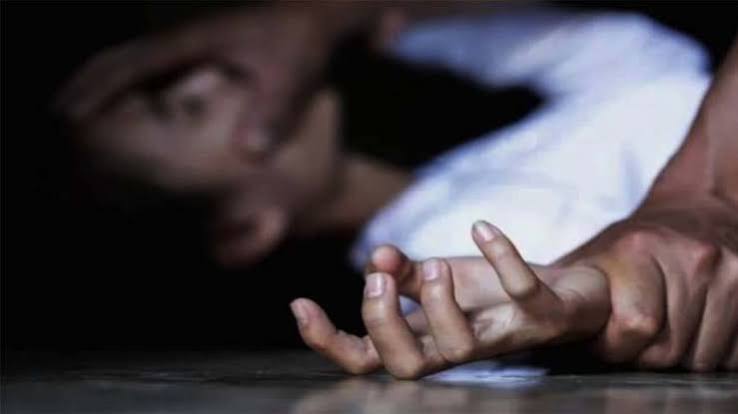
In Raichur, Karnataka, a Dalit woman was raped and murdered. She had gone out to defecate when the accused attacked her with lust. After the murder, the accused threw her body into a well. Police have detained the suspects and begun questioning them, and are awaiting the post-mortem report.
A tragic and shameful incident has come to light from Raichur district, Karnataka. A Dalit woman was first raped and then brutally murdered in Hokarani village, Sirwar taluka. The deceased is said to be 21 years old. After the rape, the accused threw her body into a well.
According to reports, the woman had gone out to defecate when the accused, who were lying in wait, attacked her. When she did not return home for a long time, her family began searching for her.
The woman’s body was later recovered from a well in the village. Upon receiving information about the incident, local police arrived at the scene and began investigating. Acting swiftly, the police identified some suspects and took them into custody. Police are currently interrogating the arrested suspects to uncover the full truth of the incident. Awaiting the Postmortem Report
A senior police officer stated, “In the case of the girl who was raped and murdered, we are still confirming whether it was rape or gang rape. The situation will become clear only after the postmortem report is received.”
A Suspect Confirmed
The officer further stated, “We have identified and arrested the suspects. One of them has been confirmed as the main suspect. The investigation is ongoing, so it would be inappropriate to comment further at this stage. The deceased was 21 years old, and the incident occurred when she had gone outside to relieve herself.”
Sagay Raj
Courtesy: Hindi News
ಮಲವಿಸರ್ಜನೆ ಮಾಡಲು ಹೊಲಗಳಿಗೆ ಹೋದ ದಲಿತ ಮಹಿಳೆಯ ಮೇಲೆ ಅತ್ಯಾಚಾರ ಮಾಡಿ ಕೊಲೆ ಮಾಡಿ, ಆಕೆಯ ದೇಹವನ್ನು ಬಾವಿಗೆ ಎಸೆಯಲಾಯಿತು.
ಕರ್ನಾಟಕದ ರಾಯಚೂರಿನಲ್ಲಿ ದಲಿತ ಮಹಿಳೆಯ ಮೇಲೆ ಅತ್ಯಾಚಾರ ನಡೆಸಿ ಕೊಲೆ ಮಾಡಲಾಗಿದೆ. ಆಕೆ ಮಲವಿಸರ್ಜನೆ ಮಾಡಲು ಹೋಗಿದ್ದಾಗ ಆರೋಪಿಗಳು ಕಾಮುಕತೆಯಿಂದ ಆಕೆಯ ಮೇಲೆ ಹಲ್ಲೆ ನಡೆಸಿದ್ದಾರೆ. ಕೊಲೆಯ ನಂತರ, ಆರೋಪಿಗಳು ಆಕೆಯ ದೇಹವನ್ನು ಬಾವಿಗೆ ಎಸೆದಿದ್ದಾರೆ. ಪೊಲೀಸರು ಶಂಕಿತರನ್ನು ಬಂಧಿಸಿ ವಿಚಾರಣೆ ನಡೆಸಲು ಪ್ರಾರಂಭಿಸಿದ್ದಾರೆ ಮತ್ತು ಮರಣೋತ್ತರ ಪರೀಕ್ಷೆಯ ವರದಿಗಾಗಿ ಕಾಯುತ್ತಿದ್ದಾರೆ.
ಕರ್ನಾಟಕದ ರಾಯಚೂರು ಜಿಲ್ಲೆಯಲ್ಲಿ ಒಂದು ದುರಂತ ಮತ್ತು ನಾಚಿಕೆಗೇಡಿನ ಘಟನೆ ಬೆಳಕಿಗೆ ಬಂದಿದೆ. ಸಿರ್ವಾರ್ ತಾಲೂಕಿನ ಹೊಕಾರಣಿ ಗ್ರಾಮದಲ್ಲಿ ದಲಿತ ಮಹಿಳೆಯ ಮೇಲೆ ಮೊದಲು ಅತ್ಯಾಚಾರ ನಡೆಸಿ ನಂತರ ಬರ್ಬರವಾಗಿ ಕೊಲೆ ಮಾಡಲಾಗಿದೆ. ಮೃತ ಮಹಿಳೆಗೆ 21 ವರ್ಷ ಎಂದು ಹೇಳಲಾಗಿದೆ. ಅತ್ಯಾಚಾರದ ನಂತರ, ಆರೋಪಿ ಆಕೆಯ ದೇಹವನ್ನು ಬಾವಿಗೆ ಎಸೆದಿದ್ದಾನೆ.
ವರದಿಗಳ ಪ್ರಕಾರ, ಮಹಿಳೆ ಮಲವಿಸರ್ಜನೆ ಮಾಡಲು ಹೊರಗೆ ಹೋಗಿದ್ದಾಗ, ಹೊಂಚುಹಾಕಿ ಕುಳಿತಿದ್ದ ಆರೋಪಿಗಳು ಆಕೆಯ ಮೇಲೆ ಹಲ್ಲೆ ನಡೆಸಿದ್ದಾರೆ. ಆಕೆ ಬಹಳ ಸಮಯವಾದರೂ ಮನೆಗೆ ಹಿಂತಿರುಗದಿದ್ದಾಗ, ಆಕೆಯ ಕುಟುಂಬದವರು ಆಕೆಯನ್ನು ಹುಡುಕಲು ಪ್ರಾರಂಭಿಸಿದರು.
ನಂತರ ಗ್ರಾಮದ ಬಾವಿಯಿಂದ ಮಹಿಳೆಯ ಶವ ಪತ್ತೆಯಾಗಿದೆ. ಘಟನೆಯ ಬಗ್ಗೆ ಮಾಹಿತಿ ಪಡೆದ ಸ್ಥಳೀಯ ಪೊಲೀಸರು ಸ್ಥಳಕ್ಕೆ ಆಗಮಿಸಿ ತನಿಖೆ ಆರಂಭಿಸಿದರು. ತ್ವರಿತವಾಗಿ ಕಾರ್ಯಾಚರಣೆ ನಡೆಸಿದ ಪೊಲೀಸರು ಕೆಲವು ಶಂಕಿತರನ್ನು ಗುರುತಿಸಿ ಅವರನ್ನು ವಶಕ್ಕೆ ಪಡೆದರು. ಘಟನೆಯ ಸಂಪೂರ್ಣ ಸತ್ಯವನ್ನು ಬಹಿರಂಗಪಡಿಸಲು ಪೊಲೀಸರು ಪ್ರಸ್ತುತ ಬಂಧಿತ ಶಂಕಿತರನ್ನು ವಿಚಾರಣೆ ನಡೆಸುತ್ತಿದ್ದಾರೆ. ಮರಣೋತ್ತರ ಪರೀಕ್ಷೆ ವರದಿಗಾಗಿ ಕಾಯಲಾಗುತ್ತಿದೆ.
"ಅತ್ಯಾಚಾರಕ್ಕೊಳಗಾಗಿ ಕೊಲೆಯಾದ ಬಾಲಕಿಯ ಪ್ರಕರಣದಲ್ಲಿ, ಅದು ಅತ್ಯಾಚಾರವೋ ಅಥವಾ ಸಾಮೂಹಿಕ ಅತ್ಯಾಚಾರವೋ ಎಂಬುದನ್ನು ನಾವು ಇನ್ನೂ ದೃಢೀಕರಿಸುತ್ತಿದ್ದೇವೆ. ಮರಣೋತ್ತರ ಪರೀಕ್ಷೆಯ ವರದಿ ಬಂದ ನಂತರವೇ ಪರಿಸ್ಥಿತಿ ಸ್ಪಷ್ಟವಾಗುತ್ತದೆ" ಎಂದು ಹಿರಿಯ ಪೊಲೀಸ್ ಅಧಿಕಾರಿಯೊಬ್ಬರು ತಿಳಿಸಿದ್ದಾರೆ.
ಶಂಕಿತನನ್ನು ದೃಢಪಡಿಸಲಾಗಿದೆ
"ನಾವು ಶಂಕಿತರನ್ನು ಗುರುತಿಸಿ ಬಂಧಿಸಿದ್ದೇವೆ. ಅವರಲ್ಲಿ ಒಬ್ಬನನ್ನು ಪ್ರಮುಖ ಶಂಕಿತ ಎಂದು ದೃಢಪಡಿಸಲಾಗಿದೆ. ತನಿಖೆ ನಡೆಯುತ್ತಿದೆ, ಆದ್ದರಿಂದ ಈ ಹಂತದಲ್ಲಿ ಹೆಚ್ಚಿನ ಪ್ರತಿಕ್ರಿಯೆ ನೀಡುವುದು ಸೂಕ್ತವಲ್ಲ. ಮೃತರಿಗೆ 21 ವರ್ಷ ವಯಸ್ಸಾಗಿತ್ತು, ಮತ್ತು ಅವರು ವಿಶ್ರಾಂತಿ ಪಡೆಯಲು ಹೊರಗೆ ಹೋದಾಗ ಈ ಘಟನೆ ಸಂಭವಿಸಿದೆ" ಎಂದು ಅಧಿಕಾರಿ ಹೇಳಿದರು.
ಸಗಾಯ್ ರಾಜ್
ಕೃಪೆ: ಹಿಂದಿ ಸುದ್ದಿ

‘Tu Sala N**ch’: Dalit Journalist Beaten In Udaipur, 2 FIRs Filed, 1 Against Him
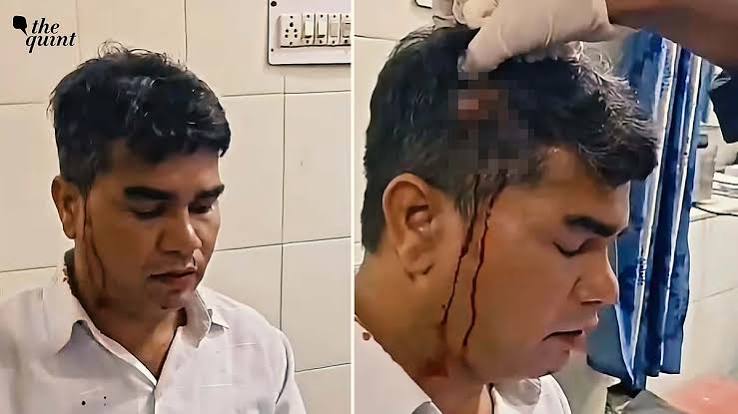
“He abused my caste and attacked me with a sharp object on my chest, neck, face and head,” alleged Lakhan Salvi.
In Udaipur’s Gogunda, a Dalit journalist, Lakhan Salvi, 42, was brutally attacked in an alleged case of caste-based violence on Wednesday, 19 August. “I was called ‘neech’ right before I was beaten. I was just doing my job,” claimed Salvi.
Salvi, an independent journalist was working on a story, covering people’s voices in Jaswantgarh who had come to submit a memorandum to the SDM Gogunda regarding their problems. Shortly after, as he went downstairs to talk to some people, the accused Gopal Lodha disrupted his work, said Salvi.
“He abused my caste and attacked me with a sharp object on my chest, neck, face and head,” alleged Lakhan Salvi.
The accused Gopal allegedly said, “Tujhe dekh loonga baad mein. After the byte was done he said, “Tu sala neech,” “Ye neech mujhe patrakarata sikha rha hain.” He called me ‘neech’ at least 15 times. He continued to abuse my caste identity and then said, “Tu sala neech Gogunda ko tu kha gaya, Gogunda ko loot rha hain, tumahra yahan kya hain?” he said, claimed Salvi.
After this verbal assault, Salvi stated that Gopal punched him a couple of times and then some people separated the two of them. “He also tried to hit at my private parts but I stopped him,” noted Salvi. The Quint has seen the video of the crowd distancing them.
“After 5-10 minutes, he returned. He had some sharp object in between his fingers. He punched me so hard that a part of the object cut through my lip and hit my teeth. There are injuries on my head, face, neck, arms and chest. My head was bleeding.”
Lakhan Salvi to The Quint
“He abused my caste and attacked me with a sharp object on my chest, neck, face and head,” alleged Lakhan Salvi.
The assault did not stop there.
After some locals took Salvi to a nearby hospital, the main accused, Gopal barged into the hospital with his brother, Kailash Lodha and attacked him again.
“He came running and hit me on my head from behind as the nurses were tending to my injuries. CCTV footage also shows him running away,” said Salvi. The Quint has also seen the CCTV clip of the accused rushing out of the hospital.
Noted activist and author Bhanwar Meghwanshi posted his video from the hospital and said, “His body was smeared with blood, and an FIR has been lodged regarding this matter at the Gogunda police station. We strongly condemn this attack on a journalist who comes from the Dalit community, and we request the administration to arrest the accused with immediate effect.”
“He abused my caste and attacked me with a sharp object on my chest, neck, face and head,” alleged Lakhan Salvi.
An FIR was registered under BNS sections 115(2), 126(2) and 3(5) and SC/ST sections on the day of the incident itself, however, another FIR, this time by the accused was filed against Salvi.
Speaking to The Quint, the accused, Gopal had another story to tell.
“Lakhan started it. He abused me first and punched me. Then I hit him and during the fight, he got hurt with my pen and ring. I did not abuse his caste. At the hospital, I did not mean to hit him, when he turned abruptly, my hand hit him,” he said.
“He abused my caste and attacked me with a sharp object on my chest, neck, face and head,” alleged Lakhan Salvi.
‘Had FIR Been Filed Earlier…’
The accused, Gopal has filed an FIR against Salvi under BNS sections 115(2) – Punishment for voluntarily causing hurt and 126(2) – Punishment for wrongful restraint.
Gopal works as a local stringer. Salvi alleged that he tried to disrupt his work before as well. One of his brothers is an informant to the police and the other works with Anganwadi workers.
There is history that predates them.
Around 4-5 years ago, Salvi has reported on a story which involved one of Gopal’s brothers. Salvi alleged, “His brother works with Angwanwadi workers, they are registered at his house. I got information that there were lapses in how many Angandwadi workers were there, who was getting food, ration or money. I reported on it and since then, Gopal has been targeting me.”
Gopal has denied this and said he has not held grudges against him for any story.
Meanwhile, the targeted attacks, according to Salvi progressed to social media. He posted against him in January this year as well, Salvi alleged.
On 10 November 2025, Salvi field a complaint against him as Gopal had reportedly wrote slander against him on social media. Salvi said he also approached SC ST court but has not received any order yet.
“Had they registered an FIR back then, he would have not done this today, abusing my caste and attacking me in broad daylight,” Salvi told The Quint.
“He abused my caste and attacked me with a sharp object on my chest, neck, face and head,” alleged Lakhan Salvi.
Complaint filed by Salvi but an FIR was not filed last year.
“One journalist has to run here and there to get an FIR filed, to be heard. It has been almost 10 months but my complaint was not taken seriously and now there was a brutal attack. What does a journalist or a citizen have to do to be heard? asked Salvi.
Aliza Noor
Aliza has been a journalist for five years and is based out of Delhi and Lucknow. Primarily, she covers communalism, hate crimes, issues of human rights, social justice, gender and politics and is also involved our interactive hate tracker on our website.
Topics: Rajasthan Dalit Journalist Attacked
Courtesy : The Quint
'तू साला नाच': उदयपुर में दलित पत्रकार की पिटाई, 2 एफआईआर दर्ज, 1 पत्रकार के खिलाफ
लखन साल्वी ने आरोप लगाया, "उसने मेरी जाति का अपमान किया और मेरे सीने, गर्दन, चेहरे और सिर पर एक नुकीली वस्तु से हमला किया।"
उदयपुर के गोगुंडा में, 19 अगस्त, बुधवार को जाति आधारित हिंसा के एक कथित मामले में 42 वर्षीय दलित पत्रकार लखन साल्वी पर बेरहमी से हमला किया गया। साल्वी ने बताया, “मुझे पीटने से ठीक पहले ‘नीच’ कहकर पुकारा गया। मैं तो बस अपना काम कर रहा था।”
स्वतंत्र पत्रकार साल्वी जसवंतगढ़ में लोगों की आवाज़ों को कवर करते हुए एक कहानी पर काम कर रहे थे, जो अपनी समस्याओं के संबंध में एसडीएम गोगुंडा को ज्ञापन सौंपने आए थे। साल्वी ने बताया कि कुछ ही देर बाद, जब वह कुछ लोगों से बात करने के लिए नीचे गए, तो आरोपी गोपाल लोढ़ा ने उनके काम में बाधा डाली।
लखन साल्वी ने आरोप लगाया, "उसने मेरी जाति का अपमान किया और मेरे सीने, गर्दन, चेहरे और सिर पर एक नुकीली वस्तु से हमला किया।"
आरोपी गोपाल ने कथित तौर पर कहा, "तुझे देख लूंगा बाद में। बाइट खत्म होने के बाद उसने कहा, "तू साला नीचे," "ये नीचे मुझे पत्रकार सिखा रहा है।" उसने मुझे कम से कम 15 बार 'नीच' कहा। उसने मेरी जाति की पहचान का दुरुपयोग करना जारी रखा और फिर कहा, "तू साला नीच गोगुंदा को तू खा गया, गोगुंदा को लूट रहा है, तुम्हारा यहां क्या है?" उन्होंने कहा, साल्वी ने दावा किया।
इस मौखिक हमले के बाद, साल्वी ने बताया कि गोपाल ने उसे दो-तीन बार घूंसे मारे और फिर कुछ लोगों ने उन दोनों को अलग किया। साल्वी ने कहा, "उसने मेरे गुप्तांगों पर भी वार करने की कोशिश की, लेकिन मैंने उसे रोक दिया।" द क्विंट ने भीड़ द्वारा उन दोनों को अलग करने का वीडियो देखा है।
“पांच-दस मिनट बाद वह वापस आया। उसकी उंगलियों के बीच कोई नुकीली चीज थी। उसने मुझे इतनी जोर से मारा कि उस चीज का एक टुकड़ा मेरे होंठ को चीरता हुआ मेरे दांतों में जा लगा। मेरे सिर, चेहरे, गर्दन, बांहों और छाती पर चोटें आई हैं। मेरे सिर से खून बह रहा था।”
लखन साल्वी ने द क्विंट से बात की।
लखन साल्वी ने आरोप लगाया, "उसने मेरी जाति का अपमान किया और मेरे सीने, गर्दन, चेहरे और सिर पर एक नुकीली वस्तु से हमला किया।"
हमला यहीं नहीं रुका।
कुछ स्थानीय लोगों द्वारा साल्वी को पास के अस्पताल ले जाने के बाद, मुख्य आरोपी गोपाल अपने भाई कैलाश लोढ़ा के साथ अस्पताल में घुस गया और उस पर फिर से हमला कर दिया।
साल्वी ने बताया, “जब नर्सें मेरी चोटों का इलाज कर रही थीं, तभी वह दौड़ता हुआ आया और पीछे से मेरे सिर पर वार कर दिया। सीसीटीवी फुटेज में भी उसे भागते हुए दिखाया गया है।” द क्विंट ने भी आरोपी के अस्पताल से भागते हुए सीसीटीवी क्लिप को देखा है।
प्रख्यात कार्यकर्ता और लेखक भंवर मेघवंशी ने अस्पताल से अपना वीडियो पोस्ट करते हुए कहा, “उनका शरीर खून से लथपथ था और इस मामले में गोगुंडा पुलिस स्टेशन में एफआईआर दर्ज कराई गई है। दलित समुदाय से आने वाले पत्रकार पर हुए इस हमले की हम कड़ी निंदा करते हैं और प्रशासन से अनुरोध करते हैं कि आरोपी को तत्काल गिरफ्तार किया जाए।”
लखन साल्वी ने आरोप लगाया, "उसने मेरी जाति का अपमान किया और मेरे सीने, गर्दन, चेहरे और सिर पर एक नुकीली वस्तु से हमला किया।"
घटना वाले दिन ही बीएनएस की धारा 115(2), 126(2) और 3(5) तथा एससी/एसटी धाराओं के तहत एफआईआर दर्ज की गई थी, हालांकि, इस बार आरोपी द्वारा साल्वी के खिलाफ एक और एफआईआर दर्ज की गई थी।
द क्विंट से बात करते हुए, आरोपी गोपाल की कहानी कुछ और ही थी।
“लखन ने ही शुरुआत की थी। उसने पहले मुझे गाली दी और घूंसा मारा। फिर मैंने उसे मारा और हाथापाई के दौरान मेरी कलम और अंगूठी से उसे चोट लग गई। मैंने उसकी जाति को लेकर कोई अपशब्द नहीं कहे। अस्पताल में मेरा उसे मारने का कोई इरादा नहीं था, जब वह अचानक मुड़ा तो मेरा हाथ उसे लग गया,” उसने कहा।
लखन साल्वी ने आरोप लगाया, "उसने मेरी जाति का अपमान किया और मेरे सीने, गर्दन, चेहरे और सिर पर एक नुकीली वस्तु से हमला किया।"
'अगर एफआईआर पहले दर्ज की गई होती...'
आरोपी गोपाल ने साल्वी के खिलाफ बीएनएस की धारा 115(2) - स्वेच्छा से चोट पहुंचाने के लिए सजा और 126(2) - गलत तरीके से रोकने के लिए सजा के तहत एफआईआर दर्ज कराई है।
गोपाल स्थानीय पत्रकार के रूप में काम करता है। साल्वी ने आरोप लगाया कि उसने पहले भी उसके काम में बाधा डालने की कोशिश की थी। उसका एक भाई पुलिस का मुखबिर है और दूसरा आंगनवाड़ी कार्यकर्ताओं के साथ काम करता है।
इनका इतिहास इनसे भी पहले का है।
लगभग चार-पाँच साल पहले, साल्वी ने गोपाल के एक भाई से जुड़ी एक कहानी पर रिपोर्टिंग की थी। साल्वी ने आरोप लगाया, “उनका भाई आंगनवाड़ी कार्यकर्ताओं के साथ काम करता है, वे उनके घर पर पंजीकृत हैं। मुझे जानकारी मिली कि आंगनवाड़ी कार्यकर्ताओं की संख्या, भोजन, राशन या पैसे किसे मिल रहे हैं, इन सबमें गड़बड़ी थी। मैंने इस पर रिपोर्ट की और तब से गोपाल मुझे निशाना बना रहा है।”
गोपाल ने इस बात से इनकार किया है और कहा है कि उन्होंने किसी भी कहानी को लेकर उनके प्रति कोई द्वेष नहीं रखा है।
साल्वी के अनुसार, इस बीच लक्षित हमले सोशल मीडिया तक पहुंच गए। साल्वी ने आरोप लगाया कि उसने इस साल जनवरी में भी उसके खिलाफ पोस्ट किया था।
10 नवंबर 2025 को साल्वी ने गोपाल के खिलाफ शिकायत दर्ज कराई क्योंकि गोपाल ने कथित तौर पर सोशल मीडिया पर उनके खिलाफ मानहानिकारक लेख लिखे थे। साल्वी ने बताया कि उन्होंने सुप्रीम कोर्ट, अनुसूचित जनजाति (एससीएसटी) की अदालत में भी याचिका दायर की थी, लेकिन अभी तक उन्हें कोई आदेश नहीं मिला है।
"अगर उन्होंने उस समय एफआईआर दर्ज कराई होती, तो आज वह ऐसा नहीं करता, मेरी जाति का अपमान नहीं करता और दिन दहाड़े मुझ पर हमला नहीं करता," साल्वी ने द क्विंट को बताया।
लखन साल्वी ने आरोप लगाया, "उसने मेरी जाति का अपमान किया और मेरे सीने, गर्दन, चेहरे और सिर पर एक नुकीली वस्तु से हमला किया।"
साल्वी द्वारा शिकायत दर्ज कराई गई थी लेकिन पिछले साल एफआईआर दर्ज नहीं की गई थी।
“फर्तुका रिकॉर्ड दर्ज करवाने और अपनी बात मनवाने के लिए एक पत्रकार को इधर-उधर भागना पड़ता है। करीब दस महीने बीत चुके हैं, लेकिन मेरी शिकायत को गंभीरता से नहीं लिया गया और अब मुझ पर बेरहमी से हमला हुआ। अपनी बात सुनाने के लिए एक पत्रकार या नागरिक को क्या करना पड़ता है?” साल्वी ने पूछा।
अलीज़ा नूर
अलीज़ा पिछले पांच वर्षों से पत्रकार हैं और दिल्ली और लखनऊ में रहती हैं। मुख्य रूप से, वह सांप्रदायिकता, घृणा अपराध, मानवाधिकार, सामाजिक न्याय, लिंग और राजनीति से जुड़े मुद्दों को कवर करती हैं और हमारी वेबसाइट पर मौजूद इंटरैक्टिव हेट ट्रैकर में भी शामिल हैं।
विषय: राजस्थान में दलित पत्रकार पर हमला
सौजन्य: द क्विंट
नोट: यह समाचार मूल रूप से https://thequint.com/bha पर प्रकाशित हुआ है और इसका उपयोग विशुद्ध रूप से गैर-लाभकारी/गैर-व्यावसायिक उद्देश्यों, विशेष रूप से मानवाधिकारों के लिए किया गया है।

Complaints filed against DU prof over ‘Dalit remarks’ during TV debate


Comments
Post a Comment