25.08.2026.Sivaji's Daily.News Untouchable.(English, हिन्दी, தமிழ்,తెలుగు ,ಕನ್ನಡ)Voice of SC.STs,Buddhists,Ambedkar ites,Anti SC.ST atrocity news,Employement news)by Sivaji Ayyayiram.9444917060.asivaji1962@gmail.com.FB.sivaji yoga Tiruvannamalai.x.shivajia479023.


UT NEWS — ATROCITIES AGAINST WOMEN
25.08.2026 | State-wise | Rape • Murder • Theft/Robbery • SC/ST Women
Editorial note: I have separated confirmed SC/ST/tribal cases from general crimes against women. A crime is not labelled an SC/ST atrocity unless the available report establishes the victim's community or invokes the SC/ST (Prevention of Atrocities) Act.
| State / UT | District | Incident | Victim | Action / legal status |
|---|---|---|---|---|
| Karnataka | Raichur | Gang rape & murder | 21-year-old Dalit woman | Four police personnel were suspended over alleged delay in acting on her family's missing-person complaint. Her body was found in a well. |
| Jammu & Kashmir | Kishtwar | Repeated rape → pregnancy → death during abortion attempt | 15-year-old Gujjar tribal girl | Teacher and his brother arrested. Tribal organisation has asked NCST to invoke/consider the SC/ST Act, monitor investigation and provide compensation. |
| Uttar Pradesh | Hathras | Hathras Dalit woman case — continuing legal proceedings | Dalit woman | Allahabad High Court proceedings regarding the victim's family continued; the case remains an important caste-and-gender violence case. |
| Gujarat | Surat | Murder / suspected robbery | 22-year-old woman | Woman found murdered at home; police suspected robbery after jewellery was reportedly missing. |
| Uttar Pradesh | Agra/Firozabad area | Attempted sexual assault followed by murder | 18-year-old woman | Police arrested the accused after the alleged attack. SC/ST status not established in the report. |
| Chhattisgarh | Raipur | Rape & murder investigation | Young woman | Police action against a suspected repeat offender; SC/ST status not established in the report. |
🔴 Major SC/ST Women cases
1. Karnataka — Dalit woman gang-rape and murder
The 21-year-old Dalit woman's body was discovered in an open well after she was reported missing. The latest development on 25 August was the suspension of four police personnel, following allegations that the missing-person complaint was not acted upon promptly.
2. Jammu & Kashmir — Tribal minor rape and death
A 15-year-old Gujjar girl from Kishtwar was allegedly repeatedly raped by a teacher, became pregnant and died during an attempted abortion. The accused teacher and his brother were arrested. A tribal advocacy organisation has approached the National Commission for Scheduled Tribes (NCST) seeking action under the SC/ST Act, investigation monitoring and compensation.
The reported FIR includes provisions of the Bharatiya Nyaya Sanhita and POCSO Act, including provisions concerning rape of a child below 16 and aggravated penetrative sexual assault.
📌 Important distinction
The Kishtwar case is especially important for an SC/ST women bulletin, because the victim is reported as a Gujjar tribal girl and an organisation is specifically seeking intervention by the NCST and consideration of the SC/ST Act.
The available 25-August reporting does not provide verified cases for every one of India's 28 states and 8 Union Territories. I would rather mark a state “No verified report located” than invent an atrocity.

SC/ST Employment News Bulletin — 25 August 2026
India | State-wise + Union Territories | English
I checked current government and recruitment sources for 25 August 2026. The strongest verified SC/ST-relevant employment developments are below. Where I could not verify a specific SC/ST employment announcement dated 25 August, I have marked it “No specific item verified” rather than inventing news.
🇮🇳 National / Central Government
-
Indian Overseas Bank — Security Guard Recruitment
- 25 vacancies; online applications opened 25 August 2026 and close 14 September 2026.
- The official notification specifically provides for SC/ST reservation/age concessions according to Government of India rules.
- Official notification:
-
Indian Oil Corporation (IOCL) — Executive Recruitment
- Recruitment through CBT for executive positions.
- Application window: 14 August–3 September 2026.
- The official IOCL recruitment page carries the 25 August 2026 newspaper advertisement and vacancy details.
-
Solar Energy Corporation of India (SECI)
- Recruitment notification issued for various posts.
- Online registration: 25 August–23 September 2026.
- The notification explicitly provides 5 years' age relaxation for SC/ST candidates for posts reserved for the respective categories.
-
Railway Recruitment
- Railway recruitment continues to provide prescribed SC/ST caste-certificate formats and reservation provisions.
- The RRB portal currently lists CEN 03/2026 and CEN 04/2026.
-
Central Government reservation policy
- The latest DoPT material covering reservation for SCs, STs, OBCs, PwDs and EWS in Central Government posts was published in August 2026.
State-wise
| State | 25-Aug-2026 SC/ST employment development |
|---|---|
| Andhra Pradesh | Tribal Affairs Ministry records show continued PM-JANMAN/DA-JGUA-related expenditure and livelihood activity in the state, including an entry dated 25 Aug. |
| Arunachal Pradesh | Tribal-development funding/livelihood activity recorded under Ministry of Tribal Affairs programmes. |
| Assam | Tribal-development programme expenditure recorded; employment/livelihood implications for ST communities. |
| Bihar | Major recruitment/employment agitation continued around recruitment and examination issues; not specifically an SC/ST-only recruitment announcement. |
| Chhattisgarh | Tribal Affairs programme expenditure recorded; no separate SC/ST recruitment notification verified for 25 Aug. |
| Goa | Tribal-development funding activity recorded in August; no separate SC/ST-specific recruitment item verified. |
| Gujarat | Tribal-development programme funding recorded in August 2026. |
| Haryana | No separate SC/ST-specific employment announcement dated 25 Aug verified. |
| Himachal Pradesh | No separate SC/ST-specific employment announcement dated 25 Aug verified. |
| Jharkhand | Government employment/placement data shows 831 SC/ST candidates among candidates offered jobs through divisional ITI employment fairs; the Directorate of Employment & Training maintains category-wise placement data. |
| Karnataka | KEA recruitment processes were active, including 2026 recruitment for government posts; no separate SC/ST-only notification dated 25 Aug verified. |
| Kerala | Career seminar conducted on 25 Aug 2026 by UEIGB Kalady at MES College, Marampilly; this is an employment/career-service activity rather than an SC/ST-only recruitment. |
| Madhya Pradesh | No separate SC/ST-specific employment announcement dated 25 Aug verified. |
| Maharashtra | No separate SC/ST-specific employment announcement dated 25 Aug verified. |
| Manipur | No separate SC/ST-specific employment announcement dated 25 Aug verified. |
| Meghalaya | No separate SC/ST-specific employment announcement dated 25 Aug verified. |
| Mizoram | No separate SC/ST-specific employment announcement dated 25 Aug verified. |
| Nagaland | No separate SC/ST-specific employment announcement dated 25 Aug verified. |
| Odisha | Tribal-development programmes remain relevant to ST livelihoods; no separate SC/ST recruitment announcement dated 25 Aug verified. |
| Punjab | PSSSB Group-D recruitment: 1,401 posts; applications opened 25 August 2026. SC/ST reservation is applicable under the state's recruitment rules. |
| Rajasthan | RVUNL recruitment involved 2,005 posts including Junior Engineer/Junior Accountant and related positions; the application deadline was 25 August 2026. |
| Sikkim | No separate SC/ST-specific employment announcement dated 25 Aug verified. |
| Tamil Nadu | Tamil Nadu Career Services provides government employment/career resources; no separate SC/ST-only recruitment announcement dated 25 Aug verified. |
| Telangana | No separate SC/ST-specific employment announcement dated 25 Aug verified. |
| Tripura | No separate SC/ST-specific employment announcement dated 25 Aug verified. |
| Uttar Pradesh | CM announced one lakh government job appointment letters over the following six months. This is a general youth-employment measure, with SC/ST reservation applicable where posts are reserved. |
| Uttarakhand | UKPSC/UKSSSC recruitment activity was continuing; no separate SC/ST-only announcement dated 25 Aug verified. |
| West Bengal | WBSSC recruitment process involving 8,478 Group C & D posts remained relevant; later category-related administrative activity was reported. |
Union Territories
| UT | Employment news |
|---|---|
| Andaman & Nicobar Islands | No specific SC/ST employment announcement dated 25 Aug verified. |
| Chandigarh | No specific SC/ST employment announcement dated 25 Aug verified. |
| Dadra & Nagar Haveli and Daman & Diu | No specific SC/ST employment announcement dated 25 Aug verified. |
| Delhi (NCT) | National Career Service Centre for SC/ST, Delhi held a Job Fair for SC/ST/OBC/General candidates on 25 August 2026, 10:30 AM–3:00 PM, at the VRC Building, Karkardooma. |
| Jammu & Kashmir | Tribal-development funding and livelihood-related government expenditure continued; no separate SC/ST-only recruitment announcement dated 25 Aug verified. |
| Ladakh | No specific SC/ST employment announcement dated 25 Aug verified. |
| Lakshadweep | No specific SC/ST employment announcement dated 25 Aug verified. |
| Puducherry | The Labour Department maintains National Career Centre for SC/ST activities, including special coaching programmes; no new SC/ST recruitment notification dated 25 Aug was verified. |
Important SC/ST employment opportunities specifically visible on 25 August
1. Delhi — SC/ST Job Fair:
National Career Service Centre for SC/ST conducted a job fair on 25 August 2026 for SC/ST/OBC/General candidates.
2. Indian Overseas Bank — 25 Security Guard posts:
Applications opened 25 August 2026; SC/ST candidates receive the applicable Government of India concessions.
3. SECI — recruitment opened 25 August:
Registration opened at 11 AM on 25 August 2026 and closes 23 September 2026; SC/ST age relaxation is expressly provided.
4. Punjab — 1,401 Group-D posts:
Online application opened 25 August 2026, providing a significant state-level employment opportunity for reserved-category candidates.
5. Jharkhand — SC/ST placement:
The state employment/ITI system reports 831 SC/ST candidates among employment-fair offers, demonstrating significant SC/ST participation in state placement programmes.
Note: “No specific item verified” does not mean there were no SC/ST vacancies in that state; it means I could not verify a reliable 25-August-2026-dated SC/ST employment news item from the sources searched. This distinction is important for a state-wise bulletin.

🪷 Buddhist News Bulletin — India
25 August 2026 | Buddhist Organisations • Monasteries • Dalit-Buddhist/Ambedkarite Movement • Government • Courts • Conversions • Heritage • International
Editorial note: I searched specifically for news published or updated around 25 August 2026. The day’s India-specific Buddhist news is relatively limited, so I have separated current 25-August developments from important ongoing developments rather than presenting older material as if it were new.
🇮🇳 1. INDIA — Buddhist Heritage & Pilgrimage
Uttar Pradesh: Buddhist heritage sites highlighted
A major feature published on 25 August draws attention to lesser-known Buddhist heritage destinations in North India, including Kushinagar, Sankisa and Tabo Monastery. Kushinagar is associated with the Buddha's Mahaparinirvana, while Sankisa is associated with the Buddha's descent from Trāyastriṃśa Heaven. Tabo Monastery in Himachal Pradesh is noted for its ancient Tibetan Buddhist art and long monastic history.
Significance: This reinforces the importance of expanding Buddhist tourism beyond the better-known Bodh Gaya–Sarnath circuit.
🏛️ 2. GOVERNMENT & BUDDHIST INSTITUTIONS
International Buddhist Confederation (IBC)
The International Buddhist Confederation, working with the Ministry of Culture, remains one of India's principal platforms for international Buddhist cooperation. The 2nd Global Buddhist Summit was held in New Delhi on 24–25 January 2026, bringing together Buddhist leaders, scholars and organisations.
Key areas:
- Buddhist diplomacy
- Preservation of Buddhist heritage
- Inter-Buddhist cooperation
- Academic and monastic exchange
- Promotion of Buddha Dhamma internationally
⚖️ 3. COURTS — BUDDHIST PERSONAL LAW
Supreme Court / Buddhist Personal Law Action Committee
An important legal development concerns a petition by the Buddhist Personal Law Action Committee challenging the application of certain Hindu personal laws to Buddhists.
The Supreme Court asked the Law Commission to consider the representation. The petition argues that applying Hindu personal-law provisions to Buddhists can raise questions concerning religious freedom, cultural practices and constitutional rights.
Why it matters:
This could become an important issue for Buddhist organisations seeking recognition of distinct Buddhist personal-law requirements.
🪷 4. DALIT-BUDDHIST / AMBEDKARITE MOVEMENT
Ambedkar's Buddhist legacy remains a major contemporary issue
The Dalit-Buddhist movement initiated by Dr. B. R. Ambedkar continues to be particularly significant in Maharashtra and among Ambedkarite organisations elsewhere in India.
Recent commentary continues to debate why large-scale Dalit conversion to Buddhism has not expanded at the pace anticipated by some Ambedkarite thinkers and what organisational, cultural and political changes might strengthen the movement.
Important historical foundation: Ambedkar's conversion at Nagpur in 1956 transformed Buddhism into an important vehicle for anti-caste social reconstruction and Dalit assertion.
🔄 5. CONVERSIONS — CURRENT PICTURE
I did not find a sufficiently reliable 25-August-2026 report confirming a major new nationwide Dalit-Buddhist conversion event that should be presented as a current fact.
However, conversion to Buddhism remains an active subject of public debate, particularly in relation to:
- Dalit emancipation
- Anti-caste movements
- Religious freedom
- State anti-conversion legislation
- Ambedkarite identity
- Recognition of Buddhist religious identity
Therefore, claims circulating on social media about large-scale conversions should be independently verified before inclusion in a factual bulletin.
🛕 6. MONASTERIES & MONASTIC LIFE
Tabo Monastery — Himachal Pradesh
The 25-August heritage feature highlights Tabo Monastery, founded in 996 CE, as an important surviving centre of Tibetan Buddhism in India, noted for its murals, sculptures and ancient artistic traditions.
Buddhist monastic heritage
India continues to possess a remarkable network of Buddhist monasteries and archaeological sites extending from:
Ladakh → Himachal Pradesh → Uttar Pradesh → Bihar → West Bengal → Odisha → Maharashtra → Andhra Pradesh → Telangana → Karnataka → Tamil Nadu.
🏺 7. BUDDHIST HERITAGE — SARNATH, KUSHINAGAR & SANKISA
Sarnath
Sarnath remains central to India's Buddhist heritage because it is traditionally identified as the location of the Buddha's first sermon.
India has nominated the Ancient Buddhist Site, Sarnath for UNESCO World Heritage consideration under the 2025–26 nomination cycle.
Kushinagar
Kushinagar remains one of the principal Buddhist pilgrimage destinations in India and is traditionally associated with the Buddha's Mahaparinirvana.
Sankisa
Sankisa in Uttar Pradesh is another significant but comparatively less visited Buddhist archaeological site, with an Ashokan elephant capital and strong Buddhist historical associations.
🌏 8. INDIA–SRI LANKA BUDDHIST CONNECTION
The Indian High Commission in Colombo's updated information on 25 August 2026 continues to highlight the deep Buddhist and cultural relationship between India and Sri Lanka.
India and Sri Lanka have cooperated on Buddhist pilgrimage, including connections involving Bodh Gaya and Kushinagar, and the sharing/display of sacred Buddhist relics.
Strategic significance: Buddhist diplomacy is an important component of India–Sri Lanka cultural relations.
🌍 9. INTERNATIONAL BUDDHIST NEWS
🇲🇲 Myanmar — Buddhist monastery struck
One of the most serious Buddhist stories around 25 August concerns Myanmar.
Reports state that a Myanmar military airstrike struck a Buddhist monastery in the Sagaing Region, killing 14 people, including three women, while people were participating in a meditation retreat.
Buddhist significance: The incident highlights the continuing vulnerability of monasteries and Buddhist communities amid Myanmar's armed conflict.
🇹🇭 Thailand — Buddhist daily life
A 25-August feature examining Thai Buddhism describes how everyday Buddhist practice extends well beyond meditation to include communal worship, rituals and temple-based social life.
🇯🇵 Japan — Buddhist heritage protection controversy
A Taiwanese television personality was arrested in Japan in connection with alleged damage to a historic Buddhist relic/stone at Yakushiji Temple in Nara, a site associated with important Japanese Buddhist heritage.
🇦🇫 Afghanistan — Bamiyan Buddha destruction revisited
A former Afghan official has reportedly told the BBC that he personally participated in the destruction of the Bamiyan Buddhas in 2001. The development has renewed attention to the destruction and preservation of Buddhist heritage in Afghanistan.
📌 10. IMPORTANT BUDDHIST DEVELOPMENTS TO WATCH
| Area | Current significance |
|---|---|
| Dalit Buddhism | Expansion of Ambedkarite Buddhist organisation and social programmes |
| Buddhist Personal Law | Law Commission consideration following Supreme Court intervention |
| Sarnath | UNESCO World Heritage nomination |
| Kushinagar | Buddhist pilgrimage and international tourism |
| Bodh Gaya | Major global Buddhist pilgrimage centre |
| Monasteries | Heritage conservation and international monastic links |
| Conversions | Religious freedom, Dalit emancipation and anti-conversion laws |
| IBC | International Buddhist cooperation and Buddhist diplomacy |
| India–Sri Lanka | Pilgrimage, relics and cultural cooperation |
| Myanmar | Protection of Buddhist monasteries and civilians during conflict |
| Bamiyan | Continuing international debate over Buddhist heritage destruction |
🪷 EDITORIAL SUMMARY — 25.08.2026
The major themes in the Buddhist news cycle are:
- Buddhist heritage tourism is expanding, particularly around lesser-known sites such as Sankisa and Kushinagar.
- Buddhist legal identity remains an important constitutional issue, with the Supreme Court referring a Buddhist personal-law representation to the Law Commission.
- Ambedkarite/Dalit Buddhism continues to be a major social movement, although large-scale conversion remains uneven.
- India's Buddhist diplomacy continues through the IBC, Ministry of Culture and international Buddhist cooperation.
- Buddhist heritage protection remains an international concern, particularly in Myanmar, Japan and Afghanistan.
- Sarnath's UNESCO nomination is an important long-term development for India's Buddhist heritage.
Overall: 25 August 2026's Buddhist news landscape is characterised less by a single major Indian Buddhist event and more by **heritage preservation, Buddhist legal identity, Ambedkarite social transformation, international Buddhist diplomacy and protection of monasteries and sacred sites.**

📰 Dalit • Adivasi • SC/ST News Bulletin — 25 August 2026
India | State-wise | English • हिन्दी • தமிழ் • తెలుగు • ಕನ್ನಡ
I checked newspaper/web reports and social-media-linked reports specifically around 25 August 2026. The strongest verified SC/ST-related coverage I found is concentrated in Maharashtra, Tamil Nadu, Madhya Pradesh, Nagaland and national/Census issues. I have not invented items for states where I could not verify a relevant report for that date.
🇮🇳 NATIONAL / தேசிய / राष्ट्रीय
1. Census 2027: SC/ST and caste information
The Census 2027 questionnaire includes questions on whether a person belongs to Scheduled Caste or Scheduled Tribe and the particular caste/tribe. The issue was also discussed on 25 August in connection with demands for a more systematic caste-coding mechanism.
English: Census 2027 will record SC/ST status and caste/tribe; CPI(M) demanded a scientifically designed and transparent caste classification system.
हिन्दी: जनगणना 2027 में SC/ST की स्थिति और जाति/जनजाति की जानकारी दर्ज होगी। CPI(M) ने वैज्ञानिक और पारदर्शी जाति-कोडिंग प्रणाली की मांग की।
தமிழ்: 2027 மக்கள் தொகைக் கணக்கெடுப்பில் SC/ST நிலை மற்றும் சாதி/பழங்குடி விவரங்கள் பதிவு செய்யப்படும். சாதி வகைப்பாட்டுக்கு வெளிப்படையான அறிவியல் முறையை CPI(M) கோரியுள்ளது.
తెలుగు: 2027 జనగణనలో SC/ST స్థితి, కులం/గిరిజన తెగ వివరాలు నమోదు చేయబడతాయి. కుల వర్గీకరణకు శాస్త్రీయ, పారదర్శక విధానం అవసరమని CPI(M) కోరింది.
ಕನ್ನಡ: 2027ರ ಜನಗಣತಿಯಲ್ಲಿ SC/ST ಸ್ಥಿತಿ ಮತ್ತು ಜಾತಿ/ಬುಡಕಟ್ಟು ವಿವರಗಳನ್ನು ದಾಖಲಿಸಲಾಗುತ್ತದೆ. ವೈಜ್ಞಾನಿಕ ಮತ್ತು ಪಾರದರ್ಶಕ ಜಾತಿ-ಕೋಡಿಂಗ್ ವ್ಯವಸ್ಥೆಗೆ CPI(M) ಒತ್ತಾಯಿಸಿದೆ.
🟠 MAHARASHTRA
2. Tribal students' hunger strike — Pune
25 August 2026 reports said tribal students protesting in Pune had been on hunger strike for more than 12 days over changes in government tribal-hostel rules. Students sought withdrawal/reconsideration of the new rules and restoration of the earlier framework.
English: Tribal students in Pune continued their protest against hostel-rule changes affecting admission and student welfare.
हिन्दी: पुणे में आदिवासी छात्रों ने सरकारी छात्रावास नियमों में बदलाव के खिलाफ भूख हड़ताल जारी रखी।
தமிழ்: புனேவில் அரசு பழங்குடியினர் விடுதி விதிமுறைகளில் மாற்றத்துக்கு எதிராக பழங்குடியினர் மாணவர்கள் உண்ணாவிரதப் போராட்டம் நடத்தினர்.
తెలుగు: పుణేలో ప్రభుత్వ గిరిజన హాస్టల్ నిబంధనల మార్పులకు వ్యతిరేకంగా గిరిజన విద్యార్థులు నిరాహార దీక్ష కొనసాగించారు.
ಕನ್ನಡ: ಪುಣೆಯಲ್ಲಿ ಸರ್ಕಾರಿ ಆದಿವಾಸಿ ವಿದ್ಯಾರ್ಥಿ ನಿಲಯಗಳ ನಿಯಮ ಬದಲಾವಣೆಯ ವಿರುದ್ಧ ಆದಿವಾಸಿ ವಿದ್ಯಾರ್ಥಿಗಳು ಉಪವಾಸ ಸತ್ಯಾಗ್ರಹ ಮುಂದುವರಿಸಿದರು.
3. Rahul Gandhi writes to Maharashtra CM
Rahul Gandhi wrote to Maharashtra Chief Minister Devendra Fadnavis urging him to meet the protesting tribal students and resolve their grievances.
4. Maharashtra Congress demands Tribal Development Minister's resignation
UNI reported on 25 August that Maharashtra Congress demanded the resignation of the Tribal Development Minister, citing difficulties faced by tribal students dependent on government hostels.
🔴 TAMIL NADU
5. Chengalpattu: Dalit youth killed in suspected honour killing
A 23-year-old Dalit youth was hacked to death in Chengalpattu district, with reports describing it as a suspected honour killing. The report was published on 25 August 2026.
English: A Dalit youth was allegedly killed in a suspected honour killing in Chengalpattu.
हिन्दी: चेंगलपट्टू में एक 23 वर्षीय दलित युवक की कथित ऑनर किलिंग में हत्या की खबर सामने आई।
தமிழ்: செங்கல்பட்டு மாவட்டத்தில் 23 வயது தலித் இளைஞர் சந்தேகிக்கப்படும் ஆணவக் கொலை சம்பவத்தில் வெட்டிக் கொல்லப்பட்டதாக செய்திகள் வெளியாகின.
తెలుగు: చెంగల్పట్టు జిల్లాలో 23 ఏళ్ల దళిత యువకుడు అనుమానిత పరువు హత్యలో హత్యకు గురైనதாக నివేదికలు வெளியாகాయి.
ಕನ್ನಡ: ಚೆಂಗಲ್ಪಟ್ಟು ಜಿಲ್ಲೆಯಲ್ಲಿ 23 ವರ್ಷದ ದಲಿತ ಯುವಕನನ್ನು ಶಂಕಿತ ಮರ್ಯಾದೆ ಹತ್ಯೆಯಲ್ಲಿ ಕೊಲೆ ಮಾಡಲಾಗಿದೆ ಎಂಬ ವರದಿಗಳು ಪ್ರಕಟವಾಗಿವೆ.
குறிப்பு / Note: This is a serious criminal allegation. The reports describe it as a suspected honour killing; the final motive and legal findings depend on the police investigation and court proceedings.
🟢 MADHYA PRADESH
6. Tribal children's deaths and malnutrition controversy
Reports around 24–25 August highlighted a political controversy over the deaths of 22 tribal children in Madhya Pradesh, with the Madhya Pradesh Adivasi Congress demanding investigation into the circumstances and malnutrition issue.
English: Deaths of tribal children in MP triggered demands for an investigation into malnutrition and public-health conditions.
हिन्दी: मध्य प्रदेश में आदिवासी बच्चों की मौतों ने कुपोषण और स्वास्थ्य व्यवस्था को लेकर जांच की मांग तेज कर दी।
தமிழ்: மத்தியப் பிரதேசத்தில் பழங்குடியினர் குழந்தைகள் உயிரிழந்த விவகாரம் ஊட்டச்சத்து குறைபாடு மற்றும் சுகாதார நிலை குறித்து விசாரணை கோரிக்கையை எழுப்பியது.
తెలుగు: మధ్యప్రదేశ్లో గిరిజన పిల్లల మరణాలు పోషకాహార లోపం, ప్రజారోగ్య పరిస్థితులపై విచారణ డిమాండ్కు దారితీశాయి.
ಕನ್ನಡ: ಮಧ್ಯಪ್ರದೇಶದಲ್ಲಿ ಆದಿವಾಸಿ ಮಕ್ಕಳ ಸಾವುಗಳು ಅಪೌಷ್ಟಿಕತೆ ಮತ್ತು ಸಾರ್ವಜನಿಕ ಆರೋಗ್ಯ ಪರಿಸ್ಥಿತಿಗಳ ಬಗ್ಗೆ ತನಿಖೆ ನಡೆಸಬೇಕೆಂಬ ಬೇಡಿಕೆಗೆ ಕಾರಣವಾಗಿವೆ.
🔵 NAGALAND
7. Dr Ambedkar Medical Aid Scheme for SC/ST patients
The Nagaland government/District Administration of Mokokchung issued information on 25 August 2026 regarding the Dr Ambedkar Medical Aid Scheme, which provides financial assistance to eligible SC/ST patients suffering from serious illnesses.
English: Nagaland public authorities publicised medical financial assistance for SC/ST patients.
हिन्दी: नागालैंड में SC/ST गंभीर रोगियों के लिए डॉ. आंबेडकर चिकित्सा सहायता योजना की जानकारी जारी की गई।
தமிழ்: நாகாலாந்தில் தீவிர நோயால் பாதிக்கப்பட்ட SC/ST நோயாளிகளுக்கான டாக்டர் அம்பேத்கர் மருத்துவ உதவித் திட்டம் குறித்து தகவல் வெளியிடப்பட்டது.
తెలుగు: నాగాలాండ్లో తీవ్రమైన అనారోగ్యంతో ఉన్న SC/ST రోగులకు డా. అంబేద్కర్ వైద్య సహాయ పథకం குறித்து సమాచారం வெளியிடப்பட்டது.
ಕನ್ನಡ: ನಾಗಾಲ್ಯಾಂಡ್ನಲ್ಲಿ ಗಂಭೀರ ಕಾಯಿಲೆಗಳಿಂದ ಬಳಲುತ್ತಿರುವ SC/ST ರೋಗಿಗಳಿಗೆ ಡಾ. ಅಂಬೇಡ್ಕರ್ ವೈದ್ಯಕೀಯ ನೆರವು ಯೋಜನೆ ಕುರಿತು ಮಾಹಿತಿ ನೀಡಲಾಯಿತು.
⚖️ SC/ST LAW & JUDICIARY
8. Supreme Court — SC/ST Act appeals
Legal reporting around 25 August highlighted the Supreme Court's position concerning the High Court's duty to independently apply its mind while dealing with appeals under Section 14A of the SC/ST (Prevention of Atrocities) Act.
This is particularly important for SC/ST victims because Section 14A provides a statutory appellate mechanism against certain orders of Special/Exclusive Special Courts.
📱 SOCIAL-MEDIA / DIGITAL NEWS WATCH
Social-media reports on 25 August also circulated stories concerning:
- Maharashtra tribal-student agitation
- Census 2027 and caste enumeration
- Dalit rights and reservation
- Adivasi/tribal rights
- SC/ST legal cases
For example, a 25 August social-media bulletin specifically highlighted the Maharashtra tribal-student issue.
Important: I have treated social-media posts as leads, not as proof. Where possible, I have cross-checked them against newspaper/web reports.
📊 STATE-WISE STATUS — 25 AUGUST 2026
| State/Region | Verified SC/ST/Dalit/Adivasi item found |
|---|---|
| Andhra Pradesh | No strong 25-Aug item verified |
| Arunachal Pradesh | No strong item verified |
| Assam | No strong 25-Aug item verified |
| Bihar | SC/ST-related employment/government discussion reported |
| Chhattisgarh | No strong 25-Aug item verified |
| Goa | No strong item verified |
| Gujarat | No strong 25-Aug item verified |
| Haryana | No strong item verified |
| Himachal Pradesh | No strong item verified |
| Jharkhand | No strong 25-Aug item verified |
| Karnataka | No strong 25-Aug Dalit/Adivasi item verified |
| Kerala | No strong 25-Aug item verified |
| Madhya Pradesh | Tribal children's deaths / malnutrition controversy |
| Maharashtra | Tribal students' hunger strike / hostel rules |
| Manipur | No strong 25-Aug item verified |
| Meghalaya | No strong item verified |
| Mizoram | No strong item verified |
| Nagaland | Dr Ambedkar Medical Aid Scheme for SC/ST |
| Odisha | No strong 25-Aug item verified |
| Punjab | No strong item verified |
| Rajasthan | No strong 25-Aug item verified |
| Sikkim | No strong item verified |
| Tamil Nadu | Chengalpattu Dalit youth suspected honour killing |
| Telangana | 22A land issue reported, but not specifically an SC/ST story |
| Tripura | No strong item verified |
| Uttar Pradesh | Dalit-related court/political reports, but I did not find enough 25-Aug material to classify as a major state SC/ST bulletin item |
| Uttarakhand | No strong item verified |
| West Bengal | No strong 25-Aug item verified |
| Delhi | National SC/ST legal/Census issues |
| J&K | No strong 25-Aug item verified |
| Ladakh | Census-related relevance |
| Puducherry | No strong item verified |
| Chandigarh | No strong item verified |
| Andaman & Nicobar | No strong item verified |
| DNH & Daman & Diu | No strong item verified |
| Lakshadweep | No strong item verified |
Key takeaway
The three most significant state-level stories I could verify for 25 August 2026 are:
- Maharashtra — tribal students' prolonged hunger strike and hostel-rule dispute.
- Tamil Nadu — death of a 23-year-old Dalit youth in Chengalpattu in a suspected honour killing.
- Madhya Pradesh — controversy over deaths of tribal children and allegations concerning malnutrition.
And nationally, Census 2027's SC/ST and caste questions are particularly important for Dalit-Adivasi political and social representation.

Mayawati says, ‘Demand for reservation on economic basis not right’:Dalits have faced casteism for centuries, don’t protect reservation opponents

BSP supremo Mayawati has lashed out at the demand for reservation based on economic criteria at Delhi’s Jantar Mantar. She said on Sunday that Dalits have been victims of casteism for centuries. In such a situation, the demand for reservation based on economic criteria is not right.
Targeting Congress MP Rahul Gandhi, Mayawati wrote on ‘X’:
Rahul, who sat on dharna outside the police station in Delhi, did not go to get the anti-reservation protest happening at Jantar Mantar right next door stopped. He did not even try to go and explain to the protesters. This clearly exposes Congress’s anti-reservation mentality.
The BSP supremo appealed to the central and state governments not to give any kind of shelter or protection to anti-reservation elements.
She told political parties that cheap politics should be stopped on sensitive and important issues like reservation.
New demand for reservation based on economic grounds is not right at all
Mayawati termed the demand for reservation based on economic grounds as anti-national and a blow to the spirit of the Constitution. She made it clear that Scheduled Castes (SC), Scheduled Tribes (ST) and Other Backward Classes (OBC) have been harassed for centuries.
Constitutional measures in the form of reservation were created to protect them from this casteist oppression. In such a situation, the new demand to implement reservation based on economic grounds is not appropriate at all.
Baba Saheb Dr. Bhimrao Ambedkar had said that ‘renunciation of casteism is the greatest patriotism.’
People not getting benefits is not due to reservation, but a result of corruption
BSP supremo said – Every year, huge budgets are spent by governments to eradicate poverty. Not receiving its benefits is the result of government system failure and corruption, not reservation.
The real benefit of economic reservation (EWS) implemented for poor families of general category is not reaching them; there is more deception in that too.
Attempt to strengthen Dalit and deprived vote bank
Political experts say that by opposing reservation on economic basis, Mayawati is trying to strengthen BSP’s traditional Dalit and deprived vote bank. BSP’s politics has long revolved around the issue of social justice and rights of deprived sections.
At a time when protests took place at Delhi’s Jantar Mantar demanding changes in the reservation system and reservation on an economic basis, Mayawati is trying to present herself as the strongest advocate of reservation and constitutional rights.
Know about the ‘Remove Reservation Movement’…
It should be noted that a protest against reservation was held at Jantar Mantar in Delhi on Friday, 21 August. A large number of people gathered in the ‘Remove Reservation Movement’.
They demanded the implementation of reservation based on economic criteria while opposing the caste-based reservation system.
The protesters also demanded changes in some UGC rules and the reservation system. Keeping the movement in view, Delhi Police made tight security arrangements. Some protesters were also taken into custody.
Courtesy : Bhaskar English
தமிழ்
“பொருளாதார அடிப்படையில் இடஒதுக்கீடு கோருவது சரியல்ல” – மாயாவதி
தலித்துகள் பல நூற்றாண்டுகளாக சாதிய பாகுபாடு, தீண்டாமை மற்றும் சமூக ஒடுக்குமுறையை எதிர்கொண்டுள்ளனர். எனவே, இடஒதுக்கீட்டை வெறும் பொருளாதார வறுமையை அடிப்படையாகக் கொண்டு மாற்றுவது சமூக நீதியின் வரலாற்றுப் பின்னணியை புறக்கணிப்பதாகும். சாதி அடிப்படையிலான சமத்துவமின்மை தொடரும் நிலையில், இடஒதுக்கீட்டின் நோக்கத்தையும் அரசியலமைப்புச் சட்டத்தின் சமூகநீதி கொள்கையையும் பாதுகாக்க வேண்டும். இடஒதுக்கீட்டை எதிர்ப்பவர்களுக்கு ஆதரவாக நிற்காமல், வரலாற்று ரீதியாக ஒடுக்கப்பட்ட மக்களின் உரிமைகளைப் பாதுகாக்க வேண்டும்.
हिन्दी
“आर्थिक आधार पर आरक्षण की मांग उचित नहीं” – मायावती
दलितों ने सदियों तक जातिगत भेदभाव, छुआछूत और सामाजिक उत्पीड़न का सामना किया है। इसलिए आरक्षण को केवल आर्थिक गरीबी के आधार पर बदलना सामाजिक न्याय के ऐतिहासिक संदर्भ की अनदेखी होगी। जब तक जाति-आधारित असमानता बनी हुई है, तब तक आरक्षण के उद्देश्य और संविधान की सामाजिक न्याय की भावना की रक्षा करना आवश्यक है। आरक्षण के विरोधियों का संरक्षण करने के बजाय ऐतिहासिक रूप से वंचित समुदायों के अधिकारों की रक्षा होनी चाहिए।
తెలుగు
“ఆర్థిక ప్రాతిపదికన రిజర్వేషన్ డిమాండ్ చేయడం సరైంది కాదు” – మాయావతి
దళితులు శతాబ్దాలుగా కుల వివక్ష, అంటరానితనం మరియు సామాజిక అణచివేతను ఎదుర్కొన్నారు. కాబట్టి రిజర్వేషన్ను కేవలం ఆర్థిక పేదరికం ఆధారంగా మార్చడం సామాజిక న్యాయం యొక్క చారిత్రక నేపథ్యాన్ని విస్మరించడమే అవుతుంది. కుల ఆధారిత అసమానత కొనసాగుతున్నంతకాలం, రిజర్వేషన్ లక్ష్యాన్ని మరియు రాజ్యాంగంలోని సామాజిక న్యాయ స్ఫూర్తిని కాపాడాలి. రిజర్వేషన్ను వ్యతిరేకించేవారికి రక్షణ కల్పించకుండా, చారిత్రకంగా అణచివేయబడిన వర్గాల హక్కులను రక్షించాలి.
ಕನ್ನಡ
“ಆರ್ಥಿಕ ಆಧಾರದ ಮೇಲೆ ಮೀಸಲಾತಿ ಬೇಡುವುದು ಸರಿಯಲ್ಲ” – ಮಾಯಾವತಿ
ದಲಿತರು ಶತಮಾನಗಳಿಂದ ಜಾತಿ ತಾರತಮ್ಯ, ಅಸ್ಪೃಶ್ಯತೆ ಮತ್ತು ಸಾಮಾಜಿಕ ದಮನವನ್ನು ಎದುರಿಸಿದ್ದಾರೆ. ಆದ್ದರಿಂದ ಮೀಸಲಾತಿಯನ್ನು ಕೇವಲ ಆರ್ಥಿಕ ಬಡತನದ ಆಧಾರದ ಮೇಲೆ ಬದಲಾಯಿಸುವುದು ಸಾಮಾಜಿಕ ನ್ಯಾಯದ ಐತಿಹಾಸಿಕ ಹಿನ್ನೆಲೆಯನ್ನು ಕಡೆಗಣಿಸುವಂತಾಗುತ್ತದೆ. ಜಾತಿ ಆಧಾರಿತ ಅಸಮಾನತೆ ಮುಂದುವರಿದಿರುವವರೆಗೆ, ಮೀಸಲಾತಿಯ ಉದ್ದೇಶ ಮತ್ತು ಸಂವಿಧಾನದ ಸಾಮಾಜಿಕ ನ್ಯಾಯದ ಆಶಯವನ್ನು ರಕ್ಷಿಸುವುದು ಅಗತ್ಯ. ಮೀಸಲಾತಿ ವಿರೋಧಿಗಳಿಗೆ ಬೆಂಬಲ ನೀಡುವ ಬದಲು, ಐತಿಹಾಸಿಕವಾಗಿ ಹಿಂದುಳಿದ ಸಮುದಾಯಗಳ ಹಕ್ಕುಗಳನ್ನು ರಕ್ಷಿಸಬೇಕು.
മലയാളം
“സാമ്പത്തിക അടിസ്ഥാനത്തിൽ സംവരണം ആവശ്യപ്പെടുന്നത് ശരിയല്ല” – മായാവതി
ദളിതർ നൂറ്റാണ്ടുകളായി ജാതിവിവേചനം, തൊട്ടുകൂടായ്മ, സാമൂഹിക അടിച്ചമർത്തൽ എന്നിവ നേരിട്ടിട്ടുണ്ട്. അതിനാൽ സംവരണത്തെ വെറും സാമ്പത്തിക ദാരിദ്ര്യത്തിന്റെ അടിസ്ഥാനത്തിൽ മാറ്റുന്നത് സാമൂഹിക നീതിയുടെ ചരിത്രപരമായ പശ്ചാത്തലം അവഗണിക്കുന്നതായിരിക്കും. ജാതി അടിസ്ഥാനത്തിലുള്ള അസമത്വം നിലനിൽക്കുന്നിടത്തോളം, സംവരണത്തിന്റെ ലക്ഷ്യവും ഭരണഘടനയുടെ സാമൂഹിക നീതി എന്ന ആശയവും സംരക്ഷിക്കണം. സംവരണത്തെ എതിർക്കുന്നവരെ സംരക്ഷിക്കുന്നതിനുപകരം ചരിത്രപരമായി അടിച്ചമർത്തപ്പെട്ട സമൂഹങ്ങളുടെ അവകാശങ്ങൾ സംരക്ഷിക്കണം..

Who Is Anagha Sasi, The Dalit Scholar Protesting At Kerala University?

Sasi, a PhD scholar in the Department of Environmental Studies, has been sitting on an indefinite protest demanding action against faculty members and others whom she accuses of caste-based abuse, harassment and obstructing her research
Dalit PhD scholar Anagha Sasi is protesting at Kerala’s Malayalam University over alleged caste discrimination and academic harassment.
Sasi has accused faculty members of denying research support, assigning non-academic work and obstructing her PhD progress.
Student groups, Dalit organisations and activists have extended support and demanded an independent inquiry.
A protest by Dalit research scholar Anagha Sasi at Thunchath Ezhuthachan Malayalam University in Kerala has drawn support from student groups, Dalit organisations and activists, after she alleged caste discrimination, academic harassment and denial of research facilities.
Sasi, a PhD scholar in the Department of Environmental Studies, has been sitting on an indefinite protest demanding action against faculty members and others whom she accuses of caste-based abuse, harassment and obstructing her research.
She has also demanded registration of a case under the Scheduled Castes (SC) and the Scheduled Tribes (ST) (Prevention of Atrocities) Act, along with action on complaints related to alleged ragging and academic retaliation, The Hindu reported
Who Is Anagha Sasi?
Anagha Sasi, from Kolenchery in Kerala, joined Thunchath Ezhuthachan Malayalam University in 2024 as a research scholar in the Environmental Studies department.
She has alleged that despite completing her PhD coursework, she has been unable to progress with her research due to delays in academic support, approval processes and access to facilities.
Sasi claimed that her annual progress report was delayed and that the university did not convene her Doctoral Committee, affecting her research work and putting her fellowship from the Kerala State Council for Science, Technology and Environment at risk.
‘Harassment And Denial Of Research Support’
Sasi has alleged that she faced caste-based discrimination from the beginning of her association with the university.
She claimed that she was assigned non-academic tasks, including sweeping classrooms, dusting books and files, carrying boxes, cleaning laboratory equipment and arranging materials in classrooms and the department.
She also alleged that she was denied research assistance, access to laboratory facilities and support during fieldwork. At times, she claimed, she was made to stand in corridors without seating.
According to Sasi, her research guide Arun Babu and faculty member Jaini Varghese were among those named in her complaints.
She alleged that Babu told her she would have to follow his instructions to continue her PhD.
“I did not come to your house and ask you to come here for a PhD. If you want to do a PhD, you must obey what I say; otherwise, go somewhere else, go to IGNOU,” Sasi alleged he told her.
She further claimed that she was told her fellowship was granted because of her caste rather than merit and alleged that she faced threats over the continuation of the fellowship.
Complaints And Demand For Independent Probe
Sasi said she submitted complaints to the university’s Registrar, Vice-Chancellor, Research Director and the SC/ST Cell in August 2025. She also approached the Higher Education Minister and the Chief Minister but alleged that no effective action was taken.
She has disputed the university’s claim that she failed to revise her research synopsis, saying she had submitted multiple revisions but did not receive adequate guidance from her research supervisor.
Dalit rights activist Sunny Kappikkad has supported Sasi’s protest, saying the matter reflects wider concerns of caste discrimination in higher education and should not be treated merely as an academic disagreement.
Kappikkad also alleged that the university should have informed police after receiving a caste discrimination complaint involving an SC student and demanded an independent inquiry.
Student Groups Rally Behind Protest
Several student and social organisations have expressed solidarity with Sasi, including the All India Students’ Association (AISA), Ambedkarite Democratic Front, Kerala Students’ Union, Muslim Students’ Federation, Student Islamic Organisation, Kerala Dalit Federation and Fraternity Movement.
AISA national president Neha Bora visited the protest site and expressed support.
“Let casteism be defeated! Enact Rohith Act!” Bora said in a post on X.
P.K. Navas, MLA, also visited the protest site and called for an external inquiry, while Welfare Party of India Kerala president Razak Paleri demanded an independent investigation.
However, the widening support for her protest has increased scrutiny over the university’s handling of her complaints and the broader issue of caste discrimination in higher education. Sasi has said she will continue her indefinite protest until action is taken.
Courtesy : Outlook India
அனகா சசி யார்? — கேரளாவில் போராடும் தலித் ஆய்வாளர்
அனகா சசி (Anagha Sasi) கேரளாவின் திரூர், துஞ்சத்து எழுத்தச்சன் மலையாளப் பல்கலைக்கழகத்தில் (Thunchath Ezhuthachan Malayalam University) சுற்றுச்சூழல் அறிவியல் துறையில் PhD ஆய்வாளராக உள்ள தலித் மாணவி. பல்கலைக்கழகத்தின் அதிகாரப்பூர்வ PhD பட்டியலிலும், 27 மார்ச் 2024 அன்று Environmental Studies PhD மாணவியாக அவரது பெயர் இடம்பெற்றுள்ளது.
அவர் ஏன் போராடுகிறார்?
அனகா சசி கூறுவதன்படி:
- 2024-ல் PhD-யில் சேர்ந்த பிறகு தனது ஆராய்ச்சிக்கு தேவையான laboratory வசதிகள் வழங்கப்படவில்லை.
- ஆராய்ச்சிக்கு சம்பந்தமில்லாத ஆய்வகம் மற்றும் வகுப்பறைகளை சுத்தம் செய்தல், பொருட்களை ஒழுங்குபடுத்துதல் போன்ற பணிகள் கொடுக்கப்பட்டதாகக் கூறுகிறார்.
- தனது research synopsis, doctoral committee மற்றும் academic progress தொடர்பாக தடைகள் ஏற்பட்டதாகக் குற்றம் சாட்டுகிறார்.
- தன்னிடம் சாதியை அடிப்படையாகக் கொண்ட அவமதிப்பு மற்றும் தொல்லை நடந்ததாகக் கூறுகிறார்.
- தனது fellowship-ஐ நிறுத்திவிடுவதாக அச்சுறுத்தப்பட்டதாகவும் அவர் குற்றம் சாட்டியுள்ளார்.
இந்தக் குற்றச்சாட்டுகளை சம்பந்தப்பட்ட ஆசிரியர்கள் மறுத்துள்ளனர். உதாரணமாக, Assistant Professor Dr. Arun Babu V., தன் மீது கூறப்பட்ட குற்றச்சாட்டுகள் ஆதாரமற்றவை என்றும், தாம் அவரது formal research supervisor அல்ல என்றும் தெரிவித்துள்ளார்.
போராட்டம்
அனகா சசி 15 ஆகஸ்ட் 2026 முதல் பல்கலைக்கழக வாயிலில் போராட்டத்தில் ஈடுபட்டார். அவர், தன் புகாரில் குறிப்பிடப்பட்ட ஆசிரியர்களுக்கு எதிராக SC/ST (Prevention of Atrocities) Act கீழ் வழக்குப் பதிவு செய்து நடவடிக்கை எடுக்க வேண்டும் என்று கோருகிறார்.
AISA, Ambedkarite Democratic Front, KSU, MSF, SIO, Kerala Dalit Federation உள்ளிட்ட மாணவர் மற்றும் தலித் அமைப்புகள் அவருக்கு ஆதரவு தெரிவித்துள்ளன.
பல்கலைக்கழக நிர்வாகம் குற்றச்சாட்டுகளை மறுத்துள்ளதுடன், ஓய்வு பெற்ற மாவட்ட நீதிபதி தலைமையில் நீதித்துறை விசாரணை நடத்த கேரள அரசிடம் கோரிக்கை விடுத்துள்ளதாக துணைவேந்தர் தெரிவித்தார். பல்கலைக்கழகத்தின் SC/ST Cell-ன் இடைக்கால விசாரணையில் குற்றச்சாட்டுகளை உறுதிப்படுத்த போதுமான ஆதாரங்கள் இல்லை என்று கூறப்பட்டதாகவும் நிர்வாகம் தெரிவித்துள்ளது.
हिन्दी — अनघा ससी कौन हैं?
अनघा ससी केरल के तिरूर स्थित थुंचथ एझुथाचन मलयालम विश्वविद्यालय में Environmental Studies की PhD शोधार्थी और दलित छात्रा हैं। विश्वविद्यालय की आधिकारिक PhD सूची में उनका प्रवेश 27 मार्च 2024 का दर्ज है।
उन्होंने आरोप लगाया है कि:
- उन्हें शोध के लिए आवश्यक लैब सुविधाएँ नहीं दी गईं;
- उनसे सफाई और अन्य गैर-अकादमिक काम करवाए गए;
- उनके research synopsis और doctoral committee की प्रक्रिया में बाधाएँ डाली गईं;
- उन्हें जाति आधारित अपमान और उत्पीड़न का सामना करना पड़ा;
- fellowship को रोकने की धमकी दी गई।
इन आरोपों को संबंधित शिक्षक और विश्वविद्यालय प्रशासन ने खारिज किया है।
अनघा ने 15 अगस्त 2026 से विश्वविद्यालय के बाहर अनिश्चितकालीन विरोध शुरू किया और SC/ST (Prevention of Atrocities) Act के तहत कार्रवाई की मांग की। कई छात्र और दलित संगठनों ने उनके आंदोलन को समर्थन दिया है।
विश्वविद्यालय ने आरोपों की स्वतंत्र जांच के लिए सेवानिवृत्त जिला न्यायाधीश की अध्यक्षता में न्यायिक जांच कराने की मांग केरल सरकार से की है।
ಕನ್ನಡ — ಅನಘಾ ಸಸಿ ಯಾರು?
ಅನಘಾ ಸಸಿ ಅವರು ಕೇರಳದ ತಿರುವೂರಿನ ತುಂಚತ್ ಎಳುತ್ತಚ್ಚನ್ ಮಲಯಾಳಂ ವಿಶ್ವವಿದ್ಯಾಲಯದಲ್ಲಿ Environmental Studies ವಿಭಾಗದಲ್ಲಿ PhD ಸಂಶೋಧನಾ ವಿದ್ಯಾರ್ಥಿನಿ ಹಾಗೂ ದಲಿತ ವಿದ್ಯಾರ್ಥಿನಿ. ವಿಶ್ವವಿದ್ಯಾಲಯದ ಅಧಿಕೃತ PhD ಪಟ್ಟಿಯಲ್ಲಿ ಅವರ ಪ್ರವೇಶ ದಿನಾಂಕ 27 ಮಾರ್ಚ್ 2024 ಎಂದು ದಾಖಲಾಗಿದೆ.
ಅವರು ಆರೋಪಿಸಿರುವ ಪ್ರಮುಖ ವಿಷಯಗಳು:
- ಸಂಶೋಧನೆಗೆ ಅಗತ್ಯವಾದ ಪ್ರಯೋಗಾಲಯ ಸೌಲಭ್ಯಗಳನ್ನು ನಿರಾಕರಿಸಲಾಗಿದೆ;
- ಸ್ವಚ್ಛತೆ ಮತ್ತು ಇತರ ಸಂಶೋಧನೆಗೆ ಸಂಬಂಧಿಸದ ಕೆಲಸಗಳನ್ನು ಮಾಡಿಸಲಾಯಿತು;
- Research synopsis ಮತ್ತು doctoral committee ಪ್ರಕ್ರಿಯೆಯಲ್ಲಿ ಅಡಚಣೆ ಉಂಟಾಯಿತು;
- ಜಾತಿ ಆಧಾರಿತ ಅವಮಾನ ಮತ್ತು ಕಿರುಕುಳ ಎದುರಿಸಬೇಕಾಯಿತು;
- fellowship ನಿಲ್ಲಿಸುವ ಬೆದರಿಕೆ ನೀಡಲಾಯಿತು.
ಸಂಬಂಧಿತ ಶಿಕ್ಷಕರು ಮತ್ತು ವಿಶ್ವವಿದ್ಯಾಲಯ ಆಡಳಿತವು ಈ ಆರೋಪಗಳನ್ನು ನಿರಾಕರಿಸಿದೆ.
ಅನಘಾ ಅವರು 15 ಆಗಸ್ಟ್ 2026ರಿಂದ ವಿಶ್ವವಿದ್ಯಾಲಯದ ಮುಂದೆ ಪ್ರತಿಭಟನೆ ನಡೆಸುತ್ತಿದ್ದು, SC/ST (Prevention of Atrocities) Act ಅಡಿಯಲ್ಲಿ ಕ್ರಮ ಕೈಗೊಳ್ಳಬೇಕು ಎಂದು ಒತ್ತಾಯಿಸುತ್ತಿದ್ದಾರೆ. ಹಲವು ದಲಿತ ಮತ್ತು ವಿದ್ಯಾರ್ಥಿ ಸಂಘಟನೆಗಳು ಅವರಿಗೆ ಬೆಂಬಲ ನೀಡಿವೆ.
ವಿಶ್ವವಿದ್ಯಾಲಯವು ಆರೋಪಗಳ ಕುರಿತು ನಿವೃತ್ತ ಜಿಲ್ಲಾ ನ್ಯಾಯಾಧೀಶರ ನೇತೃತ್ವದಲ್ಲಿ ನ್ಯಾಯಾಂಗ ತನಿಖೆ ನಡೆಸುವಂತೆ ಕೇರಳ ಸರ್ಕಾರವನ್ನು ಕೇಳಿದೆ.
తెలుగు — అనఘా ససి ఎవరు?
అనఘా ససి కేరళలోని తిరూర్లో ఉన్న తుంచത്ത് ఎళుత్తచ్చన్ మలయాళ విశ్వవిద్యాలయంలో Environmental Studies విభాగంలో PhD పరిశోధకురాలు మరియు దళిత విద్యార్థిని. విశ్వవిద్యాలయ అధికారిక PhD జాబితాలో ఆమె ప్రవేశ తేదీ 27 మార్చి 2024గా ఉంది.
ఆమె ప్రధానంగా ఈ ఆరోపణలు చేస్తున్నారు:
- పరిశోధనకు అవసరమైన ల్యాబ్ సౌకర్యాలు ఇవ్వలేదు;
- క్లీనింగ్ వంటి పరిశోధనకు సంబంధం లేని పనులు చేయించారని;
- Research synopsis మరియు doctoral committee ప్రక్రియలో అడ్డంకులు ఏర్పడ్డాయని;
- కుల ఆధారిత అవమానం, వేధింపులు ఎదుర్కొన్నారని;
- fellowship నిలిపివేస్తామని బెదిరించారని.
సంబంధిత అధ్యాపకులు మరియు విశ్వవిద్యాలయ అధికారులు ఈ ఆరోపణలను ఖండించారు.
అనఘా ససి 15 ఆగస్టు 2026 నుంచి విశ్వవిద్యాలయం ఎదుట నిరసన చేస్తున్నారు. SC/ST (Prevention of Atrocities) Act కింద చర్య తీసుకోవాలని ఆమె డిమాండ్ చేస్తున్నారు. అనేక దళిత మరియు విద్యార్థి సంఘాలు ఆమెకు మద్దతు ప్రకటించాయి.
ఆరోపణలపై రిటైర్డ్ జిల్లా జడ్జి నేతృత్వంలో న్యాయ విచారణ జరపాలని విశ్వవిద్యాలయం కేరళ ప్రభుత్వాన్ని కోరింది.
മലയാളം — അനഘ ശശി ആരാണ്?
അനഘ ശശി കേരളത്തിലെ തിരൂരിലുള്ള തുഞ്ചത്തെഴുത്തച്ഛൻ മലയാള സർവകലാശാലയിലെ പരിസ്ഥിതി ശാസ്ത്ര വിഭാഗത്തിലെ ദളിത് ഗവേഷക വിദ്യാർഥിനിയാണ്. സർവകലാശാലയുടെ ഔദ്യോഗിക PhD പട്ടികയിൽ 2024 മാർച്ച് 27-ന് Environmental Studies വിഭാഗത്തിൽ ചേർന്നതായി രേഖപ്പെടുത്തിയിട്ടുണ്ട്.
അനഘയുടെ പ്രധാന ആരോപണങ്ങൾ:
- ഗവേഷണത്തിന് ആവശ്യമായ ലാബ് സൗകര്യങ്ങൾ നിഷേധിച്ചു;
- ക്ലാസ് മുറികളും ലാബും വൃത്തിയാക്കുന്നതുൾപ്പെടെയുള്ള അക്കാദമികമല്ലാത്ത ജോലികൾ ചെയ്യിപ്പിച്ചു;
- Research synopsis, doctoral committee തുടങ്ങിയ നടപടികളിൽ തടസ്സമുണ്ടായി;
- ജാതി അടിസ്ഥാനത്തിലുള്ള അധിക്ഷേപവും പീഡനവും നേരിട്ടു;
- fellowship നിർത്തിവയ്ക്കുമെന്ന് ഭീഷണിപ്പെടുത്തി.
ബന്ധപ്പെട്ട അധ്യാപകരും സർവകലാശാലാ അധികൃതരും ഈ ആരോപണങ്ങൾ നിഷേധിച്ചിട്ടുണ്ട്.
2026 ഓഗസ്റ്റ് 15 മുതൽ അനഘ സർവകലാശാലാ കവാടത്തിന് മുന്നിൽ പ്രതിഷേധം നടത്തുകയാണ്. SC/ST (Prevention of Atrocities) Act പ്രകാരം കേസെടുത്ത് നടപടി സ്വീകരിക്കണമെന്നാണ് അവരുടെ പ്രധാന ആവശ്യം. നിരവധി ദളിത്, വിദ്യാർഥി സംഘടനകൾ അനഘയ്ക്ക് പിന്തുണ പ്രഖ്യാപിച്ചിട്ടുണ്ട്.
ആരോപണങ്ങൾ അന്വേഷിക്കാൻ വിരമിച്ച ജില്ലാ ജഡ്ജിയുടെ നേതൃത്വത്തിൽ ജുഡീഷ്യൽ അന്വേഷണം നടത്തണമെന്ന് സർവകലാശാല കേരള സർക്കാരിനോട് ആവശ്യപ്പെട്ടിട്ടുണ്ട്.
சுருக்கமாக: அனகா சசியின் விவகாரம் ஒரு தனிப்பட்ட PhD பிரச்சினையாக மட்டும் அல்லாமல், உயர்கல்வியில் சாதிப் பாகுபாடு, SC/ST பாதுகாப்புச் சட்டத்தின் நடைமுறை, தலித் ஆய்வாளர்களின் கல்வி உரிமை ஆகியவற்றைப் பற்றிய முக்கிய விவாதமாக மாறியுள்ளது. அதே நேரத்தில், அவரது குற்றச்சாட்டுகள் தற்போது குற்றச்சாட்டுகளாகவே உள்ளன; சுயாதீன விசாரணை மூலம் உண்மை நிரூபிக்கப்பட வேண்டியுள்ளது.
முக்கிய ஆதாரம்:
மேலும்: |


High Court seeks affidavits from investigating officers and supervisory committee over delay in probe into alleged land encroachment and attack on Dalit family
The police investigation into a case of alleged land encroachment and attack on a Dalit family in Rajasthan’s Bharatpur district changed hands six times in the last two years, prompting the High Court to intervene. There was also a complete absence of supervisory review of the pending probe.
The victim, Jitendra Kumar, 24, a resident of Bharatpur’s Bayana block, moved the High Court seeking a fair investigation, completion of the probe and filing of a chargesheet in the case. The first information report (FIR) was registered on May 10, 2024, following an attack on Mr. Kumar and his family members.
The “politically influential” people who allegedly attacked the Dalit family in Kair village in a bid to encroach upon its agricultural land also registered an FIR against the victims. Though the police found the counter-case to be frivolous, the original case has been probed by as many as six investigating officers without any conclusion.
“Despite the lapse of 26 months and a provision in the Scheduled Castes/Scheduled Tribes (Prevention of Atrocities) Act, 1989, for completion of probe in 60 days, the police have failed to act,” Mr. Kumar said in his writ petition. The investigating officers included a Circle Officer and five Additional Superintendents of Police, including one serving in the civil rights cell.
The offences for which 12 accused belonging to the Gujjar community were booked under the Indian Penal Code and the SC/ST (PoA) Act included rioting, attempt to commit culpable homicide, causing grievous hurt, unlawful assembly, criminal trespass and criminal intimidation.
The present investigating officer, Dinesh Kumar Meena, stated in the High Court that the offences against the accused had been proved and the result of the probe would be submitted in the trial court within two weeks.
Justice Shubha Mehta at the High Court’s Jaipur Bench observed earlier this week that the failure to complete the investigation in time was “concerning” and no satisfactory reason had been given for the delay. The petitioner also stated that calling him to join the probe every time after the change of hands amounted to his harassment.
The court directed the Public Prosecutor to obtain affidavits from all investigating officers named in the factual report, “explaining why the probe was not completed in 60 days and reasons for the subsequent delay”. Similar affidavits were also sought from the officers forming the supervisory committee under Rule 7(3) of the SC/ST (PoA) Act.
Welcoming the High Court’s order, the Centre for Dalit Rights (CDR) said here on Sunday (August 23, 2026) that the investigation could have been completed and the accused arrested if the authorities had complied with the statutory review mechanism. The matter will come up in the court for further hearing on September 7.
The members of the supervisory committee include the Home Secretary, Director General of Police, Social Justice & Empowerment Secretary, and Director of Prosecution. CDR Director Satish Kumar said though the committee was required to review pending cases under the SC/ST (PoA) Act once every quarter, the meetings were not held regularly and no relief was granted to Dalit victims.
The Hindu Bureau
Courtesy : The Hindu
Note: This news is originally published on https:/thehindu.com/bha and is used purely for non-profit/non-commercial purposes, especially human rights.
தமிழ்
“தலித் குடும்பம் மீது நடத்தப்பட்ட தாக்குதல் தொடர்பான விசாரணை ஆறு முறை கைமாறியதால், ராஜஸ்தான் உயர் நீதிமன்றம் காவல்துறையிடம் கேள்வி எழுப்பியது.”
हिन्दी
“दलित परिवार पर हुए हमले की जांच छह बार अधिकारियों के बीच बदले जाने पर राजस्थान हाईकोर्ट ने पुलिस से सवाल किए।”
ಕನ್ನಡ
“ದಲಿತ ಕುಟುಂಬದ ಮೇಲಿನ ದಾಳಿ ಪ್ರಕರಣದ ತನಿಖೆ ಆರು ಬಾರಿ ಅಧಿಕಾರಿಗಳ ಕೈ ಬದಲಾದ ಹಿನ್ನೆಲೆಯಲ್ಲಿ ರಾಜಸ್ಥಾನ ಹೈಕೋರ್ಟ್ ಪೊಲೀಸರನ್ನು ಪ್ರಶ್ನಿಸಿದೆ.”
മലയാളം
“ദളിത് കുടുംബത്തിന് നേരെയുണ്ടായ ആക്രമണത്തെക്കുറിച്ചുള്ള അന്വേഷണം ആറ് തവണ ഉദ്യോഗസ്ഥർ മാറിയതിനെ തുടർന്ന് രാജസ്ഥാൻ ഹൈക്കോടതി പോലീസിനോട് ചോദ്യമുന്നയിച്ചു.”
বাংলা
“দলিত পরিবারের ওপর হামলার তদন্ত ছয়বার হাতবদল হওয়ায় রাজস্থান হাইকোর্ট পুলিশের কাছে প্রশ্ন তুলেছে।”

Outrage in UP’s Muzaffarnagar over minor Dalit girl’s gang rape; two arrested, govt assures strict action

The police have registered a case against both accused under Sections 64(1) and 70(1) of the Bharatiya Nyaya Sanhita (BNS), along with relevant provisions of the Protection of Children from Sexual Offences (POCSO) Act and the Scheduled Castes and Scheduled Tribes (Prevention of Atrocities) Act.
In a shocking case in Uttar Pradesh, a Dalit minor girl was allegedly abducted and gang-raped in Muzaffarnagar, triggering massive public outrage.
According to the police, the minor victim, 17, was recovered following a three-day search operation.
Two accused, including a doctor, have been arrested in connection with the alleged abduction and gang rape.
The accused have been identified as Nazim and Mohammad Adil.
According to the police, the girl was allegedly abducted by Nazim. Mohammad Adil is accused of assisting Nazim in the crime.
After receiving information regarding the girl’s disappearance and the suspected offence, the police launched an extensive search operation to trace her whereabouts and identify those allegedly involved in the incident.
The investigation was intensified as teams searched multiple locations and examined CCTV footage from across the area. Investigators reportedly scrutinised footage from around 600 CCTV cameras to establish the movements of the accused and trace the missing girl.
Speaking to reporters, the victim’s mother described the incident as a serious atrocity against her daughter and demanded the strictest punishment for those responsible.
“This was a very serious atrocity against a Dalit girl. It is an extremely grave injustice against girls and our community and the entire society. We do not want anything except the death penalty. We want justice. We want bulldozers to be used against all the accused’s properties, including the house and the college,” she said.
Uttar Pradesh Minister Kapil Dev Agarwal said the victim had been missing for several days and that the police action was being pursued seriously.
Speaking to reporters, Agarwal said, “A young girl had been missing for four days; she is a minor belonging to the SC community. When she was recovered, according to the statement given by the child as conveyed to me by her family members, multiple individuals gang-raped her. Not once or twice, but repeatedly, three to four times.”
“Individuals from a specific community were found involved in this. Police shot one of them in the leg while he was trying to flee, and two have been arrested and sent to jail,” he added.
The Minister further said that the strictest possible action would be taken against those found responsible and that clear instructions had been issued to the district police leadership to ensure there was no compromise in the investigation.
“The strictest possible action will be taken, and instructions have been issued to the Police Captain (SSP) that there will be no compromise under any circumstances,” Agarwal said.
He further said that the names of a school and a hospital had emerged during the investigation and that action would be taken against them if their involvement or complicity was established.
“Furthermore, since the names of a school and a hospital have surfaced, if they are found complicit during the investigation, the strictest action will be taken against them as well. The perpetrator, anyone who commits such an act, clearly has a depraved, sickening mindset. And the government is dealing strictly with such elements,” the minister said.
Agarwal also said that provisions of the Gangsters Act and the Protection of Children from Sexual Offences (POCSO) Act would be invoked in the case.
According to investigators, police teams worked extensively to trace the girl and establish the movements of the accused. CCTV footage from approximately 600 cameras was examined as part of the operation, helping investigators narrow down the locations and movements linked to the case.
After the recovery of minor on Friday, the police confronted accused Nazim later that night, during which he was injured in the leg. His accomplice, Doctor Mohammad Adil, was also arrested.
The police have registered a case against both accused under Sections 64(1) and 70(1) of the Bharatiya Nyaya Sanhita (BNS), along with relevant provisions of the Protection of Children from Sexual Offences (POCSO) Act and the Scheduled Castes and Scheduled Tribes (Prevention of Atrocities) Act.
After being produced before a court, both accused were sent to judicial custody on Saturday, officials said.
Courtesy : The Statesman
தமிழ்
உத்தரப் பிரதேசம், முசாஃபர்நகரில் சிறுமி தலித் பெண் கூட்டுப் பாலியல் வன்கொடுமைக்கு ஆளானதாகக் கூறப்படும் சம்பவத்திற்கு கடும் கண்டனம்; இருவர் கைது — கடுமையான நடவடிக்கை எடுக்கப்படும் என அரசு உறுதி.
हिन्दी
उत्तर प्रदेश के मुज़फ्फरनगर में नाबालिग दलित लड़की से सामूहिक दुष्कर्म की घटना को लेकर आक्रोश; दो आरोपी गिरफ्तार, सरकार ने सख्त कार्रवाई का आश्वासन दिया।
తెలుగు
ఉత్తరప్రదేశ్లోని ముజఫర్నగర్లో మైనర్ దళిత బాలికపై సామూహిక అత్యాచారం జరిగిన ఘటనపై తీవ్ర ఆగ్రహం; ఇద్దరు నిందితులు అరెస్టు, కఠిన చర్యలు తీసుకుంటామని ప్రభుత్వం హామీ ఇచ్చింది.
ಕನ್ನಡ
ಉತ್ತರ ಪ್ರದೇಶದ ಮುಜಫರ್ನಗರದಲ್ಲಿ ಅಪ್ರಾಪ್ತ ದಲಿತ ಬಾಲಕಿಯ ಮೇಲೆ ಸಾಮೂಹಿಕ ಅತ್ಯಾಚಾರ ನಡೆದಿರುವ ಆರೋಪದ ಘಟನೆಗೆ ತೀವ್ರ ಆಕ್ರೋಶ; ಇಬ್ಬರು ಆರೋಪಿಗಳ ಬಂಧನ, ಕಠಿಣ ಕ್ರಮ ಕೈಗೊಳ್ಳುವುದಾಗಿ ಸರ್ಕಾರದ ಭರವಸೆ..

Four Sirwar cops suspended after Dalit woman’s rape and murder

Raichur: Four personnel attached to Sirwar police station have been suspended for alleged dereliction of duty in connection with the rape and murder of a Dalit woman from Hokrani village in Sirwar taluk.
Raichur SP Arunangshu Giri issued suspension orders against sub-inspectors Bheemareddy and Veeresh, and constables Devaraj and Nagaraj, following allegations that they failed to respond appropriately after the woman was reported missing.
According to the SP, the victim’s parents informed the police on the evening of Aug 19 that she had gone missing. However, when family members approached the police station to lodge a complaint, the personnel allegedly failed to act promptly and did not visit the village for spot verification.
The alleged negligence sparked protests on Aug 22 by the victim’s relatives and members of Dalit organisations. They submitted a complaint to Ballari IGP Dr Harsha PS, the Raichur deputy commissioner and the SP, demanding strict action against the police personnel accused of failing in their duty.
Following the allegations and the public outcry, the SP ordered the suspension of the four personnel pending further inquiry into the matter.
Courtesy : TOI
தமிழ்
தலித் பெண் பாலியல் பலாத்காரம் மற்றும் கொலை: சிர்வார் காவல் நிலையத்தைச் சேர்ந்த நான்கு காவலர்கள் இடைநீக்கம்.
हिन्दी
दलित महिला से बलात्कार और हत्या: सिरवार के चार पुलिसकर्मी निलंबित।
తెలుగు
దళిత మహిళపై అత్యాచారం, హత్య: సిర్వార్కు చెందిన నలుగురు పోలీసు సిబ్బంది సస్పెండ్.
ಕನ್ನಡ
ದಲಿತ ಮಹಿಳೆಯ ಅತ್ಯಾಚಾರ ಮತ್ತು ಕೊಲೆ: ಸಿರ್ವಾರ್ನ ನಾಲ್ವರು ಪೊಲೀಸ್ ಸಿಬ್ಬಂದಿ ಅಮಾನತು.
മലയാളം
ദളിത് യുവതിയെ ബലാത്സംഗം ചെയ്ത് കൊലപ്പെടുത്തിയ സംഭവം: സിർവാറിലെ നാല് പൊലീസ് ഉദ്യോഗസ്ഥർക്ക് സസ്പെൻഷൻ.


Eighty years of independence, a century after Mahad, and still ‘purification’
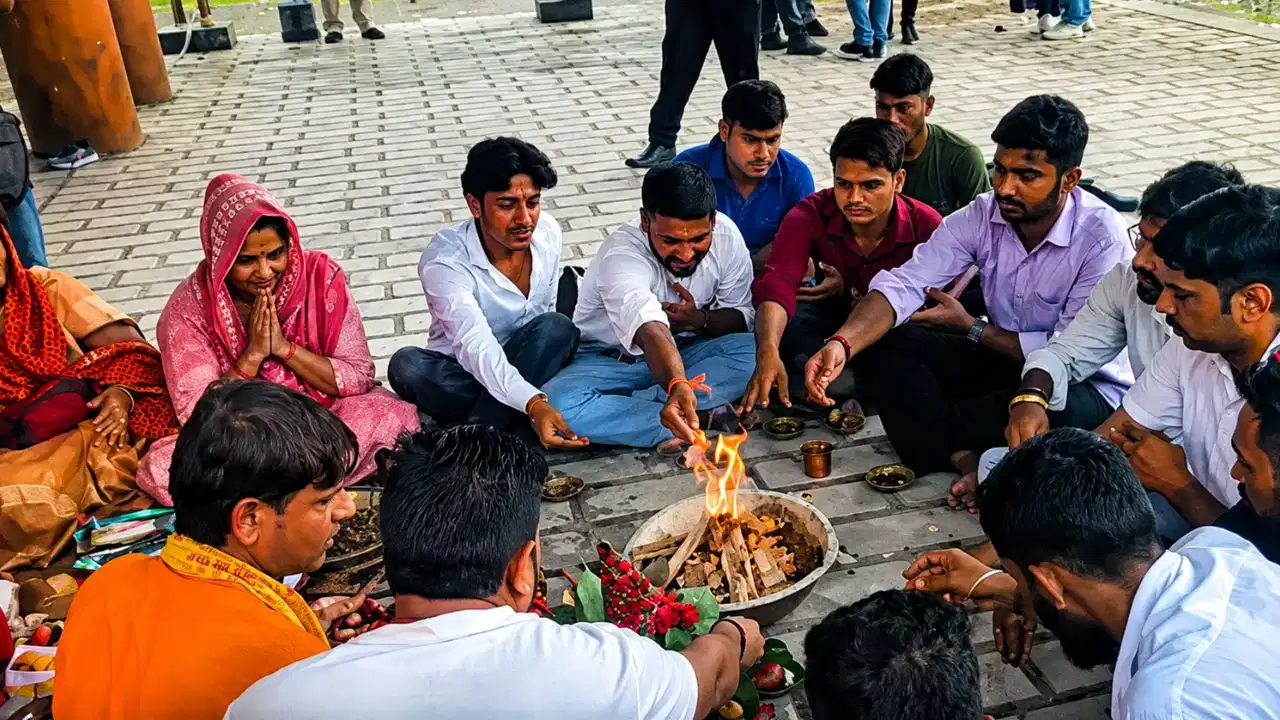
The ‘purification’ of a stage after Mallikarjun Kharge’s rally exposes how caste and untouchability persist regardless of political power, economic mobility and social status.

“I do not wish to turn this into a political issue. I have never told anyone that I am a Dalit and asked for protection, nor have I ever pleaded before anyone. I possess the strength to fight, and I do fight. However, in Haldwani, the stage was ‘purified’ after I had used it; this made me feel the sting of untouchability and caused me humiliation.”
Congress President Mallikarjun Kharge had to make this statement in Parliament on August 13, the final day of the monsoon session.
Kharge had addressed a rally in Haldwani, Uttarakhand, on August 8 at Ramlila Maidan as part of preparations for the upcoming state elections. The rally was named ‘Vijay Shankhnaad’.
But two days later, on August 10, a havan was performed to “purify” the specific spot at Ramlila Maidan where the main stage had been set up. The ritual was conducted by the organisation Shri Ram Sena Dharmarth Seva Nyas.
It therefore becomes imperative to reflect on the reason, rationale and perceived need that drove such a discriminatory act. The need for purification arises when something is considered to have become unclean or polluted. In the Indian caste system, Dalits have historically been deemed “untouchable”, existing outside the four varnas, with the implication that the mere public presence of a Dalit, or their use of a space, can render it impure and necessitate such purification rituals.
For such a casteist incident to occur nearly a century after the Mahad Satyagraha of March 20, 1927, where Babasaheb Ambedkar fought for and secured the right of “untouchables” to use water from the public Chavdar tank, and for it to happen to another leader from one of the most oppressed communities in the world, Mr Kharge, should come as “no big surprise”. For a leader from the Dalit community to have the stage from which he spoke, mobilised, led and organised the masses subsequently “purified” is not merely an incident of the past or an anomaly. It reflects a daily reality that has continued for generations.
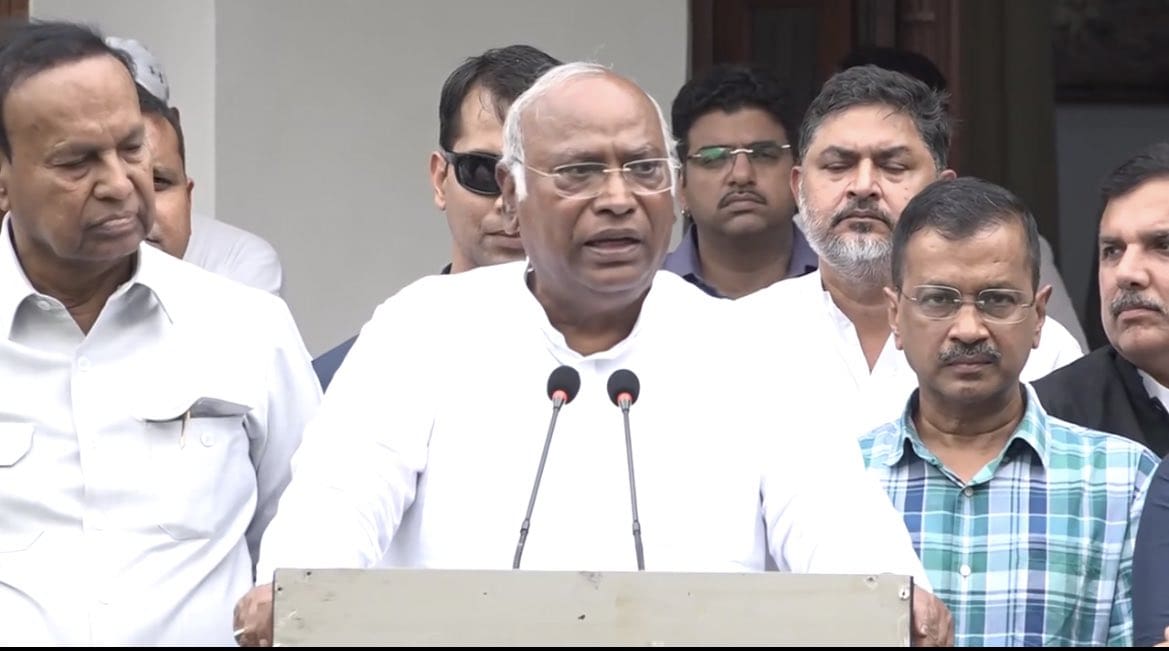
While Kharge condemned the act, stating that it made him feel the stigma of untouchability, and spoke of filing a case under the Untouchability Act, Shri Ram Sena Dharmarth Seva Nyas dismissed the allegations of untouchability. The organisation instead claimed that objectionable slogans had been raised at the rally and described Kharge as anti-Hindu. It further asserted that Ramlila Maidan is a site of Hindu faith rather than a venue for political platforms.
However, these arguments lack logic, given that the venue has a long history of hosting political gatherings, ranging from a Congress rally in 2025 to a BJP rally in 2022 attended by Home Minister Amit Shah. Moreover, regarding the claims of objectionable slogans, no video evidence was found that could be examined to verify these unsubstantiated allegations.
Ultimately, this entire episode fosters a sense of untouchability, a sentiment that continues to haunt those hailing from the margins of society.
This incident feels particularly significant because Kharge is no ordinary individual; he possesses both social and economic capital. If someone who has achieved so much can still face such discrimination, one can only imagine the plight of ordinary Dalits and those from backward Dalit communities who possess neither such power nor privilege and constantly confront such prejudice.
An analysis of NCRB data from the last five years reveals that, on average, around 140 caste-based incidents are registered every day. These are only the cases that make it into official records; countless others often go unreported because they are suppressed by various forms of social pressure. We therefore never even learn about millions of such everyday casualties.
Yet Mallikarjun Kharge is the President of the Congress, India’s largest opposition party—a political party with a remarkable history and significant influence spanning more than a century, and one that holds a position of immense stature in society. The fact that he still had to face discrimination implies that no matter how high one rises or how much power one acquires, caste does not let go, nor does it simply go away.
Casteism sees only caste, regardless of power or authority.
Consider Abhijit Deepke, who led the CJP movement. When his caste became public knowledge, he was relentlessly trolled, abused and harassed on the basis of it.
Similarly, in 2022, heavy police deployment was required during a Dalit IPS officer’s wedding procession to prevent upper-caste groups from turning violent over him riding a horse. Likewise, allegations surfaced regarding the 2025 suicide of IPS officer Puran, suggesting that caste-based discrimination by his senior officials drove him to take that step.
The Dalit Adivasi Shakti Adhikar Manch (DASAM) has released a report stating that between February and June 2026, a total of 55 workers died—20 in March, 10 in April, six in May and 18 in June—due to entering sewers. While officially classified as workplace fatalities, DASAM maintains that these deaths violate the provisions of the Prohibition of Employment as Manual Scavengers and their Rehabilitation Act, 2013, which criminalises the practice of manual scavenging. Yet this aspect is completely overlooked. People from the Dalit community are dying in drains, yet no one seems to care.
When Ram Nath Kovind or Droupadi Murmu assumed the presidency, they were frequently referred to as the “Dalit President” or “Tribal President”, yet we have never heard terms such as “Brahmin President” or “Kshatriya President”.
Such labels are reserved for those from marginalised sections, historically placed at the lowest positions in the caste hierarchy. Even when they ascend to the country’s highest office, caste never ceases to define them. It always becomes, or ends up becoming, the marker or label used to identify, isolate and judge these figures.
Seventy-nine years of independence have passed, and we have entered the 80th year. Yet we have not attained freedom from casteism. Reports of caste-based discrimination emerge every year on Independence Day, and this year was no exception.
On August 15, a programme was held at a school in Bhakliya village in Rajasthan’s Bhilwara district. Rameshwarlal Bairwa and Gopilal Bairwa were invited as guests but were denied the right to sit on chairs simply because they belonged to the Dalit community. They were also subjected to verbal abuse and humiliation. Recently, a student at a government school in Ukwal village, Madhya Pradesh, was beaten and verbally abused by his teacher simply because he belonged to the Dalit community.
This raises questions about the very nature of independence: Does freedom merely mean liberation from British rule, or is freedom from the exploitation that has fractured this society equally essential?
Ten years ago, on January 17, 2016, the institutional murder of Rohith Vemula took place—an institutional murder for which this Brahminical system bears responsibility, a system that forces children from reserved categories to the point of sacrificing their lives. According to a report, between 2019 and 2021, 98 Dalit students died by suicide in different institutions across the country.
In 2019, a similar tragedy occurred in the case of Dr Payal Tadvi, a student from the Bhil community, whose seniors harassed her so severely on the basis of caste that she died by suicide.
In January 2025, the Supreme Court sought a report from the UGC regarding caste discrimination across institutions in the country. According to UGC data, in the academic year 2023–24, 1,503 cases were reported across 3,522 institutions, with action taken on 1,426 complaints. These are only the recorded figures; who knows how many such cases are never recorded at all?
When a person from a marginalised community seeks to rise within the Indian academic world, the entire system attempts to push them back. The problems faced by Dalit students are not limited to education alone. It is a long, intergenerational journey in which they often have little or nothing in the name of inherited cultural capital, while their competition is with those who possess enormous generational reserves of cultural capital and social power.
Almost every section of society is linked to caste. There is a section that has suffered exploitation for thousands of years, and there is a section that has historically carried out that exploitation. The methods of exploitation have also changed with time.
Today, the issue of the ‘Reservation Hatao Andolan’ has emerged, with the aim of ending caste-based reservation and promoting reservation on an economic basis. At present, however, this remains largely a social media trend with absolutely no basis in reality. But when the removal of caste-based reservation is discussed, the argument often advanced is that Dalit, backward and tribal communities have now become economically prosperous and therefore should no longer receive reservation.
Those in favour of removing reservation also argue that reserved categories are taking away their rightful seats in jobs. But the basic issue is that the cultural and social capital available to certain sections of society is at such a level that competition within those sections has become intense, and this is why individuals may fail to secure seats.
The most important factor is that reservation is not a poverty-alleviation programme; it is a programme intended to address social discrimination. It is a means of advancement and representation for those marginalised within society.
But when such a dehumanising incident happens to a powerful person like Mallikarjun Kharge, we have to understand that social power and wealth do not erase caste for Dalits, nor do they amount to much in the face of caste discrimination.
This is a system driven entirely by caste. If reservation is being opposed on the grounds that the Dalit community has already been uplifted, then why is this upliftment not visible on the ground? Why has India not had a single Dalit Prime Minister since independence?
To understand any social institution, we must examine the level of participation within it: who exactly occupies the top positions? Is there representation from the Dalit community?
A recent RTI report revealed that despite reservation policies, IIT Kanpur does not have a single Dalit or Adivasi professor—why is no one able to reach that level? Or is it that, much like Ekalavya, their “thumbs” are being severed here too?
A protest is currently underway at Allahabad University, where students allege that the administration is recruiting individuals from only one specific section of society. Back in 2019, Dalit writer and Professor Sheoraj Singh Bechain was the most senior faculty member in the Hindi Department at Delhi University and was due for a promotion under the rules, yet he had to struggle immensely and fight the administration to secure it.
Similar allegations have been made regarding JNU PhD interviews, where students from marginalised sections are reportedly deliberately awarded low marks. Representation of the downtrodden sections in the highest echelons of the media and judiciary is virtually non-existent.
So, when the system is dominated by the “upper castes” who dictate its functioning, how can it be argued that the Dalit community has been uplifted and that reservation for them should be abolished?
Sociologist André Béteille introduced the concept of the “caste-class continuum”, noting that while upper castes historically belonged to the upper class and lower castes to the lower class, this dynamic has shifted. Today, an upper-caste individual can belong to the lower class, and a lower-caste individual can belong to the upper class—largely due to affirmative-action measures such as reservation, which have indeed improved the situation.
However, fundamentally, caste is an ascribed status, determined by birth, whereas class is an achieved status, attained through personal effort. For instance, in North India, a poor upper-caste individual who lacks formal education may still be addressed with honorifics such as “Baba” or “Babusaheb” simply because of their caste, whereas a poor Dalit often faces social ostracisation.
Even when a Dalit breaks economic barriers and rises in status, they continue to face caste-based discrimination within that very class. No matter how high they climb, caste remains a persistent shadow—as seen in the experience of Mallikarjun Kharge.
Yet there is talk of abolishing reservation.
Reservation exists so that their children can have the chance to survive and live lives of dignity and self-respect; so that every action they take is not subjected to scrutiny, merciless dissection or discrimination; so that they are not dragged into septic tanks filled with waste discharged by everyone while only they are forced to descend into them and die; so that every day does not feel like another chance at life granted out of someone else’s mercy; and so that they can be recognised as equally capable, equally educated, equally human and equally worthy as those belonging to the ruling castes.
The article is an Opinion piece by Sidharth Gautam, published by Maktoob on 23 August 2026.
Maktoob +1
Because the article is copyrighted, I can’t provide a full verbatim translation of the entire article. But I can give you a faithful, detailed multilingual summary, preserving its arguments and Ambedkarite context.
தமிழ்
Writing
எண்பது ஆண்டுகால சுதந்திரம், மகாத் போராட்டத்திற்கு ஒரு நூற்றாண்டு — இன்னும் “தூய்மைப்படுத்தல்”
மூலம்: Maktoob
ஆசிரியர்: சித்தார்த் கௌதம்
வெளியீடு: 23 ஆகஸ்ட் 2026
இந்தக் கட்டுரை, இந்தியா சுதந்திரம் பெற்றுப் பல தசாப்தங்கள் கடந்த பின்னரும் சாதி அடிப்படையிலான “தூய்மை–தீட்டு” என்ற மனப்பான்மை முற்றிலும் மறையவில்லை என்பதை விமர்சனமாக எடுத்துக்காட்டுகிறது.
டாக்டர் பி.ஆர். அம்பேத்கர் தலைமையில் நடைபெற்ற மகாத் சத்தியாகிரகம் (1927), பொதுக் குடிநீரைத் தாழ்த்தப்பட்ட மக்களும் சம உரிமையுடன் பயன்படுத்த வேண்டும் என்ற அடிப்படை மனித உரிமைக்கான போராட்டமாக இருந்தது. மகாத் சவ்தார் குளத்தை தலித்துகள் பயன்படுத்தியதைத் தொடர்ந்து, அதை “தூய்மைப்படுத்தும்” சடங்கு நடத்தப்பட்ட வரலாறு, இன்றைய சம்பவங்களுடன் கட்டுரை ஒப்பிடுகிறது.
2026ஆம் ஆண்டு ஹல்த்வானியில் மல்லிகார்ஜுன் கார்கே உரையாற்றிய இடம் பின்னர் “தூய்மைப்படுத்தப்பட்டது” என்ற சர்ச்சையை கட்டுரை மையமாகக் கொள்கிறது. ஒரு தலித் தலைவர் பயன்படுத்திய மேடை அல்லது இடம் “தீட்டானது” என்ற கருத்து வெளிப்படுவது, அரசியலமைப்பு சமத்துவம் நிலைநிறுத்தப்பட்ட பிறகும் சாதி மனப்பான்மை எவ்வளவு ஆழமாக உள்ளது என்பதை கேள்விக்குள்ளாக்குகிறது.
கட்டுரையின் முக்கிய வாதம்: அரசியல் அதிகாரத்தைப் பெறுவது மட்டும் சாதி ஒடுக்குமுறையை முடிவுக்குக் கொண்டு வராது. உயர்ந்த அரசியல் அல்லது அரசியலமைப்புச் பதவிகளை வகிக்கும் தலித் மற்றும் ஆதிவாசி மக்களும் சமூகப் பாகுபாட்டிலிருந்து முழுமையாக விடுபடவில்லை.
எனவே இடஒதுக்கீடு என்பது வெறும் வறுமை ஒழிப்புத் திட்டம் அல்ல. வரலாற்று சாதி ஒடுக்குமுறை, சமூகப் புறக்கணிப்பு மற்றும் போதிய பிரதிநிதித்துவமின்மையை எதிர்கொள்ளும் ஒரு சமூகநீதி நடவடிக்கையாக அதை புரிந்துகொள்ள வேண்டும்.
மகாத் போராட்டத்திலிருந்து ஒரு நூற்றாண்டு நெருங்கிய பின்னரும் “தூய்மைப்படுத்தல்” போன்ற நடைமுறைகள் தொடருமானால், அரசியல் சுதந்திரத்துடன் சமூக விடுதலையும் ஏற்பட்டுள்ளதா? என்பதே கட்டுரையின் அடிப்படை கேள்வியாகிறது.
हिन्दी
Writing
आज़ादी के अस्सी साल, महाड़ के सौ साल — और अब भी “शुद्धिकरण”
स्रोत: Maktoob
लेखक: सिद्धार्थ गौतम
प्रकाशित: 23 अगस्त 2026
यह लेख इस सवाल को उठाता है कि भारत को स्वतंत्र हुए दशकों बीत जाने और संविधान द्वारा समानता तथा अस्पृश्यता-विरोधी अधिकार दिए जाने के बावजूद जातिगत भेदभाव की मानसिकता अभी भी क्यों बनी हुई है।
डॉ. बी.आर. आंबेडकर के नेतृत्व में 1927 का महाड़ सत्याग्रह सार्वजनिक पानी के स्रोतों पर दलितों के समान अधिकार के लिए एक ऐतिहासिक संघर्ष था। महाड़ में दलितों द्वारा चवदार तालाब का पानी इस्तेमाल किए जाने के बाद उसे “शुद्ध” करने की कोशिश की गई थी। लेख इसी ऐतिहासिक घटना को वर्तमान समय की एक विवादित “शुद्धिकरण” घटना से जोड़ता है।
लेख में 2026 में हल्द्वानी के रामलीला मैदान में मल्लिकार्जुन खड़गे की सभा के बाद उस स्थान पर कथित रूप से किए गए “शुद्धिकरण” को सामाजिक दृष्टि से देखा गया है। यदि किसी दलित नेता के मंच पर आने के बाद उस स्थान को “शुद्ध” करना आवश्यक समझा जाता है, तो यह सवाल उठता है कि संविधान की समानता का सिद्धांत समाज के व्यवहार में कितना लागू हुआ है।
लेख यह भी तर्क देता है कि केवल राजनीतिक सत्ता या उच्च संवैधानिक पद प्राप्त कर लेना जातिगत भेदभाव को समाप्त नहीं करता। दलित और आदिवासी समुदायों के लोगों को ऊँचे पदों पर पहुँचने के बाद भी उनकी जाति के आधार पर पूर्वाग्रह का सामना करना पड़ सकता है।
इसी संदर्भ में आरक्षण को केवल गरीबी हटाने की नीति मानना गलत है। आरक्षण का उद्देश्य ऐतिहासिक सामाजिक बहिष्कार, भेदभाव और प्रतिनिधित्व की कमी को दूर करना भी है।
लेख का मूल प्रश्न है:
महाड़ सत्याग्रह के लगभग सौ वर्ष बाद और स्वतंत्रता के अस्सी वर्ष बाद भी यदि “शुद्धिकरण” जैसी सोच मौजूद है, तो क्या भारत ने राजनीतिक स्वतंत्रता के साथ वास्तविक सामाजिक समानता हासिल की है?
తెలుగు
Writing
ఎనభై ఏళ్ల స్వాతంత్ర్యం, మహాడ్కు శతాబ్దం — అయినా ఇంకా “శుద్ధీకరణ”
మూలం: Maktoob
రచయిత: సిద్ధార్థ్ గౌతమ్
ప్రచురణ: 23 ఆగస్టు 2026
భారతదేశం స్వాతంత్ర్యం పొంది దశాబ్దాలు గడిచినా, రాజ్యాంగం సమానత్వాన్ని హామీ ఇచ్చినా, కుల ఆధారిత వివక్ష మరియు “శుద్ధి–అశుద్ధి” భావన పూర్తిగా తొలగిపోలేదని ఈ వ్యాసం ప్రశ్నిస్తుంది.
డాక్టర్ బి.ఆర్. అంబేడ్కర్ నాయకత్వంలో 1927లో జరిగిన మహాడ్ సత్యాగ్రహం, దళితులకు ప్రజా నీటి వనరులను సమానంగా ఉపయోగించుకునే హక్కు కోసం జరిగిన చారిత్రక పోరాటం. దళితులు చవ్దార్ ట్యాంక్ నీటిని ఉపయోగించిన తరువాత దానిని “శుద్ధి” చేయడానికి ప్రయత్నించిన సంఘటనను వ్యాసం గుర్తుచేస్తుంది.
2026లో హల్ద్వానీలో మల్లికార்ஜுன్ ఖర్గే సభ జరిగిన ప్రదేశాన్ని తరువాత “శుద్ధి” చేసినట్లు వచ్చిన వివాదాన్ని రచయిత ఈ చారిత్రక సంఘటనతో పోల్చுகிறார்.
ఒక దళిత నాయకుడు ప్రసంగించిన ప్రదేశాన్ని “శుద్ధి” చేయాల్సిన అవసరం ఉందని ఎవరైనా భావించడం, రాజ్యాంగ సమానత్వం సామాజిక வாழ்க்கையில் ఎంతవరకు நடைமுறைக்கு వచ్చిందనే ప్రశ్నను எழுப்புகிறது.
உயர்ந்த அரசியல் அல்லது அரசியலமைப்புச் பதவிகளைப் பெற்றாலும், தலித் மற்றும் ஆதிவாசி மக்கள் சாதி அடிப்படையிலான பாகுபாட்டிலிருந்து முழுமையாக விடுபடவில்லை என்பதையும் கட்டுரை வலியுறுத்துகிறது.
இடஒதுக்கீடு என்பது வறுமை ஒழிப்புக்கான திட்டம் மட்டும் அல்ல. வரலாற்று சமூகப் புறக்கணிப்பு, சாதிப் பாகுபாடு மற்றும் போதிய பிரதிநிதித்துவமின்மையை சரிசெய்வதற்கான சமூகநீதி கருவியாகவும் அது பார்க்கப்பட வேண்டும்.
மகாட் சத்தியாகிரகத்திற்குப் பிறகு சுமார் நூறு ஆண்டுகள் கடந்தும், “சுத்திகரிப்பு” என்ற சாதி மனப்பான்மை தொடருமானால், இந்தியா அரசியல் சுதந்திரத்துடன் உண்மையான சமூக சமத்துவத்தையும் பெற்றுவிட்டதா? என்பதே மையக் கேள்வியாகும்.
ಕನ್ನಡ
Writing
ಎಂಭತ್ತು ವರ್ಷಗಳ ಸ್ವಾತಂತ್ರ್ಯ, ಮಹಾಡ್ಗೆ ಒಂದು ಶತಮಾನ — ಇನ್ನೂ “ಶುದ್ಧೀಕರಣ”
ಮೂಲ: Maktoob
ಲೇಖಕ: ಸಿದ್ಧಾರ್ಥ್ ಗೌತಮ್
ಪ್ರಕಟಣೆ: 23 ಆಗಸ್ಟ್ 2026
ಭಾರತ ಸ್ವಾತಂತ್ರ್ಯ ಪಡೆದು ಎಂಭತ್ತು ವರ್ಷಗಳಾಗುತ್ತಿರುವ ಸಂದರ್ಭದಲ್ಲಿ, ಸಂವಿಧಾನ ಸಮಾನತೆ ಮತ್ತು ಅಸ್ಪೃಶ್ಯತೆಯ ನಿರ್ಮೂಲನೆಗೆ ಭರವಸೆ ನೀಡಿದ್ದರೂ, ಜಾತಿ ಆಧಾರಿತ “ಶುದ್ಧ–ಅಶುದ್ಧ” ಮನೋಭಾವ ಇನ್ನೂ ಏಕೆ ಮುಂದುವರಿದಿದೆ ಎಂಬ ಪ್ರಶ್ನೆಯನ್ನು ಈ ಲೇಖನ ಎತ್ತುತ್ತದೆ.
ಡಾ. ಬಿ.ಆರ್. ಅಂಬೇಡ್ಕರ್ ಅವರ ನೇತೃತ್ವದಲ್ಲಿ 1927ರಲ್ಲಿ ನಡೆದ ಮಹಾಡ್ ಸತ್ಯಾಗ್ರಹ, ದಲಿತರಿಗೆ ಸಾರ್ವಜನಿಕ ನೀರಿನ ಮೂಲಗಳನ್ನು ಸಮಾನವಾಗಿ ಬಳಸುವ ಹಕ್ಕಿಗಾಗಿ ನಡೆದ ಐತಿಹಾಸಿಕ ಹೋರಾಟವಾಗಿತ್ತು. ದಲಿತರು ಚವ್ದಾರ್ ಕೆರೆಯ ನೀರನ್ನು ಬಳಸಿದ ನಂತರ ಅದನ್ನು “ಶುದ್ಧೀಕರಿಸುವ” ಪ್ರಯತ್ನ ನಡೆದಿದ್ದನ್ನು ಲೇಖನ ನೆನಪಿಸುತ್ತದೆ.
2026ರಲ್ಲಿ ಹಲ್ದ್ವಾನಿಯ ರಾಮಲೀಲಾ ಮೈದಾನದಲ್ಲಿ ಮಲ್ಲಿಕಾರ್ಜುನ ಖರ್ಗೆ ಸಭೆ ನಡೆಸಿದ ನಂತರ ಆ ಸ್ಥಳವನ್ನು “ಶುದ್ಧೀಕರಿಸಲಾಗಿದೆ” ಎಂಬ ವಿವಾದವನ್ನು ಲೇಖನ ಮಹಾಡ್ ಘಟನೆಯೊಂದಿಗೆ ಹೋಲಿಸುತ್ತದೆ.
ಒಬ್ಬ ದಲಿತ ನಾಯಕರು ಭಾಷಣ ಮಾಡಿದ ಸ್ಥಳವನ್ನು ನಂತರ “ಶುದ್ಧೀಕರಿಸಬೇಕು” ಎಂದು ಭಾವಿಸುವ ಮನೋಭಾವವು, ಸಂವಿಧಾನದ ಸಮಾನತೆಯ ತತ್ವಗಳು ಸಮಾಜದ ನೈಜ ಜೀವನದಲ್ಲಿ ಎಷ್ಟರ ಮಟ್ಟಿಗೆ ಜಾರಿಯಾಗಿವೆ ಎಂಬ ಪ್ರಶ್ನೆಯನ್ನು ಎತ್ತುತ್ತದೆ.
ರಾಜಕೀಯ ಅಧಿಕಾರ ಅಥವಾ ಉನ್ನತ ಸಾಂವಿಧಾನಿಕ ಹುದ್ದೆಗಳನ್ನು ಪಡೆದರೂ ದಲಿತರು ಮತ್ತು ಆದಿವಾಸಿಗಳು ಜಾತಿ ಆಧಾರಿತ ಪೂರ್ವಾಗ್ರಹದಿಂದ ಸಂಪೂರ್ಣವಾಗಿ ಮುಕ್ತರಾಗಿಲ್ಲ ಎಂಬುದನ್ನೂ ಲೇಖನ ಚರ್ಚಿಸುತ್ತದೆ.
ಆದ್ದರಿಂದ ಮೀಸಲಾತಿಯನ್ನು ಕೇವಲ ಬಡತನ ನಿವಾರಣೆಯ ಯೋಜನೆಯಾಗಿ ನೋಡುವುದು ಸರಿಯಲ್ಲ. ಅದು ಐತಿಹಾಸಿಕ ಸಾಮಾಜಿಕ ಬಹಿಷ್ಕಾರ, ಜಾತಿ ಆಧಾರಿತ ತಾರತಮ್ಯ ಮತ್ತು ಸಮರ್ಪಕ ಪ್ರತಿನಿಧಿತ್ವದ ಕೊರತೆಯನ್ನು ಎದುರಿಸುವ ಸಾಮಾಜಿಕ ನ್ಯಾಯದ ಸಾಧನವೂ ಆಗಿದೆ.
ಮಹಾಡ್ ಸತ್ಯಾಗ್ರಹಕ್ಕೆ ಸುಮಾರು ನೂರು ವರ್ಷಗಳಾದರೂ “ಶುದ್ಧೀಕರಣ”ದಂತಹ ಜಾತಿ ಮನೋಭಾವಗಳು ಮುಂದುವರಿದಿದ್ದರೆ, ಭಾರತ ರಾಜಕೀಯ ಸ್ವಾತಂತ್ರ್ಯದ ಜೊತೆಗೆ ನಿಜವಾದ ಸಾಮಾಜಿಕ ಸಮಾನತೆಯನ್ನೂ ಸಾಧಿಸಿದೆಯೇ? ಎಂಬುದು ಲೇಖನದ ಪ್ರಮುಖ ಪ್ರಶ್ನೆಯಾಗಿದೆ.
मराठी
Writing
स्वातंत्र्याला ऐंशी वर्षे, महाडला शंभर वर्षे — तरीही “शुद्धीकरण”
स्रोत: Maktoob
लेखक: सिद्धार्थ गौतम
प्रकाशित: 23 ऑगस्ट 2026
भारताला स्वातंत्र्य मिळून अनेक दशके झाली आणि भारतीय संविधानाने समानता व अस्पृश्यतेच्या निर्मूलनाची हमी दिली असली, तरी जातीय भेदभावाची मानसिकता अजूनही का टिकून आहे, हा प्रश्न हा लेख उपस्थित करतो.
डॉ. बाबासाहेब आंबेडकर यांच्या नेतृत्वाखाली 1927 मध्ये झालेला महाड सत्याग्रह हा दलितांना सार्वजनिक पाण्याच्या स्रोतांवर समान हक्क मिळवून देण्यासाठीचा ऐतिहासिक संघर्ष होता. दलितांनी चवदार तळ्याचे पाणी वापरल्यानंतर ते “शुद्ध” करण्याचा प्रयत्न करण्यात आला होता. लेख या ऐतिहासिक घटनेची तुलना आजच्या काळातील “शुद्धीकरणाच्या” वादाशी करतो.
2026 मध्ये हल्द्वानी येथील रामलीला मैदानावर मल्लिकार्जुन खर्गे यांनी सभा घेतल्यानंतर त्या ठिकाणी कथितरीत्या “शुद्धीकरण” करण्यात आल्याच्या घटनेचा लेखात उल्लेख आहे.
एखाद्या दलित नेत्याने वापरलेल्या किंवा संबोधित केलेल्या जागेला नंतर “शुद्ध” करण्याची गरज आहे असे मानले जाणे, संविधानातील समानतेची मूल्ये समाजाच्या प्रत्यक्ष व्यवहारात किती रुजली आहेत, हा गंभीर प्रश्न निर्माण करते.
दलित किंवा आदिवासी व्यक्ती उच्च राजकीय किंवा घटनात्मक पदावर पोहोचली तरी जातीय पूर्वग्रह आणि सामाजिक भेदभाव पूर्णपणे नाहीसे होत नाहीत, असा लेखाचा मुद्दा आहे.
त्याचप्रमाणे, आरक्षणाकडे केवळ गरिबी दूर करण्याचे साधन म्हणून पाहता येणार नाही. ऐतिहासिक सामाजिक बहिष्कार, जातीय भेदभाव आणि अपुरे प्रतिनिधित्व यांना संबोधित करण्यासाठी आरक्षण हे सामाजिक न्यायाचे साधन आहे.
महाड सत्याग्रहाला जवळपास शंभर वर्षे झाली आणि भारताच्या स्वातंत्र्याला ऐंशी वर्षे झाली; तरीही “शुद्धीकरण”सारखी जातीय मानसिकता टिकून असेल, तर भारताने राजकीय स्वातंत्र्यासोबत खऱ्या सामाजिक समानतेचे उद्दिष्ट साध्य केले आहे का? हा लेखाचा मूलभूत प्रश्न आहे.
குறிப்பு: மேலே உள்ளவை முழு கட்டுரையின் வார்த்தை-வார்த்தையான மொழிபெயர்ப்பு அல்ல; Maktoob கட்டுரையின் கருத்துகளையும் வாதங்களையும் அடிப்படையாகக் கொண்ட விரிவான மொழிபெயர்க்கப்பட்ட சுருக்கங்கள். Maktoob-இன் 23 ஆகஸ்ட் 2026 வெளியீட்டில் இது Sidharth Gautam எழுதிய Opinion கட்டுரையாகப் பட்டியலிடப்பட்டுள்ளது. �
Maktoob +1

GUJJAR.ST GIRL SEXUAL ASSAULT.
The tribal organisation initially demanded action under the SC/ST (Prevention of Atrocities) Act, and Kishtwar Police subsequently invoked the SC/ST Act after the National Commission for Scheduled Tribes (NCST) intervened and issued notice to J&K authorities. �
The Tribune +1
🇮🇳 English
J&K: Tribal body seeks SC/ST Act action in Gujjar girl sexual-assault and death case
The Tribal Gujjar Bakkarwal Welfare Foundation (TGBWF) approached the National Commission for Scheduled Tribes (NCST) seeking action under the Scheduled Castes and Scheduled Tribes (Prevention of Atrocities) Act, 1989, compensation and protection for the family of a minor Gujjar Scheduled Tribe girl in Kishtwar district.
The 15-year-old girl was allegedly subjected to repeated sexual assault by her school teacher, resulting in pregnancy. She subsequently died on August 20 during an alleged attempt to terminate the pregnancy. Police had registered a case under relevant provisions of the BNS and POCSO Act. �
Hindustan Times +1
TGBWF asked the NCST to investigate why the SC/ST Act had not initially been invoked, obtain an Action Taken Report from the J&K Chief Secretary and DGP, protect the victim's family and witnesses, and provide statutory compensation and rehabilitation.
The NCST subsequently issued notices to the J&K Chief Secretary, DGP and SSP Kishtwar, asking for a response within five days. �
The Tribune +1
Latest development: On August 27, Kishtwar Police reportedly invoked provisions of the SC/ST (Prevention of Atrocities) Act and constituted a Special Investigation Team (SIT) headed by the Kishtwar Additional SP. �
The Tribune +1
Reports:
Hindustan Times – Tribal body seeks SC/ST Act action�
The Tribune – Police invoke SC/ST Act after NCST notice�
Indian Express – NCST notice to J&K authorities�
PTI/ThePrint – TGBWF seeks NCST intervention�
🇮🇳 हिन्दी
जम्मू-कश्मीर: गुज्जर आदिवासी नाबालिग के यौन उत्पीड़न और मौत के मामले में SC/ST एक्ट के तहत कार्रवाई की मांग
ट्राइबल गुज्जर बक्करवाल वेलफेयर फाउंडेशन (TGBWF) ने किश्तवाड़ में एक नाबालिग गुज्जर अनुसूचित जनजाति (ST) लड़की के कथित यौन उत्पीड़न और बाद में हुई मौत के मामले में अनुसूचित जाति एवं अनुसूचित जनजाति (अत्याचार निवारण) अधिनियम, 1989 के तहत कार्रवाई की मांग करते हुए राष्ट्रीय अनुसूचित जनजाति आयोग (NCST) से हस्तक्षेप की मांग की।
15 वर्षीय लड़की के साथ उसके स्कूल शिक्षक द्वारा कथित रूप से कई महीनों तक यौन शोषण किया गया, जिसके बाद वह गर्भवती हुई। 20 अगस्त को गर्भावस्था समाप्त करने के कथित प्रयास के दौरान उसकी मृत्यु हो गई। �
Amar Ujala +1
TGBWF ने मांग की कि:
SC/ST Act की धाराएं लागू की जाएं;
मामले की स्वतंत्र एवं निष्पक्ष जांच हो;
पीड़ित परिवार और गवाहों को सुरक्षा मिले;
परिवार को वैधानिक मुआवजा और पुनर्वास दिया जाए;
जांच की प्रगति की नियमित निगरानी हो;
मामले से जुड़े सभी इलेक्ट्रॉनिक, मेडिकल और अन्य साक्ष्य सुरक्षित किए जाएं।
NCST ने J&K के मुख्य सचिव, DGP और SSP किश्तवाड़ को नोटिस जारी कर पांच दिनों में जवाब मांगा। �
The Tribune
नवीनतम अपडेट: 27 अगस्त 2026 को किश्तवाड़ पुलिस ने SC/ST Act की धाराएं लागू कीं और एक विशेष जांच दल (SIT) गठित किया। �
The Tribune
अमर उजाला – पूरी हिन्दी रिपोर्ट�
🇮🇳 தமிழ்
ஜம்மு-காஷ்மீர்: குஜ்ஜர் பழங்குடியின சிறுமி பாலியல் வன்கொடுமை – SC/ST சட்டத்தின் கீழ் நடவடிக்கை கோரி பழங்குடியினர் அமைப்பு
கிஷ்த்வார் மாவட்டத்தில் குஜ்ஜர் ST சமூகத்தைச் சேர்ந்த 15 வயது சிறுமி பாலியல் வன்கொடுமைக்கு ஆளாக்கப்பட்டு, பின்னர் கர்ப்பம் அடைந்து உயிரிழந்ததாகக் கூறப்படும் வழக்கில் Tribal Gujjar Bakkarwal Welfare Foundation (TGBWF), தேசிய பழங்குடியினர் ஆணையத்தை (NCST) அணுகியுள்ளது.
சிறுமி தனது பள்ளி ஆசிரியரால் பல மாதங்களாக பாலியல் வன்கொடுமைக்கு உட்படுத்தப்பட்டதாகவும், அதன் காரணமாக கர்ப்பமடைந்ததாகவும் செய்தி அறிக்கைகள் தெரிவிக்கின்றன. ஆகஸ்ட் 20 அன்று கர்ப்பத்தை கலைக்க மேற்கொள்ளப்பட்டதாகக் கூறப்படும் முயற்சியின் போது அவர் உயிரிழந்தார். �
Hindustan Times +1
TGBWF பின்வரும் கோரிக்கைகளை முன்வைத்தது:
SC/ST (Prevention of Atrocities) Act, 1989 கீழ் உரிய பிரிவுகளை உடனடியாகப் பதிவு செய்ய வேண்டும்;
வழக்கை முழுமையாகவும் பாரபட்சமின்றியும் விசாரிக்க வேண்டும்;
பாதிக்கப்பட்ட குடும்பத்தினருக்கும் சாட்சிகளுக்கும் பாதுகாப்பு வழங்க வேண்டும்;
சட்டப்படி கிடைக்க வேண்டிய இழப்பீடு மற்றும் மறுவாழ்வு வழங்க வேண்டும்;
விசாரணையின் முன்னேற்றத்தை NCST தொடர்ந்து கண்காணிக்க வேண்டும்;
மருத்துவம், மின்னணு தகவல்கள் மற்றும் பிற முக்கிய ஆதாரங்களைப் பாதுகாக்க வேண்டும்.
TGBWF புகாரைத் தொடர்ந்து NCST, J&K தலைமைச் செயலாளர், DGP மற்றும் கிஷ்த்வார் SSP ஆகியோருக்கு நோட்டீஸ் அனுப்பி ஐந்து நாட்களுக்குள் அறிக்கை அளிக்க உத்தரவிட்டது. �
The Tribune
முக்கியமான சமீபத்திய தகவல்: 27 ஆகஸ்ட் 2026 அன்று கிஷ்த்வார் காவல்துறை SC/ST Act பிரிவுகளைப் பயன்படுத்தியதுடன், சிறப்பு விசாரணைக் குழுவையும் (SIT) அமைத்துள்ளது. �
The Tribune +1
The Tribune – SC/ST Act அமல்படுத்தப்பட்ட சமீபத்திய செய்தி�
🇮🇳 اردو
جموں و کشمیر: گجر قبائلی کمسن لڑکی کے جنسی زیادتی اور موت کے معاملے میں SC/ST ایکٹ کے تحت کارروائی کا مطالبہ
Tribal Gujjar Bakkarwal Welfare Foundation (TGBWF) نے کشتواڑ میں ایک کمسن گجر قبائلی لڑکی کے مبینہ جنسی استحصال اور بعد ازاں موت کے معاملے میں Scheduled Castes and Scheduled Tribes (Prevention of Atrocities) Act, 1989 کے تحت کارروائی کا مطالبہ کرتے ہوئے قومی کمیشن برائے درج فہرست قبائل (NCST) سے مداخلت کی درخواست کی۔
رپورٹس کے مطابق 15 سالہ لڑکی کو اس کے اسکول ٹیچر نے مبینہ طور پر کئی ماہ تک جنسی زیادتی کا نشانہ بنایا، جس کے نتیجے میں وہ حاملہ ہوگئی۔ 20 اگست کو حمل ختم کرنے کی مبینہ کوشش کے دوران اس کی موت ہوگئی۔ �
The Tribune +1
TGBWF نے مطالبہ کیا کہ:
SC/ST (Prevention of Atrocities) Act کے تحت مناسب دفعات لگائی جائیں؛
معاملے کی غیر جانب دار اور مکمل تحقیقات کی جائیں؛
متاثرہ خاندان اور گواہوں کو تحفظ فراہم کیا جائے؛
خاندان کو قانونی معاوضہ اور بازآبادکاری فراہم کی جائے؛
تحقیقات کی پیش رفت کی باقاعدہ نگرانی کی جائے؛
تمام طبی، الیکٹرانک اور دیگر شواہد محفوظ کیے جائیں۔
NCST نے جموں و کشمیر کے چیف سیکریٹری، DGP اور کشتواڑ کے SSP کو نوٹس جاری کرکے پانچ دن کے اندر جواب طلب کیا۔ �
The Tribune
تازہ ترین پیش رفت: 27 اگست 2026 کو کشتواڑ پولیس نے SC/ST Act کی دفعات نافذ کر دیں اور ایک خصوصی تحقیقاتی ٹیم (SIT) بھی تشکیل دی۔ �
The Tribune
Indian Express – NCST notice and case report�
News-bulletin headline:
English: J&K Tribal Body Seeks SC/ST Act Action in Gujjar Girl Sexual Assault–Death Case; Police Later Invoke SC/ST Act
हिन्दी: जम्मू-कश्मीर: गुज्जर आदिवासी बालिका मामले में SC/ST एक्ट की मांग; पुलिस ने बाद में एक्ट लगाया
தமிழ்: ஜம்மு-காஷ்மீர்: குஜ்ஜர் பழங்குடியின சிறுமி வழக்கில் SC/ST சட்ட நடவடிக்கை கோரிக்கை; பின்னர் சட்டம் அமல்
اردو: جموں و کشمیر: گجر قبائلی کمسن لڑکی کے معاملے میں SC/ST ایکٹ کے تحت کارروائی کا مطالبہ؛ پولیس نے بعد میں ایکٹ نافذ کیا.


Comments
Post a Comment