KNOW THE DALIT HISTORY.DANGAWAS DALIT MASSACRE.(In hindi,english,tamil)
Rajasthan: ‘Justice’ Murdered in the Dangawas Dalit Massacre Case
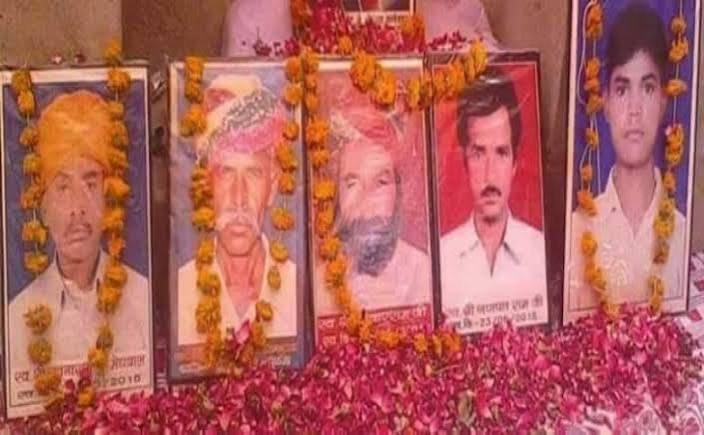
डांगावास दलित नरसंहार.
डांगावास दलित नरसंहार एक प्रमुख जाति-आधारित हिंसक घटना थी, जो 14 मई 2015 को डांगावास गांव, नागौर जिले, राजस्थान में हुई थी।
क्या हुआ?
तत्काल विवाद भूमि—लगभग 15 एकड़ (25 बीघा)—को लेकर एक मेघवाल दलित परिवार और जाट समुदाय के सदस्यों के बीच था। इस विवाद की जड़ें कई दशकों पुरानी थीं और यह मामला अदालत में विचाराधीन था। �
NDTV +1
14 मई 2015 को दोनों पक्षों के बीच हुए टकराव के बाद हिंसा भड़क उठी।
कई दलितों पर हमला किया गया। रिपोर्टों और बाद के शोध में बताया गया है कि पांच मेघवाल दलितों की हत्या हुई, जिनमें ऐसे पीड़ित भी शामिल थे जिन्हें कथित तौर पर ट्रैक्टरों से कुचल दिया गया था। �
University of Bristol +1
अन्य लोग घायल हुए, और दलित घरों तथा महिलाओं पर हमलों के आरोप भी लगे। समकालीन रिपोर्टों में शुरू में चार मौतें और 13 घायलों की जानकारी दी गई थी, जबकि बाद की जांच और शोध में मृतकों की संख्या अधिक दर्ज की गई। �
NDTV +1
यह मामला ग्रामीण भारत में भूमि स्वामित्व, जातिगत शक्ति और दलितों के खिलाफ हिंसा के बीच संबंध का एक महत्वपूर्ण उदाहरण बन गया। एक सहकर्मी-समीक्षित अध्ययन इसे दशकों से चले आ रहे भूमि विवाद की परिणति के रूप में वर्णित करता है। �
Taylor & Francis Online
डांगावास क्यों महत्वपूर्ण है?
यह घटना केवल भूमि विवाद के रूप में महत्वपूर्ण नहीं है, बल्कि इसलिए भी महत्वपूर्ण है क्योंकि यह विवाद गहरी असमानता वाले जातिगत और भूमि-सत्ता के माहौल में हुआ। राष्ट्रीय मानवाधिकार आयोग के शोध में तत्काल घटनाओं के बारे में परस्पर विरोधी विवरण दर्ज किए गए हैं, लेकिन साथ ही दलितों के कब्जे वाली भूमि को लेकर लंबे समय से चले आ रहे विवाद को एक केंद्रीय पृष्ठभूमि कारक के रूप में भी पहचाना गया है। �
National Human Rights Commission
इस मामले की जांच अनुसूचित जाति और अनुसूचित जनजाति (अत्याचार निवारण) अधिनियम, 1989 सहित अन्य आपराधिक प्रावधानों के तहत की गई।
मामले का क्या हुआ?
यह अब विशेष रूप से महत्वपूर्ण है।
अगस्त 2026 में, लगभग 11 वर्षों की कार्यवाही के बाद, मेरता की एक विशेष अदालत ने डांगावास हत्याकांड मामले में सभी 40 आरोपियों को बरी कर दिया। अदालत ने पुलिस और CBI की जांच के बीच गंभीर विरोधाभासों तथा गवाहों के साक्ष्य और जांच में समस्याओं का हवाला दिया। �
The Times of India +1
बरी किए जाने के फैसले से मानवाधिकार समूहों में नई चिंता पैदा हुई है। राजस्थान मानवाधिकार आयोग ने उच्च न्यायालय में अपील दायर करने की मांग की है। �
The Times of India
एक वाक्य में
डांगावास राजस्थान में 2015 की जातिगत हिंसा की एक प्रमुख घटना का प्रतिनिधित्व करता है, जिसमें मेघवाल दलितों से जुड़ा लंबे समय से चला आ रहा भूमि विवाद घातक हिंसा में बदल गया, जिसमें कई दलितों की हत्या हुई और भूमि अधिकार, जातिगत शक्ति, जांच तथा न्याय तक पहुंच को लेकर लगातार बहस बनी हुई है।
यदि आप चाहें, तो मैं अगली बार आपको �डांगावास मामले की पूरी कालक्रम (1954–2026) दे सकता हूँ, जिसमें भूमि विवाद, पीड़ित, आरोपी, FIR, CBI जांच, SC/ST अधिनियम के प्रावधान, अदालती कार्यवाही और 2026 में हुआ बरी किए जाने का फैसला शामिल होगा।
नीचे डांगावास दलित हत्याकांड (Dangawas Dalit Massacre) की पूरी जानकारी हिन्दी में दी जा रही है।
डांगावास दलित हत्याकांड — पूरी समयरेखा
स्थान: डांगावास गाँव, नागौर जिला, राजस्थान
मुख्य समुदाय: मेघवाल दलित
मुख्य विवाद: भूमि का अधिकार और लंबे समय से चला आ रहा भूमि विवाद
मुख्य घटना: मई 2015
1. भूमि विवाद की पृष्ठभूमि — 1950 के दशक से
डांगावास में एक मेघवाल दलित परिवार की कृषि भूमि को लेकर लंबे समय से विवाद चल रहा था।
राष्ट्रीय मानवाधिकार आयोग की सामग्री के अनुसार, भूमि से संबंधित लेन-देन का विवाद 1954 तक जाता है। बाद में भूमि के स्वामित्व और कब्जे को लेकर दोनों पक्षों के बीच कानूनी विवाद चलता रहा।
इसलिए 2015 की घटना अचानक पैदा हुआ सामान्य भूमि विवाद नहीं थी; इसके पीछे कई दशकों से चला आ रहा भूमि अधिकार का संघर्ष था।
2. 14 मई 2015 — हिंसा
14 मई 2015 को डांगावास में दोनों पक्षों के बीच गंभीर हिंसा हुई।
हिंसा कैसे शुरू हुई, इस बारे में दोनों पक्षों के अलग-अलग दावे थे।
लेकिन हिंसा में कई लोग मारे गए और बाद की जांच में पाँच मेघवाल दलित पुरुषों की हत्या का मामला सामने आया:
रतनराम मेघवाल
पोखरराम मेघवाल
पंचाराम मेघवाल
खेमाराम मेघवाल
गणपतराम मेघवाल
बाद की केस रिपोर्टों के अनुसार कुल 6 लोगों की मृत्यु हुई थी।
कुछ दलित पीड़ितों को ट्रैक्टर से कुचलकर मारने का भी आरोप लगाया गया था।
3. दलित महिलाओं पर हमले के आरोप
हिंसा के दौरान दलित घरों और महिलाओं पर हमले के आरोप भी लगाए गए।
एक दलित महिला ने यौन हिंसा का आरोप लगाते हुए शिकायत की थी।
यहाँ एक महत्वपूर्ण कानूनी अंतर समझना जरूरी है: आरोप लगाया जाना और अदालत में आरोप सिद्ध होना अलग बातें हैं।
4. CBI जांच
घटना की गंभीरता और पीड़ित परिवारों की मांगों के बाद मामले की जांच Central Bureau of Investigation (CBI) को दी गई।
CBI ने कई लोगों के खिलाफ आरोपपत्र दाखिल किया।
मामले में अनुसूचित जाति एवं अनुसूचित जनजाति (अत्याचार निवारण) अधिनियम, 1989 सहित विभिन्न कानूनी प्रावधान लगाए गए।
5. लगभग 11 वर्षों तक मुकदमा
मामले की सुनवाई विशेष SC/ST अदालत, मेड़ता (Merta), नागौर में हुई।
अदालत के सामने मुख्य रूप से ये मुद्दे आए:
पुलिस जांच
CBI जांच
गवाहों के बयान
आरोपियों की पहचान
भूमि से संबंधित दस्तावेज
मेडिकल एवं अन्य साक्ष्य
6. 5 अगस्त 2026 — सभी 40 आरोपी बरी
5 अगस्त 2026 को, लगभग 11 वर्षों की न्यायिक प्रक्रिया के बाद विशेष अदालत ने सभी 40 आरोपियों को बरी कर दिया।
रिपोर्टों के अनुसार अदालत ने मुख्य रूप से इन समस्याओं पर ध्यान दिया:
पुलिस और CBI जांच में विरोधाभास
गवाहों के बयानों में महत्वपूर्ण अंतर
आरोपियों की पहचान से संबंधित कमियां
जांच में खामियां
अभियोजन पक्ष द्वारा अपराध को संदेह से परे सिद्ध न कर पाना
इसका कानूनी अर्थ क्या है?
40 आरोपियों के बरी होने का अर्थ यह नहीं है कि अदालत ने कहा कि हिंसा या मौतें हुई ही नहीं थीं।
इसका अर्थ यह है कि:
अभियोजन पक्ष उन 40 आरोपियों की व्यक्तिगत आपराधिक जिम्मेदारी को संदेह से परे साबित नहीं कर पाया।
यह अंतर बहुत महत्वपूर्ण है।
7. 2026 में आगे की कानूनी लड़ाई
बरी किए जाने के बाद राजस्थान मानवाधिकार आयोग ने मामले में उच्च न्यायालय में अपील की दिशा में कदम उठाने की मांग की है।
इसलिए 2026 का ट्रायल कोर्ट का फैसला इस मामले की अंतिम कानूनी स्थिति हो, यह अभी निश्चित रूप से नहीं कहा जा सकता।
डांगावास मामला क्यों महत्वपूर्ण है?
① दलित भूमि अधिकार
दलितों की सामाजिक और आर्थिक स्वतंत्रता में भूमि का स्वामित्व महत्वपूर्ण भूमिका निभाता है।
भूमि पर अधिकार केवल आर्थिक संपत्ति नहीं है; ग्रामीण क्षेत्रों में यह सामाजिक सम्मान और स्वतंत्रता से भी जुड़ा होता है।
② जाति + भूमि + सत्ता
डांगावास को केवल एक व्यक्तिगत भूमि विवाद के रूप में देखना पर्याप्त नहीं है।
यह मामला इस संबंध को समझने में मदद करता है:
भूमि → आर्थिक शक्ति → सामाजिक शक्ति → जातिगत शक्ति
③ SC/ST अत्याचार निवारण कानून
यह मामला यह महत्वपूर्ण सवाल भी उठाता है:
यदि SC/ST अत्याचार निवारण कानून मौजूद है, तो क्या पुलिस जांच, साक्ष्य संग्रह, गवाहों की सुरक्षा और अभियोजन की गुणवत्ता भी उतनी ही मजबूत है?
कानून का होना और उसका प्रभावी क्रियान्वयन—दो अलग बातें हैं।
अम्बेडकरवादी दृष्टिकोण से डांगावास
डॉ. बाबासाहेब अम्बेडकर के विचारों के संदर्भ में इस मामले को चार प्रमुख प्रश्नों से समझा जा सकता है:
भूमि किसके पास है?
↓
गाँव में सामाजिक शक्ति किसके पास है?
↓
दलितों को कानून का वास्तविक संरक्षण मिलता है या नहीं?
↓
हिंसा के बाद पीड़ितों को न्याय कितनी प्रभावी तरह मिलता है?
इस दृष्टि से डांगावास केवल एक हत्या का मामला नहीं है। यह दलित भूमि अधिकार, जातिगत सत्ता, कानून के क्रियान्वयन और न्याय तक पहुंच का महत्वपूर्ण उदाहरण है।
டாங்காவாஸ் தலித் படுகொலை என்பது ராஜஸ்தானின் நாகௌர் மாவட்டத்தில் உள்ள டாங்காவாஸ் கிராமத்தில் 14 மே 2015 அன்று நடைபெற்ற முக்கியமான சாதி அடிப்படையிலான வன்முறைச் சம்பவமாகும்.
என்ன நடந்தது?
உடனடி தகராறு நிலம்—சுமார் 15 ஏக்கர் (25 பிகா)—தொடர்பானது; இது ஒரு மேக்வால் தலித் குடும்பத்திற்கும் ஜாட் சமூகத்தைச் சேர்ந்தவர்களுக்கும் இடையிலானதாகும். இந்தத் தகராறின் வேர்கள் பல தசாப்தங்களுக்கு முன்பே இருந்தன, மேலும் அது நீதிமன்றத்தில் வழக்காக இருந்து வந்தது. �
NDTV +1
14 மே 2015 அன்று, இரு தரப்பினரையும் உள்ளடக்கிய மோதலைத் தொடர்ந்து வன்முறை வெடித்தது.
பல தலித்துகள் தாக்கப்பட்டனர். ஐந்து மேக்வால் தலித்துகள் கொல்லப்பட்டதாக அறிக்கைகளும் பின்னர் மேற்கொள்ளப்பட்ட ஆய்வுகளும் விவரிக்கின்றன; இதில் டிராக்டர்களால் ஏற்றிக் கொல்லப்பட்டதாகக் கூறப்படும் பாதிக்கப்பட்டவர்களும் அடங்குவர். �
University of Bristol +1
மற்றவர்களும் காயமடைந்தனர், மேலும் தலித் வீடுகள் மற்றும் பெண்கள் மீது தாக்குதல்கள் நடத்தப்பட்டதாகக் குற்றச்சாட்டுகள் எழுந்தன. சமகால அறிக்கைகளில் ஆரம்பத்தில் நான்கு பேர் உயிரிழந்ததாகவும் 13 பேர் காயமடைந்ததாகவும் பதிவு செய்யப்பட்டிருந்தது; பின்னர் மேற்கொள்ளப்பட்ட விசாரணைகளும் ஆய்வுகளும் அதிகமான உயிரிழப்பு எண்ணிக்கையைப் பதிவு செய்தன. �
NDTV +1
இந்த வழக்கு, கிராமப்புற இந்தியாவில் நில உரிமை, சாதி அதிகாரம் மற்றும் தலித்துகளுக்கு எதிரான வன்முறை ஆகியவற்றுக்கு இடையிலான தொடர்பின் முக்கியமான எடுத்துக்காட்டாக அமைந்தது. ஒரு சக மதிப்பாய்வு செய்யப்பட்ட ஆய்வு, பல தசாப்தங்களாக நீடித்த நிலத் தகராறின் உச்சக்கட்டமாக இதை விவரிக்கிறது. �
Taylor & Francis Online
டாங்காவாஸ் ஏன் முக்கியமானது?
இந்தச் சம்பவம் வெறுமனே ஒரு நிலத் தகராறு என்பதற்காக மட்டுமல்ல, ஆழமான சமத்துவமின்மை கொண்ட சாதி மற்றும் நில-அதிகாரச் சூழலில் இந்தத் தகராறு நிகழ்ந்ததாலும் முக்கியத்துவம் பெறுகிறது. தேசிய மனித உரிமைகள் ஆணையத்தின் ஆய்வு, உடனடி நிகழ்வுகள் குறித்து முரண்பட்ட விளக்கங்களைப் பதிவு செய்வதோடு, தலித்துகளின் வசம் இருந்த நிலம் தொடர்பான நீண்டகாலத் தகராறை முக்கிய பின்னணிக் காரணியாகவும் அடையாளம் காண்கிறது. �
National Human Rights Commission
இந்த வழக்கு, பிற குற்றவியல் விதிகளுடன் சேர்த்து, பட்டியலிடப்பட்ட சாதிகள் மற்றும் பழங்குடியினர் (வன்கொடுமைகள் தடுப்பு) சட்டம், 1989-ன் கீழ் விசாரிக்கப்பட்டது.
வழக்குக்கு என்ன நடந்தது?
இது இப்போது குறிப்பாக முக்கியமானது.
ஆகஸ்ட் 2026-ல், சுமார் 11 ஆண்டுகள் நடைபெற்ற வழக்கு நடவடிக்கைகளுக்குப் பிறகு, மேற்றாவில் உள்ள சிறப்பு நீதிமன்றம் டாங்காவாஸ் கொலை வழக்கில் குற்றம் சாட்டப்பட்ட 40 பேரையும் விடுதலை செய்தது. காவல்துறை மற்றும் CBI விசாரணைகளுக்கு இடையிலான தீவிர முரண்பாடுகள், சாட்சிகளின் வாக்குமூலங்களில் இருந்த பிரச்சினைகள் மற்றும் விசாரணையில் இருந்த குறைபாடுகள் ஆகியவற்றை நீதிமன்றம் காரணங்களாகக் குறிப்பிட்டது. �
The Times of India +1
இந்த விடுதலை மனித உரிமை அமைப்புகளிடையே மீண்டும் கவலையை ஏற்படுத்தியுள்ளது. ராஜஸ்தான் மனித உரிமைகள் ஆணையம் உயர் நீதிமன்றத்தில் மேல்முறையீடு செய்யக் கோரியுள்ளது. �
The Times of India
ஒரு வாக்கியத்தில்
டாங்காவாஸ் என்பது ராஜஸ்தானில் 2015-ல் நடைபெற்ற முக்கியமான சாதி வன்முறைச் சம்பவமாகும்; இதில் மேக்வால் தலித்துகளை உள்ளடக்கிய நீண்டகால நிலத் தகராறு கொடிய வன்முறையாக மாறி பல தலித்துகளின் உயிரிழப்புக்கு வழிவகுத்ததுடன், நில உரிமைகள், சாதி அதிகாரம், விசாரணை மற்றும் நீதிக்கான அணுகல் குறித்து தொடர்ந்து விவாதத்தை ஏற்படுத்தியுள்ளது.
நீங்கள் விரும்பினால், அடுத்ததாக நான் �முழுமையான டாங்காவாஸ் வழக்கு காலவரிசையை (1954–2026) வழங்கலாம்; இதில் நிலத் தகராறு, பாதிக்கப்பட்டவர்கள், குற்றம் சாட்டப்பட்டவர்கள், FIR, CBI விசாரணை, SC/ST சட்ட விதிகள், நீதிமன்ற நடவடிக்கைகள் மற்றும் 2026 விடுதலை ஆகியவை அடங்கும்.
டாங்காவாஸ் தலித் படுகொலை வழக்கின் (Dangawas Dalit Massacre) முழு காலவரிசையை தமிழில் கீழே தருகிறேன்.
டாங்காவாஸ் தலித் படுகொலை — முழு காலவரிசை
இடம்: டாங்காவாஸ் கிராமம், மேடா/நாகௌர் மாவட்டம், ராஜஸ்தான்
முக்கிய சமூகம்: மேக்வால் தலித்துகள்
முக்கிய பிரச்சினை: நில உரிமை மற்றும் நீண்டகால நிலத் தகராறு
முக்கிய சம்பவம்: மே 2015
1. நிலப் பிரச்சினையின் பின்னணி — 1950கள் முதல்
டாங்காவாஸில் ஒரு மேக்வால் தலித் குடும்பத்திற்குச் சொந்தமான விவசாய நிலம் தொடர்பாக நீண்டகாலத் தகராறு இருந்தது.
நிலம் தொடர்பான பரிவர்த்தனை 1954ஆம் ஆண்டிலேயே தொடங்கியதாக தேசிய மனித உரிமைகள் ஆணையத்தின் பதிவுகள் குறிப்பிடுகின்றன. பின்னர் நிலத்தின் உரிமை மற்றும் பயன்பாடு குறித்து இரு தரப்பினருக்கும் இடையே வழக்குகள் தொடர்ந்தன.
இதனால் 2015 சம்பவம் திடீரென உருவான சாதாரண நிலத் தகராறு அல்ல; பல தசாப்தங்களாக நீடித்த நில உரிமைப் பிரச்சினையின் உச்சக்கட்டம் என ஆய்வுகள் குறிப்பிடுகின்றன.
2. 14 மே 2015 — வன்முறை
2015 மே 14 அன்று டாங்காவாஸில் இரு தரப்பினருக்கும் இடையே கடுமையான மோதல் ஏற்பட்டது.
நிகழ்வு எவ்வாறு தொடங்கியது என்பது குறித்து இரு தரப்பினரும் வெவ்வேறு விளக்கங்களை அளித்தனர்.
ஆனால் வன்முறையில் பல தலித்துகள் கொல்லப்பட்டனர்.
பின்னர் நடைபெற்ற விசாரணையில் 5 மேக்வால் தலித் ஆண்கள் கொல்லப்பட்டதாக வழக்கு பதிவு செய்யப்பட்டது:
ரதன்ராம் மேக்வால்
போகர்ராம் மேக்வால்
பஞ்சாராம் மேக்வால்
கேமாராம் மேக்வால்
கண்பத்ராம் மேக்வால்
மொத்தமாக 6 பேர் உயிரிழந்ததாக பின்னர் வழக்கு தொடர்பான பதிவுகள் குறிப்பிடுகின்றன.
சில தலித் பாதிக்கப்பட்டவர்கள் டிராக்டர்களால் மோதிக் கொல்லப்பட்டதாகவும் குற்றச்சாட்டுகள் முன்வைக்கப்பட்டன.
3. பெண்கள் மீதான தாக்குதல் குற்றச்சாட்டுகள்
வன்முறையின் போது தலித் வீடுகள் மற்றும் பெண்கள் மீது தாக்குதல் நடந்ததாகவும் குற்றச்சாட்டுகள் முன்வைக்கப்பட்டன.
ஒரு தலித் பெண் பாலியல் வன்முறை நடந்ததாகவும் புகார் அளித்திருந்தார்.
இவை அனைத்தும் குற்றச்சாட்டுகள் என்பதை தனித்தனியாகக் குறிப்பிடுவது முக்கியம்; நீதிமன்றத்தில் நிரூபிக்கப்பட்ட உண்மைகள் என்று அனைத்தையும் கூற முடியாது.
4. CBI விசாரணை
சம்பவத்தின் தீவிரத்தையும் பாதிக்கப்பட்ட குடும்பங்களின் கோரிக்கைகளையும் தொடர்ந்து வழக்கு Central Bureau of Investigation (CBI) விசாரணைக்கு சென்றது.
CBI பல நபர்களுக்கு எதிராக குற்றப்பத்திரிகை தாக்கல் செய்தது.
வழக்கில் SC/ST (Prevention of Atrocities) Act, 1989 உள்ளிட்ட பல்வேறு சட்டப் பிரிவுகள் பயன்படுத்தப்பட்டன.
5. நீண்ட நீதிமன்ற விசாரணை — 2015–2026
வழக்கு சிறப்பு SC/ST நீதிமன்றம், மேடா (Merta), நாகௌர் முன்பு நீண்டகாலமாக விசாரிக்கப்பட்டது.
இந்த காலகட்டத்தில்:
காவல்துறை விசாரணை
CBI விசாரணை
சாட்சிகளின் வாக்குமூலங்கள்
குற்றம் சாட்டப்பட்டவர்களை அடையாளம் காணுதல்
நில ஆவணங்கள்
மருத்துவ மற்றும் பிற சான்றுகள்
ஆகியவை நீதிமன்றத்தில் பரிசீலிக்கப்பட்டன.
6. 5 ஆகஸ்ட் 2026 — 40 பேரும் விடுதலை
5 ஆகஸ்ட் 2026 அன்று, சுமார் 11 ஆண்டுகளுக்குப் பிறகு, சிறப்பு நீதிமன்றம் 40 குற்றம் சாட்டப்பட்டவர்களையும் விடுதலை செய்தது.
நீதிமன்றம் முக்கியமாகக் குறிப்பிட்டதாக செய்திகள் தெரிவிப்பவை:
காவல்துறை மற்றும் CBI விசாரணைகளுக்கு இடையிலான முரண்பாடுகள்
சாட்சிகளின் வாக்குமூலங்களில் முரண்பாடுகள்
குற்றம் சாட்டப்பட்டவர்களை அடையாளம் காண்பதில் பிரச்சினைகள்
விசாரணையில் குறைபாடுகள்
குற்றத்தை சந்தேகத்திற்கு அப்பாற்பட்டு நிரூபிக்க போதுமான ஆதாரங்கள் இல்லாமை
மிக முக்கியமான சட்டப் புரிதல்
40 பேர் விடுதலை செய்யப்பட்டார்கள் என்பதன் அர்த்தம் "படுகொலை நடைபெறவில்லை" என்பதல்ல.
அதன் பொருள்:
அந்த 40 பேரும் குற்றவாளிகள் என்பதை அரசு தரப்பு சந்தேகத்திற்கு அப்பாற்பட்டு நிரூபிக்கவில்லை என்பதே நீதிமன்றத் தீர்ப்பின் சட்ட விளைவு.
7. 2026 — மேல்முறையீட்டுக்கான முயற்சி
இந்த விடுதலைக்குப் பிறகு ராஜஸ்தான் மனித உரிமைகள் ஆணையம், உயர் நீதிமன்றத்தில் மேல்முறையீடு செய்ய நடவடிக்கை எடுக்க வேண்டும் என்று கோரியதாக செய்திகள் தெரிவிக்கின்றன.
எனவே வழக்கின் சட்டப் பயணம் இத்துடன் முடிந்துவிட்டது என்று உடனடியாகக் கூற முடியாது.
டாங்காவாஸ் சம்பவம் ஏன் முக்கியமானது?
① நில உரிமை
தலித்துகளின் சமூக முன்னேற்றத்தில் நில உரிமை மிக முக்கியமானது.
நிலம் இல்லாத நிலை பொருளாதார சார்பை உருவாக்குகிறது; நில உரிமை சமூக அதிகாரத்தையும் பொருளாதார சுதந்திரத்தையும் அதிகரிக்கிறது.
② சாதி + நிலம் + அதிகாரம்
டாங்காவாஸ் வழக்கில் நிலத் தகராறு தனிப்பட்ட பிரச்சினையாக மட்டும் பார்க்கப்படக்கூடாது.
நில உரிமை + சாதி அதிகார அமைப்பு + கிராமப்புற சமூக அதிகாரம் ஆகியவற்றின் தொடர்பை புரிந்துகொள்ள இந்த வழக்கு முக்கியமானது.
③ SC/ST வன்கொடுமைத் தடுப்புச் சட்டம்
இந்த வழக்கு மற்றொரு முக்கியமான கேள்வியையும் எழுப்புகிறது:
SC/ST (Prevention of Atrocities) Act இருந்தாலும், காவல்துறை விசாரணை, சாட்சிப் பாதுகாப்பு, ஆதாரச் சேகரிப்பு மற்றும் அரசு தரப்பு வழக்கறிஞரின் செயல்பாடு சரியாக இல்லாவிட்டால் நீதியைப் பெறுவது எவ்வளவு கடினம்?
அம்பேத்கரிய பார்வையில் டாங்காவாஸ்
டாக்டர் அம்பேத்கரின் சிந்தனையில் சமூக சமத்துவம் + பொருளாதார சுதந்திரம் + சட்டப் பாதுகாப்பு + அரசியல் அதிகாரம் ஒன்றோடொன்று தொடர்புடையவை.
அந்தக் கோணத்தில் டாங்காவாஸ் வழக்கை நான்கு கேள்விகளுடன் ஆய்வு செய்யலாம்:
நிலம் யாரிடம் உள்ளது?
↓
கிராமத்தில் சமூக அதிகாரம் யாரிடம் உள்ளது?
↓
தலித்துகளுக்கு சட்டப் பாதுகாப்பு நடைமுறையில் கிடைக்கிறதா?
↓
வன்முறை நடந்தால் நீதியைப் பெறும் அமைப்பு எவ்வளவு வலிமையானது?
The Dangawas Dalit massacre was a major caste-based violent incident that took place on 14 May 2015 in Dangawas village, Nagaur district, Rajasthan.
What happened?
The immediate dispute concerned land—roughly 15 acres (25 bighas)—between a Meghwal Dalit family and members of the Jat community. The dispute had roots going back decades and had been in litigation. �
NDTV +1
On 14 May 2015, violence broke out after a confrontation involving the two sides.
Several Dalits were attacked. Reports and subsequent research describe five Meghwal Dalits being killed, including victims who were allegedly run over by tractors. �
University of Bristol +1
Other people were injured, and there were allegations of attacks on Dalit homes and women. Contemporary reports initially recorded four deaths and 13 injured, while later investigations and research documented the higher death toll. �
NDTV +1
The case became an important example of the connection between land ownership, caste power and violence against Dalits in rural India. A peer-reviewed study describes it as the culmination of a decades-long land conflict. �
Taylor & Francis Online
Why is Dangawas important?
The incident is significant not simply as a land dispute, but because the dispute occurred in a deeply unequal caste and land-power environment. The National Human Rights Commission's research records competing accounts of the immediate events but also identifies the long-running dispute over Dalit-held land as a central background factor. �
National Human Rights Commission
The case was investigated under the Scheduled Castes and Scheduled Tribes (Prevention of Atrocities) Act, 1989, among other criminal provisions.
What happened to the case?
This is particularly important now.
In August 2026, after approximately 11 years of proceedings, a special court in Merta acquitted all 40 accused in the Dangawas killings case. The court cited serious contradictions between the police and CBI investigations and problems with witness evidence and the investigation. �
The Times of India +1
The acquittal has generated renewed concern among human-rights groups. The Rajasthan human-rights commission has sought an appeal before the High Court. �
The Times of India
In one sentence
Dangawas represents a major 2015 episode of caste violence in Rajasthan in which a long-running land conflict involving Meghwal Dalits escalated into deadly violence, killing several Dalits and leaving a continuing debate about land rights, caste power, investigation and access to justice.
If you want, I can next give you a �complete Dangawas case chronology (1954–2026), including the land dispute, victims, accused, FIR, CBI investigation, SC/ST Act provisions, court proceedings and the 2026 acquittal.
Here is a chronological account of the Dangawas Dalit killings case, separating established facts from disputed claims.
Dangawas case: chronology
1. The land dispute — 1950s–1980s
The conflict centred on agricultural land belonging to a Meghwal Dalit family in Dangawas, Nagaur district, Rajasthan.
The NHRC's account records the Meghwal family's version that the land had been mortgaged in 1954 for ₹1,500, while the other side claimed that the transaction ultimately transferred ownership. Contemporary reporting gives slightly different dates and measurements, including about 15 acres/25 bighas. �
National Human Rights Commission +1
The dispute eventually reached court. Contemporary reports say litigation had been continuing since the 1980s, making the land question a decades-long conflict rather than a dispute that began in 2015. �
NDTV
2. May 2015 — tension increases
In the days before the violence, tension over possession of the land increased.
A memorandum reportedly submitted by members of the Jat community to the administration was later cited by the victims' lawyers as evidence that the administration had been warned about the possibility of violence. The CBI did not ultimately present that memorandum as evidence in the way the victims' lawyers wanted. �
The Times of India
This is important because the prosecution's later difficulty in proving the circumstances surrounding the attack became central to the 2026 acquittal.
3. 14–15 May 2015 — the violence
Violence erupted in Dangawas on 14/15 May 2015.
There were conflicting accounts of how the confrontation began. The NHRC documented both sides' narratives: one account alleged that Dalits fired at people from the other side, while the Dalit account linked the violence to the longstanding land dispute and alleged that a large group attacked them. �
National Human Rights Commission
Five Dalit Meghwal men were ultimately identified among those killed:
Ratanram Meghwal
Pokharram Meghwal
Pancharam Meghwal
Khemaram Meghwal
Ganpatram Meghwal
A man from the other side, Rampal/Rampal Gosai, was also killed. Contemporary and later reports say that three of the Dalit victims were allegedly run over by tractors. �
The Economic Times +1
Initial news reports recorded four deaths and 13 injured, but the eventual case concerned six deaths. �
NDTV
There were also allegations of severe assaults against Dalit women and other family members. One contemporary report recorded a Dalit woman's allegation that she had been assaulted and raped during the violence; these allegations should be distinguished from facts ultimately established by a criminal conviction. �
The Indian Express
4. Investigation transferred to CBI
Because of the seriousness of the incident and demands from the victims' families, the investigation was transferred from the state police/CID process to the Central Bureau of Investigation (CBI). �
The Times of India
The CBI subsequently filed charges against numerous people under provisions including the SC/ST (Prevention of Atrocities) Act and criminal-law provisions. A 2017 report said the CBI had filed a chargesheet against 34 accused, while the wider case involved many more people. �
The Times of India
5. The long trial — 2016–2026
The case proceeded before the Special SC/ST Court at Merta, Nagaur.
The prosecution depended heavily on witness testimony and the investigation conducted by the police and CBI.
But the defence challenged the reliability of the identification and other evidence.
This became the decisive issue after years of proceedings.
6. August 2026 — all 40 accused acquitted
On 5 August 2026, the special court at Merta acquitted all 40 accused after approximately 11 years of proceedings. �
The Economic Times +1
This does not mean that the court found that nobody was killed.
The deaths themselves are not in dispute: six people died in the incident, including five Dalits.
Rather, the court concluded that the prosecution had not proved beyond reasonable doubt that the 40 accused were criminally responsible for those killings.
Why did the court acquit them?
The judge reportedly found serious problems including:
contradictions between the police investigation and CBI investigation;
contradictions in witnesses' statements;
differences between statements made to police, the CBI and the court;
weaknesses in identification of the accused;
deficiencies in the investigation.
The court described the contradictions as material and concluded that the prosecution evidence was insufficient for conviction. �
The Times of India
7. The fight for justice is not necessarily over
The 5 August judgment is a trial-court acquittal, not necessarily the final word on the case.
On 8 August 2026, the Rajasthan human-rights commission reportedly sought an appeal before the Rajasthan High Court, challenging the acquittal. �
The Times of India
So the present position is:
2015 killings → CBI investigation → long SC/ST court trial → 40 accused acquitted in August 2026 → proposed/challenged appeal before the High Court.
Why Dangawas matters for the Ambedkarite movement
Dangawas is particularly important because it illustrates three interconnected issues:
1. Land + caste power
The immediate legal dispute concerned land, but the conflict occurred within a highly unequal caste and social structure.
2. Dalit land rights
The case demonstrates why secure land titles and effective enforcement of land rights are central to Dalit emancipation—not merely reservation in education and employment.
3. Criminal justice and SC/ST protection
Even where an incident is investigated under the SC/ST (Prevention of Atrocities) Act, the ultimate result depends on the quality of the FIR, investigation, evidence collection, witness protection, prosecution and trial.
A crucial distinction
It is important not to say "the court proved that the Dangawas massacre never happened."
That is incorrect.
The court's 2026 decision was an acquittal of the 40 accused because the prosecution evidence did not establish their guilt beyond reasonable doubt. The killings themselves are documented, and the dispute over responsibility and accountability continues through the appeal process. �
The Economic Times +1
Please forward this to known Dalit Adivasi groups.
Sivaji.A


Comments
Post a Comment